In the ever-evolving landscape of aesthetic medicine, polynucleotides have emerged as a groundbreaking innovation, capturing the attention of both practitioners and patients alike. Derived from the DNA of fish, particularly salmon and trout, these highly purified and sterile injectables are designed to harness the regenerative properties inherent in genetic material. Unlike traditional skin enhancers that primarily rely on hyaluronic acid, polynucleotides offer a unique mechanism of action that promotes skin rejuvenation at a cellular level.The significance of polynucleotides in aesthetic treatments cannot be overstated. They work by stimulating fibroblast activity, which is crucial for the production of collagen, elastin, and hyaluronic acid—key components that contribute to skin elasticity and hydration.
This biostimulating effect not only enhances the skin's texture but also improves its overall quality, making it an ideal adjunct to other aesthetic procedures such as dermal fillers and toxins.One of the most compelling benefits of polynucleotides is their ability to address a variety of skin concerns, including fine lines, wrinkles, and even hair loss. As patients increasingly seek holistic approaches to beauty that prioritise natural results, polynucleotides stand out as a versatile option that complements existing treatments. By integrating these powerful agents into treatment plans, practitioners can offer patients a comprehensive solution that not only provides immediate aesthetic improvements but also fosters long-term skin health.As we delve deeper into the world of polynucleotides, it becomes clear that their role in aesthetic medicine is not merely supplementary; rather, they represent a new frontier in achieving youthful and vibrant skin. Understanding their composition and benefits will pave the way for more effective combination therapies that can transform the way we approach facial and body rejuvenation.
The Science Behind Dermal Fillers and Their Role in Rejuvenation
Dermal fillers have become a cornerstone in aesthetic medicine, offering a non-surgical solution for facial and body rejuvenation.These injectable treatments are designed to restore volume, smooth out wrinkles, and enhance facial contours, making them a popular choice among individuals seeking to achieve a more youthful appearance.
What Are Dermal Fillers?
Dermal fillers are gel-like substances injected beneath the skin to restore lost volume, smooth lines, and enhance facial contours. They can be used in various areas, including the cheeks, lips, and under-eye regions. The primary goal of dermal fillers is to provide immediate results that improve the overall aesthetic of the face.
Types of Dermal Fillers
There are several types of dermal fillers available on the market, each with unique properties and applications:
- Hyaluronic Acid Fillers: These are the most common type of dermal fillers. Hyaluronic acid is a naturally occurring substance in the body that helps retain moisture and adds volume to the skin.
Popular brands include Juvederm and Restylane.
- Calcium Hydroxylapatite Fillers: Found in products like Radiesse, these fillers are made from a mineral-like compound found in bones. They provide a more robust structure and stimulate collagen production over time.
- Poly-L-lactic Acid Fillers: Known as Sculptra, these fillers work gradually by stimulating collagen production, leading to long-lasting results that can last up to two years.
- Permanent Fillers: These include substances like silicone or polymethylmethacrylate (PMMA). While they offer long-lasting results, they come with higher risks and potential complications.
How Dermal Fillers Work
The mechanism of action for dermal fillers varies depending on their composition. Generally, they work by:
- Adding Volume: By injecting filler into specific areas, practitioners can restore lost volume due to aging or weight loss.
- Smoothing Wrinkles: Fillers can fill in fine lines and wrinkles, providing a smoother surface on the skin.
- Enhancing Contours: Fillers can be strategically placed to enhance features such as cheekbones or lips, creating a more defined appearance.
- Stimulating Collagen Production: Some fillers encourage the body’s natural collagen production process, leading to improved skin texture and elasticity over time.
When paired with polynucleotides, which enhance skin quality through biostimulation, the results can be even more remarkable. This synergy not only addresses immediate aesthetic concerns but also promotes long-term skin health and vitality.
How Polynucleotides Enhance the Effects of Dermal Fillers
The integration of polynucleotides with dermal fillers represents a significant advancement in aesthetic treatments, offering a multifaceted approach to facial and body rejuvenation. While dermal fillers provide immediate volume and contour, polynucleotides enhance the overall quality of the skin over time, creating a synergistic effect that is both natural and long-lasting.One of the primary benefits of combining these treatments is the ability to address multiple skin concerns simultaneously. Dermal fillers are typically used to restore lost volume, smooth out wrinkles, and enhance facial features.In contrast, polynucleotides work at a cellular level to stimulate collagen production and improve skin elasticity. This dual-action approach not only enhances the aesthetic results but also promotes healthier skin.
How They Work Together
When administered together, polynucleotides and dermal fillers can create a more harmonious appearance. The fillers provide immediate results, while the polynucleotides gradually improve skin texture and tone. This combination allows for a more youthful look that evolves positively over time, rather than a sudden change that may appear artificial.Moreover, polynucleotides have been shown to enhance the longevity of dermal fillers.By improving the skin's overall health and hydration levels, polynucleotides can help maintain the effects of fillers for a longer duration. This means that patients may enjoy their results without needing frequent touch-ups, making it a cost-effective solution in the long run.
Additional Benefits
- Reduced Downtime: The combination treatment often results in less swelling and bruising compared to using dermal fillers alone.
- Natural Results: The regenerative properties of polynucleotides help ensure that the enhancements appear more organic and less artificial.
- Comprehensive Skin Rejuvenation: Patients benefit from improved skin quality alongside volumetric restoration, addressing both superficial and deeper skin concerns.
Treatment Protocols: Combining Dermal Fillers and Polynucleotides Safely
When considering the combination of dermal fillers and polynucleotides, it is essential to establish a comprehensive treatment protocol that prioritises patient safety and satisfaction. This involves a thorough patient assessment, meticulous treatment planning, and adherence to safety guidelines.Patient Assessment Criteria
- Medical History: A detailed medical history should be obtained to identify any contraindications, such as allergies, autoimmune disorders, or previous adverse reactions to injectables.
- Skin Type and Condition: Assessing the patient’s skin type and specific concerns is crucial.
This includes evaluating skin elasticity, texture, and the presence of fine lines or wrinkles.
- Goals and Expectations: Engaging in an open dialogue with the patient about their aesthetic goals is vital. Understanding their expectations helps tailor the treatment plan effectively.
Treatment Planning
Once the assessment is complete, a tailored treatment plan can be developed. This plan should outline:
- Target Areas: Clearly define which areas will receive dermal fillers and which will be treated with polynucleotides. For instance, fillers may be used for volume restoration in specific regions, while polynucleotides can enhance skin quality in adjacent areas.
- Timing of Treatments: Decide whether to administer both treatments in a single session or to stagger them.
Staggering may allow for better observation of results from one treatment before introducing the other.
- Injection Techniques: Employing appropriate injection techniques is critical. For dermal fillers, using a cannula may reduce the risk of bruising, while polynucleotide injections should be performed with precision to maximise their regenerative effects.
Safety Considerations
To ensure optimal outcomes when combining these treatments, practitioners should adhere to the following safety considerations:
- Aseptic Technique: Maintaining strict aseptic conditions during procedures is essential to minimise infection risks.
- Post-Treatment Care: Providing patients with clear post-treatment instructions can help mitigate side effects such as swelling or bruising. Recommendations may include avoiding strenuous activities and applying cold compresses.
- Follow-Up Appointments: Scheduling follow-up appointments allows for monitoring of results and addressing any concerns that may arise post-treatment.
Potential Risks and Complications: What Patients Should Know
When considering aesthetic treatments such as dermal fillers and polynucleotides, it is crucial for patients to be aware of the potential risks and complications associated with these procedures. While both treatments are generally safe when performed by qualified professionals, understanding the possible adverse effects can help patients make informed decisions.Understanding the Risks of Polynucleotides
Polynucleotides, derived from fish DNA, are increasingly popular for their regenerative properties.However, like any injectable treatment, they come with certain risks:
- Injection Site Reactions: Common side effects include redness, swelling, and bruising at the injection site. These reactions are typically mild and resolve within a few days.
- Allergic Reactions: Although rare, some individuals may experience allergic reactions to the components of polynucleotides. Symptoms can range from mild itching to more severe reactions requiring medical attention.
- Infection: As with any injection, there is a risk of infection. Proper sterilisation techniques and aftercare can significantly reduce this risk.
- Vascular Complications: In very rare cases, improper injection technique may lead to vascular occlusion, which can cause tissue necrosis.
This underscores the importance of choosing an experienced practitioner.
Complications Associated with Dermal Fillers
Dermal fillers are widely used for facial rejuvenation but are not without their complications:- Immediate Reactions: Similar to polynucleotides, patients may experience swelling, bruising, or redness immediately following treatment.
- Lumps or Irregularities: If fillers are not injected evenly or if they migrate post-treatment, lumps or unevenness may occur. This can often be corrected with additional treatment.
- Long-term Effects: Some fillers can lead to prolonged swelling or granuloma formation, which may require further intervention.
- Vascular Complications: As with polynucleotides, there is a risk of vascular occlusion with dermal fillers. This highlights the necessity for skilled practitioners who understand facial anatomy.
Patient Safety and Informed Consent
The key to minimising risks associated with both polynucleotides and dermal fillers lies in thorough patient education and informed consent. Practitioners should provide detailed information about the procedures, including potential side effects and what to expect during recovery.
Patients should feel empowered to ask questions and express any concerns they may have.Ultimately, while both treatments offer significant benefits for facial and body rejuvenation, understanding the associated risks is essential for achieving optimal results safely. By prioritising safety and informed decision-making, patients can enjoy the transformative effects of these innovative treatments with confidence.
Real-Life Case Studies: Success Stories with Combined Treatments
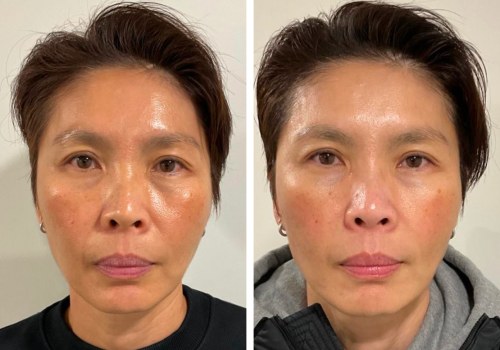
In the realm of aesthetic treatments, real-life case studies provide compelling evidence of the effectiveness of combining polynucleotides with dermal fillers. These success stories not only highlight the transformative results but also offer insights into patient experiences and satisfaction.Case Study 1: Rejuvenating a Tired Appearance
One notable case involved a 45-year-old woman who sought treatment for her tired-looking face, characterised by fine lines and sagging skin around her cheeks and jawline. After a thorough consultation, we decided to combine polynucleotides with hyaluronic acid dermal fillers.The polynucleotides were injected into the deeper layers of her skin to stimulate collagen production, while the fillers provided immediate volume to her cheeks and jawline.Within weeks, the patient reported a significant improvement in skin texture and elasticity. The combination treatment not only enhanced her facial contours but also revitalised her overall appearance, making her look more youthful and refreshed. She expressed immense satisfaction with the results, stating that she felt more confident in social situations.
Case Study 2: Addressing Hair Loss
A 38-year-old male patient presented with noticeable hair thinning and sought a solution that would not only improve his facial aesthetics but also address his scalp issues. We opted for a combined approach using polynucleotides for scalp rejuvenation alongside dermal fillers for facial enhancement.The polynucleotides were injected into the scalp to promote hair follicle regeneration, while dermal fillers were used to enhance his cheekbones and jawline.Over a period of three months, the patient experienced visible hair regrowth and improved skin quality on his face. He reported feeling more youthful and energetic, attributing his newfound confidence to the successful combination of treatments.
Patient Testimonials
- “I never thought I could achieve such natural-looking results! The combination of polynucleotides and fillers has changed my life.” - Sarah, 52
- “After struggling with hair loss for years, I finally see hope. The treatments have made a noticeable difference.” - Mark, 38
- “I love how my skin feels now! It’s smoother and more radiant than ever.” - Emma, 45
Frequently Asked Questions About Polynucleotides and Dermal Fillers
As the popularity of polynucleotides and dermal fillers continues to rise, many patients have questions about these treatments.Below are some of the most frequently asked questions that can help clarify any uncertainties.
What are polynucleotides?
Polynucleotides are injectable products derived from highly purified fish DNA, typically sourced from salmon or trout. They are designed to enhance skin quality by promoting cellular regeneration and stimulating collagen production. Unlike traditional fillers that provide immediate volume, polynucleotides work gradually to improve skin texture and elasticity over time.Can I combine polynucleotides with dermal fillers?
Yes, combining polynucleotides with dermal fillers is not only possible but often recommended for optimal results. While dermal fillers provide instant volume and contour, polynucleotides enhance skin quality and rejuvenation.This combination can address multiple concerns simultaneously, leading to a more comprehensive rejuvenation effect.
Are there any side effects associated with polynucleotide treatments?
Like any injectable treatment, there are potential side effects, although they are generally mild. Common reactions may include bruising, swelling, or redness at the injection site. Serious complications are rare but can occur, so it is essential to choose a qualified practitioner who can manage any risks effectively.How long do the results of polynucleotide treatments last?
The longevity of results from polynucleotide treatments can vary based on individual factors such as skin type and age. Typically, patients may notice improvements for several months following treatment, with optimal results appearing after a few weeks as collagen production increases.How many sessions will I need?
The number of sessions required depends on your specific goals and the condition of your skin.Many patients benefit from a series of treatments spaced several weeks apart to achieve the best results. Your practitioner will develop a tailored plan based on your unique needs.
Is there any downtime after treatment?
Most patients experience minimal downtime after receiving polynucleotide injections. You may return to your daily activities shortly after treatment; however, it is advisable to avoid strenuous exercise and excessive sun exposure for a short period to allow your skin to heal properly.If you have further questions or concerns about polynucleotides and dermal fillers, consult with a qualified aesthetic practitioner who can provide personalised advice and guidance tailored to your needs.Conclusion: The Future of Aesthetic Treatments with Polynucleotides
As we draw this comprehensive exploration of polynucleotides and their synergistic effects with dermal fillers to a close, it is essential to reflect on the transformative potential these treatments hold for the future of aesthetic medicine. The integration of polynucleotides into rejuvenation protocols not only enhances the immediate visual outcomes provided by dermal fillers but also promotes long-term skin health and vitality.The unique properties of polynucleotides, derived from fish DNA, offer a remarkable biostimulating effect that encourages the body’s natural healing processes.This regenerative capability is particularly beneficial in addressing various skin concerns, including fine lines, wrinkles, and overall skin texture. When combined with dermal fillers, which provide instant volume and contour, the result is a holistic approach to facial and body rejuvenation that caters to both immediate aesthetic desires and long-term skin quality improvements.Moreover, the versatility of polynucleotides allows for their application across different areas of the face and body. This adaptability means that practitioners can tailor treatment plans to meet individual patient needs effectively. Whether used in conjunction with fillers for facial volumisation or as a standalone treatment for skin revitalisation, polynucleotides are proving to be an invaluable asset in aesthetic practices.Looking ahead, it is clear that the demand for non-invasive and minimally invasive treatments will continue to rise.
Patients are increasingly seeking solutions that not only enhance their appearance but also improve their skin's overall health. The combination of dermal fillers and polynucleotides aligns perfectly with this trend, offering a dual benefit that appeals to a broad demographic.In conclusion, as we embrace the future of aesthetic treatments, the incorporation of polynucleotides alongside traditional dermal fillers represents a significant advancement in our ability to deliver natural-looking results that stand the test of time. By focusing on both immediate results and long-term skin health, practitioners can ensure that their patients achieve not just a youthful appearance but also enhanced skin quality that reflects their inner vitality.