Polynucleotides are naturally occurring biopolymers that play a crucial role in various biological processes, particularly in the field of regenerative medicine and aesthetic treatments. Composed of long chains of nucleotides, these molecules are fundamental to the structure and function of DNA and RNA, which are essential for cellular repair and regeneration. In recent years, polynucleotides have gained significant attention in the realm of skincare, particularly for their ability to enhance skin health and appearance.The benefits of polynucleotides in skin treatments are manifold. They are known to stimulate collagen production, which is vital for maintaining skin elasticity and firmness.
As we age, our natural collagen levels decline, leading to the formation of fine lines and wrinkles. By introducing polynucleotides into the skin, we can effectively promote the body’s natural healing processes, resulting in improved hydration, texture, and overall skin quality. This makes polynucleotides an appealing option for those seeking non-surgical solutions to combat signs of aging.Understanding how polynucleotides work is essential for appreciating their role in aesthetic treatments. When injected into the skin, they act as a scaffold that supports cellular activity and encourages tissue regeneration.
This process not only enhances the skin's appearance but also aids in repairing damaged tissues. The introduction of polynucleotides triggers a cascade of biological responses that lead to increased blood flow and nutrient delivery to the treated areas, further enhancing the skin's vitality.In summary, polynucleotides represent a revolutionary advancement in skincare treatments. Their ability to promote healing and rejuvenation makes them a valuable tool for anyone looking to improve their skin's health and appearance. As we delve deeper into the specifics of polynucleotide treatments, it becomes clear that understanding their benefits and mechanisms is key to achieving optimal results.
The Treatment Process: What Happens During Polynucleotide Injections?
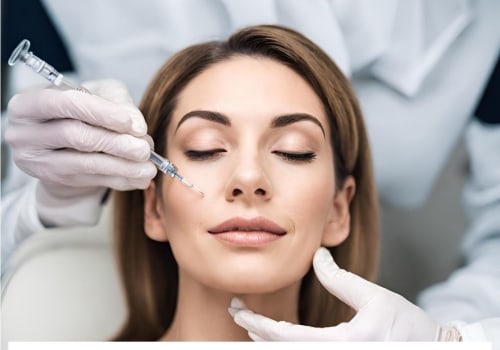
Polynucleotide injections are a cutting-edge treatment designed to rejuvenate the skin by enhancing its hydration, elasticity, and overall appearance.Understanding the treatment process is crucial for anyone considering this innovative procedure.The first step in the polynucleotide injection process involves a thorough consultation with a qualified practitioner. During this session, the practitioner will assess your skin type, discuss your aesthetic goals, and determine the most suitable treatment plan tailored to your individual needs. This is an essential part of the process, as it sets realistic expectations and ensures that you are well-informed about what to expect.Once you are ready to proceed, the treatment area will be cleansed to minimise the risk of infection. A topical anaesthetic may be applied to enhance your comfort during the procedure.
This is particularly important as the injections can cause some discomfort, although many patients report that it is manageable.There are two primary techniques used for administering polynucleotide injections:
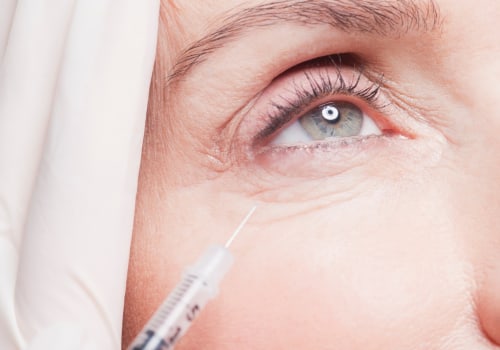
- Needle Injection: In this method, a very fine needle is used to inject the polynucleotide solution into the superficial layers of the skin. This technique allows for precise placement of the product, targeting specific areas that require rejuvenation. Patients may experience small blisters at the injection sites, which typically resolve within a few hours.
- Cannula Technique: Alternatively, a blunt-tipped cannula can be employed for a more even distribution of the polynucleotides. This method is less invasive and often results in reduced swelling and bruising compared to traditional needle injections.
The cannula glides smoothly through the tissue, minimising trauma and allowing for a more comfortable experience.
Immediate Aftereffects of Polynucleotide Treatments
Following a polynucleotide treatment, it is common for patients to experience a range of immediate aftereffects.Understanding these reactions can help set realistic expectations and alleviate any concerns regarding the healing process.One of the most prevalent reactions is swelling , which can occur at the injection sites. This swelling is typically a result of the body’s natural inflammatory response to the introduction of polynucleotides into the skin. The degree of swelling can vary depending on individual sensitivity, the area treated, and the technique employed during the injection. In most cases, this swelling is temporary and should subside within a few days.Alongside swelling, redness is another common aftereffect.
This redness may appear immediately after the procedure and can last from several hours to a few days. It is important to note that this reaction is part of the body’s healing process, as it increases blood flow to the treated area, facilitating nutrient delivery and promoting skin rejuvenation.In some instances, patients may also notice small bumps or lumps at the injection sites. These are generally minor and should resolve on their own within a short period. However, if they persist or cause discomfort, it is advisable to consult with your practitioner for further guidance.While most reactions are mild and temporary, some individuals may experience heightened sensitivity in the treated areas.
This sensitivity can manifest as tenderness or a slight burning sensation but typically resolves within a few days. It is crucial to follow any aftercare instructions provided by your practitioner to minimise discomfort and promote optimal healing.In summary, while swelling, redness, and temporary sensitivity are common aftereffects of polynucleotide treatments, they are generally mild and part of the body’s natural response to treatment. Understanding these immediate reactions can help patients feel more at ease as they embark on their journey towards improved skin health.
Short-Term Expectations: Days to Weeks After Treatment
Following your polynucleotide treatment, it is essential to understand the short-term expectations regarding your skin's response and the improvements you can anticipate. In the initial days post-treatment, many patients experience mild swelling and redness at the injection sites.This is a normal reaction as your skin adjusts to the introduction of polynucleotides, which are designed to stimulate natural healing processes.Typically, these side effects subside within 24 to 72 hours. However, some individuals may notice that these symptoms linger slightly longer, particularly if they have sensitive skin or if a larger area was treated. It is crucial to remain patient during this period, as these reactions are part of the body’s natural response to the treatment.As the swelling diminishes, you will likely begin to observe significant improvements in your skin's hydration levels. Polynucleotides work by enhancing moisture retention within the skin, leading to a plumper and more youthful appearance.
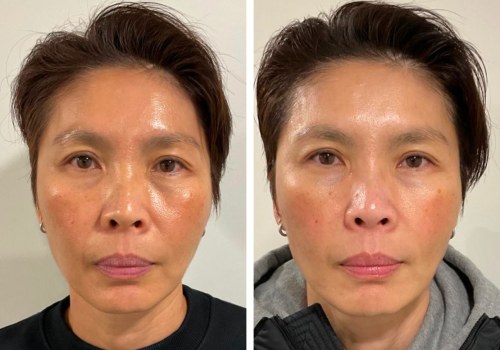
Most patients report noticeable changes in skin texture and hydration within one to two weeks after their treatment session.During this time, you may also experience an increase in skin luminosity. The revitalising effects of polynucleotides contribute to a more radiant complexion, as they promote collagen production and improve overall skin elasticity. This rejuvenation process typically becomes more pronounced around the four to six-week mark when collagen remodeling is fully underway.To maximise your results and ensure optimal recovery, it is advisable to follow any aftercare instructions provided by your practitioner. This may include avoiding excessive sun exposure, refraining from strenuous exercise for a few days, and using gentle skincare products that do not irritate the treated areas.In summary, while initial side effects such as swelling and redness are common in the days following polynucleotide treatment, you can expect significant improvements in hydration and texture within one to two weeks.
Full results will continue to develop over the following weeks as your skin heals and regenerates.
Long-Term Results: What to Expect After Several Weeks
After undergoing polynucleotide treatments, many individuals begin to notice significant changes in their skin quality over the following weeks. The initial effects, such as improved hydration and texture, are just the beginning of a more profound transformation that occurs as the body engages in collagen remodeling .Collagen is a vital protein that provides structure and elasticity to the skin. As we age, collagen production naturally declines, leading to visible signs of aging such as fine lines, wrinkles, and sagging skin. Polynucleotides play a crucial role in stimulating the body’s natural healing processes, which in turn promotes collagen synthesis.This process is gradual and can take several weeks to fully manifest.Typically, patients will start to see noticeable improvements in their skin's appearance approximately four to six weeks after treatment. During this period, the injected polynucleotides work to enhance cellular activity and promote the formation of new collagen fibres. As these fibres develop, the skin becomes firmer and more resilient, effectively reducing the appearance of fine lines and enhancing overall skin texture.In addition to immediate hydration benefits, the long-term effects of polynucleotide treatments include:
- Improved Skin Elasticity: As collagen levels rise, skin elasticity improves, resulting in a more youthful appearance.
- Sustained Hydration: The hydrating properties of polynucleotides help maintain moisture levels in the skin over time.
- Reduction in Wrinkles: Continuous collagen production leads to a gradual softening of wrinkles and fine lines.
- Enhanced Skin Tone: Many patients report a more even skin tone and reduced pigmentation irregularities.
By fostering collagen remodeling and enhancing skin quality over time, these treatments offer a sustainable solution for those seeking to rejuvenate their appearance naturally.
Aftercare Tips for Optimal Results
After undergoing polynucleotide treatments, proper aftercare is crucial to ensure optimal results and minimise any potential side effects. Here are some essential tips to help you care for your skin post-treatment:- Keep the Area Clean: Gently cleanse the treated area with a mild, non-irritating cleanser. Avoid using harsh scrubs or exfoliants for at least a week to prevent irritation.
- Avoid Touching: Refrain from touching or picking at the injection sites. This helps reduce the risk of infection and allows the skin to heal properly.
- Moisturise Regularly: Use a hydrating moisturiser to keep your skin nourished.
Look for products containing hyaluronic acid or glycerin, which can enhance hydration and support the healing process.
- Sun Protection: Protect your skin from sun exposure by applying a broad-spectrum sunscreen with at least SPF 30. This is vital as your skin may be more sensitive after treatment, and UV rays can hinder healing.
- Avoid Heat: For the first few days post-treatment, avoid hot showers, saunas, and intense workouts that may increase blood flow to the face. Excessive heat can exacerbate swelling and redness.
- Stay Hydrated: Drink plenty of water to keep your skin hydrated from within. Proper hydration supports overall skin health and can enhance the effects of polynucleotides.
- Follow Professional Advice: Always adhere to any specific aftercare instructions provided by your practitioner.
They may recommend tailored products or additional treatments based on your individual needs.
Potential Risks and Considerations
While polynucleotide treatments offer numerous benefits for skin rejuvenation, it is essential to be aware of the potential risks and considerations associated with these procedures. Understanding these factors can help you make an informed decision about whether this treatment is suitable for you.Potential Risks
- Injection Site Reactions: Common side effects include temporary redness, swelling, and tenderness at the injection sites.
These reactions are typically mild and resolve within a few days.
- Allergic Reactions: Although rare, some individuals may experience allergic reactions to the components of the polynucleotide solution. Symptoms can range from mild irritation to more severe reactions requiring medical attention.
- Infection: As with any injection procedure, there is a risk of infection. It is crucial to ensure that the treatment is performed in a sterile environment by a qualified professional.
- Asymmetry or Uneven Results: In some cases, uneven distribution of the product can lead to asymmetrical results. This can often be corrected with follow-up treatments.
Contraindications for Polynucleotide Treatments
Certain individuals may not be suitable candidates for polynucleotide injections.
It is vital to discuss your medical history and any underlying conditions with your practitioner before proceeding. Considerations include:
- Pregnancy and Breastfeeding: Women who are pregnant or breastfeeding are generally advised to avoid aesthetic treatments, including polynucleotide injections, due to potential risks to the baby.
- Autoimmune Disorders: Individuals with autoimmune diseases may have an altered response to treatments and should consult their healthcare provider before undergoing this procedure.
- Active Skin Infections: If you have any active skin infections or lesions in the treatment area, it is advisable to postpone the procedure until these issues are resolved.
- Blood Disorders: Those with bleeding disorders or who are on anticoagulant medications should discuss their situation thoroughly with their practitioner, as this may increase the risk of complications.
Who Should Avoid Polynucleotide Injections?
If you fall into any of the following categories, it may be best to avoid polynucleotide treatments:
- Individuals with a history of severe allergies or anaphylaxis.
- Those who have previously experienced adverse reactions to similar injectable treatments.
- Patients undergoing certain medical therapies that compromise skin integrity or healing.
Frequently Asked Questions About Polynucleotides
As the popularity of polynucleotide treatments continues to rise, many individuals have questions regarding their efficacy, safety, and the overall process. Below are some of the most frequently asked questions that can help clarify common misconceptions and provide a deeper understanding of what to expect from these innovative treatments.What are polynucleotides?
Polynucleotides are naturally occurring molecules that play a crucial role in cellular functions, particularly in the healing and regeneration of tissues. In aesthetic medicine, they are used to enhance skin quality by promoting hydration, elasticity, and overall skin rejuvenation.How do polynucleotide treatments work?
The treatment involves injecting a gel-like substance containing polynucleotides into the skin.This process stimulates the body’s natural healing mechanisms, encouraging collagen production and improving skin texture. As a result, patients often experience a more youthful appearance with reduced fine lines and improved skin tone.
Are there any side effects associated with polynucleotide injections?
While most patients tolerate the treatment well, some may experience mild side effects such as:- Redness at the injection site
- Swelling , which can last for a few days
- Sensitivity or tenderness in the treated area
How long do the results last?
The effects of polynucleotide treatments can vary based on individual factors such as skin type and age. Generally, patients can expect to see improvements in skin hydration and texture within 1 to 2 weeks, with optimal results appearing after 4 to 6 weeks. Maintenance treatments may be recommended to prolong the benefits.Are there any myths about polynucleotides?
One common myth is that polynucleotide treatments are only suitable for older individuals.In reality, these treatments can benefit people of various ages looking to enhance their skin quality. Another misconception is that the results are immediate; while some improvements may be noticeable shortly after treatment, full results develop over time as collagen remodeling occurs.Understanding these aspects of polynucleotide treatments can help potential patients make informed decisions about their skincare options. If you have further questions or concerns, consulting with a qualified practitioner is always advisable.
Conclusion: Embracing the Benefits of Polynucleotide Treatments
In conclusion, the journey towards rejuvenated skin through polynucleotide treatments offers a multitude of benefits that are both immediate and long-lasting. As we have explored throughout this article, these innovative treatments harness the power of natural substances to stimulate the body’s own healing processes, leading to remarkable improvements in skin quality.One of the most significant advantages of polynucleotide therapy is its ability to enhance skin hydration and elasticity.Patients often report noticeable changes within just a few weeks, with full results becoming evident as collagen production ramps up over time. This gradual yet effective transformation not only reduces the appearance of fine lines and wrinkles but also promotes a more youthful and vibrant complexion.Moreover, the treatment is generally well-tolerated, with minimal downtime required. While some temporary side effects such as redness and swelling may occur, these are typically short-lived and manageable. The use of advanced techniques, such as cannula injections, further minimises discomfort and enhances the overall experience.It is essential to approach polynucleotide treatments with realistic expectations and an understanding of the process involved.
Consulting with experienced professionals ensures that each treatment is tailored to individual needs, maximising the potential benefits while prioritising safety and comfort.As you consider your options for skin rejuvenation, embracing polynucleotide treatments could be a transformative step towards achieving your aesthetic goals. With their ability to promote natural healing and improve skin texture, these treatments stand out as a compelling choice for those seeking a youthful glow.Ultimately, investing in your skin’s health through polynucleotide therapy not only enhances your appearance but also boosts your confidence. By choosing this innovative approach, you are taking a proactive step towards maintaining your skin’s vitality for years to come.