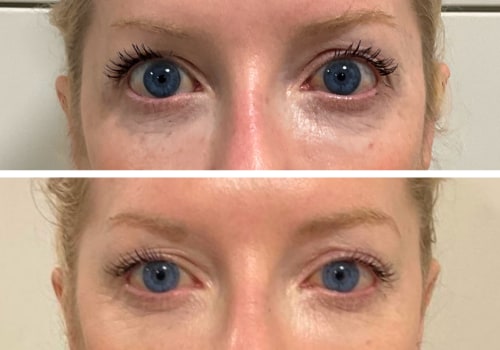
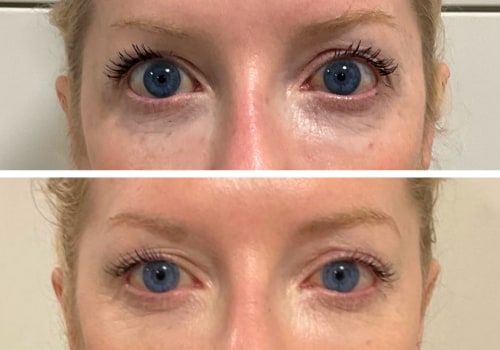
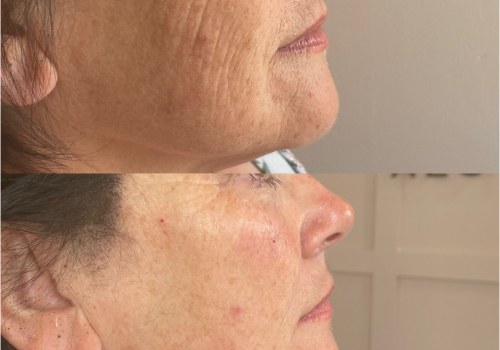
In the realm of aesthetic treatments, polynucleotides have emerged as a groundbreaking solution, particularly for rejuvenating the delicate under-eye area. These naturally occurring molecules, derived from salmon DNA, play a pivotal role in skin regeneration and repair. As we age, our skin loses its elasticity and vitality, leading to common concerns such as dark circles, fine lines, and sagging. Polynucleotides offer a unique approach to combat these issues by stimulating cellular activity and enhancing the skin's overall health.The significance of polynucleotides in aesthetic treatments cannot be overstated.
Unlike traditional dermal fillers that primarily provide immediate volume through physical means, polynucleotides work at a cellular level to promote long-term skin rejuvenation. This innovative treatment not only addresses superficial signs of ageing but also supports the skin's structural integrity by improving hydration and elasticity. As a result, patients can expect a more youthful appearance that evolves over time, making polynucleotides an attractive option for those seeking sustainable results.When it comes to treating the under-eye area, polynucleotides stand out due to their ability to enhance skin quality without the risk of water retention often associated with hyaluronic acid fillers. This makes them particularly suitable for individuals who may be prone to puffiness or swelling.
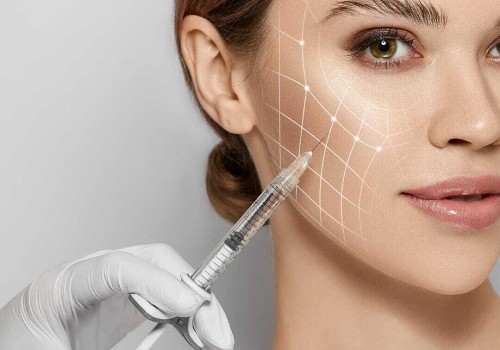
The treatment involves a series of carefully administered injections that deliver these regenerative molecules precisely where they are needed most, allowing for targeted improvement in skin texture and tone.As we delve deeper into the longevity and effectiveness of polynucleotide treatments, it becomes clear that their benefits extend far beyond mere aesthetics. By understanding how these remarkable molecules function within the skin, we can appreciate their role in fostering a healthier complexion and restoring confidence in one’s appearance.
What Are Polynucleotides?
Polynucleotides are naturally occurring biopolymers composed of long chains of nucleotide units, which are the building blocks of DNA and RNA. These molecules play a crucial role in various biological processes, including cellular repair and regeneration. In the context of skin treatments, polynucleotides are derived from sources such as salmon DNA, which undergoes a rigorous purification process to ensure safety and efficacy.At a cellular level, polynucleotides function by stimulating the body’s natural healing mechanisms.They promote the synthesis of collagen and elastin, two essential proteins that contribute to skin elasticity and firmness. By enhancing these processes, polynucleotides help to rejuvenate the skin, making it appear smoother and more youthful.The benefits of polynucleotides in aesthetic treatments are numerous:
- Cellular Regeneration: Polynucleotides encourage the regeneration of skin cells, leading to improved texture and tone.
- Hydration: They enhance moisture retention in the skin, which is vital for maintaining a plump and healthy appearance.
- Anti-inflammatory Properties: Polynucleotides possess anti-inflammatory effects that can help reduce redness and irritation, making them suitable for sensitive skin types.
- Long-lasting Results: Treatments involving polynucleotides typically yield results that last between six to nine months, with gradual improvements observed over time as the skin continues to heal.
- Minimal Side Effects: Compared to traditional fillers, polynucleotide treatments generally result in fewer side effects, such as bruising or swelling.
How Do Polynucleotides Work Under the Eyes?
Polynucleotides are increasingly recognised for their remarkable ability to rejuvenate the delicate skin under the eyes.Their mechanism of action is rooted in their role as essential components in cellular repair and regeneration processes. When injected into the under-eye area, polynucleotides stimulate the body’s natural healing responses, promoting a healthier and more youthful appearance.One of the primary ways polynucleotides work is by enhancing collagen production. Collagen is a vital protein that provides structure and elasticity to the skin. As we age, collagen levels naturally decline, leading to sagging skin and the formation of fine lines.
Polynucleotides help to counteract this by activating fibroblasts, the cells responsible for collagen synthesis. This process not only improves skin texture but also increases firmness and resilience.Moreover, polynucleotides possess anti-inflammatory properties , which can significantly benefit the under-eye area, often prone to puffiness and dark circles. By reducing inflammation, they help to alleviate these common concerns, resulting in a brighter and more refreshed appearance. This dual action of promoting collagen while simultaneously calming inflammation makes polynucleotides a unique solution for under-eye rejuvenation.Another critical aspect of how polynucleotides function is their ability to enhance the skin's extracellular matrix.
The extracellular matrix is a complex network that provides structural and biochemical support to surrounding cells. By improving this matrix, polynucleotides facilitate better nutrient delivery and waste removal at the cellular level, further aiding in skin regeneration.In summary, polynucleotides work under the eyes by:
- Stimulating collagen production to restore skin elasticity and firmness.
- Reducing inflammation to combat puffiness and dark circles.
- Enhancing the extracellular matrix for improved cellular health and regeneration.
Expected Longevity of Polynucleotide Treatments Under the Eyes
Polynucleotide treatments have gained popularity for their ability to rejuvenate the delicate skin under the eyes, but many individuals wonder about the longevity of these effects. Typically, the results of polynucleotide treatments can last between 6 to 9 months , depending on various factors such as individual skin type, age, and lifestyle choices.After undergoing a series of treatments, patients often notice visible improvements around three months post-treatment. This gradual enhancement occurs as the skin cells begin to regenerate and respond positively to the polynucleotides.The full benefits of the treatment can continue to develop for up to six months, making it essential for patients to understand that immediate results may not be fully realised until this period has elapsed.To maintain the rejuvenating effects of polynucleotide treatments, maintenance sessions are recommended. Most practitioners suggest scheduling these sessions every 3 to 4 months. This approach helps sustain the results and ensures that the skin continues to benefit from the regenerative properties of polynucleotides.Several factors can influence how long the effects last:
- Age: As we age, our skin's natural ability to regenerate diminishes, which may affect how long the treatment lasts.
- Lifestyle: Factors such as diet, hydration, sun exposure, and smoking can significantly impact skin health and longevity of treatment results.
- Skin Condition: Pre-existing conditions or overall skin health can also play a role in how effectively polynucleotides work.
Factors Affecting the Duration of Results from Polynucleotide Treatments
The longevity of results from polynucleotide treatments can vary significantly based on a multitude of factors.Understanding these influences is crucial for individuals considering this innovative approach to rejuvenating the under-eye area.
Age
plays a pivotal role in how long the effects of polynucleotide treatments last. As we age, our skin undergoes various changes, including decreased elasticity and slower cellular regeneration. Older individuals may find that the results from treatments diminish more quickly compared to younger patients, who typically have more resilient skin.
Skin Type
is another critical factor. Different skin types react uniquely to treatments.
For instance, individuals with oily skin may experience a different duration of results compared to those with dry or combination skin. The inherent characteristics of one’s skin can affect how well it absorbs and retains the benefits of polynucleotides.
Lifestyle Choices
also significantly impact the effectiveness and duration of results. Factors such as diet, hydration, and sun exposure can either enhance or diminish the outcomes of polynucleotide treatments. A balanced diet rich in vitamins and antioxidants can support skin health, while excessive sun exposure can lead to premature aging and reduce the longevity of treatment results.Moreover, habits such as smoking and alcohol consumption can adversely affect skin quality and healing processes, potentially shortening the duration of visible improvements from polynucleotide injections.
Overall Health
is another essential consideration.
Individuals with underlying health conditions or those who are immunocompromised may experience different results due to their body’s ability to heal and regenerate skin cells. Maintaining good overall health through regular exercise and proper nutrition can contribute positively to the effectiveness of polynucleotide treatments.In summary, while polynucleotide treatments offer promising results for rejuvenating the under-eye area, individual differences such as age, skin type, lifestyle choices, and overall health play significant roles in determining how long these results will last. Understanding these factors can help patients set realistic expectations and make informed decisions regarding their treatment plans.
Comparing Polynucleotides with Other Under-Eye Treatments
When considering options for under-eye rejuvenation, it is essential to compare polynucleotides with other popular treatments, particularly dermal fillers. Each method has its unique benefits and drawbacks, making it crucial to understand how they differ in terms of effectiveness, longevity, and side effects.Polynucleotides vs Dermal Fillers
Polynucleotides are a relatively new treatment option that focuses on skin regeneration at a cellular level.They work by stimulating the body’s natural healing processes, promoting collagen production and improving skin texture over time. In contrast, dermal fillers, typically composed of hyaluronic acid, provide immediate volume and hydration by physically filling in hollows and shadows under the eyes.
- Longevity: Results from polynucleotide treatments generally last between 6 to 9 months, with gradual improvements observed over time. In comparison, dermal fillers can last anywhere from 6 to 12 months, depending on the product used and individual factors.
- Results: While polynucleotides may take longer to show visible results—often around three months—these results tend to improve as skin cells regenerate. Dermal fillers provide immediate results but may require touch-ups as the filler gradually dissipates.
- Side Effects: Both treatments can cause some bruising and swelling; however, polynucleotides are often associated with milder side effects and a shorter recovery time.
This makes them a more appealing option for those concerned about downtime.
Other Under-Eye Rejuvenation Options
In addition to polynucleotides and dermal fillers, there are other treatments available for under-eye concerns:- Chemical Peels: These can improve skin texture and tone but may not address volume loss effectively.
- Laser Treatments: Lasers can target pigmentation and fine lines but often require multiple sessions and can have longer recovery times.
- Surgical Options: Procedures like blepharoplasty can provide significant results but involve more risks and longer recovery periods.
Potential Side Effects and Considerations of Polynucleotide Treatments
Polynucleotide treatments have gained popularity for their regenerative properties, particularly in the delicate under-eye area. However, like any cosmetic procedure, they come with potential side effects and considerations that patients should be aware of before undergoing treatment.Common Side Effects
While polynucleotides are generally well-tolerated, some individuals may experience mild side effects following the procedure. These can include:- Bruising: This is one of the most common side effects and can occur at the injection site.
Bruising typically resolves within a few days.
- Swelling: Temporary swelling may occur as the body reacts to the injections. This usually subsides within a week.
- Redness: Some patients may notice redness around the treated area, which is usually short-lived.
- Itching or tenderness: A mild sensation of itching or tenderness may be felt in the treated area but generally resolves quickly.
Recovery Time
The recovery time associated with polynucleotide treatments is relatively short compared to more invasive procedures. Most patients can return to their normal activities shortly after treatment. However, it is advisable to avoid strenuous exercise and direct sun exposure for at least 48 hours post-treatment to minimise any potential complications.Considerations Before Treatment
Before opting for polynucleotide treatments, it is essential to consult with a qualified practitioner who can assess your individual needs and medical history.Factors such as age, skin type, and overall health can influence both the effectiveness of the treatment and the likelihood of experiencing side effects.Additionally, patients should disclose any allergies or previous reactions to injectables during their consultation. This information helps practitioners tailor the treatment plan to ensure safety and optimal results.In summary, while polynucleotide treatments offer promising benefits for skin rejuvenation, being informed about potential side effects and recovery expectations is crucial for a successful experience. By understanding these factors, patients can make educated decisions and enjoy the revitalising effects of polynucleotides with confidence.
Patient Experiences and Testimonials on Polynucleotide Treatments
As the popularity of polynucleotide treatments continues to rise, many patients have begun to share their experiences and outcomes. These testimonials provide valuable insights into the effectiveness and satisfaction levels associated with this innovative treatment.One patient, Sarah, a 34-year-old marketing executive, expressed her delight after undergoing polynucleotide injections under her eyes."I had been struggling with dark circles and fine lines for years. After just a few sessions, I noticed a significant improvement in the texture and appearance of my skin. It felt rejuvenated and more youthful," she shared. Sarah noted that the results became more pronounced over time, aligning with the typical timeline for polynucleotide treatments.Another patient, John, aged 45, highlighted the minimal downtime associated with the procedure.
"I was back to my normal routine within a couple of days. The slight swelling I experienced was manageable and subsided quickly. I appreciated that I didn’t have to take time off work," he remarked. John also mentioned that he felt more confident in social situations after seeing the positive changes in his under-eye area.Many patients have reported similar experiences regarding the gradual improvement of their skin post-treatment.
Emily , a 29-year-old teacher, stated, "I was amazed at how my skin continued to improve even weeks after my last session. It’s like my skin was getting a second chance to glow!" This aligns with the understanding that polynucleotides work at a cellular level, promoting long-term skin regeneration.In terms of satisfaction, a survey conducted among patients who received polynucleotide treatments revealed that over 85% reported being satisfied with their results. Many noted that they appreciated the natural look achieved through this treatment compared to traditional fillers. Mark , a 50-year-old businessman, commented, "I wanted something that would enhance my appearance without looking overdone.
Polynucleotides provided just that—subtle yet effective results."Overall, patient testimonials reflect a high level of satisfaction with polynucleotide treatments, particularly regarding their effectiveness in addressing common concerns such as dark circles and fine lines under the eyes. As more individuals share their stories, it becomes increasingly clear that this treatment is not only effective but also well-received by those seeking rejuvenation in their appearance.
Frequently Asked Questions About Polynucleotide Treatments Under the Eyes
Polynucleotide treatments have gained popularity for their ability to rejuvenate the under-eye area, but many potential patients have questions about the procedure, its effects, and what to expect. Here are some frequently asked questions regarding polynucleotide treatments:- What are polynucleotides?
Polynucleotides are naturally occurring molecules derived from salmon DNA. They play a crucial role in cellular repair and regeneration, making them effective in aesthetic treatments aimed at improving skin quality. - How do polynucleotides work under the eyes?
When injected into the under-eye area, polynucleotides stimulate collagen production and enhance skin hydration.This process helps to reduce the appearance of fine lines, dark circles, and sagging skin.
- How long do the results last?
The effects of polynucleotide treatments typically last between 6 to 9 months. Patients may notice visible improvements around three months post-treatment, with optimal results continuing to develop for up to six months. - Are there any side effects?
Side effects are generally minimal and may include slight bruising or swelling at the injection site. These effects usually resolve within a few days, making recovery relatively quick compared to other treatments. - How many sessions are required?
For optimal results, a series of 3 to 4 treatment sessions is recommended, spaced 3 to 4 weeks apart. After the initial course, maintenance sessions every 3 to 6 months can help sustain the results. - Who is a suitable candidate for this treatment?
Most individuals looking to improve the appearance of their under-eye area can benefit from polynucleotide treatments.However, those with specific medical conditions or allergies should consult with a qualified practitioner before proceeding.
Conclusion: The Future of Polynucleotide Treatments in Aesthetic Medicine
As we conclude our exploration of polynucleotide treatments in aesthetic medicine, it is essential to reflect on the significant advancements and the promising future these innovative therapies hold. Throughout this article, we have delved into the mechanisms by which polynucleotides rejuvenate the skin, particularly in sensitive areas such as under the eyes, where traditional treatments may fall short.The longevity of results from polynucleotide treatments, typically lasting between 6 to 9 months, highlights their effectiveness in promoting cellular regeneration and improving skin texture. Unlike conventional dermal fillers that provide immediate volume but may lead to complications such as swelling, polynucleotides work at a deeper level, enhancing the skin's natural healing processes. This regenerative approach not only addresses aesthetic concerns but also contributes to overall skin health.Looking ahead, the integration of polynucleotide treatments into standard aesthetic practices is likely to expand.As more practitioners recognise their benefits—such as minimal side effects and longer-lasting results—demand for these treatments will likely increase. Furthermore, ongoing research into the applications of polynucleotides could lead to even more refined techniques and formulations, enhancing their efficacy and safety.Moreover, as patients become more informed about their options, there is a growing preference for treatments that offer natural-looking results without the risks associated with more invasive procedures. The versatility of polynucleotides makes them an attractive choice for a variety of skin concerns beyond just under-eye rejuvenation, including fine lines, uneven skin tone, and overall skin laxity.In summary, the future of polynucleotide treatments in aesthetic medicine appears bright. With their ability to foster long-term improvements in skin quality and appearance while maintaining a focus on safety and patient satisfaction, these treatments are poised to become a cornerstone of modern aesthetic practices.
As technology advances and our understanding of skin biology deepens, we can anticipate even greater innovations in this field that will further enhance the effectiveness of polynucleotide therapies.