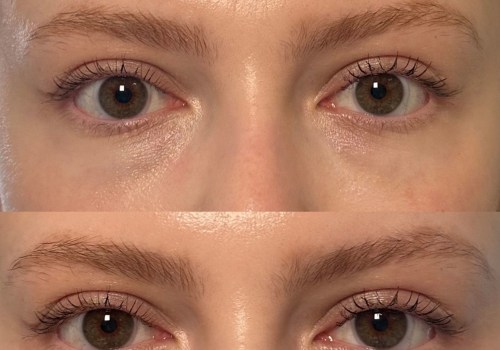
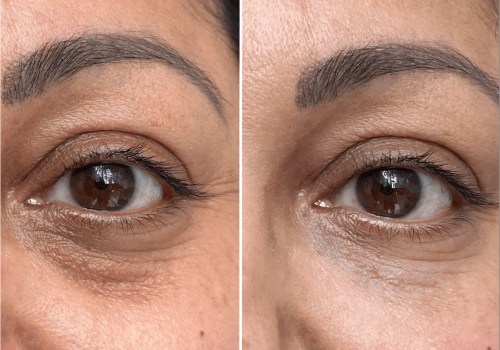
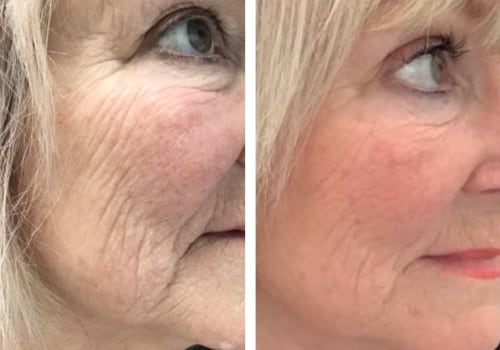
Polynucleotides are essential biomolecules composed of long chains of nucleotides, which are the building blocks of DNA and RNA. These naturally occurring compounds play a crucial role in various biological processes, including cellular repair, growth, and regeneration. In recent years, polynucleotides have gained significant attention in the field of cosmetic dermatology, particularly for their potential to enhance skin quality and promote rejuvenation. Understanding the definition and benefits of polynucleotides is vital for anyone considering their use in skin treatments.At their core, polynucleotides are polymers made up of nucleotide monomers linked together by phosphodiester bonds.
This structure allows them to perform a variety of functions within the body, including the regulation of gene expression and the facilitation of cellular communication. In the context of skin health, polynucleotides are believed to stimulate collagen and elastin production, two proteins that are fundamental for maintaining skin elasticity and firmness. As we age, the natural levels of these proteins decline, leading to visible signs of ageing such as wrinkles and sagging skin.The application of polynucleotides in cosmetic procedures offers several benefits. Firstly, they are known to enhance hydration levels in the skin, resulting in a plumper and more youthful appearance.
Additionally, polynucleotide treatments can improve skin texture and tone by promoting cellular turnover and reducing the appearance of fine lines. Furthermore, their anti-inflammatory properties can help soothe irritated skin, making them suitable for individuals with sensitive or reactive skin types.As we delve deeper into the world of polynucleotide skin boosters, it becomes clear that these innovative treatments hold promise for those seeking effective solutions for skin rejuvenation. By harnessing the power of these natural compounds, patients can achieve noticeable improvements in their skin's overall health and appearance.
The Mechanism of Action of Polynucleotide Skin Boosters
Polynucleotide skin boosters operate through a sophisticated mechanism that targets the skin's cellular structure, promoting rejuvenation and enhancing overall skin quality. At the core of their function is the stimulation of collagen and elastin production, two essential proteins that contribute significantly to skin elasticity, firmness, and hydration.When polynucleotides are injected into the dermal layer of the skin, they act as a signal to the body’s natural healing processes.Polynucleotides are composed of long chains of nucleotides, which are the building blocks of DNA and RNA. This composition allows them to interact with skin cells in a way that encourages regeneration and repair.Upon injection, polynucleotides stimulate fibroblasts—cells responsible for producing collagen and elastin. This stimulation occurs through several biological pathways:
- Cell Signalling: Polynucleotides bind to specific receptors on fibroblasts, triggering a cascade of cellular responses that lead to increased collagen synthesis.
- Inflammatory Response: The introduction of polynucleotides can induce a mild inflammatory response, which is beneficial as it activates the body’s repair mechanisms. This response helps to recruit additional cells to the area, further enhancing collagen production.
- Hydration: Polynucleotides also have a hydrophilic nature, meaning they attract water molecules.
This property not only aids in skin hydration but also creates an optimal environment for fibroblast activity.
Benefits of Polynucleotide Skin Boosters
Polynucleotide skin boosters have emerged as a revolutionary treatment in the realm of aesthetic medicine, offering a multitude of benefits that cater to various skin concerns.These injections, rich in nucleotides, are designed to enhance skin rejuvenation and provide significant anti-aging effects.One of the primary advantages of polynucleotide injections is their ability to improve skin texture. As we age, our skin often becomes rough and uneven due to a decrease in collagen and elastin production. Polynucleotides stimulate fibroblasts, the cells responsible for producing these essential proteins, leading to smoother and more refined skin. Patients frequently report a noticeable improvement in the overall feel of their skin following treatment.In addition to enhancing texture, polynucleotide boosters significantly increase skin elasticity.
This is particularly beneficial for individuals experiencing sagging or loss of firmness. By promoting collagen synthesis, these treatments help restore the skin's natural bounce and resilience, making it appear more youthful and vibrant.Another remarkable benefit is the hydration effect that polynucleotides provide. They have a unique ability to attract and retain moisture within the skin, which is crucial for maintaining a plump and healthy appearance. Enhanced hydration not only improves the visual quality of the skin but also contributes to its overall health.Moreover, polynucleotide injections can aid in reducing the appearance of fine lines and wrinkles.
As these treatments encourage cellular regeneration and repair, they effectively diminish signs of aging, resulting in a more youthful complexion. Many patients find that their skin looks revitalised and rejuvenated after undergoing this treatment.Furthermore, polynucleotides possess anti-inflammatory properties that can help soothe irritated or sensitive skin. This makes them an excellent option for individuals with conditions such as rosacea or acne scars, as they promote healing while minimising redness and inflammation.In summary, the benefits of polynucleotide skin boosters extend beyond mere cosmetic enhancements. They offer a comprehensive approach to skin rejuvenation by improving texture, elasticity, hydration, and overall appearance while also addressing specific concerns like inflammation.
As more individuals seek effective solutions for aging skin, polynucleotide injections stand out as a promising option for achieving lasting results.
Potential Side Effects and Risks
When considering polynucleotide injections for skin rejuvenation, it is crucial to be aware of the potential side effects and risks associated with this treatment. While many individuals experience positive outcomes, understanding the possible adverse reactions can help you make an informed decision.Common Side Effects
Like any cosmetic procedure, polynucleotide injections can lead to a range of side effects. The most frequently reported include:- Temporary Redness and Swelling: It is common to experience some redness and swelling at the injection site. This reaction is typically mild and subsides within a few hours to a couple of days.
Applying a cold compress can help alleviate these symptoms.
- Mild Itching or Tenderness: Some patients report mild itching or tenderness in the treated area. This sensation usually indicates that the body is responding positively to the treatment. Using a gentle moisturiser can soothe the skin and promote healing.
- Bruising: Bruising may occur due to the injection process, particularly if small blood vessels are affected. While bruises are generally temporary and resolve within a week, avoiding blood-thinning medications before treatment can help minimise this risk.
Less Common but Serious Risks
While most side effects are mild and temporary, there are some less common but more serious risks associated with polynucleotide injections:- Allergic Reactions: Although rare, some individuals may experience allergic reactions to components in the polynucleotide solution, such as fish DNA.
Symptoms may include hives, swelling, or difficulty breathing. If you suspect an allergic reaction, seek medical attention immediately.
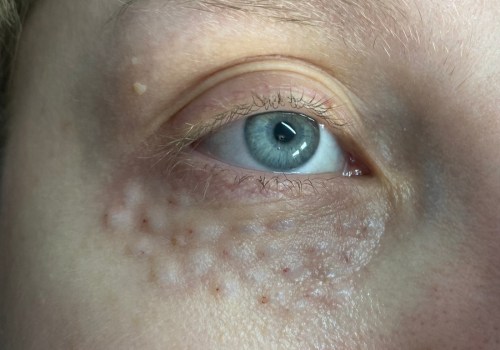
- Granulomas: In rare cases, localized lumps known as granulomas may form as an immune response to the injected material. These firm lumps can appear weeks or months after treatment and should be evaluated by a healthcare professional.
- Vascular Occlusion: A serious but rare complication is vascular occlusion, which occurs when an injection inadvertently blocks a blood vessel. This condition requires immediate medical intervention to restore circulation and prevent tissue damage.
Consulting with a qualified practitioner who can provide personalised advice and care is vital for minimising complications and ensuring a safe treatment experience.
Minimising Side Effects: Best Practices
After receiving polynucleotide injections, it is crucial to follow specific aftercare practices to minimise potential side effects and enhance the overall effectiveness of the treatment. Here are some practical tips to consider:- Apply a Cold Compress: Immediately after the procedure, applying a cold compress to the injection sites can help reduce swelling and redness. This simple step can soothe the skin and alleviate discomfort.
- Avoid Strenuous Activities: For at least 24 to 48 hours post-treatment, it is advisable to refrain from engaging in strenuous exercise or activities that may increase blood flow to the face. This helps prevent excessive swelling and bruising.
- Stay Hydrated: Drinking plenty of water is essential for skin health.
Staying hydrated aids in the healing process and helps maintain skin elasticity, which is particularly beneficial after polynucleotide treatments.
- Use Gentle Skincare Products: After your treatment, opt for gentle, non-irritating skincare products. Avoid harsh exfoliants, retinoids, or any products containing alcohol for at least a week to allow your skin to recover.
- Limit Sun Exposure: Protecting your skin from sun exposure is vital. Use a broad-spectrum sunscreen with an SPF of at least 30 when going outdoors, and consider wearing a wide-brimmed hat to shield your face from direct sunlight.
- Avoid Touching the Treated Area: It’s important not to touch or manipulate the injection sites for at least 24 hours. This reduces the risk of infection and allows the polynucleotides to integrate effectively into your skin.
- Monitor for Unusual Symptoms: Keep an eye on your skin for any unusual reactions such as persistent redness, swelling, or signs of infection.
If you notice anything concerning, contact your healthcare provider promptly.
Comparing Polynucleotide Skin Boosters to Other Treatments
When considering skin rejuvenation options, it is essential to understand how polynucleotide skin boosters compare to other popular treatments such as hyaluronic acid fillers and platelet-rich plasma (PRP). Each treatment has its unique benefits and potential drawbacks, making it crucial for individuals to make informed decisions based on their specific skin concerns and goals.Polynucleotides vs. Hyaluronic Acid Fillers
Hyaluronic acid fillers are widely known for their ability to add volume and hydration to the skin.They work by attracting water molecules, which helps plump the skin and reduce the appearance of fine lines and wrinkles. However, the effects of hyaluronic acid fillers are temporary, typically lasting between six months to a year, depending on the product used and individual factors.In contrast, polynucleotide skin boosters focus on stimulating the body’s natural healing processes. By promoting collagen and elastin production, they aim to improve skin texture and elasticity over time. While the initial results may not be as immediate as those from hyaluronic acid fillers, many patients report longer-lasting improvements in skin quality with polynucleotide treatments.
Comparison with Other Skin Treatments
Another popular alternative is platelet-rich plasma (PRP), which utilises the patient’s own blood components to rejuvenate the skin.PRP is known for its regenerative properties, helping to enhance skin tone and texture while reducing scarring and fine lines. Like polynucleotides, PRP treatments stimulate collagen production; however, they often require multiple sessions for optimal results.While both PRP and polynucleotides promote natural healing, polynucleotide boosters may offer a more straightforward treatment process with fewer steps involved. Additionally, polynucleotides can be less invasive than PRP, which requires blood extraction and processing.
Alternatives to Polynucleotides
Other alternatives include chemical peels and laser treatments, which target specific skin concerns such as pigmentation or texture irregularities. These methods can provide significant improvements but may involve longer recovery times and potential side effects.Ultimately, the choice between polynucleotide skin boosters and other treatments should be guided by individual skin needs, desired outcomes, and consultation with a qualified skincare professional.Understanding the differences between these options can empower patients to select the most suitable treatment for their skincare journey.
Expert Opinions and Testimonials
As the popularity of polynucleotide skin boosters continues to rise, insights from dermatologists and testimonials from patients play a crucial role in shaping perceptions and decisions regarding these treatments. Experts in the field provide valuable perspectives based on their clinical experiences, while patient testimonials offer a glimpse into the real-world effectiveness and satisfaction associated with polynucleotide injections.Expert Reviews on Polynucleotides
Many dermatologists have begun to advocate for the use of polynucleotide skin boosters due to their regenerative properties. Dr. Sarah Thompson, a renowned dermatologist, states, "Polynucleotides are unique in their ability to stimulate collagen and elastin production, which are vital for maintaining youthful skin.The results I have observed in my patients are promising, particularly in terms of skin texture and elasticity."Another expert, Dr. James Patel, emphasises the safety profile of these treatments: "While all procedures carry some risk, polynucleotide injections have shown a low incidence of adverse effects when performed by trained professionals. This makes them an appealing option for those seeking non-surgical rejuvenation methods." His confidence in the treatment is echoed by numerous studies that highlight its efficacy in reducing fine lines and improving overall skin quality.
Patient Testimonials
Patient experiences further illuminate the benefits of polynucleotide treatments. Many individuals report noticeable improvements shortly after their sessions.One patient, Emma, shared her journey: "I was initially hesitant about trying polynucleotide injections, but after seeing the results on my friend, I decided to go for it. The procedure was quick and relatively painless. Within weeks, my skin felt firmer and looked more radiant!"Another patient, Mark, expressed his satisfaction: "I’ve tried various treatments over the years, but nothing has given me results like polynucleotides. My skin feels rejuvenated, and I’ve received compliments from friends and family about my appearance.
It’s been a game-changer for me!"These testimonials reflect a growing trend among patients who appreciate the natural approach of polynucleotide treatments. As more individuals share their positive experiences, it becomes evident that these skin boosters are not just a passing fad but a legitimate option for those looking to enhance their skin's health and appearance.In conclusion, expert opinions combined with patient testimonials create a compelling narrative around polynucleotide skin boosters. As research continues to evolve and more individuals experience the benefits firsthand, it is likely that these treatments will become an integral part of aesthetic dermatology.
Frequently Asked Questions about Polynucleotide Skin Boosters
Polynucleotide skin boosters have garnered significant attention in the realm of aesthetic treatments, leading to numerous inquiries from potential patients. Below are some of the most frequently asked questions regarding these innovative skin rejuvenation therapies.- What are polynucleotide skin boosters?
Polynucleotide skin boosters are injectable treatments that utilise long chains of nucleotides, which are naturally occurring molecules in the body.These boosters aim to enhance skin hydration, elasticity, and overall appearance by stimulating collagen and elastin production.
- How do polynucleotides work?
The mechanism behind polynucleotide skin boosters involves their ability to promote cellular regeneration and repair. When injected into the skin, they stimulate fibroblasts, the cells responsible for producing collagen and elastin, leading to improved skin texture and firmness. - Are polynucleotide injections safe?
Generally, polynucleotide injections are considered safe when administered by a qualified professional. However, as with any medical procedure, there are potential risks and side effects. It is crucial to discuss your medical history and any concerns with your practitioner before undergoing treatment. - What can I expect during the treatment?
The treatment typically involves a consultation followed by the injection process, which may take around 30 minutes.Patients may experience mild discomfort during the procedure, but topical anaesthetics can be applied to minimise this sensation.
- How long do the results last?
Results from polynucleotide skin boosters can vary depending on individual factors such as skin type and age. Generally, improvements can be seen for several months post-treatment, with optimal results often lasting up to a year with proper skincare maintenance. - Are there any side effects?
Common side effects include temporary redness, swelling, or tenderness at the injection site. These effects usually resolve within a few days. More serious complications are rare but can occur; hence it is essential to follow aftercare instructions provided by your practitioner. - Who is a suitable candidate for polynucleotide treatments?
Ideal candidates include individuals looking to improve skin quality, reduce fine lines and wrinkles, or enhance overall facial volume.A thorough consultation with a qualified practitioner will help determine if this treatment is appropriate for you.
Conclusion: Is a Polynucleotide Skin Booster Right for You?
As we draw this discussion to a close, it is essential to reflect on the various aspects of polynucleotide skin boosters and their potential role in your skincare regimen. The insights shared throughout this article highlight both the promising benefits and the possible risks associated with these treatments.Polynucleotide injections have emerged as a compelling option for those seeking to rejuvenate their skin. By stimulating collagen and elastin production, these treatments aim to enhance skin elasticity and firmness, addressing common concerns such as fine lines and wrinkles. However, it is crucial to approach this option with a well-informed mindset.Before deciding if a polynucleotide skin booster is right for you, consider the following:- Consultation with a Professional: Always seek advice from a qualified practitioner who can assess your individual skin type and needs.
A thorough consultation will help determine if this treatment aligns with your skincare goals.
- Understanding Side Effects: While many individuals experience minimal side effects, it is vital to be aware of potential reactions such as redness, swelling, or even allergic responses. Discuss these possibilities with your provider to ensure you are prepared.
- Realistic Expectations: Set achievable goals for what you hope to accomplish with polynucleotide treatments. While many patients report positive outcomes, results can vary based on individual factors.
- Aftercare Considerations: Proper aftercare is essential for maximising the benefits of your treatment while minimising side effects. Follow your practitioner’s advice closely to ensure optimal healing and results.
However, as with any cosmetic procedure, it is imperative to weigh the pros and cons carefully. By doing so, you can make an informed decision that best suits your unique skincare needs and aspirations.Ultimately, whether you choose to pursue polynucleotide skin boosters or explore other options, prioritising your skin's health and well-being should always be at the forefront of your decision-making process.