Polynucleotide treatments represent a groundbreaking advancement in the field of aesthetic medicine, offering a natural and effective solution for skin rejuvenation. Derived from highly purified DNA fragments, primarily sourced from salmon or trout sperm, these treatments harness the power of polynucleotides to stimulate cellular regeneration and enhance skin health. As we age, our skin undergoes various changes, including a decline in collagen and elastin production, leading to visible signs of ageing such as fine lines, wrinkles, and loss of elasticity. Polynucleotide treatments address these issues at their core, promoting a more youthful appearance through a bioregenerative approach.The significance of polynucleotide treatments lies not only in their ability to improve the skin's texture and tone but also in their multifaceted benefits.
By acting as potent antioxidants, polynucleotides help neutralise free radicals that contribute to skin damage. Furthermore, they play a crucial role in wound healing by signalling the skin to repair itself, which can lead to improvements in scarring and overall skin quality. This unique mechanism makes polynucleotides an invaluable tool for those seeking to rejuvenate their skin without the need for invasive procedures.As we delve deeper into the results and benefits of polynucleotide treatments, it becomes clear that they offer a holistic approach to skincare. Unlike traditional dermal fillers that provide immediate volume but may carry risks of complications, polynucleotides work gradually at the cellular level, ensuring long-lasting improvements without the drawbacks associated with other injectables.
This innovative treatment not only enhances the skin's appearance but also supports its health from within, making it an ideal choice for individuals looking to maintain their youthful glow over time.
What Are Polynucleotides?
Polynucleotides are essential biomolecules that play a significant role in various biological processes. They are long chains of nucleotides, which are the building blocks of DNA and RNA. Each nucleotide consists of three components: a phosphate group, a sugar molecule, and a nitrogenous base. The sequence and arrangement of these nucleotides determine the genetic information carried by the polynucleotide, influencing everything from cellular function to the synthesis of proteins.In the context of skin treatments, polynucleotides are particularly valued for their regenerative properties.They are derived from natural sources, with one of the most prominent being salmon DNA. This is due to the structural similarity between salmon DNA and human DNA, making it an ideal candidate for therapeutic applications. The extraction process involves isolating highly purified fragments of DNA from salmon sperm, which are then processed to ensure they are safe and effective for use in medical and aesthetic treatments.Polynucleotides have garnered attention in the field of dermatology for their ability to stimulate cellular regeneration and repair. When injected into the skin, they promote the production of collagen and elastin, two proteins crucial for maintaining skin elasticity and firmness.
This biostimulation effect not only helps to rejuvenate the skin but also aids in healing damaged tissues, making polynucleotides a versatile option for addressing various skin concerns.Moreover, polynucleotides possess antioxidant properties that help combat oxidative stress caused by environmental factors such as UV radiation and pollution. By neutralising free radicals, they contribute to healthier skin by reducing inflammation and preventing premature ageing.In summary, understanding what polynucleotides are—long chains of nucleotides derived primarily from salmon DNA—provides valuable insight into their role in skin treatments. Their unique structure and regenerative capabilities make them a powerful tool in enhancing skin health and appearance.
How Do Polynucleotide Treatments Work?
Polynucleotide treatments operate through a sophisticated biological mechanism that harnesses the power of DNA fragments to rejuvenate the skin. At the core of this treatment is the use of highly purified polynucleotides, which are derived from salmon or trout sperm.These long chains of DNA are known for their remarkable similarity to human DNA, making them exceptionally compatible with our biological systems.When injected into the skin, polynucleotides stimulate a series of regenerative processes. One of the primary actions is the activation of fibroblasts, which are specialized cells responsible for producing collagen and elastin. These proteins are crucial for maintaining skin structure, elasticity, and overall health. As we age, the natural production of collagen and elastin diminishes, leading to visible signs of aging such as fine lines, wrinkles, and sagging skin.The introduction of polynucleotides into the dermal layer triggers a healing response within the skin.
This response not only promotes collagen and elastin synthesis but also enhances cellular repair mechanisms. The polynucleotides act as signalling molecules that instruct skin cells to regenerate and repair themselves more effectively. This process is particularly beneficial for addressing issues like uneven skin tone, texture irregularities, and scarring.Moreover, polynucleotides possess potent antioxidant properties that help neutralize free radicals—unstable molecules that can cause oxidative stress and damage to skin cells. By reducing oxidative stress, polynucleotides contribute to a healthier skin environment, further supporting regeneration and repair.In addition to their direct effects on collagen and elastin production, polynucleotide treatments also improve hydration levels in the skin.
They enhance the skin's ability to retain moisture, leading to a plumper and more youthful appearance. This hydrating effect is particularly advantageous for individuals with dry or dehydrated skin.Overall, the mechanism of action behind polynucleotide treatments is multifaceted, involving cellular activation, enhanced protein synthesis, antioxidant protection, and improved hydration. This comprehensive approach not only rejuvenates the skin but also provides long-lasting results that can significantly improve overall skin quality.
Expected Results from Polynucleotide Treatments
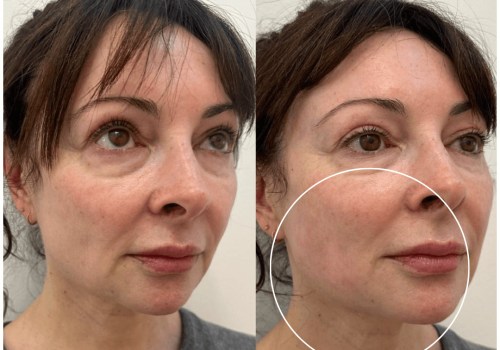
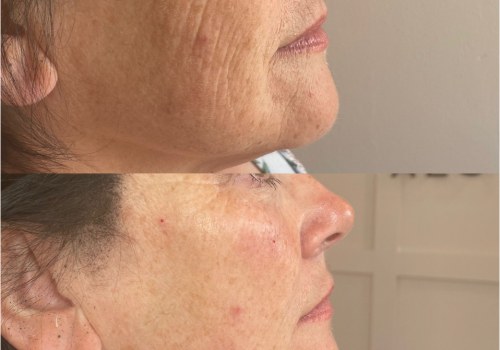
Polynucleotide treatments have gained significant attention in the realm of aesthetic medicine due to their remarkable ability to rejuvenate the skin. Patients often seek these treatments to address various skin concerns, including fine lines, wrinkles, and overall skin texture.Understanding the expected results from polynucleotide treatments can help set realistic expectations and enhance patient satisfaction.One of the primary outcomes of polynucleotide treatment is an improvement in skin texture. As the polynucleotides stimulate collagen and elastin production, patients typically notice a smoother and more refined skin surface. This enhancement is particularly beneficial for those with uneven skin tone or rough patches, as the treatment promotes a more uniform appearance.Another significant result is the restoration of skin elasticity. With age, the skin loses its natural firmness and suppleness.
Polynucleotide injections work at a cellular level to rejuvenate fibroblasts, which are responsible for producing collagen and elastin. As these proteins increase, patients often experience a noticeable lift and improved tightness in their skin.In terms of visible effects , many patients begin to see subtle improvements within two to three weeks post-treatment. However, it is essential to understand that the full benefits may take up to three months to manifest fully. This delayed response is due to the gradual nature of cellular regeneration stimulated by polynucleotides.
During this period, patients may notice a progressive enhancement in skin hydration, plumpness, and overall vitality.Moreover, polynucleotide treatments are not just limited to facial rejuvenation; they can also be effective in other areas such as the neck, décolleté, and even the scalp for hair restoration. The versatility of these treatments allows for targeted improvements across various regions of the body.To maximise results, it is often recommended that patients undergo a series of treatments spaced several weeks apart. This approach not only amplifies the regenerative effects but also ensures that the skin continues to respond positively over time. Regular maintenance sessions can further prolong the benefits achieved through initial treatments.In conclusion, polynucleotide treatments offer a comprehensive solution for those seeking to enhance their skin's appearance.
With improvements in texture, elasticity, and overall vitality becoming evident over time, these treatments represent a promising option for individuals looking to achieve natural-looking results without invasive procedures.
Benefits of Polynucleotide Treatments for Skin Health
Polynucleotide treatments offer a multitude of benefits that extend far beyond mere aesthetic enhancements. These treatments are particularly renowned for their ability to rejuvenate the skin, but their advantages encompass a range of physiological improvements that contribute to overall skin health.One of the most significant benefits of polynucleotide treatments is their role in wound healing. The polynucleotides stimulate the skin's natural repair mechanisms, promoting faster recovery from injuries and reducing the appearance of scars. This regenerative property is particularly beneficial for individuals with acne scars or other skin imperfections, as it encourages the skin to heal more effectively and uniformly.Additionally, polynucleotides possess remarkable antioxidant properties.They combat oxidative stress caused by free radicals, which can lead to premature aging and skin damage. By neutralising these harmful agents, polynucleotides help maintain a youthful appearance and protect the skin from environmental aggressors such as pollution and UV radiation.Moreover, polynucleotide treatments enhance skin hydration. By improving the skin's ability to retain moisture, these treatments contribute to a plumper and more radiant complexion. This is particularly advantageous for individuals suffering from dry or dehydrated skin, as it helps restore balance and vitality.The rejuvenation effects of polynucleotide treatments are not limited to surface-level improvements.
They also stimulate collagen and elastin production at a cellular level, which are essential proteins for maintaining skin elasticity and firmness. As we age, the natural decline of these proteins can lead to sagging skin and fine lines. By encouraging their synthesis, polynucleotides effectively counteract these signs of aging.Furthermore, polynucleotide treatments can be tailored to address specific concerns across various areas of the body. Whether targeting delicate regions such as the under-eye area or larger areas like the abdomen or thighs, these treatments provide versatile solutions for diverse skin issues.In summary, the benefits of polynucleotide treatments for skin health are extensive.
From enhancing wound healing and providing antioxidant protection to improving hydration and stimulating collagen production, these treatments represent a comprehensive approach to achieving healthier, more youthful-looking skin.
Polynucleotide Treatments vs. Other Skin Treatments
When considering skin rejuvenation options, it is essential to understand the differences between polynucleotide treatments and other popular methods such as dermal fillers and hyaluronic acid injections. Each treatment has its unique benefits and mechanisms, making them suitable for different skin concerns.Polynucleotides vs. Dermal Fillers
- Composition: Dermal fillers are typically made from substances like hyaluronic acid, which provides immediate volume and hydration.
In contrast, polynucleotides are derived from natural DNA fragments, specifically from salmon, which work at a cellular level to stimulate skin regeneration.
- Mechanism of Action: While dermal fillers provide instant results by adding volume to specific areas, polynucleotides promote long-term skin health by enhancing collagen and elastin production. This regenerative approach leads to gradual improvements in skin texture and elasticity over time.
- Longevity of Results: The effects of dermal fillers can last from six months to a year, depending on the product used and the area treated. In contrast, the results from polynucleotide treatments can last longer due to their ability to stimulate natural skin processes.
Comparison with Hyaluronic Acid Injections
- Hydration vs. Regeneration: Hyaluronic acid injections primarily focus on hydrating the skin and providing immediate plumpness.
Polynucleotides, however, not only hydrate but also encourage the skin's natural healing processes, leading to improved overall skin quality.
- Risk of Water Retention: One significant advantage of polynucleotide treatments over hyaluronic acid is that they do not cause water retention in the treated areas. This makes them particularly suitable for delicate areas like under the eyes, where excess fluid can lead to puffiness.
- Safety Profile: Both treatments are generally safe; however, polynucleotides have a lower risk of complications such as vascular occlusion since they disperse evenly without blocking blood vessels.
Advantages of Polynucleotide Treatments
- Natural Results: The gradual improvement in skin quality provided by polynucleotides leads to more natural-looking results compared to the sometimes artificial appearance that can occur with fillers.
- Versatility: Polynucleotide treatments can be used on various areas of the body, including sensitive regions like the neck and décolleté, making them a versatile option for comprehensive skin rejuvenation.
- Sustainability: Regular use of polynucleotides can help maintain youthful skin over time, making them an excellent long-term investment in skincare.
Who Can Benefit from Polynucleotide Treatments?
Polynucleotide treatments have emerged as a revolutionary option for individuals seeking to rejuvenate their skin and address various aesthetic concerns. However, understanding who can benefit from these treatments is crucial for ensuring optimal results. The suitability of polynucleotide therapy often hinges on several factors, including age, skin type, and specific skin issues.Age Considerations
While polynucleotide treatments can be beneficial for a wide range of age groups, they are particularly advantageous for individuals in their late 30s to early 60s.
This demographic typically begins to experience the visible signs of aging, such as:
- Fine lines and wrinkles
- Loss of skin elasticity
- Dullness and uneven skin tone
- Dehydration and dryness
Specific Skin Concerns
Candidates with particular skin issues are also prime candidates for polynucleotide therapy. These include:
- Acne Scarring: Individuals with post-acne scars may find that polynucleotides help improve skin texture and promote healing.
- Sun Damage: Those who have experienced significant sun exposure may benefit from the regenerative properties of polynucleotides, which can help restore a more even skin tone.
- Stretch Marks: Polynucleotides can aid in reducing the appearance of stretch marks by enhancing skin elasticity and promoting healing.
- Thinning Skin: As skin thins with age, polynucleotide treatments can help restore volume and firmness.
Suitability Criteria
Before undergoing polynucleotide treatment, it is essential to consult with a qualified professional who can assess individual needs. Factors such as overall health, skin type, and specific aesthetic goals will influence the suitability of this treatment.
Additionally, those with certain medical conditions or allergies should disclose this information during their consultation to ensure safety and efficacy.In summary, polynucleotide treatments are suitable for a diverse range of individuals, particularly those experiencing early to moderate signs of aging or specific skin concerns. By identifying the right candidates for this innovative treatment, practitioners can help clients achieve their desired outcomes effectively.
Potential Side Effects and Considerations
While polynucleotide treatments are generally considered safe and effective, it is essential to be aware of potential side effects and risks associated with the procedure. Understanding these factors can help patients make informed decisions and prepare adequately for their treatment.Common Side Effects
As with any injectable treatment, polynucleotide therapy may lead to some temporary side effects. These can include:- Swelling: Mild swelling at the injection site is common and usually subsides within a few days.
- Bruising: Some patients may experience bruising, particularly if they are prone to it.
This typically resolves within a week.
- Redness: Temporary redness around the injection area can occur but should diminish shortly after treatment.
- Itching or tenderness: Some individuals may feel slight itching or tenderness in the treated areas, which usually resolves quickly.
Less Common Risks
Although rare, there are some more serious risks associated with polynucleotide treatments:- Infection: As with any procedure that involves injections, there is a risk of infection. It is crucial to ensure that the treatment is performed in a sterile environment by a qualified professional.
- Allergic reactions: While allergies to polynucleotides are uncommon, some individuals may experience an allergic reaction. Symptoms can range from mild irritation to more severe reactions requiring medical attention.
- Nodules or lumps: In rare cases, patients may develop small nodules or lumps at the injection site, which can be addressed by a healthcare professional.
Post-Treatment Care
To ensure optimal results and minimise side effects following polynucleotide treatment, patients should adhere to specific post-treatment care guidelines:- Avoid strenuous activities: Refrain from intense exercise or activities that may increase blood flow to the face for at least 24 hours post-treatment.
- Keep the area clean: Gently cleanse the treated area with mild soap and water to prevent infection.
- Avoid sun exposure: Protect your skin from direct sunlight and avoid tanning beds for at least a week after treatment.
- No makeup: It is advisable to avoid applying makeup for at least 24 hours to allow the skin to heal properly.
Real Patient Experiences and Testimonials
Real patient experiences and testimonials provide invaluable insights into the effectiveness of polynucleotide treatments. Many individuals have shared their journeys, highlighting the transformative effects these treatments have had on their skin health and overall confidence.One patient, Sarah, a 45-year-old mother of two, sought polynucleotide treatment to address her concerns about fine lines and sagging skin.After a series of sessions, she reported, "I noticed a significant improvement in my skin texture within weeks. My friends even commented on how radiant I looked! The subtle lift and hydration made me feel rejuvenated without looking overdone." Sarah's experience underscores the natural results that can be achieved with polynucleotides.Another patient, Mark, who is in his early 50s, had been struggling with skin dullness and uneven tone. He decided to try polynucleotide injections after hearing about their regenerative properties. "I was sceptical at first, but after my treatment, I felt like I had turned back the clock.
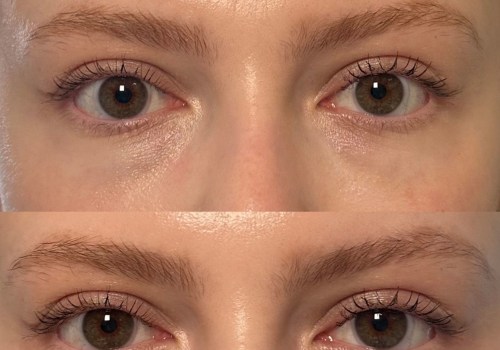
My skin feels firmer and more vibrant. It’s like I’ve rediscovered my youthful glow!" Mark's story illustrates how polynucleotides can effectively combat signs of ageing.Additionally, testimonials from patients who have undergone treatment for specific areas, such as under the eyes or neck, reveal similar satisfaction. Emily, a 38-year-old professional, shared her experience: "I had dark circles under my eyes that made me look tired all the time. After polynucleotide treatment, not only did the darkness diminish, but my skin also felt plumper and healthier.
I can’t believe the difference it has made!"These real-life stories highlight the versatility of polynucleotide treatments in addressing various skin concerns. Patients appreciate not only the visible improvements but also the boost in self-esteem that comes with enhanced skin quality. As more individuals share their positive outcomes, it becomes increasingly clear that polynucleotides offer a promising solution for those seeking effective and natural skin rejuvenation.
Conclusion: The Future of Skin Rejuvenation with Polynucleotides
As we conclude our exploration of polynucleotide treatments, it is evident that these innovative therapies represent a significant advancement in the field of skin rejuvenation. The ability of polynucleotides to stimulate cellular regeneration and enhance skin quality offers a natural and effective solution for those seeking to combat the visible signs of aging.Throughout this article, we have highlighted the multifaceted benefits of polynucleotide treatments, including their role in improving skin texture, reducing fine lines, and promoting a more even skin tone.By harnessing the power of highly purified DNA fragments derived from salmon, these treatments not only rejuvenate the skin but also support its overall health.One of the most compelling aspects of polynucleotide therapy is its versatility. Suitable for various areas of the body, including delicate regions such as under the eyes and the neck, polynucleotides can address multiple skin concerns without the risk of water retention associated with other injectables. This makes them an ideal choice for individuals looking for subtle yet impactful results.Moreover, the gradual nature of the results—often becoming most apparent after three months—allows for a more natural enhancement that aligns with the body's own healing processes. This characteristic sets polynucleotides apart from traditional dermal fillers, which provide immediate but often temporary results.As we look to the future, it is clear that polynucleotide treatments will continue to play a pivotal role in modern skincare regimens.
Their compatibility with other aesthetic procedures, such as laser therapy and microneedling, further enhances their appeal, allowing practitioners to create comprehensive treatment plans tailored to individual needs.In summary, polynucleotide treatments offer a promising avenue for those seeking effective and long-lasting solutions for skin rejuvenation. With their ability to stimulate collagen production and improve skin elasticity, these treatments not only restore youthful vitality but also empower individuals to embrace their natural beauty with confidence.