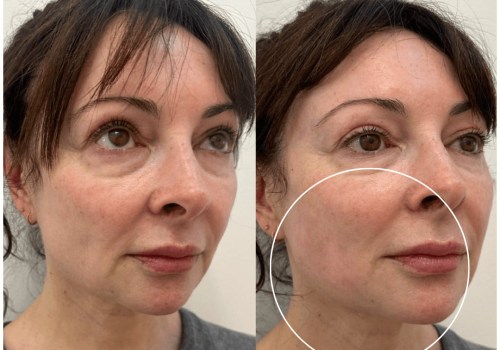
Polynucleotides are fascinating biomolecules that play a crucial role in the field of dermatology, particularly in skin rejuvenation and anti-aging treatments. Composed of long chains of nucleotides, which are the fundamental building blocks of DNA and RNA, these compounds are derived from natural sources, such as salmon sperm. Their unique structure allows them to interact with skin cells in a way that promotes healing and regeneration, making them an invaluable asset in modern skincare.The significance of polynucleotides extends beyond their basic composition; they possess remarkable properties that can enhance skin health and appearance. When injected into the skin, polynucleotides stimulate the production of collagen and elastin, two essential proteins that contribute to skin firmness and elasticity.
This stimulation not only helps to reduce the visibility of fine lines and wrinkles but also improves overall skin texture and tone. As a result, patients often experience a more youthful and vibrant complexion.Moreover, the benefits of polynucleotides are not limited to mere aesthetic improvements. They also exhibit potent antioxidant properties, which help combat oxidative stress caused by environmental factors such as UV radiation and pollution. By neutralising free radicals, polynucleotides protect skin cells from damage, thereby supporting long-term skin health.
Additionally, their wound-healing capabilities make them effective in treating various skin concerns, including scars and hyperpigmentation.In summary, polynucleotides represent a powerful tool in the arsenal of dermatological treatments. Their ability to enhance skin quality through natural processes makes them a preferred choice for those seeking non-invasive solutions to improve their appearance. As we delve deeper into the applications and advantages of polynucleotides in skincare, it becomes clear that they hold significant promise for anyone looking to rejuvenate their skin effectively.
The Science Behind Polynucleotides
Polynucleotides are remarkable biomolecules that play a crucial role in skin rejuvenation and repair. Their effectiveness stems from their unique structure and the biological functions they perform within the skin.At the core of their action is their ability to act as powerful antioxidants , which is essential in combating the signs of aging.As antioxidants, polynucleotides neutralise free radicals—unstable molecules that can cause cellular damage and accelerate the aging process. By scavenging these free radicals, polynucleotides help to protect skin cells from oxidative stress, which is a significant contributor to skin aging. This protective mechanism not only helps maintain the integrity of skin cells but also promotes a healthier, more youthful appearance.In addition to their antioxidant properties, polynucleotides are known for their wound healing capabilities. When injected into the skin, they stimulate the body’s natural healing processes.
This occurs through a series of biochemical signals that encourage fibroblasts—cells responsible for collagen production—to become more active. As a result, there is an increase in collagen and elastin synthesis, which are vital for maintaining skin structure and elasticity.The science behind polynucleotides also involves their role in enhancing the extracellular matrix (ECM). The ECM is a network of proteins and carbohydrates that provide structural support to tissues. By improving the composition and function of the ECM, polynucleotides contribute to firmer and more resilient skin.Furthermore, polynucleotides facilitate improved hydration levels within the skin.
They enhance moisture retention by attracting water molecules, leading to plumper and more hydrated skin. This hydration boost not only improves overall skin texture but also aids in reducing the appearance of fine lines and wrinkles.In summary, the science behind polynucleotides reveals their multifaceted role in skincare. Their antioxidant properties protect against oxidative damage, while their wound healing capabilities promote collagen production and enhance the extracellular matrix. Together, these mechanisms contribute significantly to skin rejuvenation, making polynucleotides a powerful ally in achieving a youthful complexion.
Benefits of Polynucleotide Treatments
Polynucleotide treatments have emerged as a revolutionary approach in the realm of aesthetic dermatology, offering a multitude of benefits that significantly enhance skin quality and appearance.One of the most notable advantages is their ability to promote skin tightening. As we age, our skin naturally loses elasticity and firmness due to a decrease in collagen production. Polynucleotides address this issue by stimulating the body’s own collagen synthesis, leading to a more toned and youthful appearance.In addition to tightening the skin, polynucleotide treatments also improve overall elasticity. This is crucial for maintaining a supple and resilient skin texture.
By enhancing the extracellular matrix, polynucleotides facilitate better hydration and support for skin cells, which contributes to a more vibrant complexion. Patients often report feeling a noticeable difference in their skin's texture shortly after treatment, with many experiencing long-lasting results.Furthermore, the role of polynucleotides in boosting collagen production cannot be overstated. Collagen is essential for maintaining skin structure and integrity. When polynucleotides are injected into the dermis, they trigger fibroblasts—cells responsible for collagen production—to generate new collagen fibres.
This process not only helps to fill in fine lines and wrinkles but also enhances the skin's overall firmness.Research has shown that patients who undergo polynucleotide treatments can expect gradual improvements over time, with optimal results typically visible within six months. This gradual enhancement is particularly appealing as it allows for a natural-looking rejuvenation without the abrupt changes often associated with other cosmetic procedures.Moreover, polynucleotide treatments are versatile and can be tailored to address various skin concerns, including sagging skin, uneven texture, and even scarring. Their regenerative properties make them suitable for different areas of the body, including delicate regions like the neck and under-eye areas.In summary, the benefits of polynucleotide treatments extend beyond mere aesthetics; they represent a holistic approach to skin rejuvenation that promotes long-term health and vitality. With their ability to tighten skin, improve elasticity, and enhance collagen production, polynucleotides are becoming an increasingly popular choice for those seeking effective non-invasive solutions for aging skin.
The Treatment Process: What to Expect
Undergoing a polynucleotide treatment can be an exciting step towards rejuvenating your skin.Understanding the treatment process and what to expect can help alleviate any concerns you may have.
Initial Consultation
The journey begins with an initial consultation with a qualified practitioner. During this appointment, your medical history will be reviewed, and your skin condition assessed. This is an opportunity for you to discuss your goals and expectations, allowing the practitioner to tailor the treatment plan specifically for you.
The Treatment Procedure
On the day of the treatment, the area to be treated will be thoroughly cleansed. A topical anaesthetic may be applied to minimise discomfort during the injection process.
The polynucleotide solution is then injected into the targeted areas using a fine needle. The procedure typically lasts between 30 to 60 minutes, depending on the extent of the treatment area.Patients often report feeling a slight pinch or pressure during the injections, but this is generally well-tolerated. The practitioner will ensure that you are comfortable throughout the process.
Post-Treatment Expectations
After the procedure, it is common to experience mild swelling, redness, or bruising at the injection sites. These effects usually subside within a few days.
Most patients can return to their normal activities immediately after treatment, making it a convenient option for those with busy schedules.
Recovery Time
The recovery time associated with polynucleotide treatments is minimal compared to more invasive procedures. While some individuals may experience slight discomfort or swelling, these symptoms typically resolve quickly. It is advisable to avoid strenuous exercise and direct sun exposure for at least 48 hours post-treatment to ensure optimal healing.
Long-Term Care
To maximise the benefits of your polynucleotide treatment, follow-up sessions may be recommended based on your individual needs. These sessions help maintain collagen production and skin elasticity over time.
Your practitioner will provide guidance on how often these sessions should occur.In summary, understanding the polynucleotide treatment process can empower you as a patient. With minimal downtime and effective results, this innovative approach offers a promising solution for those seeking to enhance their skin's appearance.
Long-Term Effects of Polynucleotide Treatments
The long-term effects of polynucleotide treatments on skin health are profound and multifaceted. Unlike many temporary solutions, polynucleotides offer sustained improvements that can significantly enhance the overall appearance and texture of the skin over time.One of the most notable long-term benefits is the gradual increase in collagen production. As polynucleotides stimulate fibroblasts, the skin's natural collagen synthesis is enhanced, leading to a firmer and more resilient skin structure.This process does not happen overnight; rather, it unfolds over several months, with many patients noticing significant changes around the six-month mark. The cumulative effect of this collagen boost results in a more youthful appearance that can last for an extended period.Moreover, polynucleotides contribute to improved skin hydration and elasticity. By enhancing the extracellular matrix, they help retain moisture within the skin, which is crucial for maintaining a plump and healthy complexion. This increased hydration not only combats dryness but also reduces the visibility of fine lines and wrinkles, making the skin appear smoother and more vibrant.Another critical aspect of polynucleotide treatments is their ability to address various skin concerns simultaneously.
For instance, they can effectively reduce the appearance of scars, hyperpigmentation, and signs of photoaging. As these treatments promote cellular regeneration, they help to fade discolouration and improve overall skin tone, leading to a more even complexion.In addition to aesthetic improvements, polynucleotides also play a role in enhancing skin health at a cellular level. By promoting better microcirculation and nutrient delivery to skin cells, they support overall skin vitality. This means that not only does the skin look better, but it also functions more effectively as a barrier against environmental stressors.It is essential to note that while polynucleotide treatments provide long-lasting results, they are not permanent solutions.
To maintain optimal results, periodic maintenance sessions are recommended. These follow-up treatments help sustain collagen levels and ensure that the skin continues to benefit from the regenerative properties of polynucleotides.In conclusion, the long-term effects of polynucleotide treatments extend beyond mere cosmetic enhancements. They foster a healthier skin environment that promotes ongoing improvements in texture and appearance. With consistent care and maintenance, individuals can enjoy sustained benefits that contribute to their overall confidence and well-being.
Comparing Polynucleotides with Other Treatments
When considering skin rejuvenation options, it is essential to understand how polynucleotides compare with other popular treatments, particularly hyaluronic acid fillers and various injectable solutions.Each treatment has its unique benefits and potential drawbacks, making it crucial for individuals to choose the right option based on their specific skin concerns.
Polynucleotides vs. Hyaluronic Acid
- Mechanism of Action: Polynucleotides work by stimulating the body’s natural healing processes, promoting collagen and elastin production, which leads to long-term skin improvement. In contrast, hyaluronic acid fillers primarily provide immediate volume and hydration by attracting moisture to the skin.
- Longevity of Results: The effects of polynucleotide treatments can last up to six months or longer as they encourage ongoing collagen synthesis. Hyaluronic acid fillers typically require touch-ups every six to twelve months, depending on the product used and individual metabolism.
- Skin Quality Improvement: While hyaluronic acid can enhance hydration and plumpness, polynucleotides offer a more comprehensive approach by improving overall skin texture, elasticity, and firmness through deeper tissue regeneration.
- Side Effects: Both treatments may cause mild swelling or bruising post-injection; however, polynucleotides are less likely to result in a puffy appearance compared to some hyaluronic acid fillers.
Comparison with Dermal Fillers
Dermal fillers encompass a broad range of products designed to restore volume and smooth out wrinkles.
While they can be effective for immediate results, they often do not address the underlying causes of skin aging. In contrast, polynucleotides focus on enhancing the skin's natural structure and resilience.
- Target Areas: Fillers are often used for specific areas such as lips or cheeks, while polynucleotides can be applied more broadly across the face and neck to improve overall skin quality.
- Reversibility: One significant difference is that dermal fillers can sometimes be dissolved if results are unsatisfactory. Polynucleotide treatments, however, are not reversible due to their biocompatible nature and the way they integrate into the skin.
Treatment Options for Aging Skin
The choice between polynucleotides, hyaluronic acid fillers, and other treatments should be guided by individual skin conditions and desired outcomes. For those seeking long-term improvements in skin quality without the need for frequent touch-ups, polynucleotides may be the ideal choice.
Conversely, individuals looking for immediate volume enhancement might prefer hyaluronic acid fillers.Ultimately, consulting with a qualified dermatologist or aesthetic practitioner can help determine the most suitable treatment plan tailored to individual needs and goals.
Polynucleotides for Specific Skin Concerns
Polynucleotides have emerged as a revolutionary treatment option for various skin concerns, particularly in the realms of scarring, stretch marks, and under-eye rejuvenation. Their unique properties not only promote healing but also enhance the overall appearance of the skin.Polynucleotides for Scars
Scarring can be a significant source of distress for many individuals, whether resulting from acne, surgery, or injury. Traditional treatments often fall short in delivering satisfactory results. However, polynucleotides offer a promising alternative.By injecting these biopolymers into the scarred area, they stimulate the body’s natural healing processes.
- Collagen Production: Polynucleotides encourage fibroblasts to produce new collagen, which is essential for skin repair. This leads to a gradual softening and flattening of scars.
- Improved Skin Texture: The regenerative properties of polynucleotides help to smooth out uneven skin texture associated with scars, resulting in a more uniform appearance.
- Hydration: By enhancing moisture retention in the skin, polynucleotides can improve the overall quality of scar tissue, making it less noticeable.
Treating Stretch Marks with Polynucleotides
Stretch marks are a common concern that can arise from rapid weight changes, pregnancy, or hormonal fluctuations. These marks often leave individuals feeling self-conscious about their skin. Polynucleotides can effectively address this issue by promoting skin elasticity and firmness.- Elasticity Enhancement: The stimulation of collagen and elastin production helps restore the skin's elasticity, making it more resilient against future stretching.
- Skin Tightening: As polynucleotides work to tighten the skin, they can significantly reduce the appearance of existing stretch marks.
- Long-Term Results: Regular treatments can lead to sustained improvements over time, making polynucleotides a valuable option for those seeking long-lasting solutions.
Under-Eye Rejuvenation
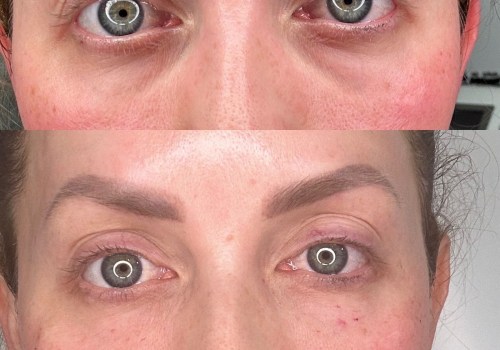
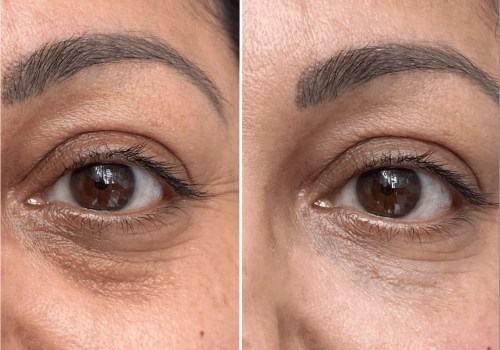
The delicate skin around the eyes is often one of the first areas to show signs of aging.Dark circles, puffiness, and fine lines can detract from a youthful appearance. Polynucleotides provide an effective means of rejuvenating this sensitive area.
- Deep Hydration: Polynucleotides enhance moisture levels in the under-eye region, combating dryness and improving overall texture.
- Smoothing Fine Lines: By stimulating collagen production, these treatments help to diminish fine lines and wrinkles around the eyes.
- Reducing Puffiness: The anti-inflammatory properties of polynucleotides can help alleviate puffiness and improve microcirculation in the area.
FAQs About Polynucleotides in Skincare
As the popularity of polynucleotide treatments continues to rise, many individuals have questions regarding their safety, effectiveness, and suitability. Below are some frequently asked questions that can help clarify common concerns and misconceptions about polynucleotides in skincare.What are polynucleotides?
Polynucleotides are biopolymers made up of long chains of nucleotides, which are the building blocks of DNA and RNA.In skincare, they are primarily derived from salmon sperm DNA and are used for their regenerative properties. These compounds work by stimulating collagen and elastin production, leading to improved skin texture and elasticity.
Are polynucleotide treatments safe?
Yes, polynucleotide treatments are generally considered safe when administered by qualified professionals. The injectable products undergo rigorous testing to ensure their purity and efficacy. However, as with any cosmetic procedure, there may be some risks involved, such as mild swelling or bruising at the injection site.It is essential to consult with a licensed practitioner who can assess your individual needs and medical history.
Who should consider polynucleotide treatments?
Polynucleotide treatments can be beneficial for a wide range of individuals, particularly those looking to address signs of aging such as wrinkles, sagging skin, and uneven texture. They are also suitable for those with scars or stretch marks who wish to improve their skin's overall appearance. However, it is crucial for potential candidates to have a thorough consultation with a dermatologist or aesthetic practitioner to determine if this treatment aligns with their skincare goals.How long do the results last?
The results from polynucleotide treatments can vary depending on individual skin conditions and the specific areas treated. Generally, patients may notice improvements in skin texture and firmness within a few weeks, with optimal results appearing around six months post-treatment.Maintenance sessions may be recommended to prolong the effects.
Can polynucleotides be combined with other treatments?
Absolutely! Many practitioners recommend combining polynucleotide treatments with other procedures such as dermal fillers or laser therapy for enhanced results. This combination approach can address multiple skin concerns simultaneously, providing a more comprehensive rejuvenation effect.In summary, understanding the fundamentals of polynucleotides and their applications in skincare can empower individuals to make informed decisions about their treatment options. Always seek professional advice tailored to your unique skin needs.Conclusion: The Future of Skin Rejuvenation with Polynucleotides
As we look towards the future of skin rejuvenation, it is clear that polynucleotides are set to play a pivotal role in transforming skincare treatments. Their unique properties not only address the visible signs of aging but also enhance the skin's overall health and resilience.The ability of polynucleotides to stimulate collagen and elastin production offers a promising avenue for those seeking long-lasting results without the need for invasive procedures.Throughout this article, we have explored the multifaceted benefits of polynucleotides, from their antioxidant capabilities to their role in wound healing and skin regeneration. These injectable treatments have demonstrated significant efficacy in reducing wrinkles, improving skin texture, and enhancing hydration levels. As more individuals become aware of these advantages, the demand for polynucleotide-based therapies is likely to increase.Moreover, the non-invasive nature of polynucleotide treatments makes them an attractive option for a wide range of patients. Unlike traditional dermal fillers, which can sometimes lead to undesirable outcomes such as puffiness, polynucleotides offer a more natural approach to skin rejuvenation.
This is particularly important in an era where consumers are increasingly seeking treatments that align with their desire for natural beauty.Looking ahead, ongoing research into the applications of polynucleotides will undoubtedly uncover even more benefits. As scientists continue to explore their regenerative properties, we may see advancements that further enhance their effectiveness in treating various skin concerns, including hyperpigmentation and scarring.In conclusion, the future of skincare is bright with the integration of polynucleotides into treatment protocols. Their ability to improve skin quality while promoting a youthful appearance positions them as a cornerstone in modern dermatology. As we embrace these innovative solutions, it is essential for both practitioners and patients to stay informed about the latest developments in this exciting field.