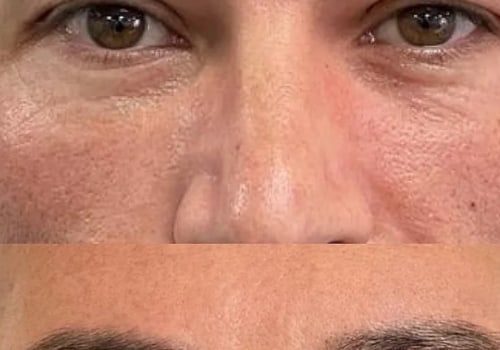
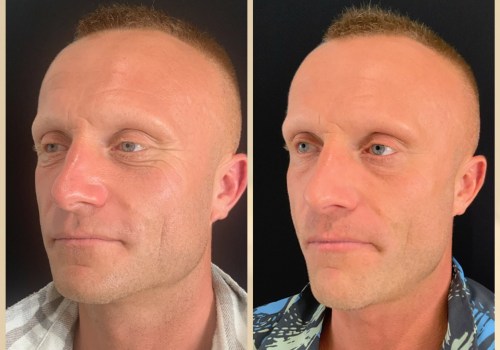
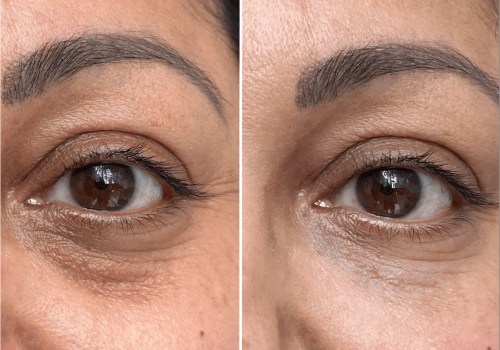
Polynucleotide treatments have emerged as a revolutionary approach in the realm of skin rejuvenation, offering a unique solution for those seeking to enhance their skin's appearance and health. These treatments harness the power of polynucleotides, which are naturally occurring molecules that play a crucial role in cellular function and regeneration. By stimulating the body’s own healing processes, polynucleotides not only improve skin texture and hydration but also promote collagen and elastin production, essential components for youthful and resilient skin.Understanding the timeline for results from polynucleotide treatments is vital for potential patients. Unlike traditional dermal fillers that provide immediate volume and contour, the effects of polynucleotides unfold gradually as they work at a cellular level.
This means that while some improvements may be noticeable within weeks, the full benefits typically manifest over several months. This gradual enhancement allows for a more natural transition in appearance, making it an appealing option for those wary of sudden changes.The significance of polynucleotide treatments extends beyond mere aesthetics; they offer a multifaceted approach to skin health. Patients can expect not only visible improvements in fine lines and wrinkles but also enhanced hydration and elasticity. Furthermore, these treatments can address various skin concerns such as rosacea, dark circles, and even stretch marks, making them versatile in their application.
As we delve deeper into the specifics of how long it takes for polynucleotides to work and the myriad benefits they provide, it becomes clear that this innovative treatment is paving the way for a new era in skincare.
What Are Polynucleotides?
Polynucleotides are naturally occurring biopolymers composed of nucleotide sequences, which are the building blocks of DNA and RNA. In the context of skincare, polynucleotides are derived from salmon sperm DNA, making them a unique and potent ingredient in various cosmetic treatments. Unlike traditional skin treatments that primarily focus on hydration or volumization, polynucleotides work at a cellular level to stimulate the skin's natural regenerative processes.One of the defining characteristics of polynucleotides is their ability to enhance cellular communication. They act as signalling molecules that promote the production of collagen and elastin, essential proteins that contribute to skin elasticity and firmness.This mechanism sets them apart from other injectables, such as hyaluronic acid fillers, which primarily provide immediate volume and hydration without directly influencing the skin's structural integrity over time.The benefits of polynucleotides extend beyond mere hydration. They possess remarkable anti-inflammatory properties, making them effective in treating various skin conditions, including rosacea and acne scars. By reducing inflammation, polynucleotides help create an optimal environment for skin healing and rejuvenation.
- Enhanced Skin Texture: Regular use of polynucleotide treatments can lead to smoother and more refined skin texture.
- Improved Hydration: Polynucleotides help retain moisture within the skin, leading to a plumper appearance.
- Collagen Stimulation: They significantly boost collagen production, which is crucial for maintaining youthful skin.
- Reduction of Fine Lines: Over time, polynucleotide treatments can diminish the appearance of fine lines and wrinkles.
- Long-lasting Results: The effects of polynucleotide treatments can last several months, making them a cost-effective option for skin rejuvenation.
As more individuals seek effective non-invasive treatments for skin rejuvenation, polynucleotides are becoming an increasingly popular choice among dermatologists and aesthetic practitioners alike.
How Do Polynucleotide Treatments Work?
Polynucleotide treatments operate through a sophisticated mechanism that targets the skin at a cellular level, promoting rejuvenation and enhancing overall skin quality. The primary component of these treatments is polynucleotides, which are naturally occurring molecules derived from salmon sperm DNA. This unique source provides a rich array of benefits that contribute to skin health.When injected into the skin, polynucleotides stimulate fibroblasts, the cells responsible for producing collagen and elastin. These proteins are essential for maintaining skin structure, elasticity, and hydration.The introduction of polynucleotides triggers a biological response that encourages the body to regenerate and repair itself. This process is akin to providing a nutrient-rich environment for the skin cells, allowing them to thrive and function optimally.One of the key mechanisms by which polynucleotides work is through their ability to enhance the extracellular matrix (ECM). The ECM is a complex network of proteins and carbohydrates that provide structural support to cells. By improving the ECM, polynucleotides help to create a more resilient skin barrier, which can lead to improved hydration levels and reduced signs of aging.Moreover, polynucleotides possess anti-inflammatory properties that can alleviate redness and irritation in the skin.
This is particularly beneficial for individuals suffering from conditions such as rosacea or sensitive skin. By reducing inflammation, polynucleotides not only improve the appearance of the skin but also promote a healthier environment for cellular regeneration.In addition to stimulating collagen production, polynucleotides also enhance microcirculation within the skin. Improved blood flow ensures that essential nutrients and oxygen are delivered more effectively to skin cells, further supporting their health and vitality. This increased circulation can lead to a more radiant complexion and an overall improvement in skin tone.In summary, the effectiveness of polynucleotide treatments lies in their multifaceted approach to skin rejuvenation.
By stimulating collagen and elastin production, enhancing the extracellular matrix, reducing inflammation, and improving microcirculation, these treatments offer a comprehensive solution for those seeking to enhance their skin quality and combat signs of aging.
Expected Timeline for Results from Polynucleotide Treatments
When considering polynucleotide treatments, understanding the expected timeline for results is crucial for managing patient expectations. While individual experiences may vary, a general pattern emerges regarding when patients can anticipate seeing improvements in their skin condition.Initially, many patients report noticing subtle changes within just a few weeks following their first treatment session. These early signs often include enhanced skin hydration and a slight improvement in texture. This initial response is primarily due to the polynucleotides' ability to stimulate cellular activity, which begins almost immediately after injection.However, the most significant transformations typically become evident around the 12-week mark.During this period, patients often experience:
- Smoother skin texture: The stimulation of collagen and elastin production leads to a more refined surface.
- Increased radiance: Enhanced hydration levels contribute to a healthier, more luminous complexion.
- Reduction in fine lines: As the skin becomes firmer and more elastic, the appearance of wrinkles diminishes.
Patients should remain patient and committed to their treatment plan to fully appreciate the benefits of this innovative skincare solution.
Factors Influencing the Effectiveness of Polynucleotide Treatments
The effectiveness of polynucleotide treatments can vary significantly from person to person, influenced by a range of factors that determine how quickly and effectively the results manifest. Understanding these factors is crucial for setting realistic expectations and achieving optimal outcomes.Individual Skin Types
One of the primary factors affecting the results of polynucleotide treatments is the individual’s skin type. Different skin types—such as oily, dry, combination, or sensitive—react differently to treatments. For instance, individuals with dry skin may experience quicker hydration and improvement in texture due to the moisture-retaining properties of polynucleotides.Conversely, those with oily skin might notice a slower response as their skin's natural oil production can interfere with the absorption of the treatment.
Age and Skin Condition
Age also plays a significant role in how effectively polynucleotide treatments work. Younger individuals often have more resilient skin that responds rapidly to collagen-stimulating treatments. In contrast, older patients may require more sessions to achieve similar results due to decreased cellular activity and slower regeneration processes. Additionally, pre-existing skin conditions such as rosacea or acne can affect treatment outcomes, necessitating tailored approaches for each individual.Treatment Frequency
The frequency of treatments is another critical factor influencing results.While some patients may see improvements after a single session, others might require multiple treatments spaced out over several weeks to achieve their desired outcomes. Regular sessions can enhance collagen production and prolong the benefits of the treatment. It is generally recommended to follow a structured treatment plan that aligns with individual skin needs and goals.
Product Variations
Not all polynucleotide products are created equal; variations in formulation can lead to different results. Some products may contain additional ingredients designed to enhance efficacy or target specific skin concerns more effectively.Consulting with a qualified practitioner can help determine which product is best suited for your unique skin type and desired results.In summary, the timeline for seeing results from polynucleotide treatments is influenced by individual skin types, age, existing skin conditions, treatment frequency, and product variations. By understanding these factors, patients can better navigate their treatment journey and achieve optimal skin rejuvenation outcomes.
Comparing Polynucleotides with Other Injectable Treatments
When considering injectable treatments for skin rejuvenation, it is essential to understand the differences between polynucleotides and other popular options, particularly hyaluronic acid fillers. While both treatments aim to enhance skin quality, their mechanisms and long-term benefits vary significantly.Hyaluronic Acid Fillers
- Immediate Results: Hyaluronic acid fillers provide instant volume and hydration, making them a popular choice for those seeking quick aesthetic improvements. Patients often notice a plumper appearance immediately after treatment.
- Temporary Effects: The results from hyaluronic acid fillers typically last between six to twelve months, depending on the area treated and the specific product used.
This necessitates regular maintenance sessions to sustain the desired look.
- Volume Enhancement: These fillers are primarily designed to add volume to specific areas of the face, such as cheeks, lips, and nasolabial folds, offering a more contoured appearance.
Polynucleotides: A Deeper Approach
- Cellular Regeneration: Unlike hyaluronic acid fillers that focus on immediate volume, polynucleotides work at a cellular level. They stimulate collagen and elastin production, promoting long-term skin health and rejuvenation.
- Sustained Benefits: The effects of polynucleotide treatments may take several weeks to fully manifest, but they can last up to six months or longer with proper maintenance. This gradual improvement leads to healthier skin over time.
- Multi-faceted Treatment: Polynucleotides not only hydrate the skin but also improve its elasticity and texture. They are particularly effective in treating issues like fine lines, wrinkles, and overall skin laxity.
By focusing on long-term cellular health, polynucleotides offer a holistic approach to skin rejuvenation that can lead to more sustainable results.In conclusion, while hyaluronic acid fillers are excellent for immediate aesthetic enhancements, polynucleotides provide a deeper, more enduring solution for those looking to improve their skin's overall quality and resilience. Understanding these differences can help individuals make informed decisions about their skincare treatments.
Potential Side Effects and Considerations
As with any cosmetic treatment, understanding the potential side effects and considerations associated with polynucleotide treatments is crucial for anyone considering this option. While many patients experience positive outcomes, it is essential to be aware of what to expect post-treatment and any risks involved.Common Side Effects
- Redness and Swelling: It is common for the treated area to exhibit some redness and swelling immediately after the procedure. This reaction typically subsides within a few hours to a day.
- Bruising: Some patients may experience bruising at the injection sites.
This can vary in severity and usually resolves within a week.
- Pain or Discomfort: Mild pain or discomfort may occur during and after the treatment. This is generally manageable with over-the-counter pain relief.
- Itching or Sensitivity: Some individuals may notice temporary itching or heightened sensitivity in the treated area, which usually diminishes quickly.
Less Common Risks
- Infection: Although rare, there is a risk of infection at the injection sites. It is vital to follow post-treatment care instructions to minimise this risk.
- Allergic Reactions: Some patients may have an allergic reaction to the components of the polynucleotide solution, particularly if they have sensitivities to fish-derived products.
- Nodules or Lumps: In some cases, small nodules or lumps may form under the skin at the injection site. These are usually temporary but should be monitored by a healthcare professional.
What to Expect After Treatment
Post-treatment care is essential for achieving optimal results and minimising side effects.
Patients are advised to avoid strenuous exercise, excessive sun exposure, and alcohol consumption for at least 24 hours following the procedure. Additionally, applying a cold compress can help alleviate swelling and discomfort.It is also important to maintain realistic expectations regarding the results of polynucleotide treatments. While some improvements in skin texture and hydration may be noticeable within a few weeks, full effects typically manifest over several months as collagen production increases. Regular follow-up appointments can help assess progress and determine if maintenance treatments are necessary.In conclusion, while polynucleotide treatments offer promising benefits for skin rejuvenation, being informed about potential side effects and adhering to post-treatment guidelines can significantly enhance the overall experience and results.
Maintenance Treatments: Keeping Your Skin Youthful
After undergoing initial polynucleotide treatment, many patients are eager to maintain the youthful glow and improved skin quality they have achieved.To ensure that the benefits of polynucleotide therapy last, it is essential to incorporate maintenance treatments into your skincare routine.
Understanding Maintenance Treatments
Maintenance treatments are follow-up sessions designed to prolong the effects of the initial polynucleotide injections. While the initial treatment can yield noticeable improvements in skin texture, hydration, and elasticity within a few weeks, these results can diminish over time as natural aging processes continue. Therefore, scheduling regular maintenance sessions is crucial for sustaining optimal skin health.
How Often Should You Get Polynucleotide Injections?
The frequency of maintenance treatments can vary based on individual skin conditions and goals. Generally, it is recommended to have a maintenance session every 6 months following the initial treatment.
This timeframe allows for the gradual replenishment of collagen and elastin levels in the skin, ensuring that the rejuvenating effects remain prominent.Some patients may benefit from more frequent sessions, particularly if they have specific concerns such as significant skin laxity or chronic dryness. In such cases, a treatment every 3 to 4 months may be advisable. Consulting with a qualified practitioner will help determine the best schedule tailored to your unique needs.
Prolonging Results from Polynucleotides
To maximise the longevity of your results from polynucleotide treatments, consider integrating complementary skincare practices into your daily routine:
- Hydration: Keeping your skin well-hydrated is vital. Use moisturisers that contain hyaluronic acid or other hydrating ingredients to support your skin's moisture barrier.
- Sun Protection: Protecting your skin from UV damage is crucial.
Apply a broad-spectrum sunscreen daily to prevent premature aging and maintain the results of your treatment.
- Avoid Smoking: Smoking can accelerate skin aging and diminish the effects of polynucleotide treatments. Quitting smoking can significantly improve overall skin health.
- Healthy Diet: A balanced diet rich in antioxidants, vitamins, and minerals can support skin health from within. Foods high in omega-3 fatty acids, such as fish and nuts, are particularly beneficial.
Frequently Asked Questions About Polynucleotide Treatments
Polynucleotide treatments have gained significant attention in the realm of aesthetic medicine, yet many potential patients still have questions and misconceptions about this innovative approach.Below, we address some of the most frequently asked questions regarding polynucleotides to help clarify any doubts.
What are polynucleotides?
Polynucleotides are naturally occurring molecules that play a crucial role in cellular functions. In aesthetic treatments, they are derived from salmon sperm DNA and are known for their ability to stimulate collagen and elastin production in the skin. This makes them particularly effective for improving skin texture, hydration, and overall quality.How long does it take to see results from polynucleotide treatments?
While some improvements may be noticeable within a few weeks, the full effects of polynucleotide treatments typically manifest over a period of 3 to 4 months. Patients often report significant enhancements in skin smoothness and hydration around the 12-week mark.It is important to note that individual results can vary based on factors such as skin type and the specific concerns being addressed.
Are there any side effects associated with polynucleotide injections?
As with any injectable treatment, there can be side effects. Commonly reported reactions include mild redness, swelling, or bruising at the injection site. These effects are usually temporary and resolve within a few hours to a couple of days. Serious complications are rare when the procedure is performed by a qualified professional.Can polynucleotides be combined with other treatments?
Yes, polynucleotide treatments can be effectively combined with other aesthetic procedures, such as dermal fillers or Botox.This combination can enhance overall results by addressing multiple skin concerns simultaneously. However, it is essential to consult with a qualified practitioner to develop a tailored treatment plan that meets your specific needs.
Are polynucleotide treatments suitable for everyone?
While many individuals can benefit from polynucleotide treatments, those with specific allergies—particularly to fish—should exercise caution due to the treatment's derivation from salmon DNA. A thorough consultation with a healthcare provider is crucial to determine if this treatment is appropriate for you.In summary, understanding the nuances of polynucleotide treatments can help potential patients make informed decisions about their skincare options. If you have further questions or concerns, it is advisable to seek guidance from a qualified aesthetic practitioner who can provide personalised advice based on your unique skin needs.Conclusion: The Path to Radiant Skin with Polynucleotides
In conclusion, the journey towards achieving radiant and youthful skin through polynucleotide treatments is both promising and transformative.As we have explored throughout this article, these innovative injectable therapies offer a multitude of benefits that extend beyond mere hydration. They actively stimulate the skin's natural processes, promoting collagen and elastin production, which are essential for maintaining skin elasticity and firmness.The timeline for seeing results from polynucleotide treatments is notably favourable. Many patients report noticeable improvements in skin texture and hydration within just a few weeks following their initial treatment. However, the most significant changes typically manifest over a period of three to four months, as the body gradually rebuilds its collagen matrix and enhances overall skin quality.
This gradual yet effective approach ensures that the results are not only visible but also sustainable.Moreover, the versatility of polynucleotides makes them suitable for a wide range of skin concerns, from fine lines and wrinkles to more complex issues such as rosacea and hyperpigmentation. Their ability to improve microcirculation and deeply moisturise the skin sets them apart from traditional fillers, making them an excellent choice for those seeking a holistic approach to skin rejuvenation.As with any cosmetic treatment, it is crucial to consult with a qualified professional who can tailor a treatment plan to your specific needs. This personalised approach not only maximises the effectiveness of the treatment but also ensures that realistic expectations are set regarding outcomes.In summary, if you are considering options for enhancing your skin's appearance and health, polynucleotide treatments present a compelling solution. With their ability to rejuvenate the skin from within, they offer a pathway to achieving not just temporary improvements but long-lasting results that can significantly enhance your confidence and overall well-being.