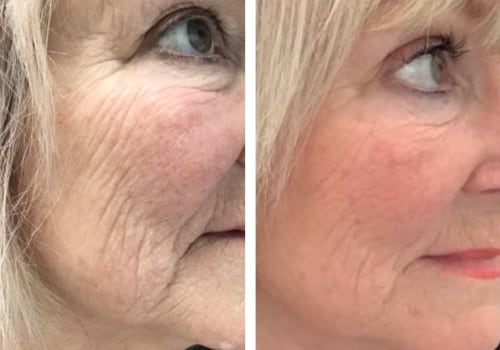
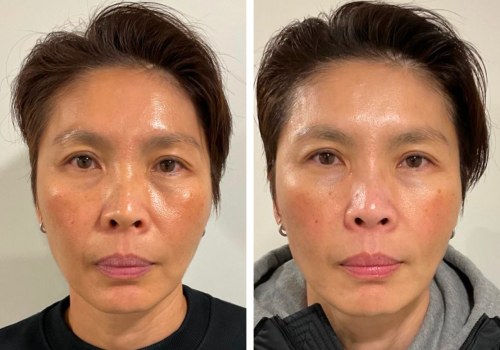
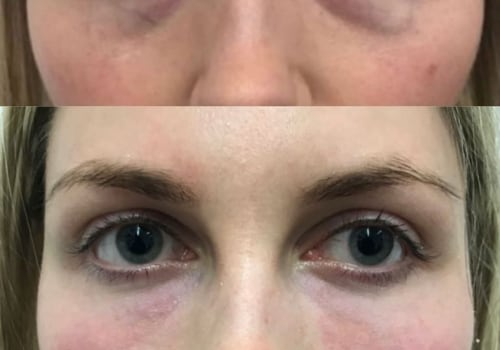
In the realm of aesthetic medicine , the quest for youthful, vibrant skin has led to the exploration of various innovative treatments. Among these, polynucleotides have emerged as a groundbreaking solution, capturing the attention of both practitioners and patients alike. These naturally occurring molecules play a pivotal role in cellular processes, particularly in the stimulation of collagen production , which is essential for maintaining skin elasticity and firmness. As we age, our body’s ability to produce collagen diminishes, leading to visible signs of aging such as wrinkles and sagging skin.
This is where polynucleotide treatments come into play, offering a scientifically-backed method to rejuvenate the skin.Polynucleotides are derived from nucleic acids, which are fundamental components of all living cells. Their unique properties allow them to interact with skin cells in a way that promotes healing and regeneration. When injected into the skin, they stimulate fibroblasts—the cells responsible for collagen synthesis—thereby enhancing the skin's overall texture and appearance. This mechanism not only aids in reducing fine lines and wrinkles but also improves hydration levels, resulting in a more youthful complexion.The significance of polynucleotides in aesthetic medicine cannot be overstated.
They represent a shift towards more natural and effective treatments that align with the body’s own healing processes. Unlike traditional dermal fillers that merely add volume, polynucleotide treatments work at a cellular level to restore the skin’s vitality from within. This holistic approach not only addresses immediate cosmetic concerns but also contributes to long-term skin health.As we delve deeper into the science behind polynucleotide treatments, it becomes evident that their benefits extend beyond mere aesthetics. They offer a comprehensive solution for individuals seeking to enhance their appearance while promoting overall skin wellness.
Understanding how these remarkable molecules function will illuminate their potential in transforming aesthetic practices and improving patient outcomes.
What Are Polynucleotides?
Polynucleotides are essential biomolecules composed of long chains of nucleotides, which are the building blocks of DNA and RNA. These molecules play a crucial role in various biological processes, including the regulation of gene expression and the synthesis of proteins. In the context of aesthetic medicine, polynucleotides have gained significant attention for their ability to enhance skin health and rejuvenation.Types of Polynucleotides
- Deoxyribonucleic Acid (DNA): This type of polynucleotide is primarily responsible for storing and transmitting genetic information. In aesthetic treatments, DNA-derived polynucleotides can help stimulate cellular repair and regeneration.
- Ribonucleic Acid (RNA): RNA plays a vital role in translating genetic information into proteins.
Certain RNA polynucleotides are involved in cellular communication and can aid in skin healing processes.
- Modified Polynucleotides: These are synthetic or naturally derived polynucleotides that have been altered to enhance their stability and efficacy in therapeutic applications. They are often used in skin treatments to promote collagen production and improve skin elasticity.
How Polynucleotides Work
At a cellular level, polynucleotides function by interacting with skin cells to promote various regenerative processes. When injected into the skin, they stimulate fibroblasts—cells responsible for producing collagen and elastin. This stimulation leads to:
- Increased Collagen Production: Collagen is a vital protein that provides structure and firmness to the skin.
By enhancing collagen synthesis, polynucleotides help reduce the appearance of fine lines and wrinkles.
- Improved Skin Elasticity: The presence of elastin, another key protein, is crucial for maintaining skin elasticity. Polynucleotides encourage elastin production, resulting in firmer and more resilient skin.
- Enhanced Hydration: Polynucleotides have hydrophilic properties, meaning they attract water molecules. This characteristic helps maintain skin hydration levels, contributing to a plump and youthful appearance.
The Mechanism of Action: How Polynucleotides Stimulate Skin Rejuvenation
Polynucleotide treatments have gained significant attention in the realm of aesthetic medicine, primarily due to their remarkable ability to rejuvenate the skin. The underlying mechanism of action of these treatments is rooted in their capacity to stimulate the body’s natural processes for producing essential proteins, namely collagen and elastin.When polynucleotides are injected into the skin, they act as a catalyst for cellular activity.This process begins with the introduction of these nucleic acid-based compounds, which are recognised by the body as vital components for cellular repair and regeneration. As a result, fibroblasts—cells responsible for synthesising collagen and elastin—are activated. This activation leads to an increase in the production of these proteins, which are crucial for maintaining skin structure and elasticity.
Collagen
, a fibrous protein, provides strength and support to the skin. It forms a scaffold that helps maintain the skin's firmness and resilience.
As we age, collagen production naturally declines, leading to sagging skin and the formation of wrinkles. By stimulating collagen synthesis, polynucleotide treatments help restore this vital protein, resulting in improved skin texture and reduced signs of ageing.
Elastin
, on the other hand, is responsible for the skin's elasticity. It allows the skin to stretch and bounce back after being pulled or compressed. Similar to collagen, elastin levels decrease with age, contributing to a loss of firmness and an increase in fine lines.
The stimulation of elastin production through polynucleotide treatments not only enhances skin elasticity but also contributes to a more youthful appearance.The overall skin rejuvenation process initiated by polynucleotides is multifaceted. Initially, patients may notice immediate improvements in hydration and volume due to the hyaluronic acid component often included in these treatments. However, the true benefits unfold over several weeks as collagen and elastin levels rise. This gradual enhancement leads to smoother, firmer skin that appears revitalised.Moreover, polynucleotides also possess anti-inflammatory properties that can further aid in skin healing and recovery. initiated by polynucleotides is multifaceted. Initially, patients may notice immediate improvements in hydration and volume due to the hyaluronic acid component often included in these treatments. However, the true benefits unfold over several weeks as collagen and elastin levels rise. This gradual enhancement leads to smoother, firmer skin that appears revitalised.Moreover, polynucleotides also possess anti-inflammatory properties that can further aid in skin healing and recovery.
By reducing inflammation at the injection site, they help minimise downtime and promote a more comfortable treatment experience.In summary, the mechanism by which polynucleotides stimulate skin rejuvenation is a sophisticated interplay of biological processes that enhance collagen and elastin production. This not only improves skin texture and elasticity but also contributes to a more youthful appearance overall.
Benefits of Polynucleotide Treatments for Skin Health
Polynucleotide treatments have emerged as a revolutionary approach in aesthetic medicine, offering a multitude of benefits for skin health. These treatments harness the power of polynucleotides, which are naturally occurring molecules that play a crucial role in cellular regeneration and repair. Below, we explore the key advantages of polynucleotide treatments, particularly focusing on their impact on skin texture, hydration, and overall appearance.Improvement in Skin Texture
One of the most significant benefits of polynucleotide treatments is their ability to enhance skin texture.As we age, our skin undergoes various changes, including a decrease in collagen and elastin production. This can lead to roughness, uneven tone, and the appearance of fine lines. Polynucleotides stimulate the body’s natural healing processes, promoting collagen synthesis and improving skin elasticity. As a result, patients often notice:
- Smoother skin surface
- Reduced appearance of fine lines and wrinkles
- Improved overall skin tone and radiance
Enhanced Hydration Levels
Another remarkable benefit of polynucleotide treatments is their hydrating effect on the skin.Polynucleotides have a unique ability to attract and retain moisture within the skin layers. This is particularly beneficial for individuals with dry or dehydrated skin, as it helps to:
- Restore moisture balance
- Enhance skin plumpness and suppleness
- Reduce dryness-related irritation and flakiness
Overall Appearance Enhancement
The cumulative effects of improved texture and hydration lead to a more youthful and vibrant appearance. Patients often report feeling more confident in their skin after undergoing polynucleotide treatments. The revitalised look can be attributed to:- A more youthful glow
- Increased firmness and elasticity
- A reduction in visible signs of ageing
By improving texture, boosting hydration levels, and enhancing overall appearance, these treatments provide a multifaceted approach to skincare that addresses both immediate concerns and long-term benefits.
Expected Longevity of Results from Polynucleotide Treatments
When considering polynucleotide treatments, one of the most frequently asked questions pertains to the longevity of the results. Typically, patients can expect the effects of these treatments to last between six to twelve months, depending on various factors. Understanding these factors can help individuals make informed decisions about their treatment plans and maintenance schedules.Factors Influencing Treatment Longevity
- Individual Skin Type:Individual Skin Type: Each person's skin responds differently to treatments. Factors such as age, skin elasticity, and overall skin health can significantly influence how long the results last.
- Treatment Area: The specific area being treated also plays a crucial role.
For instance, areas with thinner skin may show results that diminish more quickly compared to thicker-skinned regions.
- Post-Treatment Care: Adhering to post-treatment care instructions is vital. Proper skincare routines and sun protection can enhance the longevity of results.
- Lifestyle Factors: Habits such as smoking, excessive alcohol consumption, and poor diet can negatively impact skin health and, consequently, the durability of treatment outcomes.
Recommended Maintenance Schedule
To maintain optimal results from polynucleotide treatments, a structured maintenance schedule is advisable. After the initial treatment course, which typically consists of two to three sessions spaced two to three weeks apart, patients are encouraged to schedule follow-up sessions every six to nine months. This approach not only helps in sustaining the rejuvenating effects but also allows for adjustments based on individual progress and skin response.In conclusion, while the results from polynucleotide treatments can be long-lasting, they are influenced by a variety of factors.
By understanding these elements and adhering to a recommended maintenance schedule, patients can maximise their treatment outcomes and enjoy rejuvenated skin for an extended period.
Comparing Polynucleotide Treatments with Other Aesthetic Procedures
In the realm of aesthetic treatments, polynucleotides have emerged as a compelling alternative to traditional options such as dermal fillers and anti-wrinkle injections. Understanding the distinctions between these treatments is crucial for individuals seeking effective solutions for skin rejuvenation.Polynucleotides vs Dermal Fillers
- Mechanism of Action: Dermal fillers primarily work by adding volume to specific areas of the face, effectively plumping up wrinkles and enhancing contours. In contrast, polynucleotide treatments stimulate the body’s natural production of collagen and elastin, promoting long-term skin health and elasticity.
- Longevity of Results: While dermal fillers typically last between 6 to 12 months, the effects of polynucleotide treatments can extend beyond a year, depending on individual factors such as skin type and lifestyle. This longevity makes polynucleotides an attractive option for those seeking sustained results.
- Natural Appearance: One of the significant advantages of polynucleotide treatments is their ability to enhance skin quality without altering facial structure.
Patients often report a more natural look compared to the sometimes artificial appearance that can result from excessive filler use.
Aesthetic Treatment Comparison
When comparing various non-surgical options, it is essential to consider not only the immediate effects but also the long-term benefits:
- Safety Profile: Both polynucleotides and dermal fillers are generally safe; however, polynucleotides are less likely to cause adverse reactions since they utilise naturally occurring substances in the body.
- Recovery Time: Treatments with polynucleotides typically involve minimal downtime, with most patients returning to their daily activities shortly after the procedure. In contrast, some dermal filler procedures may result in swelling or bruising that can take longer to resolve.
- Combination Treatments: For optimal results, many practitioners recommend combining polynucleotide treatments with other non-surgical options like laser therapy or anti-wrinkle injections. This synergistic approach can enhance overall skin rejuvenation and address multiple concerns simultaneously.
Potential Side Effects and Considerations for Patients
While polynucleotide treatments offer numerous benefits for skin rejuvenation, it is essential for patients to be aware of potential side effects and considerations to ensure a safe and effective experience.Understanding these factors can help mitigate risks and enhance the overall outcome of the treatment.
Common Side Effects
As with any aesthetic procedure, polynucleotide treatments may come with some side effects. The most frequently reported include:- Mild Swelling: Patients may experience temporary swelling at the injection sites, which typically resolves within a few days.
- Bruising: Some individuals may notice bruising, particularly in sensitive areas. This is usually minor and fades quickly.
- Redness: Redness around the injection sites is common but should diminish shortly after the procedure.
- Itching or Tenderness: Some patients report mild itching or tenderness in the treated areas, which generally subsides within a week.
Rare but Serious Side Effects
Although rare, there are potential serious side effects that patients should be aware of:- Infection: As with any injection, there is a risk of infection. It is crucial to follow post-treatment care instructions to minimise this risk.
- Allergic Reactions: Some individuals may have an allergic reaction to the components of the treatment.
Symptoms can include severe swelling, rash, or difficulty breathing.
- Nodules or Lumps: In some cases, patients may develop small nodules at the injection site, which can be addressed by a healthcare professional.
Considerations for Patients
Before undergoing polynucleotide treatment, patients should consider the following:Before undergoing polynucleotide treatment, patients should consider the following:- Consultation with a Qualified Practitioner: It is vital to choose a qualified and experienced practitioner who understands the nuances of polynucleotide treatments.
- Medical History Disclosure: Patients should disclose their complete medical history, including any allergies or previous reactions to treatments.
- Avoiding Certain Medications: Patients are often advised to avoid blood thinners and anti-inflammatory medications before treatment to reduce the risk of bruising.
- Post-Treatment Care: Following post-treatment instructions diligently can significantly impact recovery and results. This includes avoiding strenuous activities and sun exposure for a specified period.
Post-Treatment Care for Optimal Results
After undergoing a polynucleotide treatment, it is crucial to follow a comprehensive post-treatment care routine to maximise the benefits and ensure the longevity of the results. Proper care not only enhances the effects of the treatment but also promotes overall skin health.Immediate Post-Treatment Care
- Avoid Touching the Treated Area: For at least 24 hours post-treatment, refrain from touching or applying any products to the treated areas. This helps prevent irritation and reduces the risk of infection.
- Manage Swelling and Bruising: Mild swelling or bruising may occur after the procedure.
Applying a cold compress gently can help alleviate these symptoms. Ensure that the compress is not applied directly to the skin; wrap it in a clean cloth.
- Stay Hydrated: Drinking plenty of water post-treatment aids in hydration, which is essential for skin recovery and maintaining elasticity.
Skincare Routine After Treatment
- Gentle Cleansing: Use a mild, non-abrasive cleanser to wash your face. Avoid exfoliating products for at least a week to prevent irritation.
- Moisturisation: Keeping your skin well-hydrated is vital. Opt for a gentle moisturiser that contains hyaluronic acid or other hydrating ingredients to support skin recovery.
- Sunscreen Application: Protecting your skin from UV rays is essential, especially after treatment.
Apply a broad-spectrum sunscreen with an SPF of at least 30 daily, even on cloudy days.
Long-Term Maintenance Tips
- Regular Follow-Ups: Schedule follow-up appointments with your practitioner to assess your skin's progress and determine if additional treatments are necessary.
- Healthy Lifestyle Choices: A balanced diet rich in antioxidants, regular exercise, and adequate sleep can significantly impact your skin's health and longevity of treatment results.
- Avoid Smoking and Excessive Alcohol: Both smoking and excessive alcohol consumption can accelerate skin ageing and diminish the effects of polynucleotide treatments.
Frequently Asked Questions About Polynucleotide Treatments
Polynucleotide treatments have gained significant attention in the realm of aesthetic medicine, leading to numerous inquiries from potential patients. Below are some of the most frequently asked questions regarding this innovative treatment.What are polynucleotides?
Polynucleotides are naturally occurring molecules that play a crucial role in cellular functions, particularly in the regeneration and repair of tissues. In aesthetic treatments, they are used to stimulate collagen and elastin production, which are essential for maintaining skin elasticity and firmness.How do polynucleotide treatments work?
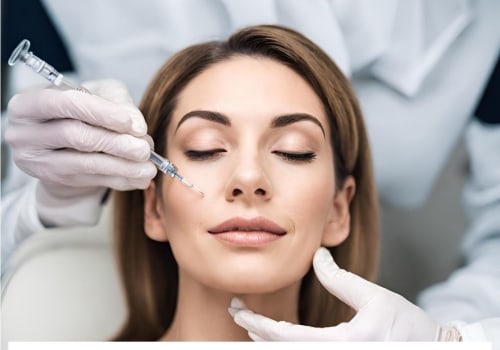
The treatment involves injecting a solution containing polynucleotides into the skin. This process triggers the body’s natural healing response, promoting the production of collagen and elastin over time.As a result, patients often experience improved skin texture, hydration, and overall rejuvenation.
What can I expect during the treatment?
During a polynucleotide treatment session, a qualified practitioner will administer injections into targeted areas of the face or body. The procedure is generally well-tolerated, with most patients reporting only mild discomfort. After the treatment, some swelling or bruising may occur but typically resolves within a few days.How long do the results last?
Results from polynucleotide treatments can last between six to twelve months, depending on individual factors such as skin type and lifestyle. Many patients opt for maintenance sessions every six to nine months to prolong their results.Are there any side effects?
While polynucleotide treatments are considered safe, some patients may experience temporary side effects such as swelling, bruising, or redness at the injection site.These effects usually subside quickly. It is essential to follow post-treatment care instructions provided by your practitioner to minimise any potential complications.
Who is a suitable candidate for polynucleotide treatments?
Polynucleotide treatments are suitable for individuals looking to improve skin quality and combat signs of ageing. However, it is crucial to consult with a qualified practitioner to determine if this treatment aligns with your specific needs and medical history.If you have further questions or concerns about polynucleotide treatments, it is advisable to discuss them during your consultation. Understanding the procedure thoroughly can help you make an informed decision about your aesthetic goals.Conclusion: The Future of Polynucleotide Treatments in Aesthetic Medicine
As we conclude our exploration of polynucleotide treatments in aesthetic medicine, it is evident that these innovative therapies are reshaping the landscape of skin rejuvenation.The ability of polynucleotides to stimulate the body’s natural production of collagen and elastin offers a promising avenue for those seeking to enhance their skin's appearance without invasive procedures.Throughout this article, we have highlighted several key aspects of polynucleotide treatments:
- Mechanism of Action: Polynucleotides work at a cellular level, promoting skin regeneration and improving overall skin quality. This is achieved through their unique ability to enhance collagen and elastin synthesis, which are crucial for maintaining skin elasticity and firmness.
- Longevity of Results: While the effects of polynucleotide treatments typically last between six to twelve months, many patients report sustained improvements in skin texture and hydration well beyond this timeframe. This longevity is a significant advantage over traditional fillers, making polynucleotides an attractive option for long-term skin care.
- Safety Profile: With minimal side effects such as mild swelling or bruising, polynucleotide treatments present a safe alternative for individuals looking to rejuvenate their skin without the risks associated with more invasive procedures.
- Versatility: These treatments are not limited to facial applications; they can also be effectively used on various body areas prone to sagging skin, such as the neck, décolleté, and arms.
As practitioners continue to explore the full potential of polynucleotides, we can anticipate a future where these treatments not only improve aesthetic outcomes but also contribute to overall skin health.In summary, the future of polynucleotide treatments in aesthetic medicine appears bright. With their ability to deliver lasting results while prioritising patient safety and satisfaction, they represent a significant evolution in our approach to skincare and rejuvenation.