Polynucleotides are naturally occurring biopolymers composed of nucleotide monomers, which are the building blocks of DNA and RNA. These essential molecules play a pivotal role in various biological processes, including cellular repair, regeneration, and the synthesis of proteins. In the context of skin rejuvenation, polynucleotides have emerged as a groundbreaking treatment option that harnesses their inherent regenerative properties to promote healthier, more youthful-looking skin.The biological significance of polynucleotides lies in their ability to stimulate cellular activity and enhance tissue repair mechanisms. When introduced into the skin through minimally invasive procedures, they act as a catalyst for collagen and elastin production—two vital proteins responsible for maintaining skin elasticity and firmness.
This process not only improves the overall texture and hydration of the skin but also addresses underlying issues such as fine lines, wrinkles, and sagging.One of the most compelling benefits of polynucleotides is their compatibility with other aesthetic treatments. For instance, they can be effectively combined with procedures like microneedling or platelet-rich plasma (PRP) therapy to amplify results. This synergistic approach allows for a comprehensive strategy in skin rejuvenation, targeting both superficial and deeper layers of the skin for optimal outcomes. As a result, patients can experience significant improvements in skin quality over time, making polynucleotides a valuable addition to any skincare regimen.In summary, understanding polynucleotides is crucial for anyone interested in advanced skincare solutions.
Their unique properties not only facilitate immediate improvements in skin appearance but also promote long-term health and vitality. As research continues to unveil their potential, polynucleotides are set to revolutionise the landscape of aesthetic medicine, offering individuals a holistic approach to achieving radiant and youthful skin.
The Science Behind Skin Aging
Understanding the biological processes that contribute to skin aging is crucial for anyone interested in skin health and rejuvenation. The skin, being the largest organ of the body, undergoes various changes as we age, primarily due to a decrease in the production of essential proteins such as collagen and elastin.Collagen
is a protein that provides structure and strength to the skin. It forms a scaffold that helps maintain the skin's firmness and elasticity.
As we age, collagen production diminishes, leading to a loss of skin volume and the formation of wrinkles. This decline typically begins in our mid-20s and accelerates with age, resulting in thinner, less resilient skin.
Elastin
, on the other hand, is responsible for the skin's ability to stretch and return to its original shape. Like collagen, elastin production decreases with age, which contributes to sagging skin and the development of fine lines. The cumulative effect of reduced collagen and elastin can make the skin appear older than it is.In addition to these proteins, several external factors can exacerbate the aging process:
- Sun Exposure: Ultraviolet (UV) rays from the sun can damage collagen and elastin fibers, leading to premature aging.
- Poor Nutrition: A diet lacking in essential vitamins and minerals can hinder the body's ability to produce collagen and maintain healthy skin.
- Smoking: Tobacco smoke contains harmful chemicals that can accelerate skin aging by reducing blood flow and depleting oxygen levels in the skin.
- Environmental Pollution: Pollutants can generate free radicals that damage skin cells and contribute to aging.
As we grow older, the rate of cell turnover slows down, meaning dead skin cells are not shed as efficiently. This results in a dull complexion and can make fine lines more pronounced. Understanding these biological processes highlights why treatments like polynucleotides, which promote cellular regeneration and stimulate collagen production, are becoming increasingly popular for combating signs of aging.By addressing both intrinsic factors—like reduced collagen and elastin—and extrinsic factors—such as sun exposure and pollution—individuals can take proactive steps towards maintaining youthful-looking skin.
How Polynucleotides Work in Skin Rejuvenation
Polynucleotides are emerging as a transformative element in the realm of skin rejuvenation, primarily due to their unique ability to enhance cellular repair and promote skin health at a fundamental level. Understanding how these compounds work is essential for anyone considering their use in aesthetic treatments.At the core of polynucleotide function is their composition, which consists of DNA fragments that play a crucial role in cellular processes.When administered through injections, these fragments stimulate the body’s natural healing mechanisms. This process begins with the activation of fibroblasts, the cells responsible for producing collagen and elastin—two proteins vital for maintaining skin elasticity and firmness.Once injected, polynucleotides initiate a cascade of biological responses:
- Cellular Renewal: Polynucleotides encourage the proliferation of skin cells, leading to increased turnover rates. This means that older, damaged cells are replaced more rapidly with fresh, healthy ones, resulting in a more youthful appearance.
- Tissue Repair: The presence of polynucleotides enhances the skin's ability to repair itself. They promote angiogenesis, which is the formation of new blood vessels, ensuring that the skin receives adequate nutrients and oxygen necessary for optimal health.
- Collagen and Elastin Production: By stimulating fibroblast activity, polynucleotides significantly boost collagen and elastin synthesis.
This not only improves skin texture but also helps reduce the appearance of fine lines and wrinkles.
- Hydration: Polynucleotides have been shown to improve skin hydration levels by enhancing the skin's barrier function. A well-hydrated skin surface appears plumper and more radiant.
Their ability to promote cellular renewal and tissue repair makes them a powerful tool in achieving long-lasting skin health and vitality.
Comparing Polynucleotides with Traditional Treatments
When considering options for skin rejuvenation, it is essential to understand the differences between polynucleotides and traditional treatments such as Botox and dermal fillers. Each of these treatments has its unique mechanisms, benefits, and ideal applications, making it crucial for individuals to make informed choices based on their specific skin concerns.Polynucleotides vs Botox
Botox, a well-known injectable treatment, primarily targets dynamic wrinkles caused by muscle contractions. It works by temporarily paralyzing the muscles responsible for these expressions, leading to a smoother appearance. However, while Botox can effectively reduce the visibility of wrinkles, it does not address the underlying skin quality or promote long-term skin health.In contrast, polynucleotides focus on enhancing the skin's natural regenerative processes.By introducing DNA fragments into the skin through injections, polynucleotides stimulate collagen and elastin production, improving skin texture, hydration, and elasticity over time. This holistic approach not only provides immediate improvements but also fosters long-lasting skin health.
Polynucleotides vs Dermal Fillers
Dermal fillers are another popular option for those seeking to restore volume and smooth out wrinkles. These products typically contain hyaluronic acid or other substances that add fullness to specific areas of the face. While dermal fillers can create dramatic results by plumping up the skin and filling in lines, they do not contribute to the skin's overall health or regeneration.On the other hand, polynucleotides offer a more gradual and subtle enhancement.Rather than merely filling in gaps, they work at a cellular level to improve the skin's structure and resilience. This means that while dermal fillers provide immediate volume, polynucleotides promote a healthier foundation for the skin that can lead to sustained improvements over time.
Treatment Comparisons
When comparing these treatments, it is important to consider individual goals:- Immediate Results: If you are looking for quick fixes for wrinkles or volume loss, Botox and dermal fillers may be more suitable.
- Long-Term Benefits: For those interested in enhancing their skin's overall health and appearance over time, polynucleotide treatments are an excellent choice.
- Combination Approaches: Many practitioners recommend combining polynucleotides with Botox or dermal fillers for comprehensive rejuvenation. This allows patients to benefit from both immediate results and long-term improvements.
The Application of Polynucleotide Treatments
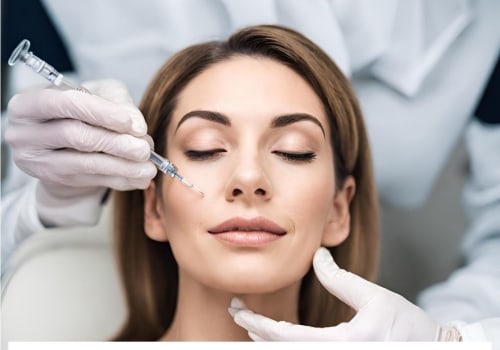
Polynucleotide treatments have gained significant traction in the realm of aesthetic medicine, primarily due to their ability to rejuvenate the skin at a cellular level. Understanding the administration techniques and treatment protocols is crucial for both practitioners and potential patients.The administration of polynucleotides typically involves a series of small injections into the targeted areas of the skin.This method ensures that the DNA fragments are delivered precisely where they are needed most, promoting effective skin regeneration. The procedure is generally performed in a clinical setting by qualified professionals, such as dermatologists or aesthetic practitioners.
Techniques for Administering Polynucleotides
- Microinjections: This technique involves using a fine needle to inject polynucleotides directly into the dermis. The depth and frequency of injections can be adjusted based on the specific needs of the patient and the area being treated.
- Mesotherapy: In this approach, multiple microinjections are administered across a larger area, allowing for even distribution of polynucleotides. Mesotherapy is particularly effective for treating larger regions such as the neck or décolletage.
- Combination with Other Treatments: Polynucleotide injections can be combined with other non-surgical procedures like microneedling or PRP (platelet-rich plasma) therapy.
This synergistic approach enhances overall results by maximising skin rejuvenation and collagen production.
- Initial Treatment: A course of 2 to 4 sessions spaced approximately 2 to 4 weeks apart, depending on individual skin conditions and desired outcomes.
- Maintenance Treatments: After the initial course, maintenance sessions are usually recommended every 6 to 12 months to sustain results and continue promoting skin health.
Combining Polynucleotides with Other Treatments
In the realm of aesthetic medicine, the integration of polynucleotide treatments with other non-surgical procedures has emerged as a groundbreaking approach to skin rejuvenation. By combining these innovative therapies, practitioners can achieve enhanced results that address multiple aspects of skin health and appearance.One of the most effective combinations is that of microneedling and polynucleotides.Microneedling involves the use of fine needles to create micro-injuries in the skin, which stimulates the body’s natural healing response. This process not only promotes collagen and elastin production but also enhances the absorption of polynucleotides when administered immediately after the microneedling session. The synergistic effect of these two treatments can lead to significantly improved skin texture, hydration, and elasticity.Another popular combination is polynucleotides with platelet-rich plasma (PRP). PRP therapy utilises the patient’s own blood components to rejuvenate the skin.
When combined with polynucleotides, this treatment can amplify the regenerative effects, as both therapies work to stimulate cellular repair and enhance collagen synthesis. The result is a more comprehensive rejuvenation effect that can address fine lines, wrinkles, and overall skin tone.Additionally, polynucleotides can be effectively paired with laser therapy. Laser treatments target specific skin concerns such as pigmentation, vascular lesions, or textural irregularities. Following laser therapy, the application of polynucleotides can further accelerate healing and improve skin quality by promoting tissue regeneration and hydration.It is essential for patients to consult with qualified professionals who can tailor these combination treatments to their individual needs.
The timing and technique of administering polynucleotides in conjunction with other procedures are crucial for maximising benefits while minimising potential side effects.In summary, combining polynucleotide treatments with other non-surgical options like microneedling, PRP, and laser therapy offers a holistic approach to skincare. This synergy not only enhances immediate results but also promotes long-term skin health, making it an attractive option for those seeking comprehensive solutions for skin rejuvenation.
Safety and Efficacy of Polynucleotide Treatments
When considering any aesthetic treatment, understanding the safety and efficacy of the procedure is paramount. Polynucleotide treatments have gained popularity in recent years, but potential clients often wonder about their safety profile and any associated side effects.Safety Profile of Polynucleotide Treatments
Polynucleotides are derived from natural sources, primarily from DNA fragments, which makes them biocompatible with human tissues. This biocompatibility significantly reduces the risk of adverse reactions.
Clinical studies have shown that polynucleotide treatments are generally safe when administered by qualified professionals. The use of sterile techniques and adherence to safety protocols further enhances their safety.Moreover, polynucleotide treatments have been extensively researched, and their application in dermatology has been supported by numerous clinical trials. These studies indicate a low incidence of serious complications, making them a reliable option for skin rejuvenation.
Potential Side Effects
While polynucleotide treatments are considered safe, some individuals may experience mild side effects. Commonly reported side effects include:
- Redness: Temporary redness at the injection site is typical and usually subsides within a few hours.
- Swelling: Mild swelling may occur but typically resolves quickly.
- Pain or Discomfort: Some patients report slight discomfort during the injection process, which can be managed with topical anaesthetics.
- Bruising: As with any injectable treatment, there is a risk of bruising at the injection site.
However, it is essential for patients to discuss their medical history and any concerns with their practitioner prior to treatment to ensure a tailored approach that minimises risks.
Efficacy of Polynucleotide Treatments
The efficacy of polynucleotide treatments lies in their ability to stimulate cellular regeneration and enhance skin quality. By promoting collagen and elastin production, these treatments can lead to improved skin texture, elasticity, and hydration over time. Many patients report noticeable improvements after just a few sessions, with optimal results often seen after a series of treatments.In conclusion, polynucleotide treatments offer a promising option for those seeking effective skin rejuvenation with a favourable safety profile. By understanding both the potential side effects and the overall efficacy of these treatments, individuals can make informed decisions that align with their aesthetic goals.
Real-Life Experiences and Case Studies
Polynucleotide treatments have gained significant attention in the realm of aesthetic medicine, and real-life experiences from patients provide compelling evidence of their effectiveness.Below, we explore several testimonials and case studies that highlight the transformative results achieved through these innovative procedures.
Patient Testimonials
Many individuals have shared their journeys with polynucleotide treatments, often noting remarkable improvements in skin texture, elasticity, and overall appearance. Here are a few testimonials:- Emma, 34: "After struggling with dull skin and fine lines, I decided to try polynucleotide injections. The results were astonishing! Within weeks, my skin felt firmer and looked more radiant. I received compliments from friends who noticed the change.
I can confidently say this treatment has rejuvenated my skin and boosted my self-esteem."
- James, 45: "I was sceptical at first, but after seeing before and after photos of others who had undergone the treatment, I decided to give it a go. The process was quick and relatively painless. A few sessions later, I noticed a significant reduction in wrinkles around my eyes and mouth. My skin feels youthful again!"
- Sophie, 29: "As someone who has always been conscious about my skin, I was thrilled to discover polynucleotides.
The treatment not only improved my skin's hydration but also gave it a natural glow. I love that it works at a cellular level rather than just filling in lines."
Before and After Photos
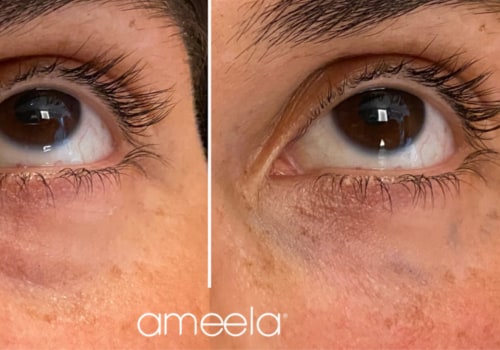
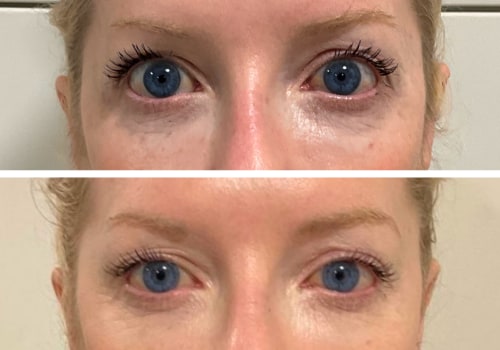
Visual evidence often speaks louder than words. Many clinics provide before and after photos showcasing the results of polynucleotide treatments. These images illustrate the profound changes that can occur:- Case Study 1: A 50-year-old woman underwent a series of polynucleotide injections targeting sagging skin on her cheeks and neck.
The before photo displayed noticeable laxity, while the after photo revealed a lifted appearance with improved texture and tone.
- Case Study 2: A 40-year-old man presented with deep lines on his forehead and around his mouth. Following treatment, his after photo showed a significant reduction in these lines, with smoother skin that appeared revitalised.
- Case Study 3: A young woman in her late twenties experienced acne scars that affected her confidence. After several sessions of polynucleotide therapy combined with microneedling, her before and after images demonstrated a marked improvement in scar visibility and overall skin quality.
Frequently Asked Questions about Polynucleotides
As the popularity of polynucleotide treatments continues to rise, many individuals have questions regarding their efficacy, safety, and overall process.Below are some of the most frequently asked questions about polynucleotides in the context of skin rejuvenation.
- What are polynucleotides?
Polynucleotides are naturally occurring DNA fragments that play a crucial role in cellular regeneration and repair. They are used in aesthetic treatments to enhance skin health by stimulating collagen and elastin production, leading to improved skin texture and elasticity. - How do polynucleotide treatments work?
When administered through small injections, polynucleotides penetrate the skin layers, promoting cellular renewal and tissue repair. This process helps to rejuvenate the skin from within, addressing signs of aging such as fine lines, wrinkles, and loss of volume. - Are polynucleotide treatments safe?
Yes, polynucleotide treatments have a strong safety profile. They are derived from natural sources and have been clinically tested for their effectiveness and safety.However, it is essential to consult with a qualified practitioner to ensure the treatment is suitable for your skin type.
- How many sessions are required for optimal results?
The number of sessions can vary depending on individual skin conditions and desired outcomes. Typically, patients may require two to three initial sessions spaced a few weeks apart, followed by maintenance treatments every six to twelve months. - Can polynucleotides be combined with other treatments?
Absolutely! Polynucleotide treatments can be effectively combined with other non-surgical procedures such as Botox, dermal fillers, microneedling, and laser therapy. This combination approach can enhance overall results by addressing multiple aspects of skin rejuvenation. - What should I expect during the treatment?
During the treatment session, a qualified practitioner will administer small injections of polynucleotides into targeted areas of the skin. The procedure is generally well-tolerated, with minimal discomfort reported.Some patients may experience slight swelling or redness at the injection sites, which typically subsides quickly.
Conclusion: The Future of Skin Rejuvenation with Polynucleotides
As we draw to a close on our exploration of polynucleotides and their transformative role in skin rejuvenation, it is essential to reflect on the significant advancements these treatments offer in the realm of aesthetic medicine. The journey through the intricacies of polynucleotide therapies has revealed their potential not only as a viable alternative to traditional methods but also as a pioneering approach that addresses the root causes of skin aging.Throughout this guide, we have highlighted several key benefits of polynucleotides:- Cellular Regeneration: Polynucleotides facilitate cellular renewal, enhancing the skin's natural ability to repair and rejuvenate itself.
- Collagen and Elastin Production: By stimulating the production of these vital proteins, polynucleotides help maintain skin elasticity and firmness, combating sagging and fine lines.
- Hydration and Texture Improvement: These treatments significantly improve skin hydration levels, leading to a smoother and more youthful appearance.
- Compatibility with Other Treatments: The versatility of polynucleotide therapies allows them to be effectively combined with other non-surgical procedures, such as Botox and microneedling, for enhanced results.
Their natural origin and regenerative properties position them as a frontrunner in the quest for safe and effective anti-aging solutions.In conclusion, embracing polynucleotides as part of your skincare regimen could be a pivotal step towards achieving lasting rejuvenation. With their ability to enhance skin vitality from within, these treatments represent a significant leap forward in our understanding of skin health and aesthetics. As we look ahead, it is clear that polynucleotides will play an integral role in shaping the future landscape of skin rejuvenation.