Polynucleotides are naturally occurring biopolymers composed of nucleotide monomers, which are the building blocks of DNA and RNA. These essential molecules play a pivotal role in various biological processes, including genetic information storage, transmission, and expression. Their significance extends beyond mere genetics; polynucleotides are increasingly recognised for their therapeutic potential in both aesthetic and medical applications. As the understanding of their functions deepens, the versatility of polynucleotides in promoting cellular health and regeneration has garnered considerable attention.In the realm of aesthetics, polynucleotides are celebrated for their ability to rejuvenate the skin by enhancing hydration, elasticity, and overall texture.
They work by stimulating collagen and elastin production, which are crucial for maintaining youthful skin. This makes them a popular choice in cosmetic treatments aimed at reducing the visible signs of ageing, such as fine lines and wrinkles. Moreover, their antioxidant properties help combat oxidative stress, further contributing to skin vitality. The use of polynucleotides in aesthetic procedures is not limited to facial treatments; they can also be effectively applied to various body areas where skin laxity is a concern.Beyond aesthetics, polynucleotides have significant implications in the medical field.
They are being explored for their potential in wound healing, tissue regeneration, and even as delivery systems for therapeutic agents. Their ability to promote cellular activity makes them valuable in regenerative medicine, where enhancing the body’s natural healing processes is paramount. As research continues to unveil the myriad benefits of polynucleotides, their applications are likely to expand further, offering innovative solutions for both cosmetic enhancement and medical treatment.
Understanding Polynucleotides: Structure and Function
Polynucleotides are essential biomolecules that play a pivotal role in the functioning of all living organisms. They are long chains of nucleotides, which are the building blocks of DNA and RNA.Understanding their structure and function is crucial for appreciating their applications in various fields, including medicine and biotechnology.
Structure of Polynucleotides
The structure of polynucleotides is characterised by a backbone made up of alternating sugar and phosphate groups, with nitrogenous bases attached to the sugar molecules. In DNA, the sugar is deoxyribose, while in RNA, it is ribose. Each nucleotide consists of three components: a phosphate group, a five-carbon sugar, and a nitrogenous base. The nitrogenous bases can be classified into two categories: purines (adenine and guanine) and pyrimidines (cytosine, thymine in DNA, and uracil in RNA).This structural arrangement allows polynucleotides to form double helical structures in the case of DNA, where two strands run antiparallel to each other, held together by hydrogen bonds between complementary bases (adenine pairs with thymine, and guanine pairs with cytosine).
RNA, on the other hand, typically exists as a single strand but can fold into complex three-dimensional shapes that are crucial for its function.
Types of Polynucleotides
- Deoxyribonucleic Acid (DNA): The genetic material found in most organisms, DNA carries the instructions for development, functioning, growth, and reproduction.
- Ribonucleic Acid (RNA): RNA plays several roles in the cell, including acting as a messenger between DNA and ribosomes for protein synthesis (mRNA), forming part of the ribosome structure (rRNA), and transferring amino acids during protein synthesis (tRNA).
Function of Polynucleotides
The primary function of polynucleotides lies in their ability to store and transmit genetic information. DNA serves as a template for replication during cell division, ensuring that genetic information is passed on to daughter cells. Additionally, through the process of transcription and translation, RNA facilitates the synthesis of proteins based on the genetic code encoded in DNA.Beyond their role in genetics, polynucleotides also participate in various cellular processes such as regulation of gene expression and catalysis of biochemical reactions. Their diverse functions underscore their importance not only in biological systems but also in therapeutic applications where they can be harnessed for gene therapy, vaccine development, and regenerative medicine.
Polynucleotides in Aesthetic Medicine
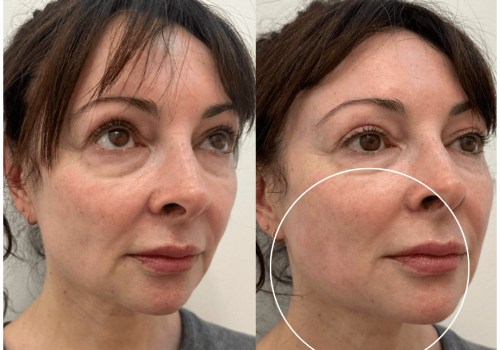
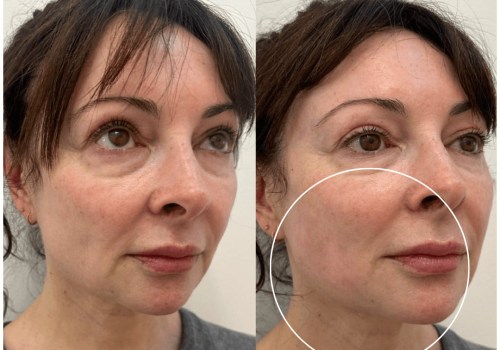
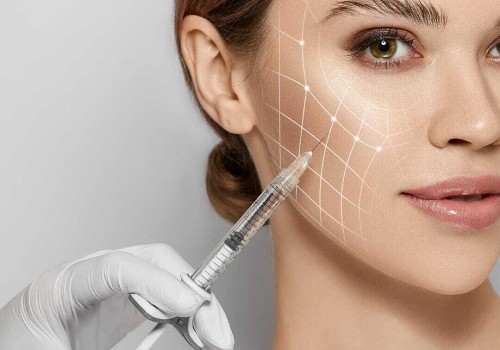
Polynucleotides have emerged as a revolutionary component in the field of aesthetic medicine, offering a multitude of benefits for skin rejuvenation and overall appearance enhancement.These naturally occurring molecules play a pivotal role in cellular activity, promoting collagen synthesis and facilitating skin repair, making them an ideal choice for various aesthetic treatments.One of the primary applications of polynucleotides is in the rejuvenation of facial skin. As we age, our skin loses elasticity and hydration, leading to the formation of fine lines and wrinkles. Polynucleotide treatments can effectively address these issues by deeply hydrating the skin and stimulating collagen production. This results in improved skin texture and a more youthful appearance.Specific areas of the face that benefit significantly from polynucleotide injections include:
- Under the Eyes: The delicate skin beneath the eyes is often one of the first areas to show signs of aging.
Polynucleotides can help reduce dark circles, fine lines, and puffiness, providing a refreshed look.
- Forehead: Fine lines on the forehead can be softened with polynucleotide treatments, enhancing overall facial harmony.
- Cheekbones and Jawline: By improving skin elasticity and hydration, polynucleotides can enhance the contours of the face, giving a subtle lifting effect.
- Abdomen: Polynucleotides can help tighten loose skin post-pregnancy or weight loss.
- Inner Arms: This area often shows signs of aging; polynucleotide treatments can enhance skin texture and elasticity.
- Above the Knees: Many individuals seek to improve the appearance of sagging skin in this region, making it another suitable application for polynucleotides.
Their ability to promote hydration, stimulate collagen production, and improve overall skin quality makes them an invaluable tool in achieving a youthful and vibrant appearance.
Target Areas for Polynucleotide Treatments
Polynucleotide treatments have gained significant traction in the field of aesthetic medicine, primarily due to their versatility and effectiveness in addressing various skin concerns across multiple anatomical areas. Understanding where these treatments can be applied is crucial for both practitioners and patients seeking to enhance their skin quality and appearance.Facial Areas for Polynucleotide Use
The face is often the primary focus for polynucleotide treatments, as it is one of the most visible areas that can show signs of aging. Key facial regions where polynucleotides are particularly effective include:- Under the Eyes: This area is prone to fine lines, dark circles, and puffiness. Polynucleotides can rejuvenate the delicate skin under the eyes by improving hydration and elasticity, resulting in a more youthful appearance.
- Forehead: Fine lines and wrinkles on the forehead can be softened with polynucleotide injections, which stimulate collagen production and promote skin renewal.
- Cheekbones: Enhancing volume and firmness in the cheek area can be achieved through polynucleotide treatments, which help restore youthful contours.
- Jawline: The jawline can benefit from polynucleotide therapy by improving skin tightness and reducing sagging, contributing to a more defined facial structure.
- Mouth Area: Fine lines around the lips can be treated effectively with polynucleotides, helping to smooth out wrinkles and enhance overall lip appearance.
Body Areas for Polynucleotide Treatments
Beyond the face, polynucleotides are also beneficial for various body areas that may exhibit signs of aging or skin laxity.Common body regions treated include:
- Neck: The neck often shows early signs of aging, such as sagging skin and wrinkles. Polynucleotide treatments can improve skin texture and elasticity in this area.
- Décolleté: Similar to the neck, the décolleté is susceptible to sun damage and aging. Polynucleotides can rejuvenate this area by enhancing hydration and reducing fine lines.
- Abdomen: For individuals experiencing loose skin post-pregnancy or weight loss, polynucleotide injections can help tighten and improve skin quality on the abdomen.
- Inner Arms: The inner arms are often overlooked but can benefit from polynucleotide treatments to combat sagging skin.
- Knees: Loose skin above the knees can be treated with polynucleotides, promoting a smoother appearance.
Mechanism of Action: How Polynucleotides Work
Polynucleotides are naturally occurring molecules that play a pivotal role in the biological processes essential for skin health and rejuvenation.Their mechanism of action is multifaceted, primarily focusing on enhancing collagen production, improving hydration, and promoting cellular regeneration.At the core of their effectiveness is the ability of polynucleotides to stimulate fibroblasts, the cells responsible for producing collagen and elastin in the skin. When polynucleotides are injected into the dermal layer, they initiate a cascade of biological responses that lead to increased collagen synthesis. This is crucial because collagen is a fundamental protein that provides structure, elasticity, and firmness to the skin. As we age, collagen production naturally declines, leading to visible signs of aging such as wrinkles and sagging skin.
By enhancing collagen levels, polynucleotides help restore youthful skin texture and resilience.In addition to boosting collagen production, polynucleotides also enhance skin hydration. They possess remarkable water-retaining properties, which help to improve the moisture content of the skin. This is particularly beneficial for individuals suffering from dry or dehydrated skin conditions. The hydrating effect not only plumps up the skin but also contributes to a more radiant and healthy appearance.Furthermore, polynucleotides promote cellular regeneration by facilitating the repair and renewal of damaged skin cells.
This regenerative capability is vital for addressing various skin concerns, including fine lines, uneven texture, and pigmentation issues. By encouraging the turnover of skin cells, polynucleotides help to reveal fresher, more youthful-looking skin.Another significant aspect of how polynucleotides work is their antioxidant properties. They help neutralise free radicals—unstable molecules that can cause oxidative stress and accelerate skin aging. By combating these harmful agents, polynucleotides contribute to a healthier skin environment, further supporting overall rejuvenation.In summary, the mechanism of action of polynucleotides encompasses a comprehensive approach to skin health.
Through stimulating collagen production, enhancing hydration, promoting cellular regeneration, and providing antioxidant protection, they offer a powerful solution for those seeking to improve their skin's appearance and vitality.
Combining Polynucleotide Treatments with Other Therapies
Polynucleotide treatments have gained significant traction in the realm of aesthetic medicine, particularly due to their ability to rejuvenate the skin at a cellular level. However, their efficacy can be further enhanced when combined with other aesthetic procedures. This section delves into the synergistic effects of polynucleotides when used alongside treatments such as dermal fillers, laser therapies, and microneedling.1.Synergistic Effects with Dermal Fillers
Dermal fillers are commonly used to restore volume and smooth out wrinkles. When combined with polynucleotide treatments, the results can be transformative.
While dermal fillers provide immediate volume, polynucleotides work gradually to improve skin quality by boosting collagen and elastin production. This combination not only enhances the immediate aesthetic outcome but also promotes long-term skin health.
2.Enhancing Laser Treatments
Laser treatments are effective for various skin concerns, including pigmentation issues and texture irregularities. Integrating polynucleotide therapy post-laser treatment can accelerate healing and enhance results. The regenerative properties of polynucleotides help to soothe the skin, reduce inflammation, and promote faster recovery, leading to a more radiant complexion.
3.Complementing Microneedling
Microneedling is a popular procedure that creates micro-injuries in the skin to stimulate collagen production.
When polynucleotides are applied immediately after microneedling, they can penetrate deeper into the skin through the micro-channels created by the needles. This not only maximises the absorption of the polynucleotides but also amplifies their rejuvenating effects, resulting in improved skin texture and elasticity.
4.Customised Treatment Plans
It is essential for practitioners to develop customised treatment plans that consider individual skin types and concerns. By assessing each patient's unique needs, professionals can determine the most effective combination of treatments. This tailored approach ensures that patients receive optimal results while minimising potential side effects.In conclusion, combining polynucleotide treatments with other aesthetic procedures can significantly enhance overall results.
The synergistic effects not only improve immediate outcomes but also contribute to long-term skin health and vitality. As always, consulting with a qualified professional is crucial to achieving the best possible results from these advanced aesthetic treatments.
Safety and Considerations in Polynucleotide Treatments
When considering polynucleotide treatments, it is crucial to understand the safety profile associated with these procedures. While polynucleotides are generally regarded as safe, like any medical treatment, they come with potential risks and side effects that should be carefully evaluated.Safety Profile of Polynucleotide Injections
Polynucleotide injections are designed to enhance skin rejuvenation by stimulating collagen production and improving hydration. The materials used in these treatments are typically derived from natural sources, such as salmon DNA, which contributes to their biocompatibility.
However, it is essential to ensure that the treatment is administered by a qualified professional who understands the intricacies of the procedure.
Potential Side Effects
While many patients experience positive outcomes, some may encounter side effects following polynucleotide treatments. Common side effects include:
- Swelling: Mild swelling at the injection site is common and usually subsides within a few days.
- Bruising: Some patients may notice bruising, particularly if they are prone to it.
- Pain or Discomfort: A slight sensation of pain or discomfort may occur during and after the procedure.
- Redness: Temporary redness around the injection area can also be expected.
Contraindications for Polynucleotide Use
Certain individuals may not be suitable candidates for polynucleotide treatments.
Contraindications include:
- Pregnancy and Breastfeeding: Women who are pregnant or breastfeeding should avoid these treatments due to insufficient research on their safety in these populations.
- Active Infections: Patients with active skin infections or conditions such as eczema should postpone treatment until the issue is resolved.
- Allergies: Individuals with known allergies to components of the treatment should consult their healthcare provider before proceeding.
- Autoimmune Disorders: Those with autoimmune diseases may need to avoid polynucleotide injections due to potential complications.
Polynucleotides in Medical Applications Beyond Aesthetics
Polynucleotides, while widely recognised for their aesthetic applications, are also making significant strides in the field of medicine. Their unique properties enable them to play a crucial role in various therapeutic contexts, particularly in regenerative medicine and wound healing.Regenerative Medicine
In regenerative medicine, polynucleotides are being explored for their ability to stimulate cellular regeneration and repair. These molecules can enhance the body’s natural healing processes by promoting the proliferation of cells and the synthesis of extracellular matrix components.
This is particularly beneficial in treating conditions such as:
- Chronic wounds: Polynucleotides can accelerate the healing of chronic wounds by enhancing angiogenesis, which is the formation of new blood vessels, thereby improving oxygen and nutrient delivery to damaged tissues.
- Soft tissue injuries: Their application in soft tissue repair is promising, as they can facilitate faster recovery and improve functional outcomes in patients recovering from injuries.
- Bone regeneration: Research indicates that polynucleotides may aid in bone healing by stimulating osteoblast activity, which is essential for bone formation.
Wound Healing
The role of polynucleotides in wound healing extends beyond mere cellular stimulation. They possess anti-inflammatory properties that can help reduce inflammation at the injury site, thus creating a more conducive environment for healing. By modulating the immune response, polynucleotides can:
- Minimise scar formation by promoting organised tissue repair.
- Enhance collagen deposition, which is vital for restoring skin integrity.
- Support the migration of fibroblasts and keratinocytes, both of which are essential for effective wound closure.
Potential Therapeutic Uses
The therapeutic potential of polynucleotides extends into various other medical fields. For instance, they are being investigated for their use in:
- Cardiovascular health: Polynucleotides may help improve endothelial function and reduce arterial stiffness, contributing to better cardiovascular outcomes.
- Neurological disorders: Preliminary studies suggest that polynucleotides could have neuroprotective effects, potentially aiding in the treatment of conditions like Alzheimer’s disease.
- Autoimmune diseases: Their immunomodulatory effects may offer new avenues for managing autoimmune conditions by balancing immune responses.
Their ability to promote healing and regeneration opens up exciting possibilities for treating a range of medical conditions beyond their aesthetic applications.
Future Trends in Polynucleotide Research and Applications
The landscape of polynucleotide research is rapidly evolving, with ongoing studies revealing exciting possibilities for both aesthetic and medical applications. As scientists delve deeper into the molecular mechanisms of polynucleotides, we can anticipate a range of innovative treatments that may redefine how we approach skin rejuvenation and healing.One of the most promising areas of research is the enhancement of polynucleotide formulations. Current studies are exploring the potential of combining polynucleotides with other biocompatible materials to create hybrid treatments that could offer superior results. For instance, integrating polynucleotides with growth factors or stem cells may amplify their regenerative properties, leading to more effective therapies for skin aging and damage.Moreover, advancements in delivery systems are set to revolutionise how polynucleotides are administered.Researchers are investigating novel methods such as microneedling and nanotechnology to improve the penetration and efficacy of polynucleotide treatments. These techniques could enhance the bioavailability of polynucleotides, ensuring that they reach deeper layers of the skin where they can exert their rejuvenating effects more effectively.In addition to aesthetic applications, the medical field is also witnessing a surge in interest regarding polynucleotides. Their potential use in regenerative medicine is particularly noteworthy. Studies are being conducted to evaluate how polynucleotides can aid in tissue repair and regeneration following injuries or surgeries.
This could lead to groundbreaking treatments for conditions such as chronic wounds or post-surgical recovery.Furthermore, the role of polynucleotides in combating age-related diseases is an area ripe for exploration. Research is underway to understand how these molecules can influence cellular senescence and promote longevity at a molecular level. This could pave the way for therapies aimed at not just improving skin appearance but also enhancing overall health and vitality.As we look to the future, it is clear that the potential applications of polynucleotides are vast and varied. With ongoing research and technological advancements, we may soon see a new era of treatments that harness the power of these remarkable molecules, offering patients safer, more effective options for both aesthetic enhancement and medical recovery.
Conclusion: The Promise of Polynucleotides in Enhancing Health and Beauty
In conclusion, the exploration of polynucleotides has unveiled their remarkable potential across various fields, particularly in aesthetic medicine and broader health applications.As we have discussed, these naturally occurring molecules play a pivotal role in cellular regeneration and rejuvenation, making them invaluable in enhancing skin quality and overall appearance.The versatility of polynucleotides is evident in their ability to address a multitude of skin concerns, from fine lines and wrinkles to loss of elasticity and hydration. Their unique mechanism of action stimulates collagen and elastin production, which not only improves skin texture but also promotes a youthful glow. This makes polynucleotides an attractive option for individuals seeking non-invasive treatments that yield long-lasting results.Moreover, the application of polynucleotides extends beyond cosmetic enhancements. Their regenerative properties are being harnessed in various medical contexts, including wound healing and tissue repair.
This dual functionality underscores the importance of polynucleotides as a bridge between aesthetic and therapeutic practices.As we look to the future, ongoing research into the efficacy and safety of polynucleotide treatments will likely expand their applications even further. The integration of polynucleotides with other advanced therapies, such as laser treatments and microneedling, promises to enhance patient outcomes significantly.Ultimately, the promise of polynucleotides lies not only in their ability to improve physical appearance but also in their contribution to overall skin health. By choosing treatments that incorporate these powerful molecules, individuals can embark on a journey towards revitalised skin that reflects their inner vitality.In summary, the multifaceted benefits of polynucleotides make them a cornerstone in both aesthetic medicine and broader health applications. Their role in promoting skin rejuvenation and cellular health is set to redefine beauty standards while offering innovative solutions for various medical challenges.