Polynucleotides are fascinating biomolecules that play a crucial role in the field of skincare and aesthetic treatments. Derived from the DNA of salmon or trout sperm, these long chains of nucleotides are highly purified and suspended in a sterile solution, making them suitable for injection into the skin. Their unique composition allows them to interact with skin cells at a cellular level, promoting regeneration and repair. This innovative approach to skincare has garnered attention for its potential to enhance skin quality and address various signs of aging.The benefits of polynucleotides extend beyond mere hydration; they stimulate the production of collagen and elastin, two essential proteins that maintain skin's firmness and elasticity.
As we age, our natural levels of these proteins decline, leading to wrinkles, sagging, and a loss of vitality in the skin. By introducing polynucleotides through injections, individuals can experience a rejuvenating effect that not only improves skin texture but also enhances overall appearance.In addition to their regenerative properties, polynucleotide injections are known for their safety profile. Unlike traditional dermal fillers that may cause complications such as vascular occlusion, polynucleotides disperse evenly within the tissue without the risk of blocking blood vessels. This makes them an appealing option for those seeking natural-looking results without the associated risks of more invasive procedures.As we delve deeper into the world of polynucleotide treatments, it becomes evident that they offer a multifaceted approach to skincare.
From improving skin hydration and elasticity to reducing fine lines and enhancing overall skin tone, polynucleotides represent a significant advancement in aesthetic medicine. Understanding their origin, composition, and benefits sets the stage for exploring how these remarkable molecules can transform your skincare routine.
How Polynucleotide Injections Work
Polynucleotide injections operate through a sophisticated biological mechanism that harnesses the power of DNA fragments to stimulate skin regeneration. These injections primarily consist of highly purified polynucleotides derived from the sperm of salmon or trout, which are known for their remarkable compatibility with human skin. When injected, these polynucleotides interact with skin cells at a cellular level, initiating a cascade of regenerative processes.One of the key actions of polynucleotide injections is the stimulation of collagen and elastin production.Collagen is a vital protein that provides structure and firmness to the skin, while elastin contributes to its elasticity and resilience. As we age, the natural production of these proteins diminishes, leading to signs of aging such as wrinkles and sagging skin. Polynucleotides counteract this decline by activating fibroblasts—cells responsible for producing collagen and elastin—thereby enhancing the skin's overall texture and appearance.The mechanism of action begins when polynucleotides are injected into the dermis, where they are absorbed by surrounding cells. This absorption triggers a series of biological responses that promote cell proliferation and migration.
The presence of polynucleotides signals the skin to enter a repair mode, which not only aids in healing existing damage but also encourages the formation of new, healthy skin cells.Moreover, polynucleotides possess antioxidant properties that help neutralise free radicals—unstable molecules that can cause oxidative stress and accelerate skin aging. By reducing oxidative damage, these injections further support the skin's regenerative capabilities.In addition to their role in collagen and elastin production, polynucleotide injections enhance skin hydration. They improve moisture retention within the skin, leading to a plumper and more youthful appearance. This hydrating effect is particularly beneficial for areas prone to dryness or fine lines.Overall, the multifaceted approach of polynucleotide injections makes them a compelling option for those seeking to rejuvenate their skin naturally.
By promoting cellular regeneration and enhancing the skin's structural integrity, these treatments offer a pathway to achieving healthier, more vibrant skin.
Benefits of Polynucleotide Injections
Polynucleotide injections have gained significant attention in the realm of aesthetic treatments, primarily due to their multifaceted benefits for skin health and appearance. These injections, derived from highly purified DNA fragments, offer a range of advantages that make them a compelling option for those seeking to enhance their skin quality.One of the most notable benefits of polynucleotide injections is their ability to improve skin texture. As we age, our skin often loses its natural elasticity and firmness, leading to the development of fine lines and wrinkles. Polynucleotides work at a cellular level to stimulate the production of collagen and elastin, two essential proteins that contribute to skin's structural integrity.This stimulation not only helps to smooth out existing wrinkles but also promotes a more youthful and vibrant complexion.In addition to enhancing texture, polynucleotide injections are effective in reducing the appearance of fine lines. The hydrating properties of these injections help to plump the skin, making fine lines less noticeable. This is particularly beneficial for delicate areas such as around the eyes and mouth, where signs of aging are often most pronounced.Moreover, polynucleotides possess remarkable anti-aging effects. By encouraging cellular regeneration and repair, they can significantly improve overall skin quality.
This regenerative process aids in diminishing the visibility of scars, sun damage, and other imperfections that can detract from a youthful appearance. As a result, individuals who undergo polynucleotide treatments often report not only improved texture but also a more even skin tone.Another advantage is the versatility of polynucleotide injections; they can be used on various areas of the body, including the face, neck, and décolleté. This adaptability makes them suitable for addressing multiple concerns simultaneously, whether it’s sagging skin or uneven pigmentation.In summary, the benefits of polynucleotide injections extend beyond mere cosmetic enhancements. They offer a holistic approach to skincare by improving texture, reducing fine lines, and promoting overall skin health.
For those looking for a natural yet effective solution to combat signs of aging and enhance their skin's appearance, polynucleotide injections present a promising option.
Comparing Polynucleotides to Other Injectables
When considering aesthetic treatments, it is essential to understand the differences between various injectables, particularly polynucleotides, dermal fillers, and Botox. Each of these options serves distinct purposes and offers unique benefits, making them suitable for different skin concerns.Polynucleotides vs Dermal Fillers
- Composition: Polynucleotides are derived from highly purified DNA fragments, typically sourced from salmon or trout sperm. In contrast, dermal fillers are often made from hyaluronic acid or other synthetic materials designed to add volume and structure to the skin.
- Mechanism of Action: Polynucleotides work by stimulating the body’s natural processes to produce collagen and elastin, promoting skin regeneration and hydration. Dermal fillers, however, provide immediate volume and contouring by physically filling in wrinkles and hollows.
- Longevity of Results: The effects of polynucleotide treatments may last around six months, as they encourage ongoing skin improvement over time.
Dermal fillers can offer immediate results but typically require maintenance every six to twelve months, depending on the product used.
- Areas of Application: While both treatments can be used on various facial areas, polynucleotides are particularly effective for delicate regions like under the eyes, where they enhance skin quality without the risk of water retention associated with some fillers.
Polynucleotides vs Botox
- Functionality: Botox is a neuromodulator that temporarily paralyzes muscles to reduce the appearance of dynamic wrinkles caused by facial expressions. In contrast, polynucleotides focus on improving skin texture and elasticity through cellular regeneration.
- Safety Profile: Both treatments are generally safe when administered by qualified professionals. However, polynucleotides have a lower risk of complications such as vascular occlusion since they do not involve muscle paralysis or filler placement in deeper tissues.
- Recovery Time: Patients may experience minimal downtime with polynucleotide injections, such as slight swelling or bruising. Botox may also cause temporary side effects but typically resolves quickly.
This makes them an appealing option for those seeking a more holistic approach to skincare.
Who Can Benefit from Polynucleotide Injections?
Polynucleotide injections have gained popularity as a versatile treatment option for various skin concerns, but understanding who can benefit from them is crucial for achieving optimal results. These injections are particularly suitable for individuals seeking to enhance their skin's quality and appearance, regardless of age.Age Considerations
While polynucleotide treatments can be effective for a wide range of ages, they are especially beneficial for:
- Younger Individuals: Those in their 20s and 30s may consider polynucleotide injections as a preventive measure. By stimulating collagen and elastin production early on, these treatments can help maintain skin elasticity and hydration, delaying the onset of visible aging signs.
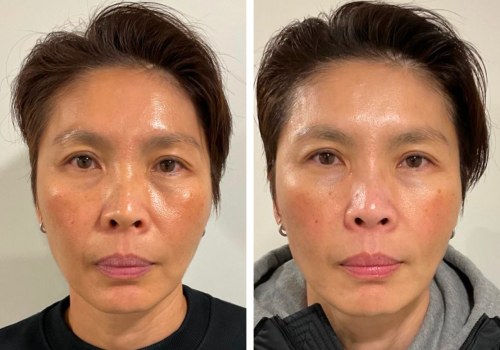
- Middle-Aged Adults: For individuals in their 40s and 50s, polynucleotide injections can address early signs of aging such as fine lines, loss of volume, and uneven skin texture. This demographic often seeks treatments that provide natural-looking results without the need for more invasive procedures.
- Older Adults: Those over 60 may find polynucleotide injections particularly advantageous as they combat more pronounced signs of aging.
The treatment can improve skin laxity, reduce wrinkles, and enhance overall skin quality, making it an excellent option for rejuvenation.
Specific Skin Concerns
Polynucleotide injections are effective in addressing various skin issues, including:
- Skin Texture: Individuals with rough or uneven skin texture can benefit from the regenerative properties of polynucleotides, which promote smoother and more refined skin.
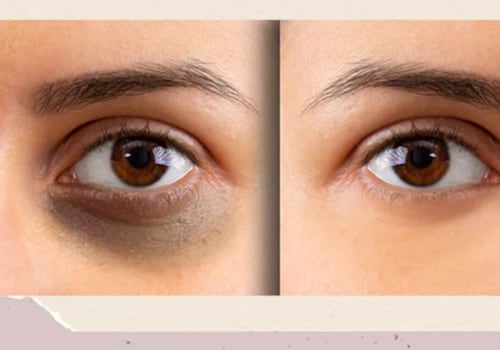
- Dark Circles and Under-Eye Bags: The delicate skin around the eyes often shows signs of aging first. Polynucleotides can help improve the appearance of dark circles and puffiness by enhancing skin firmness and hydration.
- Scarring: Those with acne scars or other types of scarring may find relief through polynucleotide treatments, as they stimulate healing processes and promote new cell growth.
- Stretch Marks: Polynucleotides can also be used to treat stretch marks by improving skin elasticity and texture in affected areas.
What to Expect During the Treatment Process
Understanding the polynucleotide injection treatment process is essential for anyone considering this innovative skin rejuvenation technique. The procedure is designed to be straightforward, but it does require careful preparation and an understanding of what to expect during and after the treatment.Preparation for the Treatment
- Before undergoing polynucleotide injections, it is crucial to schedule a consultation with a qualified practitioner.
During this appointment, your skin type and specific concerns will be assessed to determine if this treatment is suitable for you.
- Patients are typically advised to avoid blood-thinning medications, alcohol, and certain supplements for at least a week prior to the procedure to minimise the risk of bruising and swelling.
- It’s also recommended to arrive at the clinic with clean skin, free from makeup or skincare products.
The Injection Procedure
The actual injection process is relatively quick and can usually be completed within 30 minutes. Here’s what you can expect:
- Application of Numbing Cream: To enhance comfort during the procedure, a topical anaesthetic may be applied to the treatment area. This helps to minimise any discomfort associated with the injections.
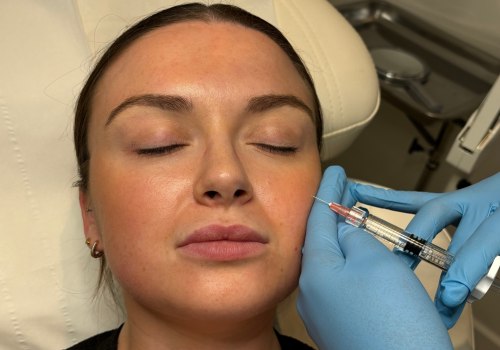
- Injection Technique: The practitioner will use either a fine needle or a cannula to administer the polynucleotide solution into the targeted areas. The injections are typically performed superficially, allowing for even distribution of the product.
- Post-Injection Care: After the injections, you may notice some immediate swelling or redness in the treated areas.
This is normal and should subside within a few hours.
Recovery Time
The recovery time following polynucleotide injections is generally minimal. Most patients can return to their daily activities immediately after treatment. However, it’s advisable to avoid strenuous exercise and excessive sun exposure for at least 48 hours post-procedure. Full results may take several weeks to manifest as collagen production ramps up, but initial improvements can often be seen within two to three weeks.In summary, understanding the treatment process, from preparation through recovery, can help set realistic expectations for those considering polynucleotide injections as a means of enhancing their skin's appearance.
Potential Risks and Side Effects
While polynucleotide injections are generally considered safe and effective for skin rejuvenation, it is essential to be aware of potential risks and side effects associated with the treatment.Understanding these factors can help individuals make informed decisions and manage expectations.
Common Side Effects
- Bruising: One of the most common side effects of polynucleotide injections is bruising at the injection site. This occurs due to the needle penetrating the skin and can vary in severity depending on individual skin sensitivity.
- Swelling: Temporary swelling is also a frequent occurrence following treatment. This can last from a few hours to several days, depending on the individual's response to the injection.
- Redness: Mild redness around the injection site is typical and usually subsides within a short period.
- Itching or Irritation: Some patients may experience mild itching or irritation post-treatment, which typically resolves quickly.
Less Common Risks
- Infection: As with any injectable treatment, there is a small risk of infection. It is crucial to ensure that the procedure is performed in a sterile environment by a qualified professional to minimise this risk.
- Allergic Reactions: Although rare, some individuals may have an allergic reaction to the components of polynucleotides.
It is advisable to discuss any known allergies with your practitioner before undergoing treatment.
- Nodules or Lumps: In some cases, patients may develop small nodules or lumps under the skin where the injections were administered. These are usually temporary and resolve on their own but can be concerning for some individuals.
Mitigating Risks
To minimise potential risks and side effects, it is essential to:
- Select a Qualified Practitioner: Ensure that your treatment is performed by a licensed and experienced professional who understands the intricacies of polynucleotide injections.
- Follow Pre- and Post-Care Instructions: Adhering to any pre-treatment guidelines provided by your practitioner can help reduce complications. Similarly, following post-care instructions can aid in recovery and minimise side effects.
- Communicate Concerns: Always discuss any concerns or medical history with your practitioner prior to treatment. This transparency can help tailor the procedure to your specific needs and reduce risks.
By taking appropriate precautions and consulting with a qualified professional, individuals can enjoy the advantages of this innovative treatment while minimising concerns.
Long-Term Effects and Maintenance Treatments
When considering polynucleotide injections, understanding the long-term effects and the necessity for maintenance treatments is crucial for achieving and sustaining optimal skin health. The results from these injections are not instantaneous; rather, they develop gradually as the body responds to the treatment. Typically, patients may begin to notice improvements in skin texture, hydration, and elasticity within a few weeks, with the most significant results becoming apparent around three months post-treatment.The longevity of the results can vary based on several factors, including individual skin type, age, lifestyle choices, and the specific areas treated. Generally, the effects of polynucleotide injections can last approximately six months.However, this duration can differ from person to person. Some individuals may experience longer-lasting results due to their skin's natural regenerative capabilities or adherence to a healthy skincare regimen.To maintain the benefits achieved through polynucleotide treatments, regular maintenance sessions are recommended. These sessions help to reinforce collagen and elastin production, ensuring that the skin remains firm and youthful. Most practitioners suggest scheduling maintenance treatments every six months to sustain the improvements in skin quality.In addition to scheduled maintenance sessions, incorporating a comprehensive skincare routine can significantly enhance and prolong the effects of polynucleotide injections.
This routine should include:
- Daily Hydration: Using moisturisers that contain hyaluronic acid can help maintain skin hydration.
- Sun Protection: Applying broad-spectrum sunscreen daily protects against UV damage that can accelerate skin aging.
- Nutrient-Rich Diet: Consuming a balanced diet rich in antioxidants supports overall skin health.
- Avoiding Smoking and Excessive Alcohol: These habits can negatively impact skin quality and accelerate aging.
Frequently Asked Questions about Polynucleotide Injections
Polynucleotide injections have gained popularity in recent years, leading to numerous questions and misconceptions about their efficacy and safety. Below, we address some of the most frequently asked questions regarding this innovative treatment.What are polynucleotide injections?
Polynucleotide injections involve the use of highly purified DNA fragments derived from salmon or trout sperm. These fragments are injected into the skin to stimulate collagen and elastin production, promoting skin regeneration and improving overall skin quality.How do polynucleotide injections work?
The mechanism behind polynucleotide injections is based on their ability to activate fibroblasts, the cells responsible for producing collagen and elastin.When injected, these polynucleotides signal the skin to initiate repair processes, leading to enhanced hydration, elasticity, and texture over time.
Are there any side effects associated with polynucleotide injections?
As with any injectable treatment, there can be side effects. Commonly reported effects include mild swelling, bruising, or redness at the injection site. However, these symptoms are typically temporary and resolve within a few days. Serious side effects are rare when performed by a qualified professional.How long do the results last?
The results of polynucleotide injections can last approximately six months, depending on individual skin conditions and lifestyle factors.Maintenance sessions may be recommended to sustain the desired effects.
Can anyone receive polynucleotide injections?
While most individuals are suitable candidates for this treatment, it is essential to consult with a qualified practitioner to assess your specific needs and medical history. Those with certain skin conditions or allergies may need to explore alternative options.Are polynucleotide injections safe?
Polynucleotide injections are considered safe when administered by trained professionals. The highly purified nature of the product reduces the risk of adverse reactions. Additionally, as they are derived from fish DNA, even individuals with fish allergies can often undergo this treatment without issues.What myths exist about polynucleotide injections?
- Myth: Polynucleotide injections provide instant results.
- Fact: While some improvements may be visible within weeks, full results typically develop over three months as collagen production increases.
- Myth: Polynucleotides are just another type of filler.
- Fact: Unlike traditional fillers that add volume immediately, polynucleotides work by enhancing the skin's natural regenerative processes.
Always consult with a qualified professional to discuss your options and expectations before proceeding with any injectable treatments.
Conclusion: Are Polynucleotide Injections Worth It?
In evaluating whether polynucleotide injections are worth the investment, it is essential to consider the multifaceted benefits they offer alongside their limitations. As discussed throughout this article, polynucleotides are unique injectables derived from highly purified DNA fragments, primarily sourced from salmon or trout sperm. This natural origin contributes to their safety profile and effectiveness in promoting skin rejuvenation.One of the most significant advantages of polynucleotide treatments is their ability to stimulate collagen and elastin production, which are vital for maintaining skin elasticity and firmness. This regenerative effect not only enhances skin texture but also aids in reducing the appearance of fine lines, wrinkles, and other signs of aging.Furthermore, polynucleotides serve as powerful antioxidants, combating free radicals that can lead to premature skin damage.However, potential clients should be aware that the results from polynucleotide injections are not immediate. Unlike traditional dermal fillers that provide instant volume, the effects of polynucleotides develop gradually over several weeks, with optimal results typically visible after three months. This delayed response may not suit everyone, particularly those seeking quick fixes.Moreover, while polynucleotide injections are generally safe, they are not entirely devoid of risks. Common side effects such as bruising and swelling can occur, although these tend to be minimal compared to other injectable treatments.
It is crucial for individuals to consult with a qualified practitioner who can assess their specific needs and determine if this treatment aligns with their skincare goals.In conclusion, polynucleotide injections represent a promising option for those looking to enhance their skin's quality in a natural and gradual manner. They are particularly beneficial for individuals seeking preventive care or those looking to improve skin texture without the use of more invasive procedures. Ultimately, whether they are worth it depends on personal expectations and skincare objectives. For those willing to invest time and resources into a treatment that offers long-term benefits rather than immediate results, polynucleotides may indeed be a worthwhile addition to their skincare regimen.