Polynucleotides are fascinating biomolecules that play a crucial role in the genetic makeup of living organisms. Composed of long chains of nucleotides, these molecules serve as the building blocks of DNA and RNA, which are essential for storing and transmitting genetic information. The term "polynucleotide" refers to a polymer made up of numerous nucleotide units linked together by phosphodiester bonds. Each nucleotide consists of a sugar, a phosphate group, and a nitrogenous base, which can vary among different types of nucleotides.
This structural complexity allows polynucleotides to perform various functions within biological systems.The origin of polynucleotides can be traced back to the early stages of life on Earth, where they likely emerged as simple RNA molecules capable of self-replication. Over time, these molecules evolved into more complex forms, leading to the development of DNA as the primary genetic material in most organisms. Interestingly, polynucleotides derived from non-human sources, such as salmon or trout sperm, have gained attention in recent years for their potential applications in aesthetic medicine and skin rejuvenation.In the realm of skincare, polynucleotides are celebrated for their regenerative properties. When injected into the skin, they stimulate cellular activity and promote collagen production, which is vital for maintaining skin elasticity and firmness.
This unique ability to enhance skin health from within sets polynucleotides apart from traditional dermal fillers that primarily add volume. As we delve deeper into the benefits and applications of polynucleotides in subsequent sections, it becomes evident that understanding their structure and origin is essential for appreciating their transformative effects on skin health.
How Polynucleotides Work
Polynucleotides operate through a sophisticated mechanism that targets the cellular processes responsible for skin health and rejuvenation. At the core of their function is the stimulation of collagen and elastin production, two essential proteins that contribute to the skin's structure, elasticity, and overall appearance.When polynucleotides are injected into the skin, they interact with the cells in a way that promotes regeneration and repair. This interaction occurs at a molecular level, where the polynucleotides act as signalling molecules that instruct skin cells to enhance their natural functions.The primary cellular effects of polynucleotides include:
- Collagen Synthesis: Polynucleotides stimulate fibroblasts, the cells responsible for producing collagen. Increased collagen levels lead to improved skin firmness and reduced appearance of fine lines and wrinkles.
- Elastin Production: Alongside collagen, elastin is crucial for maintaining skin elasticity. Polynucleotides encourage elastin synthesis, helping the skin to remain supple and resilient.
- Cellular Regeneration: By promoting cell turnover, polynucleotides facilitate the replacement of damaged or aged skin cells with new, healthy ones. This process enhances overall skin texture and tone.
- Anti-inflammatory Effects: Polynucleotides possess anti-inflammatory properties that help reduce redness and swelling in the skin.
This is particularly beneficial for individuals with sensitive or reactive skin.
- Wound Healing: The regenerative capabilities of polynucleotides extend to wound healing, as they signal the body to repair damaged tissues more effectively.
Benefits of Polynucleotides for Skin Health
Polynucleotides have emerged as a revolutionary component in the realm of skincare, offering a multitude of benefits that significantly enhance skin health. These naturally occurring molecules, derived from salmon DNA, play a crucial role in cellular regeneration and repair, making them particularly effective for addressing various skin concerns.One of the primary advantages of polynucleotides is their ability to reduce the appearance of wrinkles.As we age, our skin loses collagen and elastin, leading to fine lines and sagging. Polynucleotides stimulate the production of these essential proteins, promoting a firmer and more youthful complexion. This process not only diminishes existing wrinkles but also helps prevent new ones from forming.In addition to wrinkle reduction, polynucleotides are known for their remarkable capacity to improve skin texture. By enhancing cell turnover and promoting the regeneration of skin cells, they contribute to a smoother and more even skin surface.
This is particularly beneficial for individuals with rough or uneven skin texture, as polynucleotides work to refine and rejuvenate the skin.Another significant benefit is their ability to enhance hydration. Polynucleotides possess excellent moisture-retaining properties, which help to keep the skin plump and hydrated. This is especially important for those with dry or dehydrated skin, as adequate hydration is essential for maintaining overall skin health and vitality.Moreover, polynucleotides are effective in addressing signs of aging skin. They not only improve elasticity but also promote a more radiant complexion by reducing pigmentation issues and enhancing overall skin tone.
The antioxidant properties of polynucleotides further protect the skin from environmental stressors, helping to maintain its youthful appearance.In summary, the benefits of polynucleotides for skin health are extensive. From reducing wrinkles and improving texture to enhancing hydration and combating signs of aging, these powerful molecules offer a comprehensive solution for those seeking effective aesthetic treatments. Incorporating polynucleotide therapies into your skincare regimen can lead to significant improvements in both the appearance and health of your skin.
Polynucleotides vs. Other Treatments
When considering aesthetic treatments, it is essential to understand the differences between polynucleotides and other popular options such as dermal fillers and hyaluronic acid.Each treatment has its unique properties, benefits, and applications, making it crucial for individuals to choose the right option based on their specific needs.
Polynucleotides vs. Dermal Fillers
Dermal fillers are primarily designed to add volume to specific areas of the face, such as the cheeks, lips, and nasolabial folds. They work by physically filling in wrinkles and enhancing facial contours. In contrast, polynucleotides focus on improving skin health at a cellular level.While dermal fillers provide immediate results by adding volume, polynucleotides stimulate collagen production and promote skin regeneration over time.This fundamental difference means that polynucleotides can lead to more natural-looking results as they enhance the skin's overall quality rather than merely masking imperfections. Additionally, polynucleotides do not carry the same risk of causing lumps or unevenness that can sometimes occur with dermal fillers.
Comparison of Polynucleotides and Hyaluronic Acid
Hyaluronic acid (HA) is another common injectable treatment known for its hydrating properties. Like dermal fillers, HA provides immediate volume and hydration to the skin. However, while HA can attract moisture and plump the skin temporarily, polynucleotides offer a more holistic approach by promoting long-term skin health through cellular regeneration.One significant advantage of polynucleotides over hyaluronic acid is their ability to improve skin elasticity and texture without causing water retention.This makes them particularly suitable for delicate areas such as under the eyes, where excess moisture can lead to puffiness.
Advantages of Polynucleotides Over Other Injectables
- Cellular Regeneration: Polynucleotides stimulate the body’s natural healing processes, leading to improved skin quality over time.
- Minimal Downtime: Unlike some treatments that may require recovery time due to swelling or bruising, polynucleotide injections typically involve less downtime.
- Versatility: They can be used on various areas of the body, including sensitive regions like the neck and décolleté.
- Safety Profile: With a lower risk of adverse reactions compared to traditional fillers, polynucleotides are a safer option for many patients.
Applications of Polynucleotides in Aesthetic Medicine
Polynucleotides have emerged as a revolutionary treatment in the field of aesthetic medicine, offering a multitude of applications that cater to various skin concerns. Their unique properties make them suitable for treating different areas of the body, including the face, neck, and other regions where skin rejuvenation is desired.Facial Applications
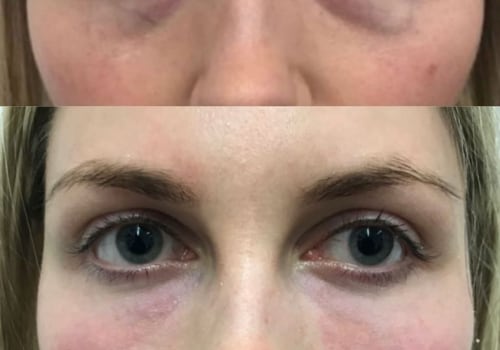
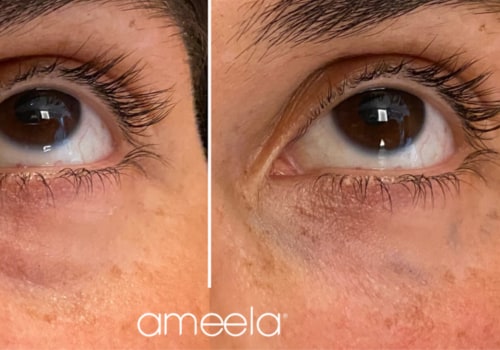
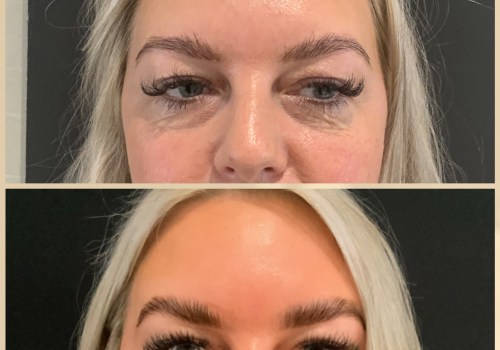
- Under-Eye Area: One of the most delicate areas of the face, the under-eye region can benefit significantly from polynucleotide treatments. These injections help to strengthen the skin, reducing the appearance of fine lines and dark circles while improving overall skin texture.
- Forehead and Mouth: The forehead and mouth areas often show signs of aging through deep lines and wrinkles.
Polynucleotides stimulate collagen production, enhancing elasticity and smoothing out these imperfections.
- Overall Facial Rejuvenation: By promoting cell regeneration, polynucleotides can rejuvenate the entire face, providing a more youthful appearance without the need for invasive procedures.
Neck and Décolleté Treatments
The neck and décolleté are often overlooked in skincare routines but are equally susceptible to aging. Polynucleotide treatments can improve skin texture and firmness in these areas, addressing issues such as sagging skin and fine lines. Regular treatments can lead to a more youthful and revitalised appearance.
Body Applications
- Abdomen: Loose skin on the abdomen can be a concern for many individuals, especially after weight loss or pregnancy. Polynucleotides help to tighten and firm this area by stimulating collagen production.
- Inner Arms and Thighs: These regions often experience sagging skin as we age.
Polynucleotide injections can enhance skin elasticity, making them an effective solution for improving skin quality in these areas.
- Stretch Marks: Stretch marks can be a source of self-consciousness for many. Polynucleotides promote healing and regeneration, helping to reduce their appearance over time.
Treatment of Specific Skin Conditions
Polynucleotides are not only beneficial for aesthetic enhancement but also for treating specific skin conditions:
- Aging Skin: As we age, our skin loses its natural elasticity and hydration. Polynucleotides counteract these effects by promoting cell renewal and collagen synthesis.
- Acne Scarring: The regenerative properties of polynucleotides make them effective in improving the appearance of acne scars by encouraging new cell growth.
- Hyperpigmentation: By promoting an even skin tone through cellular regeneration, polynucleotides can help diminish hyperpigmentation issues.
The Treatment Process: What to Expect
When considering polynucleotide injections, understanding the treatment process is essential for setting realistic expectations and ensuring a smooth experience.This section outlines the key stages of the treatment, from preparation to aftercare, providing potential patients with a comprehensive overview.
Preparation for Treatment
- Before undergoing polynucleotide injections, it is crucial to schedule a consultation with a qualified practitioner. During this appointment, your medical history will be reviewed, and any concerns or questions you may have can be addressed.
- Your practitioner will assess your skin condition and discuss your aesthetic goals to determine if polynucleotide treatment is suitable for you.
- It is advisable to avoid blood-thinning medications, alcohol, and certain supplements (such as fish oil) for at least a week prior to the procedure to minimise the risk of bruising.
The Injection Procedure
The actual procedure typically takes between 30 to 60 minutes, depending on the areas being treated. Here’s what you can expect:
- Your skin will be cleansed thoroughly to remove any impurities.
- A topical anaesthetic may be applied to ensure your comfort during the injections.
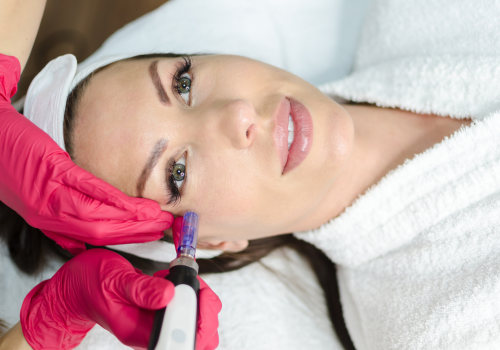
- Using a fine needle or cannula, the practitioner will inject the polynucleotide solution into the targeted areas of your skin. The technique may vary based on the specific treatment goals and areas being addressed.
- Patients often report minimal discomfort during the procedure, with some describing it as similar to a slight pinch.
Post-Treatment Care
After receiving polynucleotide injections, proper aftercare is vital for optimal results:
- Avoid strenuous exercise and excessive sun exposure for at least 48 hours post-treatment.
- Keep the treated area clean and moisturised; your practitioner may recommend specific products to aid recovery.
- It is normal to experience mild swelling or redness at the injection sites, which typically subsides within a few days.
- If you notice any unusual symptoms or prolonged discomfort, contact your practitioner for advice.
By following pre- and post-treatment guidelines, you can enhance your experience and achieve the best possible outcomes from your polynucleotide injections.
Safety and Side Effects of Polynucleotide Treatments
When considering polynucleotide treatments, it is essential to understand the safety profile and potential side effects associated with these innovative injectables. As with any cosmetic procedure, being informed about the risks can help individuals make educated decisions regarding their skin health.Safety of Polynucleotide Injections
Polynucleotide injections are generally regarded as safe when administered by qualified professionals in a clinical setting. The primary component, highly purified DNA fragments derived from salmon or trout sperm, closely resembles human DNA, which significantly reduces the likelihood of adverse reactions. This similarity allows for better biocompatibility, making polynucleotides a suitable option for various skin types.However, it is crucial to undergo a thorough consultation before treatment.
During this consultation, practitioners will assess individual health conditions, allergies, and specific skin concerns to tailor the treatment plan accordingly. This personalised approach not only enhances safety but also optimises the effectiveness of the treatment.
Potential Side Effects
While polynucleotide treatments are generally safe, some patients may experience mild side effects following the procedure. Common side effects include:
- Swelling: Temporary swelling at the injection site is common and usually subsides within a few days.
- Bruising: Minor bruising may occur due to needle insertion but typically resolves quickly.
- Redness: Some patients may notice redness around the injection area, which usually fades within hours.
- Itching or tenderness: Mild discomfort or itching can occur but is generally short-lived.
Risks Associated with Polynucleotide Treatments
Although serious complications are rare, potential risks should not be overlooked.
These may include:
- Infection: As with any injection procedure, there is a slight risk of infection if proper hygiene practices are not followed.
- Allergic reactions: While uncommon, some individuals may experience allergic reactions to the components of the treatment.
- Nodules or lumps: In rare cases, patients may develop small nodules at the injection site that require further treatment.
Long-Term Benefits and Considerations
Polynucleotide treatments have gained significant attention in the realm of aesthetic medicine, not only for their immediate effects but also for their long-term benefits. Understanding these long-term advantages is crucial for anyone considering this innovative approach to skincare.One of the primary long-term benefits of polynucleotide treatments is their ability to stimulate collagen and elastin production over time. As we age, the natural production of these essential proteins diminishes, leading to sagging skin and the formation of wrinkles.By introducing polynucleotides into the skin, patients can experience a gradual improvement in skin texture and elasticity, which can last for several months after treatment. This regenerative process means that the skin continues to improve even after the initial treatment period.Moreover, polynucleotides are known for their role in enhancing skin hydration. They help to retain moisture within the skin, which is vital for maintaining a youthful appearance. As hydration levels increase, the skin appears plumper and more radiant, effectively reducing the visibility of fine lines and wrinkles.Another significant consideration is the sustainability of results achieved through polynucleotide treatments.
While immediate effects may not be as pronounced as those from traditional dermal fillers, the long-term improvements can be more substantial and enduring. Patients often report that their skin feels healthier and more resilient over time, which can lead to a reduced need for frequent touch-ups compared to other injectable treatments.For optimal results, ongoing use of polynucleotides in skincare regimens is recommended. Regular treatments can help maintain collagen levels and support continuous skin renewal. Many practitioners suggest a maintenance schedule that includes follow-up sessions every six months to a year, depending on individual skin conditions and goals.In addition to aesthetic benefits, polynucleotides also offer therapeutic advantages.
Their anti-inflammatory properties can aid in reducing redness and irritation, making them suitable for various skin types, including sensitive skin. This versatility further enhances their appeal as a long-term skincare solution.In conclusion, polynucleotide treatments provide a multifaceted approach to skincare that not only addresses immediate concerns but also promotes long-lasting improvements in skin health. By understanding the long-term benefits and committing to ongoing treatment, individuals can achieve and maintain youthful, vibrant skin well into the future.
Conclusion: The Future of Skin Rejuvenation with Polynucleotides
As we draw our exploration of polynucleotides to a close, it is evident that these innovative treatments are paving the way for a new era in non-invasive skin rejuvenation. The multifaceted benefits of polynucleotides extend beyond mere aesthetic enhancements; they represent a holistic approach to skin health that addresses various concerns at a cellular level.Throughout this article, we have highlighted several key advantages of polynucleotide treatments:- Cellular Regeneration: Polynucleotides stimulate the body’s natural processes, promoting collagen and elastin production, which are essential for maintaining skin elasticity and firmness.
- Improved Skin Texture: By enhancing hydration and reducing the appearance of fine lines, wrinkles, and scars, polynucleotides contribute to a smoother and more youthful complexion.
- Versatility: These treatments can be applied to various areas of the body, including delicate regions such as the under-eye area, neck, and décolleté, making them suitable for a wide range of skin types and concerns.
- Long-Lasting Results: While immediate effects may not be visible, the gradual improvements seen over weeks and months lead to sustained enhancements in skin quality.
- Safety Profile: With minimal risk of adverse reactions, polynucleotides offer a safer alternative to traditional dermal fillers, particularly for those concerned about potential complications.
As research continues to unveil their potential, we can expect further advancements in treatment techniques and formulations. This will likely lead to even more effective solutions tailored to individual needs.In conclusion, polynucleotides stand out as a revolutionary option in the realm of aesthetic treatments. Their unique properties not only enhance the appearance of the skin but also promote overall skin health. As we embrace these advancements in skincare technology, it is crucial for individuals seeking rejuvenation to consider polynucleotide treatments as a viable and effective choice for achieving their desired results.