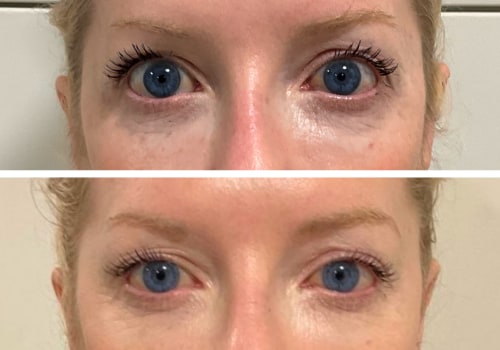
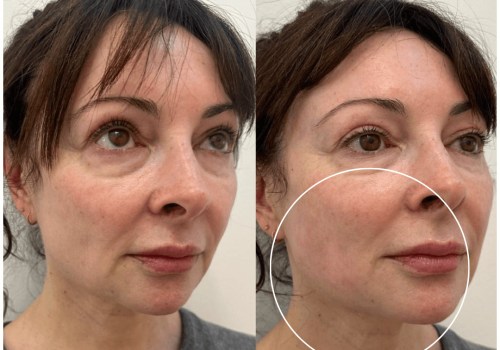
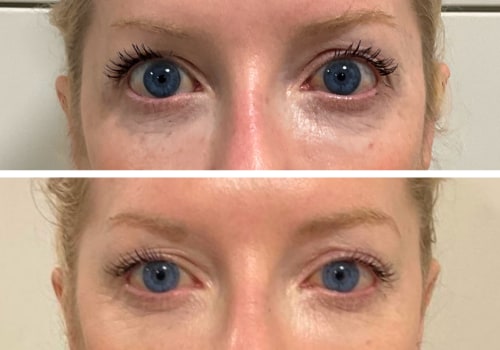
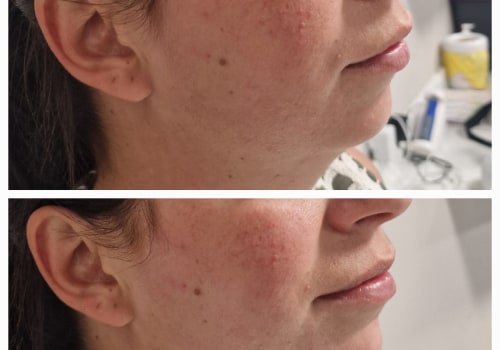
In the realm of aesthetic treatments, polynucleotides have emerged as a revolutionary component, offering a unique approach to skin rejuvenation. These naturally occurring molecules, composed of long chains of nucleotides, play a crucial role in cellular functions and are integral to the body’s healing processes. When applied in cosmetic procedures, polynucleotides work at a cellular level to enhance skin health, promoting hydration, elasticity, and overall vitality. This makes them an appealing option for those seeking to improve their skin's appearance without invasive surgery.The benefits of polynucleotides extend beyond mere hydration; they actively stimulate the production of collagen and elastin, two essential proteins that contribute to skin firmness and resilience.
As we age, the natural production of these proteins diminishes, leading to sagging skin and the formation of wrinkles. By introducing polynucleotides into the skin through injections, practitioners can effectively rejuvenate the dermal structure, resulting in a more youthful and radiant complexion.Moreover, polynucleotides are particularly effective in treating various skin concerns such as fine lines, uneven texture, and even hyperpigmentation. Their ability to repair damaged fibroblasts—cells responsible for producing collagen—means that they not only address existing issues but also help prevent future signs of aging. This dual action makes polynucleotides a valuable addition to any skincare regimen.As we delve deeper into the compatibility of polynucleotides with other treatments like Botox, it becomes evident that combining these therapies can yield comprehensive results.
While Botox targets muscle activity to smooth out dynamic wrinkles, polynucleotides enhance the skin's overall quality and resilience. Understanding how these treatments work together is essential for anyone considering aesthetic enhancements.
What is Botox and How Does It Work?
Botox
, short for botulinum toxin, is a popular cosmetic treatment that has gained significant attention for its ability to reduce the appearance of wrinkles and fine lines. It is derived from the bacterium Clostridium botulinum, which produces a neurotoxin that, when used in controlled doses, can temporarily paralyse specific muscles in the face.The primary mechanism of action of Botox involves blocking the release of acetylcholine, a neurotransmitter responsible for muscle contraction. When injected into targeted facial muscles, Botox prevents these muscles from contracting, leading to a smoother appearance on the skin's surface.
This effect typically lasts for three to six months, after which the muscle activity gradually returns, and repeat treatments are necessary to maintain results.One of the most significant benefits of Botox is its effectiveness in treating dynamic wrinkles—those caused by repetitive facial movements such as frowning, squinting, or smiling. Common treatment areas include:
- Forehead lines: Horizontal lines that develop across the forehead due to raising eyebrows.
- Crow's feet: Fine lines that appear at the outer corners of the eyes when smiling or squinting.
- Frown lines: Vertical lines between the eyebrows that can create a look of anger or concern.
- Bunny lines: Wrinkles that form on the bridge of the nose when scrunching it.
Its ability to provide quick results with minimal downtime has solidified its place as one of the leading treatments in aesthetic medicine. Understanding how Botox works and its benefits is essential for anyone considering this treatment, especially when exploring complementary options like polynucleotides.
The Synergy Between Botox and Polynucleotides
The combination of Botox and polynucleotides represents a significant advancement in the field of aesthetic medicine, offering a multifaceted approach to skin rejuvenation. While Botox is renowned for its ability to temporarily paralyse facial muscles, thereby reducing the appearance of dynamic wrinkles, polynucleotides work at a deeper cellular level to enhance skin health and vitality.One of the primary benefits of using these treatments in tandem is their complementary nature. Botox effectively addresses the superficial signs of aging by smoothing out fine lines and wrinkles caused by muscle contractions.In contrast, polynucleotides focus on improving skin texture, hydration, and overall cellular function. This dual-action approach not only provides immediate aesthetic improvements but also promotes long-term skin health.When considering the synergy between these two treatments, it is essential to understand how they can be strategically integrated into a comprehensive skincare regimen. For instance, patients who have previously undergone Botox can still benefit from polynucleotide treatments after allowing an appropriate waiting period. This ensures that the skin has time to respond effectively to each treatment without interference.Moreover, polynucleotides can enhance the results of Botox by improving skin elasticity and hydration, which may help prolong the effects of Botox.
As polynucleotides stimulate collagen production and cellular regeneration, they create a more supportive environment for the results achieved through Botox injections.In practice, many practitioners recommend a tailored treatment plan that incorporates both modalities. This may involve administering Botox first to address immediate concerns such as crow's feet or frown lines, followed by polynucleotide injections to rejuvenate the skin's underlying structure. Such a strategy not only maximises the benefits of each treatment but also ensures that patients achieve a more youthful and radiant appearance.Ultimately, the synergy between Botox and polynucleotides exemplifies how modern aesthetic treatments can work together to provide comprehensive solutions for skin rejuvenation. By understanding the unique properties and benefits of each treatment, patients can make informed decisions about their skincare journey, leading to enhanced results and greater satisfaction.
Benefits of Combining Botox with Polynucleotide Treatments
Combining Botox with polynucleotide treatments offers a synergistic approach to skin rejuvenation, enhancing the overall effectiveness of both therapies.Each treatment targets different aspects of skin aging, making their combination particularly beneficial for those seeking comprehensive anti-aging solutions.
Immediate Benefits
- Smoother Skin Texture: Botox works by relaxing the muscles responsible for dynamic wrinkles, providing immediate smoothing effects on fine lines and creases. When paired with polynucleotides, which promote cellular repair and hydration, patients can experience a more refined skin texture almost instantly.
- Enhanced Hydration: Polynucleotides are known for their ability to improve skin hydration at a cellular level. This means that while Botox is addressing muscle-induced wrinkles, polynucleotides are simultaneously boosting moisture levels, leading to plumper and more youthful-looking skin.
- Quick Recovery: The combination of these treatments often results in minimal downtime. Patients can typically return to their daily activities shortly after receiving both therapies, making it an attractive option for those with busy lifestyles.
Long-Term Advantages
- Collagen Stimulation: One of the standout benefits of polynucleotides is their ability to stimulate collagen production over time.
This means that while Botox provides immediate wrinkle reduction, polynucleotides work behind the scenes to improve skin elasticity and firmness in the long run.
- Comprehensive Anti-Aging: By addressing both the superficial signs of aging (like wrinkles) and deeper skin health issues (such as texture and hydration), this combination treatment offers a holistic approach to anti-aging. Patients can enjoy sustained improvements in their skin's appearance.
- Customisable Treatment Plans: The versatility of combining these treatments allows practitioners to tailor plans based on individual patient needs. Whether focusing on specific areas or overall facial rejuvenation, this adaptability ensures optimal results.
Safety Considerations When Using Botox with Polynucleotides
When considering the combination of Botox and polynucleotides, it is essential to address various safety considerations to ensure optimal results and minimise potential risks.Both treatments are widely used in aesthetic medicine, but understanding their interactions and side effects is crucial for anyone contemplating these procedures.
Potential Side Effects
- Botox: Common side effects of Botox include temporary bruising, swelling, and redness at the injection site. Some patients may also experience headaches or a sensation of heaviness in the treated area. Rarely, more severe reactions such as drooping eyelids or asymmetry can occur.
- Polynucleotides: The use of polynucleotides may lead to mild swelling, redness, or tenderness at the injection site. These effects typically resolve within a few days.
In rare cases, allergic reactions or infections can occur, necessitating prompt medical attention.
Precautions Before Treatment
Before undergoing treatment with either Botox or polynucleotides, it is vital to consult with a qualified professional who has experience in administering these procedures. During your consultation, be sure to discuss:
- Your medical history, including any allergies or previous reactions to injectables.
- Current medications or supplements you are taking that may affect treatment outcomes.
- Your aesthetic goals and any concerns you may have regarding the combination of treatments.
Timing Between Treatments
If you have recently received Botox injections, it is advisable to wait a specific period before introducing polynucleotide treatments. This waiting period allows your body to adjust to the effects of Botox and ensures that the polynucleotides can work effectively without interference. Generally, a gap of at least two weeks is recommended, but this can vary based on individual circumstances.
The Importance of Professional Guidance
Combining Botox with polynucleotides can yield impressive results when done correctly; however, it is crucial to approach this combination with caution.
Always seek treatment from accredited clinics where licensed professionals can tailor a plan that suits your unique needs. They will monitor your progress and address any concerns that arise during the treatment process.In summary, while both Botox and polynucleotides offer significant benefits for skin rejuvenation, understanding their safety considerations is paramount. By being informed and consulting with experienced practitioners, you can achieve your aesthetic goals safely and effectively.
Treatment Protocol: What to Expect During Your Sessions
When considering polynucleotide treatments alongside Botox, understanding the treatment protocol is essential for achieving optimal results. Here’s a detailed overview of what you can expect during your sessions.Preparation for Your Treatment
- Initial Consultation: Before any treatment, a thorough consultation with a qualified practitioner is crucial.
This session will involve discussing your medical history, aesthetic goals, and any concerns you may have.
- Skin Assessment: Your practitioner will assess your skin type and condition to tailor the treatment plan specifically for you. This may include determining the appropriate areas for Botox and polynucleotide injections.
- Avoiding Certain Substances: It is advisable to avoid blood-thinning medications, alcohol, and certain supplements (like fish oil) for at least 48 hours prior to your treatment to minimise bruising.
The Treatment Procedure
During the treatment session, you can expect the following:
- Botox Injection: The practitioner will begin by administering Botox using a fine needle. The injections are typically quick and may cause minimal discomfort. The areas treated will depend on your specific concerns, such as forehead lines or crow's feet.
- Polynucleotide Injection: Following Botox, polynucleotide injections will be performed.
These involve injecting a gel-like substance containing purified DNA fractions into targeted areas of the skin. This process aims to rejuvenate the skin at a cellular level.
- Duration: The entire procedure usually takes between 30 to 60 minutes, depending on the number of areas being treated.
Aftercare Instructions
Post-treatment care is vital for ensuring the best results:
- Avoid Touching the Treated Areas: Refrain from touching or massaging the injection sites for at least 24 hours to prevent migration of the products.
- No Strenuous Activity: It’s recommended to avoid intense exercise or activities that may increase blood flow to the face for 24 hours post-treatment.
- Follow-Up Appointments: Schedule follow-up visits as advised by your practitioner to monitor progress and discuss any further treatments if necessary.
Post-Treatment Care: Maximising Results from Your Treatments
After undergoing treatments such as Botox and polynucleotides, proper post-treatment care is essential to maximise the results and ensure your skin remains healthy and vibrant. Both treatments offer unique benefits, but their effectiveness can be significantly enhanced with the right aftercare.Understanding Your Skin's Needs
Following any injectable treatment, your skin may experience temporary swelling, redness, or tenderness. It is crucial to allow your skin to recover while also nurturing it to maintain the benefits of the treatments.
Here are some practical tips for post-treatment care:
- Avoid Touching the Treated Area: For at least 24 hours post-treatment, refrain from touching or massaging the areas where injections were administered. This helps prevent any potential displacement of the product and reduces the risk of irritation.
- Stay Hydrated: Drinking plenty of water is vital for skin health. Hydration aids in the healing process and helps maintain skin elasticity, which is particularly important after polynucleotide treatments that aim to improve skin texture.
- Gentle Cleansing: Use a mild cleanser to wash your face for the first few days after treatment. Avoid harsh scrubs or exfoliants that could irritate your skin.
- Sun Protection: Protecting your skin from sun exposure is crucial.
Apply a broad-spectrum sunscreen with at least SPF 30 daily, especially if you have had polynucleotide injections, as your skin may be more sensitive to UV rays.
- Avoid Strenuous Activities: For at least 24-48 hours post-treatment, avoid intense workouts or activities that cause excessive sweating. This can help minimise swelling and allow the products to settle properly.
- Follow-Up Treatments: Discuss with your practitioner about scheduling follow-up appointments. Regular treatments can enhance and prolong the effects of both Botox and polynucleotides.
Skincare Routine After Injections
Incorporating a tailored skincare routine can further enhance the results of your treatments. Consider using products that promote hydration and collagen production:
- Hyaluronic Acid Serums: These can help maintain moisture levels in your skin, complementing the hydrating effects of polynucleotides.
- Peptides: Look for serums containing peptides that support skin repair and regeneration, working synergistically with polynucleotide treatments.
- Avoid Retinoids Initially: While retinoids are excellent for long-term skin health, it’s best to avoid them for at least a week after injections to prevent irritation.
Frequently Asked Questions About Botox and Polynucleotides
When considering aesthetic treatments, patients often have numerous questions regarding the compatibility and effectiveness of various procedures.Below are some frequently asked questions about the use of Botox in conjunction with polynucleotides.
Can I have Botox and polynucleotides at the same time?
Yes, it is possible to receive both Botox and polynucleotide treatments during the same session. However, it is essential to consult with a qualified practitioner who can assess your individual needs and create a tailored treatment plan. The combination of these treatments can enhance overall skin rejuvenation, as Botox targets muscle activity while polynucleotides work on skin health at a cellular level.How long should I wait between treatments?
If you have recently undergone Botox injections, it is advisable to wait at least two weeks before receiving polynucleotide treatments. This waiting period allows the Botox to take full effect and ensures that your skin has adequate time to respond to the neurotoxin.Conversely, if you have had polynucleotides administered, you may want to wait a similar duration before getting Botox.
What are the benefits of combining these treatments?
- Comprehensive Rejuvenation: While Botox smooths out dynamic wrinkles caused by muscle movement, polynucleotides improve skin texture, hydration, and elasticity.
- Long-lasting Results: The synergistic effects of both treatments can lead to more prolonged anti-aging benefits.
- Customised Treatment Plans: A skilled practitioner can tailor a regimen that addresses your specific concerns, whether they be fine lines, wrinkles, or overall skin quality.
Are there any risks associated with combining these treatments?
As with any cosmetic procedure, there are potential risks involved. However, when performed by an experienced professional in a reputable clinic, the combination of Botox and polynucleotides is generally considered safe. It is crucial to discuss any concerns or medical history with your practitioner prior to treatment.What should I expect after treatment?
Post-treatment experiences can vary from person to person. After receiving Botox, you may notice some swelling or bruising at the injection sites, which typically resolves within a few days.Following polynucleotide injections, mild redness or swelling may occur but usually subsides quickly. Your practitioner will provide aftercare instructions to ensure optimal results.In summary, combining Botox with polynucleotides can be an effective strategy for achieving youthful and rejuvenated skin. Always consult with a qualified professional to determine the best approach for your individual needs.
Conclusion: The Future of Aesthetic Treatments with Polynucleotides and Botox
As we look towards the future of aesthetic treatments, the combination of Botox and polynucleotides presents a promising avenue for achieving comprehensive skin rejuvenation. The synergy between these two treatments not only addresses the visible signs of aging but also enhances the overall health and vitality of the skin.Polynucleotides, with their ability to stimulate cellular regeneration and repair, complement the muscle-relaxing effects of Botox.While Botox effectively smooths out dynamic wrinkles by temporarily paralyzing facial muscles, polynucleotides work at a deeper level, promoting collagen production and improving skin texture. This dual approach allows for a more holistic treatment plan that can yield both immediate and long-lasting results.Moreover, the versatility of polynucleotide treatments means they can be tailored to meet individual skin concerns, whether it’s fine lines, uneven skin tone, or loss of elasticity. When combined with Botox, patients can experience a more youthful appearance without compromising on skin quality. This is particularly beneficial for those who have previously undergone Botox treatments and are seeking additional enhancements.It is essential for patients to consult with qualified professionals who can create a personalised treatment plan that considers their unique needs and aesthetic goals.
The integration of these treatments should be approached with care, ensuring that adequate time is allowed between sessions to maximise the benefits of each.In conclusion, the future of aesthetic medicine lies in innovative combinations like Botox and polynucleotides. As research continues to evolve and more practitioners adopt these methods, patients can look forward to enhanced options for achieving youthful, radiant skin. The collaboration between these two modalities not only signifies a leap forward in cosmetic treatments but also highlights the importance of addressing both surface-level concerns and underlying skin health.