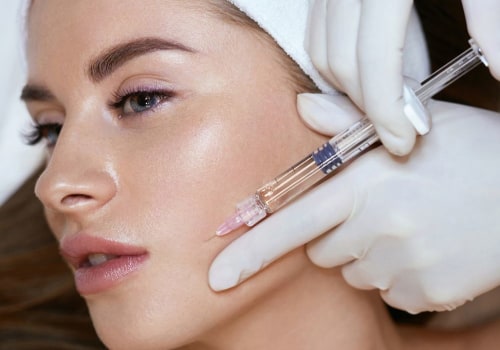
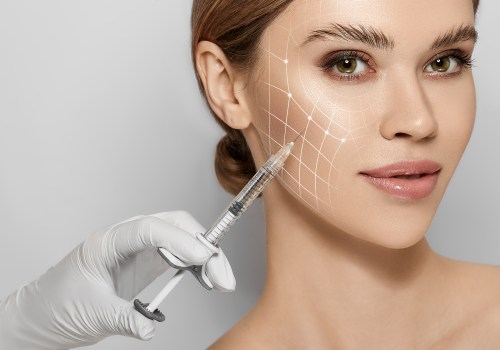
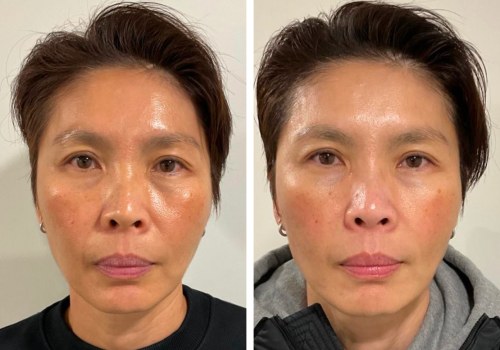
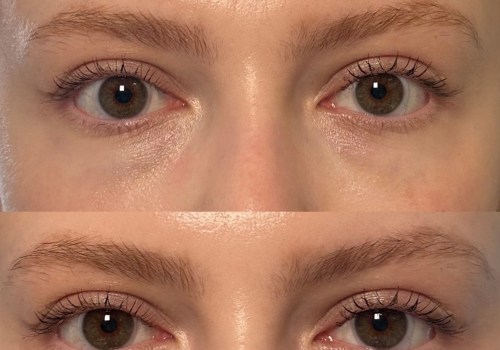
Polynucleotide treatments have emerged as a revolutionary approach in the realm of skin rejuvenation, particularly for delicate areas such as under the eyes. These innovative therapies utilise polynucleotides, which are fragments of DNA that promote cellular regeneration and repair. As we age, the skin around our eyes often shows the first signs of fatigue and aging, manifesting as fine lines, wrinkles, and a loss of elasticity. Polynucleotide treatments offer a natural solution to combat these issues by stimulating collagen production and enhancing skin hydration.The application of polynucleotides under the eyes is gaining popularity due to their ability to provide subtle yet significant improvements in skin texture and appearance.
Unlike traditional dermal fillers that primarily focus on volumising the area, polynucleotides work by rejuvenating the skin from within. This method not only addresses existing concerns but also helps to prevent future signs of aging, making it an appealing option for those seeking long-term results.Understanding the longevity of results from polynucleotide treatments is crucial for anyone considering this procedure. Typically, patients can expect effects to last between six to nine months, depending on various factors such as individual skin type, age, and lifestyle choices. Regular maintenance sessions can further enhance and prolong these results, ensuring that the rejuvenated appearance is sustained over time.
As we delve deeper into this topic, we will explore how polynucleotide treatments work, their benefits for under-eye rejuvenation, and what one can expect in terms of duration and maintenance.
What Are Polynucleotides?
Polynucleotides are naturally occurring biopolymers composed of long chains of nucleotide units, which are the building blocks of DNA and RNA. These molecules play a crucial role in various biological processes, including cellular repair and regeneration. In the context of skin treatments, polynucleotides are derived primarily from salmon sperm, which is known for its high biological compatibility with human tissues.The definition of polynucleotides can be understood as sequences of nucleotides that are linked together by phosphodiester bonds. This structure allows them to perform essential functions in the body, such as promoting cell proliferation and enhancing tissue repair mechanisms.When injected into the skin, polynucleotides stimulate the production of collagen and elastin, two vital proteins that contribute to skin elasticity and firmness.One of the significant benefits of polynucleotides in skin rejuvenation is their ability to enhance hydration levels within the skin. By attracting water molecules, they help maintain moisture balance, leading to a plumper and more youthful appearance. Additionally, polynucleotides have anti-inflammatory properties that can soothe irritated skin and reduce redness, making them an excellent option for individuals with sensitive skin.Moreover, polynucleotide treatments are known for their regenerative capabilities. They not only improve the overall texture and tone of the skin but also promote healing from within.
This makes them particularly effective for addressing fine lines, wrinkles, and other signs of aging. Unlike traditional dermal fillers that provide immediate volume but may lead to complications such as lumpiness or migration, polynucleotides work gradually to restore a natural look without the risk of adverse effects.In summary, polynucleotides represent a cutting-edge approach to skin rejuvenation. Their biological origin and unique properties make them a preferred choice for those seeking a natural method to enhance their appearance while promoting long-term skin health.
How Do Polynucleotide Treatments Work?
Polynucleotide treatments represent a cutting-edge approach in the realm of aesthetic medicine, particularly for skin rejuvenation. Understanding how these treatments work is essential for anyone considering them, as they harness the body’s natural healing processes to promote skin regeneration.At the core of polynucleotide treatments is the use of polynucleotides , which are fragments of DNA typically derived from salmon sperm.These fragments are biologically compatible with human tissue, making them an ideal choice for cosmetic applications. When injected into the skin, polynucleotides stimulate a series of biological responses that lead to improved skin texture and elasticity.
The Mechanism of Action
The mechanism by which polynucleotides exert their effects involves several key processes:- Cellular Regeneration: Polynucleotides promote cellular turnover by encouraging the proliferation of fibroblasts, the cells responsible for producing collagen and elastin. This increase in collagen synthesis helps to restore the skin's firmness and elasticity.
- Hydration: The presence of polynucleotides in the dermis enhances moisture retention. They attract water molecules, which helps to keep the skin hydrated and plump, reducing the appearance of fine lines and wrinkles.
- Anti-inflammatory Effects: Polynucleotides possess anti-inflammatory properties that can help soothe irritated skin.
This is particularly beneficial for individuals with sensitive skin or those experiencing inflammation due to aging or environmental factors.
- Stimulation of Growth Factors: The introduction of polynucleotides into the skin can stimulate the release of various growth factors that play a crucial role in tissue repair and regeneration. These growth factors further enhance the skin's ability to heal and rejuvenate itself.
Duration of Results from Polynucleotide Treatments
Polynucleotide treatments have gained popularity for their ability to rejuvenate the skin, particularly in delicate areas such as under the eyes.Understanding how long the results from these treatments last is crucial for anyone considering this innovative approach to skincare.Typically, the effects of polynucleotide treatments can last between 6 to 9 months. However, this duration can vary significantly based on several individual factors. For instance, a person's age, skin type, and overall lifestyle play a pivotal role in determining how long the results will endure.After the initial treatment, many clients report noticeable improvements that can last anywhere from 4 to 6 months. To achieve optimal results, it is often recommended to undergo a series of 2 to 3 treatments , spaced approximately 3 to 4 weeks apart.
This allows the skin ample time to adapt and respond positively to the polynucleotides.Following this initial series, maintenance sessions are essential for prolonging the benefits of the treatment. Typically, clients are advised to schedule these maintenance sessions every 6 months. This ongoing care helps sustain the rejuvenating effects and ensures that the skin continues to look vibrant and youthful.It is important to note that while polynucleotide treatments offer significant advantages over traditional dermal fillers—such as a more natural approach to skin repair—the longevity of results can still be influenced by external factors. For example, exposure to sun, smoking, and inadequate skincare routines can all contribute to a quicker degradation of results.In summary, while polynucleotide treatments can provide lasting effects under the eyes for up to 9 months , individual factors and proper maintenance are key to maximising their longevity.
Regular follow-up sessions not only enhance results but also promote ongoing skin health.
Factors Influencing Treatment Longevity
When considering the longevity of results from polynucleotide treatments, it is essential to recognise that various individual factors can significantly influence the duration and effectiveness of the outcomes. Understanding these factors allows potential clients to set realistic expectations and make informed decisions regarding their treatment plans.Age
One of the most critical factors affecting the results of polynucleotide treatments is the patient's age. As we age, our skin undergoes natural changes, including a decrease in collagen production and a reduction in skin elasticity. These changes can impact how well the skin responds to treatments.Generally, younger individuals may experience longer-lasting effects due to their skin's inherent resilience and ability to regenerate. In contrast, older patients may find that results diminish more quickly, necessitating more frequent maintenance sessions.
Lifestyle Choices
A person's lifestyle plays a pivotal role in determining how long the effects of polynucleotide treatments last. Factors such as diet, exercise, smoking, and sun exposure can all influence skin health and regeneration. For instance:- Diet: A balanced diet rich in vitamins and antioxidants can promote skin health and enhance the longevity of treatment results.
- Exercise: Regular physical activity improves blood circulation, which can aid in skin rejuvenation and prolong the effects of treatments.
- Smoking: Smoking is known to accelerate skin aging and can lead to diminished results from polynucleotide treatments.
- Sun Exposure: Excessive sun exposure can damage the skin and reduce the effectiveness of rejuvenation treatments.
Skin Type
The type of skin also plays a significant role in how long the results from polynucleotide treatments last.Individuals with oily or combination skin may experience different outcomes compared to those with dry or sensitive skin. Oily skin tends to retain moisture better, which can enhance treatment effects, while dry skin may require additional hydration to maintain results. Furthermore, certain skin conditions or sensitivities may affect how well the body responds to polynucleotides.In summary, while polynucleotide treatments offer promising results for rejuvenating the under-eye area, individual factors such as age, lifestyle choices, and skin type must be considered when evaluating treatment longevity. By understanding these influences, clients can better prepare for their journey towards achieving youthful and revitalised skin.
Comparing Polynucleotides with Other Treatments
When considering cosmetic treatments for rejuvenating the under-eye area, it is essential to compare polynucleotides with other popular options, particularly dermal fillers.Each treatment has its unique characteristics, benefits, and drawbacks that can influence a patient's choice.
Polynucleotides vs Dermal Fillers
Polynucleotide treatments are designed to stimulate skin regeneration and promote collagen production, which can lead to a more youthful appearance over time. In contrast, dermal fillers primarily provide immediate volume and contouring by injecting substances like hyaluronic acid directly into the skin.- Longevity of Results: The effects of polynucleotide treatments typically last between 6 to 9 months, depending on individual factors such as skin type and lifestyle. In comparison, dermal fillers can last anywhere from 6 to 12 months but may require more frequent touch-ups due to their volumizing nature.
- Mechanism of Action: Polynucleotides work by enhancing the body’s natural healing processes, promoting long-term skin health. Dermal fillers provide an instant volumizing effect but do not contribute to skin regeneration.
- Safety Profile: Both treatments are generally considered safe; however, polynucleotides have a lower risk of complications since they are derived from natural sources and break down gradually in the body.
Dermal fillers, while effective, can sometimes lead to issues such as lumpiness or migration if not administered correctly.
Effectiveness of Polynucleotides
The effectiveness of polynucleotide treatments lies in their ability to rejuvenate the skin from within. By encouraging collagen synthesis and improving skin elasticity, these treatments can significantly reduce the appearance of fine lines and wrinkles over time. This regenerative approach contrasts with the more superficial results provided by dermal fillers.Moreover, polynucleotides can be combined with other treatments, such as laser therapy or microneedling, to enhance overall results. This versatility makes them an appealing option for those seeking comprehensive skin rejuvenation rather than just volume enhancement.Ultimately, the choice between polynucleotides and dermal fillers will depend on individual goals, desired outcomes, and consultation with a qualified practitioner who can tailor recommendations based on specific needs.Aftercare and Maintenance for Optimal Results
After undergoing polynucleotide treatment, proper aftercare is crucial to ensure optimal results and prolong the effects of the procedure.The skin around the eyes is particularly delicate, making it essential to follow specific guidelines to maintain the rejuvenating benefits of the treatment.
Immediate Aftercare
- Avoid Touching the Treated Area: For at least 24 hours post-treatment, refrain from touching or rubbing the under-eye area. This helps prevent irritation and reduces the risk of infection.
- Cold Compress: Applying a cold compress can help alleviate any swelling or discomfort. Use a clean cloth soaked in cold water or a gel pack wrapped in a towel for 10-15 minutes at a time.
- Stay Hydrated: Drinking plenty of water post-treatment aids in skin recovery and helps maintain hydration levels, which is vital for skin elasticity and overall health.
Long-Term Maintenance Tips
- Follow-Up Treatments: To achieve and maintain optimal results, it is generally recommended to schedule follow-up sessions every 6 to 9 months. This ensures that the skin continues to benefit from the regenerative properties of polynucleotides.
- Sun Protection: Protecting your skin from UV rays is essential.
Use a broad-spectrum sunscreen with an SPF of at least 30 daily, even on cloudy days, to prevent premature aging and maintain skin health.
- Gentle Skincare Routine: Opt for gentle cleansers and moisturisers that do not irritate the skin. Avoid harsh exfoliants or products containing strong active ingredients for at least two weeks after treatment.
- Avoid Excessive Heat: Steer clear of saunas, steam rooms, and intense workouts for a few days following treatment. Excessive heat can exacerbate swelling and irritation.
- Healthy Lifestyle Choices: A balanced diet rich in antioxidants, regular exercise, and adequate sleep can significantly enhance your skin's appearance and prolong the effects of polynucleotide treatments.
Potential Side Effects and Considerations
While polynucleotide treatments are generally regarded as safe and effective for skin rejuvenation, it is essential to consider potential side effects and risks associated with the procedure. Understanding these factors can help individuals make informed decisions about their treatment options.Common Side Effects
- Swelling: Mild swelling at the injection site is a common reaction following polynucleotide treatment.
This usually subsides within a few days but can be more pronounced in sensitive areas such as under the eyes.
- Bruising: Some patients may experience bruising due to the injection process. This is typically temporary and resolves within a week.
- Redness: Temporary redness around the injection site is also common, often fading within a few hours to a couple of days.
- Itching or Tenderness: Some individuals may feel slight itching or tenderness in the treated area, which usually diminishes quickly.
Less Common Risks
- Infection: As with any injectable treatment, there is a risk of infection. It is crucial to ensure that the procedure is performed in a sterile environment by a qualified professional to minimise this risk.
- Allergic Reactions: Although rare, some patients may experience allergic reactions to the components of the polynucleotide solution. It is advisable to discuss any known allergies with your practitioner beforehand.
- Nodules or Lumps: In some cases, small nodules or lumps may form at the injection site.
These are usually harmless and can resolve on their own but should be monitored by a healthcare provider.
Safety Considerations
Before undergoing polynucleotide treatment, it is vital to consult with a qualified practitioner who can assess your individual health profile and skin condition. Factors such as age, skin type, and medical history can influence both the effectiveness of the treatment and the likelihood of side effects.Additionally, following post-treatment care instructions is crucial for minimising side effects and ensuring optimal results. Patients should avoid strenuous activities, excessive sun exposure, and applying makeup for at least 24 hours after treatment to allow the skin to heal properly.In summary, while polynucleotide treatments offer promising benefits for skin rejuvenation, being aware of potential side effects and safety considerations can enhance your overall experience and satisfaction with the results.
Frequently Asked Questions About Polynucleotide Treatments
Polynucleotide treatments have gained significant attention in the realm of aesthetic medicine, particularly for their rejuvenating effects on the skin. Below are some frequently asked questions that can help clarify common inquiries regarding this innovative treatment.What are polynucleotides?
Polynucleotides are fragments of DNA, often derived from salmon sperm, that play a crucial role in skin regeneration.They stimulate the body’s natural healing processes, promoting collagen production and improving skin texture.
How long do the effects of polynucleotide treatments last?
The results from polynucleotide treatments typically last between 6 to 9 months. However, individual factors such as age, skin type, and lifestyle can influence the longevity of the results. Many patients find that after an initial series of treatments, they may require maintenance sessions every 6 to 9 months to sustain their youthful appearance.How many sessions are needed for optimal results?
For best outcomes, it is generally recommended to undergo a series of 2 to 4 treatments, spaced approximately 3 to 4 weeks apart. This allows the skin adequate time to adapt and respond positively to the polynucleotides.Are there any side effects associated with polynucleotide treatments?
While polynucleotide treatments are considered safe, some patients may experience mild side effects such as swelling, redness, or bruising at the injection site.These effects are usually temporary and resolve within a few days. It is essential to follow proper aftercare instructions to minimise any potential side effects.
Can polynucleotide treatments be combined with other procedures?
Yes, polynucleotide treatments can be effectively combined with other aesthetic procedures, such as laser therapy or microneedling. This combination can enhance overall results by further promoting skin rejuvenation and addressing various skin concerns.Who is an ideal candidate for polynucleotide treatments?
Individuals looking to combat signs of aging, such as fine lines and wrinkles, may benefit from polynucleotide treatments. However, it is crucial for potential candidates to consult with a qualified practitioner to determine if this treatment aligns with their specific skin needs and goals.By addressing these common questions, we hope to provide clarity on polynucleotide treatments and assist individuals in making informed decisions about their skincare options.Conclusion: The Future of Under-Eye Rejuvenation with Polynucleotides
As we conclude our exploration of polynucleotide treatments for under-eye rejuvenation, it is essential to reflect on the significant benefits and the promising future these innovative therapies hold.The ability of polynucleotides to stimulate skin regeneration and enhance overall skin quality makes them a compelling option for those seeking to combat the visible signs of aging.One of the standout features of polynucleotide treatments is their longevity. Typically, the results can last between 6 to 9 months , depending on individual factors such as skin type, age, and lifestyle choices. This duration is particularly appealing when compared to traditional dermal fillers, which may require more frequent touch-ups. With a recommended series of 2 to 3 initial treatments spaced 3 to 4 weeks apart, patients can achieve optimal results that not only rejuvenate the under-eye area but also promote a natural glow.Moreover, the safety profile of polynucleotides is noteworthy.
Derived from salmon sperm DNA, these treatments are biologically compatible and break down naturally within the body, minimising the risk of long-term complications. This aspect is especially crucial for sensitive areas like under the eyes, where skin integrity is paramount.In addition to their regenerative properties, polynucleotides can be effectively combined with other aesthetic procedures, such as laser therapy or microneedling. This synergy can enhance results and provide a comprehensive approach to skin rejuvenation.As we look ahead, it is clear that polynucleotide treatments represent a significant advancement in cosmetic dermatology. Their ability to deliver sustainable results while promoting skin health positions them as a frontrunner in under-eye rejuvenation strategies.
For individuals seeking a natural and effective solution to fine lines and wrinkles, polynucleotides offer a promising pathway towards achieving youthful and revitalised skin.