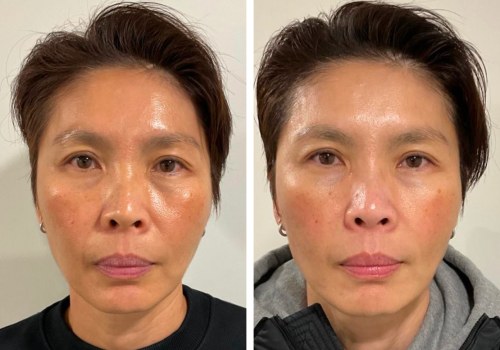
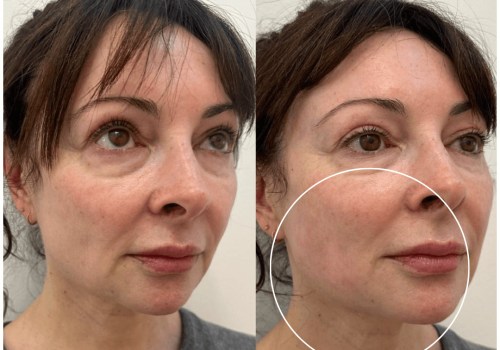
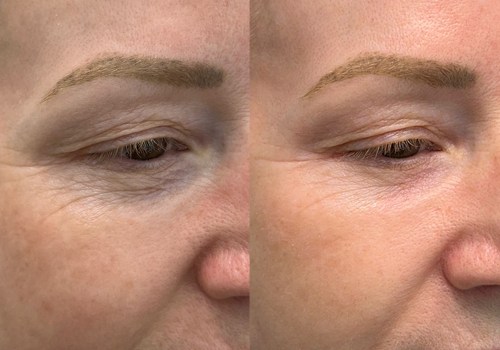
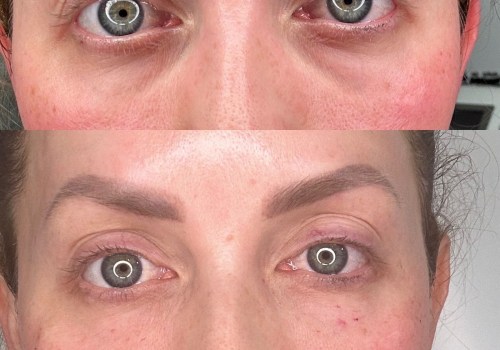
Polynucleotides are naturally occurring biopolymers composed of nucleotide sequences, which play a crucial role in various biological processes. In the realm of aesthetic treatments, they have emerged as a revolutionary component, particularly in skin rejuvenation therapies. These molecules are primarily derived from the DNA of marine sources, such as salmon and trout, and are known for their remarkable ability to stimulate cellular regeneration and enhance skin quality. As the beauty industry continues to evolve, understanding the significance of polynucleotides becomes essential for anyone considering advanced skincare solutions.The benefits of polynucleotides extend far beyond mere hydration; they actively promote collagen and elastin production, which are vital for maintaining skin elasticity and firmness.
By injecting polynucleotides into targeted areas, practitioners can effectively address a variety of skin concerns, including fine lines, wrinkles, and overall skin texture. This innovative approach not only revitalises the skin but also encourages a natural healing response, making it a sought-after option for those looking to achieve a youthful appearance without invasive procedures.There are several types of polynucleotides available on the market today, each formulated to cater to specific aesthetic needs. For instance, products like VITARAN I and VITARAN II are designed for different applications; VITARAN I is ideal for delicate areas such as under the eyes, while VITARAN II is more suited for broader facial and body regions. Other brands like Plinest utilise polynucleotides derived from trout DNA, offering unique benefits tailored to various skin types and concerns.
As we delve deeper into the world of polynucleotides, it becomes clear that these biostimulators represent a significant advancement in non-surgical aesthetic treatments.
The Science Behind Polynucleotides
Polynucleotides are fascinating biomolecules that play a crucial role in the field of aesthetic medicine, particularly in skin rejuvenation. Understanding how these compounds work at a biological level can significantly enhance our appreciation of their effectiveness in promoting youthful skin.At their core, polynucleotides are long chains of nucleotides, which are the building blocks of DNA and RNA. When injected into the skin, they act as biostimulants, triggering a series of biological processes that lead to enhanced collagen and elastin production. This is vital for maintaining skin elasticity and firmness, which tend to diminish with age.One of the primary mechanisms through which polynucleotides exert their effects is by stimulating fibroblasts—cells responsible for producing collagen and elastin.When polynucleotides are introduced into the dermal layer of the skin, they interact with fibroblasts, prompting them to increase their activity. This results in a significant boost in collagen synthesis, which can improve skin texture and reduce the appearance of fine lines and wrinkles.Moreover, polynucleotides also enhance the skin's hydration levels. They promote the production of hyaluronic acid, a naturally occurring substance in the body that retains moisture. Increased hydration not only plumps up the skin but also contributes to a more radiant complexion.Another important aspect of polynucleotides is their ability to promote tissue repair and regeneration.
By encouraging cell renewal and improving blood circulation in the treated areas, they help to restore damaged skin and improve overall skin quality. This regenerative effect is particularly beneficial for individuals with thin or loose skin, as it can lead to a more youthful appearance.In summary, the biological processes initiated by polynucleotides are multifaceted. They stimulate collagen and elastin production, enhance hydration through increased hyaluronic acid levels, and promote tissue repair. These combined effects make polynucleotides a powerful tool in aesthetic treatments aimed at rejuvenating the skin and combating signs of aging.
Popular Brands of Polynucleotides
When it comes to choosing the right polynucleotide treatment, understanding the various brands available in the UK market is essential.Each brand offers unique formulations and benefits tailored to different skin concerns. Here, we explore some of the most popular polynucleotide brands, highlighting their distinctive features and applications.
Vitaran
is a leading name in the realm of polynucleotides, renowned for its commitment to quality. With two primary products, Vitaran I and Vitaran II, this brand stands out due to its rigorous quality control processes. Vitaran I is specifically designed for delicate areas such as under the eyes, effectively addressing issues like dark circles and skin thinning.
In contrast, Vitaran II is formulated for broader facial and body applications, making it versatile for various rejuvenation needs.
Plinest
offers a unique approach by utilising polynucleotides derived from trout DNA. This brand is particularly effective in treating a wide range of skin issues, including fine lines, wrinkles, and volume loss. Its formulation is gentle enough for sensitive skin, making it an excellent choice for those who may have experienced adverse reactions to other treatments.
Plenhyage
is another noteworthy contender in the polynucleotide market. This brand focuses on enhancing skin hydration and elasticity through its innovative formulations.
Plenhyage treatments are designed to stimulate collagen production while also improving overall skin texture. Users often report significant improvements in skin firmness and a reduction in visible signs of aging after a series of sessions.
Rejuran
, known for its regenerative properties, harnesses the power of polynucleotides to promote skin healing and rejuvenation. This brand is particularly favoured for its ability to enhance skin elasticity and reduce the appearance of scars and pigmentation issues. Rejuran treatments are often recommended for individuals looking to restore their skin's youthful glow while addressing specific concerns like acne scars.In summary, selecting the best polynucleotide brand depends on individual skin needs and treatment goals.
Whether you prioritise hydration, elasticity, or targeted rejuvenation, brands like Vitaran, Plinest, Plenhyage, and Rejuran offer tailored solutions that can help achieve desired results.
Comparing Vitaran I and Vitaran II
When considering polynucleotide treatments, Vitaran I and Vitaran II emerge as two prominent options, each tailored for specific aesthetic needs. Understanding the differences between these two products is crucial for individuals seeking effective skin rejuvenation solutions.Vitaran I
is primarily designed for the delicate under-eye area. This product excels in addressing concerns such as dark circles, hollowness, and fine lines that often plague this sensitive region. The formulation of Vitaran I is specifically crafted to enhance skin thickness and improve overall texture, making it an ideal choice for those looking to rejuvenate their under-eye appearance.
Its unique composition promotes hydration and stimulates collagen production, which is essential for restoring youthful vitality to the skin.On the other hand, Vitaran II is formulated for broader applications across various facial and body areas. This product is particularly effective in treating larger surface areas where skin laxity and volume loss are more pronounced. Vitaran II not only aids in improving skin elasticity but also enhances overall skin quality by promoting cellular regeneration and hydration. It is suitable for use on the cheeks, jawline, and even on the neck, making it a versatile option for comprehensive facial rejuvenation.Both Vitaran products share a commitment to quality, being the first polynucleotides with 100% controlled quality assurance.
However, their distinct formulations cater to different aesthetic goals:
- Best Use Cases for Vitaran I:
- Targeting fine lines and wrinkles under the eyes.
- Reducing dark circles and enhancing skin brightness.
- Improving skin thickness in delicate areas.
- Best Use Cases for Vitaran II:
- Treating sagging skin on the cheeks and jawline.
- Addressing overall skin texture and elasticity.
- Providing hydration across larger facial areas.
Benefits of Using Polynucleotide Treatments
Polynucleotide treatments have emerged as a revolutionary option in the realm of aesthetic medicine, offering a multitude of benefits that cater to various skin concerns. These injectable therapies are primarily designed to rejuvenate the skin, enhance hydration, and improve elasticity, making them a sought-after choice for individuals looking to combat the signs of aging.One of the most significant advantages of polynucleotide injections is their ability to stimulate collagen production. Collagen is a vital protein that provides structure and firmness to the skin.As we age, collagen levels naturally decline, leading to sagging skin and the formation of wrinkles. Studies have shown that polynucleotides can boost collagen synthesis by up to 30% after just a few treatment sessions. This increase not only helps in reducing fine lines and wrinkles but also contributes to an overall more youthful appearance.In addition to collagen stimulation, polynucleotides are known for their hydrating properties. They enhance the skin's moisture retention capabilities, resulting in a plumper and more radiant complexion.
This is particularly beneficial for individuals with dry or dehydrated skin, as polynucleotide treatments can restore lost hydration and improve skin texture.Moreover, polynucleotides promote tissue repair and cell renewal. By stimulating fibroblasts—cells responsible for producing collagen and elastin—these treatments encourage the body’s natural healing processes. This regenerative effect not only aids in repairing damaged skin but also enhances overall skin quality, making it appear healthier and more vibrant.Another noteworthy benefit is the versatility of polynucleotide treatments. They can be effectively used in various areas of the face and body, including delicate regions such as under the eyes, where skin tends to be thinner and more prone to aging signs.
The targeted application allows practitioners to tailor treatments according to individual needs, addressing specific concerns such as dark circles or volume loss.Furthermore, polynucleotide injections are generally well-tolerated with minimal side effects, making them a safe option for many patients. The use of ultra-purified DNA fractions ensures that these treatments are not only effective but also reduce the risk of adverse reactions.In summary, the benefits of using polynucleotide treatments extend beyond mere cosmetic enhancements. With their ability to rejuvenate skin, increase hydration levels, improve elasticity, and promote natural healing processes, it is no wonder that these innovative injectables are gaining popularity among those seeking effective anti-aging solutions.
Potential Side Effects and Considerations
While polynucleotide treatments offer numerous benefits for skin rejuvenation, it is essential to consider potential side effects and risks associated with these injections. Understanding these factors can help individuals make informed decisions regarding their aesthetic treatments.Common Side Effects
- Swelling: One of the most frequently reported side effects is swelling at the injection site.
This is typically temporary and should subside within a few days.
- Bruising: Due to the nature of injections, some patients may experience bruising. This can vary in severity and usually resolves within a week.
- Pain or Discomfort: Mild pain or discomfort during and after the procedure is common. Local anaesthetic is often used to minimise this sensation.
- Redness: Temporary redness around the injection site may occur, which generally fades quickly.
Less Common Risks
- Allergic Reactions: Although rare, some individuals may experience allergic reactions to the components of polynucleotides. Symptoms can include itching, rash, or swelling beyond the injection site.
- Infection: As with any injection, there is a risk of infection.
It is crucial to ensure that the procedure is performed in a sterile environment by a qualified professional.
- Nodules or Lumps: In some cases, patients may develop small nodules or lumps at the injection site. These are usually harmless but can be aesthetically concerning.
Safety Considerations
Before undergoing polynucleotide treatments, it is vital to consult with a qualified practitioner who can assess your individual health status and skin type. Discuss any pre-existing conditions or medications that may affect your treatment outcome. Additionally, ensure that you are aware of the practitioner's credentials and experience with polynucleotide injections.In conclusion, while polynucleotide treatments are generally safe and effective for skin rejuvenation, being aware of potential side effects and risks is crucial.
By taking these considerations into account and seeking professional guidance, individuals can enhance their aesthetic journey while minimising adverse effects.
Who Should Consider Polynucleotide Treatments?
Polynucleotide treatments have gained significant traction in the aesthetic industry, but not everyone is an ideal candidate for these innovative procedures. Understanding who can benefit from polynucleotide injections is crucial for achieving optimal results and aligning treatments with individual aesthetic goals.Ideal Candidates for Polynucleotide Treatments
- Individuals with Signs of Ageing: Those experiencing fine lines, wrinkles, and loss of skin elasticity are prime candidates. Polynucleotides stimulate collagen production, which can help restore youthful skin texture and firmness.
- Patients with Thinning Skin: As skin ages, it may become thinner and more fragile. Polynucleotide treatments are particularly effective in rejuvenating areas where the skin has lost volume and elasticity, such as under the eyes and on the neck.
- People Seeking Non-Surgical Solutions: For those who prefer non-invasive treatments over surgical options, polynucleotides offer a compelling alternative.
They provide significant rejuvenation without the need for extensive recovery time.
- Individuals with Specific Skin Concerns: Those dealing with issues like acne scars, hyperpigmentation, or enlarged pores can also benefit from polynucleotide injections. These treatments promote healing and improve overall skin quality.
Age Considerations for Treatment
While there is no strict age limit for polynucleotide treatments, most candidates are typically in their late 30s to 60s. This age range often corresponds with the onset of visible signs of ageing. However, younger individuals may also consider these treatments if they are experiencing specific skin concerns or wish to maintain their skin's youthful appearance.
Consultation is Key
Before undergoing any polynucleotide treatment, a thorough consultation with a qualified practitioner is essential.
During this consultation, potential candidates should discuss their medical history, current skin conditions, and aesthetic goals. This dialogue helps ensure that polynucleotide injections align with the individual's needs and expectations.In summary, polynucleotide treatments are suitable for a diverse range of individuals seeking to enhance their skin's appearance. By understanding the ideal candidates and engaging in open discussions with professionals, patients can make informed decisions about their aesthetic journeys.
Frequently Asked Questions About Polynucleotides
As the popularity of polynucleotides continues to rise in the realm of aesthetic treatments, many individuals have questions regarding their efficacy, safety, and application. Below, we address some of the most frequently asked questions to provide clarity and dispel common misconceptions.What are polynucleotides?
Polynucleotides are naturally occurring biopolymers made up of nucleotide sequences.In aesthetic medicine, they are primarily derived from sources such as salmon or trout DNA. These compounds play a crucial role in cellular regeneration and skin rejuvenation by stimulating collagen and elastin production within the skin.
How do polynucleotide treatments work?
The treatment involves injecting polynucleotides into specific areas of the skin. Once injected, they act as biostimulators, prompting the body’s own cells to enhance collagen synthesis and improve skin elasticity. This process not only rejuvenates the skin but also aids in tissue repair and renewal.Are polynucleotide treatments safe?
Yes, polynucleotide treatments are generally considered safe when administered by qualified professionals.The products used are rigorously tested for quality and purity, ensuring minimal risk of adverse reactions. However, as with any cosmetic procedure, it is essential to consult with a licensed practitioner to discuss any potential risks.
How many sessions are required for optimal results?
Typically, a course of treatment consists of two to three sessions spaced approximately two weeks apart. Most patients begin to notice improvements in skin texture and elasticity after the initial sessions, with full results becoming apparent around three months post-treatment.Can anyone undergo polynucleotide treatments?
While many individuals can benefit from polynucleotide treatments, those with certain medical conditions or skin sensitivities should consult their healthcare provider before proceeding. It is crucial to have a thorough consultation to determine if this treatment is suitable for your specific needs.What misconceptions exist about polynucleotides?
- Myth: Polynucleotides are only for older individuals.
- Fact: While they are effective for addressing signs of aging, younger individuals can also benefit from polynucleotide treatments for preventive care and maintaining skin health.
- Myth: Results are immediate.
- Fact: Although some improvements may be seen shortly after treatment, optimal results typically develop over several weeks as collagen production increases.
By addressing these common questions and misconceptions, we hope to provide a clearer picture of what to expect from polynucleotide therapies.
Conclusion: Choosing the Right Polynucleotide for You
In conclusion, the selection of the most suitable polynucleotide for your aesthetic needs is a crucial decision that should be made with careful consideration. Each product available on the market offers unique benefits tailored to specific skin concerns, and understanding these differences can significantly enhance your treatment outcomes.As we have explored, brands such as VITARAN , Plinest , and Plenhyage each bring their own strengths to the table. For instance, VITARAN I and II are distinguished by their rigorous quality control and targeted applications, making them ideal for delicate areas like under the eyes or broader facial regions. On the other hand, Plinest’s trout-derived polynucleotides are particularly effective for addressing a wide range of skin issues, from fine lines to volume loss.Moreover, it is essential to consider your individual skin type and specific concerns when choosing a polynucleotide.For those with sensitive skin or particular conditions such as acne scars or hyperpigmentation, products like Plenhyage may offer tailored solutions that promote healing and rejuvenation.Consultation with a qualified practitioner is vital in this process. They can assess your skin's condition, discuss your aesthetic goals, and recommend the most appropriate polynucleotide treatment based on your unique needs. This personalised approach ensures that you receive the maximum benefits from your chosen product.Ultimately, the effectiveness of polynucleotide treatments lies not only in the product itself but also in how well it aligns with your individual requirements. By taking the time to understand the options available and seeking professional guidance, you can embark on a transformative journey towards healthier, more vibrant skin.