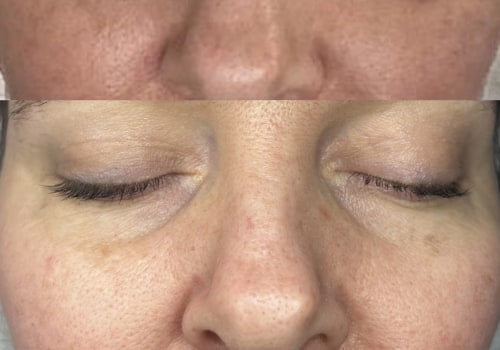
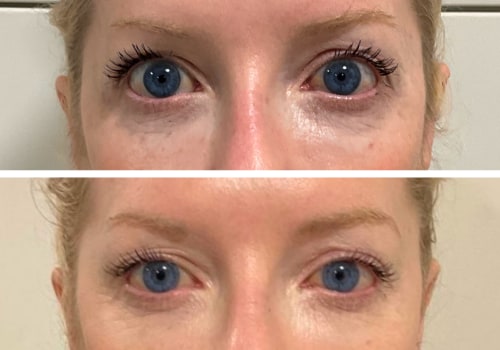
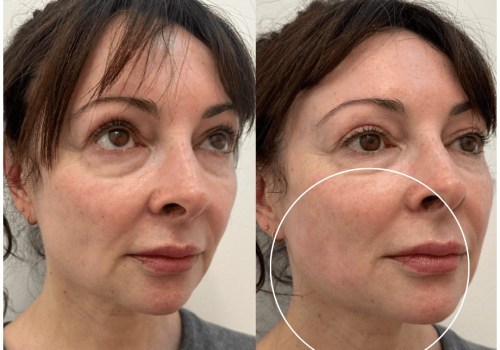
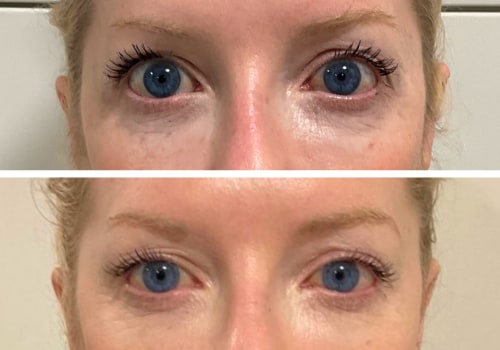
Polynucleotides are emerging as a revolutionary component in the realm of aesthetic treatments, particularly for skin rejuvenation. These naturally occurring biopolymers play a crucial role in cellular function and regeneration, making them an invaluable asset in modern dermatology. By harnessing the power of polynucleotides, practitioners can stimulate the skin's natural healing processes, leading to enhanced texture, hydration, and overall appearance.The benefits of polynucleotides extend beyond mere hydration; they act as a catalyst for collagen and elastin production, essential proteins that contribute to skin elasticity and firmness. As we age, the natural production of these proteins diminishes, resulting in sagging skin and the formation of wrinkles.
Polynucleotides not only replenish these vital components but also improve the extracellular matrix, which supports skin structure and resilience. This multifaceted approach allows for a more youthful appearance without compromising facial expressions or proportions.Understanding how polynucleotides work is key to appreciating their effectiveness. When injected into the skin, they interact with fibroblasts—cells responsible for producing collagen—thereby promoting a gradual yet significant improvement in skin quality. This cellular stimulation leads to a reduction in inflammation and an increase in hydration levels, addressing common concerns such as redness and rough texture.
The result is a revitalised complexion that appears smoother and more radiant.As we delve deeper into the timeline of results from polynucleotide treatments, it becomes evident that patience is essential. While initial improvements may be noticeable within weeks, the full spectrum of benefits unfolds over several months. This gradual enhancement not only underscores the efficacy of polynucleotides but also highlights their role as a long-term solution for maintaining youthful skin.
What Are Polynucleotides?
Polynucleotides are essential biomolecules that play a critical role in the functioning of living organisms. They are long chains of nucleotides, which are the basic building blocks of DNA and RNA.Each nucleotide consists of three components: a nitrogenous base, a sugar molecule, and a phosphate group. The sequence and arrangement of these nucleotides determine the genetic information carried by the polynucleotide.In essence, polynucleotides can be classified into two main types: deoxyribonucleic acid (DNA) and ribonucleic acid (RNA). Each type serves distinct functions within biological systems:
- DNA : This type of polynucleotide is primarily responsible for storing and transmitting genetic information. It is double-stranded, forming a helical structure that encodes the instructions necessary for the development, functioning, growth, and reproduction of all known living organisms.
- RNA : Unlike DNA, RNA is usually single-stranded and plays several roles in the cell.
It is involved in protein synthesis, acting as a messenger between DNA and ribosomes where proteins are assembled. There are various forms of RNA, including messenger RNA (mRNA), transfer RNA (tRNA), and ribosomal RNA (rRNA), each serving unique functions in the process of translating genetic information into functional proteins.
How Do Polynucleotides Work?
Polynucleotides are a remarkable class of biomolecules that play a crucial role in enhancing skin quality through their unique mechanism of action.At the core of their effectiveness lies their ability to interact with cellular processes, particularly in stimulating collagen production and promoting overall skin health.When polynucleotides are injected into the skin, they act as a signal to fibroblasts, the cells responsible for producing collagen and elastin. This stimulation is essential because collagen is a fundamental protein that provides structure and elasticity to the skin. As we age, collagen production naturally declines, leading to wrinkles, sagging, and a loss of firmness. By introducing polynucleotides into the dermal layer, we can effectively kickstart this production process.The mechanism of action begins with the polynucleotides binding to specific receptors on the surface of fibroblasts.
This binding triggers a cascade of biochemical reactions that result in increased synthesis of collagen and elastin. Additionally, polynucleotides possess anti-inflammatory properties that help reduce redness and irritation in the skin, creating a more even complexion.Moreover, polynucleotides enhance the extracellular matrix (ECM), which is vital for maintaining skin hydration and structural integrity. The ECM acts as a scaffold for cells, providing support and facilitating communication between them. By improving the ECM, polynucleotides not only help retain moisture but also create an environment conducive to cellular repair and regeneration.Another significant benefit of polynucleotides is their ability to promote angiogenesis—the formation of new blood vessels.
This process is crucial for delivering oxygen and nutrients to the skin cells, further enhancing their function and vitality. As a result, patients often experience improved skin tone and texture as blood flow increases.In summary, the action of polynucleotides at the cellular level is multifaceted. They stimulate collagen production, enhance the extracellular matrix, reduce inflammation, and promote angiogenesis. These combined effects lead to healthier, more youthful-looking skin over time.
Understanding how polynucleotides work allows individuals to appreciate their potential benefits fully and make informed decisions about incorporating them into their skincare regimen.
Timeline for Results: When to Expect Changes
Understanding the timeline for results from polynucleotide treatments is crucial for anyone considering this innovative approach to skin rejuvenation. While the benefits of these treatments are profound, they do not manifest overnight. Instead, the results unfold gradually, reflecting the cellular processes that polynucleotides stimulate.In the initial stages following treatment, patients may notice subtle changes within a few weeks. Typically, improvements in skin hydration and texture can be observed as early as two to three weeks post-treatment.This early response is often attributed to the immediate effects of hydration and the initial stimulation of collagen production.However, the most significant transformations occur over a longer period. By around three months , many individuals report noticeable enhancements in their skin's overall appearance. This includes a reduction in fine lines and wrinkles, improved elasticity, and a more radiant complexion. The gradual nature of these changes is due to the time required for polynucleotides to effectively stimulate fibroblast activity and collagen synthesis.To provide a clearer picture of what to expect, here’s a breakdown of the typical results timeline:
- 1-2 Weeks: Initial hydration effects become apparent; skin may feel plumper and more moisturised.
- 2-3 Weeks: Minor improvements in skin texture and tone; some patients may notice reduced redness or inflammation.
- 4-6 Weeks: Enhanced collagen production begins; visible improvements in fine lines and overall skin quality start to emerge.
- 3 Months: Significant results are typically observed; smoother, firmer skin with a noticeable glow.
- 6 Months: Peak results are often reached; maintenance sessions may be recommended to prolong effects.
On average, the effects can last up to six months , after which maintenance sessions are advisable to sustain the benefits. Without these touch-ups, the improvements may gradually diminish over a period of 12 to 18 months .In summary, while you may begin to see some changes shortly after your treatment, the full spectrum of benefits from polynucleotides typically unfolds over several months. Patience is key, as the cellular rejuvenation process takes time but ultimately leads to lasting enhancements in skin health and appearance.
Factors Influencing Results from Polynucleotide Treatments
The effectiveness and timeline of results from polynucleotide treatments can vary significantly based on several factors. Understanding these variables is crucial for setting realistic expectations and achieving optimal outcomes.Individual Skin Types
One of the primary factors influencing the results of polynucleotide treatments is the individual’s skin type.Different skin types—such as oily, dry, combination, or sensitive—react uniquely to treatments. For instance, individuals with oily skin may experience quicker improvements in texture and hydration due to increased sebum production, while those with dry skin might require more time to see similar benefits. Additionally, skin conditions like rosacea or eczema can affect how the skin responds to polynucleotides, potentially prolonging the time it takes to notice results.
Age and Skin Condition
Age plays a significant role in how effectively polynucleotides work. Younger individuals often have more resilient skin that can respond rapidly to treatments, while older adults may have more pronounced signs of aging that require multiple sessions for noticeable improvement.Furthermore, the existing condition of the skin—such as the presence of fine lines, wrinkles, or loss of elasticity—can also dictate how quickly results manifest. Those with more damaged skin may need a longer duration before seeing significant changes.
Treatment Protocols
The specific treatment protocol employed can greatly influence outcomes as well. Factors such as the concentration of polynucleotides used, the injection technique, and the frequency of sessions all play a part in determining effectiveness. For example, a higher concentration may yield faster results but could also increase the risk of side effects.Moreover, adhering to a recommended schedule for follow-up treatments is essential for maintaining collagen stimulation and prolonging results.
Overall Health and Lifestyle
Lastly, an individual’s overall health and lifestyle choices can impact the effectiveness of polynucleotide treatments. Factors such as diet, hydration levels, smoking habits, and sun exposure can all affect skin health and recovery time. A balanced diet rich in vitamins and antioxidants can enhance skin healing and improve treatment outcomes. Conversely, unhealthy habits may hinder progress and delay visible results.In summary, while polynucleotide treatments offer promising benefits for skin rejuvenation, various factors—including individual skin types, age, treatment protocols, and overall health—play a critical role in determining how quickly one can expect to see results.By considering these elements, patients can better prepare for their treatment journey and achieve optimal outcomes.
Comparing Polynucleotides with Other Injectable Treatments
When considering injectable treatments for skin rejuvenation, it is essential to understand the differences between polynucleotides and other popular options, particularly hyaluronic acid fillers. While both treatments aim to enhance skin quality and appearance, they operate through distinct mechanisms and offer varying benefits.Mechanism of Action
Polynucleotides work at a cellular level, stimulating the production of collagen and elastin, which are vital for maintaining skin elasticity and firmness. This process not only hydrates the skin but also improves its overall structure over time. In contrast, hyaluronic acid fillers primarily provide immediate volume and hydration by attracting moisture to the skin.
While they can temporarily plump up areas of concern, they do not promote long-term collagen production.
Results Timeline
The timeline for seeing results from these treatments varies significantly. With polynucleotides, initial improvements in skin texture and hydration can be observed within a few weeks, but the full effects typically manifest around three months post-treatment. This gradual enhancement is due to the ongoing stimulation of collagen synthesis.On the other hand, hyaluronic acid fillers deliver immediate results, with patients often noticing changes right after the procedure. However, these effects are temporary and usually last between six to twelve months, depending on the product used and individual factors.
Benefits of Polynucleotides Over Fillers
- Long-lasting Effects: The results from polynucleotide treatments can persist for up to 18 months with proper maintenance, making them a more sustainable option for those seeking long-term improvements.
- Natural Skin Improvement: Unlike fillers that merely add volume, polynucleotides enhance the skin's natural ability to repair and rejuvenate itself.
- Reduced Risk of Adverse Reactions: As polynucleotides are biocompatible and derived from natural sources, they generally have a lower risk of causing allergic reactions compared to synthetic fillers.
- Versatility: Polynucleotides can be used in conjunction with other treatments, including hyaluronic acid fillers, to achieve a more comprehensive rejuvenation effect without compromising facial expressions.
Understanding these differences can help individuals make informed decisions about their skincare journeys.
Maintenance and Longevity of Results from Polynucleotide Treatments
Understanding the longevity of results from polynucleotide treatments is crucial for anyone considering this innovative approach to skin rejuvenation. Typically, the effects of these treatments can last around six months, but this duration can vary based on individual factors such as skin type, age, and lifestyle.After undergoing a polynucleotide treatment, patients often notice immediate improvements in skin hydration and texture. However, the most significant changes usually manifest over a period of weeks as collagen production ramps up. To maintain these results, regular maintenance sessions are recommended.Importance of Maintenance Sessions
Maintenance sessions play a vital role in prolonging the benefits of polynucleotide treatments.These follow-up appointments are essential for sustaining the stimulation of fibroblast activity, which is responsible for collagen and elastin production. Without these sessions, the initial improvements may gradually diminish over time.
- Frequency: It is generally advised to schedule maintenance treatments every six months to ensure that the skin continues to benefit from the enhanced collagen synthesis.
- Long-term Effects: With consistent maintenance, patients can enjoy prolonged results that may last up to 12 to 18 months before noticeable fading occurs.
- Personalisation: The frequency and type of maintenance required can vary based on individual skin conditions and desired outcomes. Consulting with a qualified practitioner can help tailor a plan that best suits your needs.
Potential Side Effects and Considerations
While polynucleotide treatments offer numerous benefits for skin rejuvenation, it is essential to consider potential side effects and risks before undergoing such procedures.Understanding these factors can help individuals make informed decisions about their skincare options.
Common Side Effects
- Redness and Swelling: It is common to experience mild redness and swelling at the injection sites immediately after treatment. This usually subsides within a few hours to a day.
- Bruising: Some patients may notice bruising around the injection areas, which can last for several days. This is typically a result of the needle puncturing small blood vessels.
- Itching or Tenderness: Temporary itching or tenderness may occur as the skin reacts to the injections. These sensations are generally mild and resolve quickly.
Less Common Risks
- Infection: As with any injectable treatment, there is a risk of infection at the injection site.
Ensuring that the procedure is performed in a sterile environment by a qualified professional can mitigate this risk.
- Allergic Reactions: Although rare, some individuals may experience allergic reactions to the components of polynucleotide solutions. Symptoms can range from mild irritation to more severe reactions requiring medical attention.
- Nodules or Lumps: In some cases, patients may develop small nodules or lumps under the skin where the injections were administered. These are usually temporary but can be concerning for some individuals.
Considerations Before Treatment
Before opting for polynucleotide treatments, it is crucial to consult with a qualified practitioner who can assess your individual skin type and concerns. Here are some considerations to keep in mind:
- Medical History: Disclose any medical conditions or medications you are currently taking, as these may affect your suitability for treatment.
- Aesthetic Goals: Clearly communicate your aesthetic goals with your practitioner to ensure that polynucleotides are the right choice for your needs.
- Expectations: Understand that while results can be impressive, they take time to manifest fully.
Patience is key when undergoing polynucleotide treatments.
Frequently Asked Questions About Polynucleotides
As the popularity of polynucleotides continues to rise, many individuals have questions regarding their effectiveness and the timeline for visible results. Below are some frequently asked questions that address common concerns and provide clarity on what to expect from polynucleotide treatments.How long does it take to see results from polynucleotide treatments?
Typically, patients may begin to notice subtle improvements in their skin within two to three weeks following treatment. However, the most significant results are generally observed around the three-month mark. This delay is due to the cellular processes involved, as polynucleotides work by stimulating collagen and elastin production over time.What kind of improvements can I expect?
Patients often report enhanced skin texture, increased hydration, and a reduction in fine lines and wrinkles.The gradual improvement in skin quality can lead to a more youthful appearance, with many experiencing smoother and more radiant skin.
Are there any side effects associated with polynucleotide treatments?
While polynucleotide injections are generally well-tolerated, some individuals may experience mild side effects such as redness, swelling, or bruising at the injection site. These effects typically resolve within a few hours to a couple of days.How long do the results last?
The effects of polynucleotide treatments can last approximately six months , after which maintenance sessions are recommended to sustain the benefits. Without regular touch-ups, the results may gradually diminish over a period of 12 to 18 months .Can I combine polynucleotides with other treatments?
Yes, polynucleotides can be effectively combined with other injectable treatments, such as dermal fillers or botulinum toxin, to enhance overall results. This combination approach allows for a more comprehensive rejuvenation strategy tailored to individual needs.If you have further questions or specific concerns about polynucleotides, it is advisable to consult with a qualified practitioner who can provide personalised advice based on your skin type and treatment goals.Conclusion: Key Takeaways on Polynucleotide Treatments
In summary, the journey to witnessing the full benefits of polynucleotide treatments is a gradual process that requires patience and understanding.While initial improvements in skin texture and hydration can be observed as early as two to three weeks post-treatment, the most significant results typically manifest around the three-month mark. This timeline is essential for potential patients to consider, as it underscores the importance of allowing adequate time for the cellular mechanisms stimulated by polynucleotides to take effect.One of the standout features of polynucleotide treatments is their ability to enhance skin quality over time. Unlike some other cosmetic procedures that offer immediate but short-lived results, polynucleotides work at a deeper level, promoting collagen and elastin production, which are crucial for maintaining youthful skin. This gradual improvement not only leads to smoother and more hydrated skin but also contributes to a more radiant complexion.Moreover, the longevity of results from polynucleotide treatments is noteworthy.
Patients can expect effects to last approximately six months before requiring maintenance sessions. With regular touch-ups, the benefits can be sustained over an extended period, making polynucleotides a viable option for those seeking long-term skin rejuvenation.In conclusion, understanding the timeline for seeing results from polynucleotide treatments is vital for setting realistic expectations. The combination of gradual improvement and long-lasting effects makes these treatments an appealing choice for individuals looking to enhance their skin's appearance without compromising its natural beauty. As always, consulting with a qualified practitioner will ensure that you receive tailored advice and treatment plans that align with your specific skin needs.