In recent years, polynucleotide injections have emerged as a revolutionary treatment in the realm of cosmetic procedures, capturing the attention of both practitioners and patients alike. These innovative injections utilise the natural properties of polynucleotides to stimulate collagen production, enhance skin hydration, and improve overall skin texture. As individuals increasingly seek non-invasive solutions for skin rejuvenation, the popularity of polynucleotide treatments continues to rise, making it essential to understand their benefits and associated costs.The appeal of polynucleotide injections lies not only in their effectiveness but also in their versatility. They can be applied to various areas of the body, including the face, neck, and even the scalp for hair restoration.
This adaptability makes them an attractive option for those looking to address multiple concerns simultaneously. Furthermore, unlike traditional dermal fillers that provide immediate results, polynucleotide treatments work gradually to improve skin health from within, leading to more natural-looking outcomes over time.As with any cosmetic procedure, understanding the cost of polynucleotides is crucial for potential candidates. Prices can vary significantly based on factors such as the clinic's location, the expertise of the practitioner, and the specific areas being treated. While some may find the investment worthwhile due to the long-lasting benefits and minimal downtime associated with these injections, others may have concerns about affordability.
This article aims to provide a comprehensive overview of what you can expect regarding costs and benefits when considering polynucleotide injections.
What Are Polynucleotides?
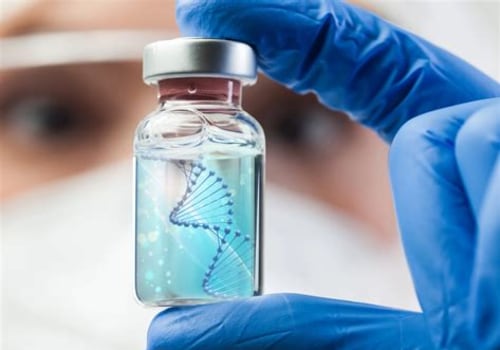
Polynucleotides are naturally occurring biopolymers composed of nucleotide monomers linked together by phosphodiester bonds. These essential molecules play a pivotal role in various biological processes, including the storage and transfer of genetic information. In the context of skin treatments, polynucleotides have emerged as a revolutionary component due to their remarkable ability to enhance skin health and rejuvenation.To understand the significance of polynucleotides, it is crucial to delve into their structure and function. Each nucleotide consists of three components: a nitrogenous base, a sugar molecule, and a phosphate group.The sequence of these nucleotides determines the specific functions they perform within the body. Polynucleotides can be classified into two main types: DNA (deoxyribonucleic acid) and RNA (ribonucleic acid), both of which are vital for cellular processes.In skin treatments, polynucleotides are primarily derived from natural sources, such as salmon sperm or yeast. Their unique properties allow them to stimulate cellular activity, promote collagen synthesis, and enhance skin hydration. This makes them particularly effective in combating signs of aging, such as fine lines, wrinkles, and loss of elasticity.
How Do Polynucleotides Work?
The mechanism by which polynucleotides exert their effects on the skin involves several key processes:- Cellular Regeneration: Polynucleotides promote the regeneration of skin cells by enhancing cellular metabolism.
This leads to improved skin texture and tone.
- Collagen Production: By stimulating fibroblast activity, polynucleotides encourage the production of collagen—a protein that provides structure and elasticity to the skin.
- Hydration: Polynucleotides have excellent water-retaining properties, which help maintain optimal skin hydration levels, resulting in a plumper and more youthful appearance.
The Benefits of Polynucleotide Injections
Polynucleotide injections have emerged as a revolutionary treatment in the realm of cosmetic procedures, offering a multitude of benefits that cater to those seeking skin rejuvenation and enhanced overall skin health. These injections utilise the natural properties of polynucleotides, which are essential components in cellular processes, to stimulate the body’s own healing mechanisms.One of the primary advantages of polynucleotide injections is their ability to significantly boost collagen production. Collagen is a vital protein that provides structure and elasticity to the skin.As we age, collagen levels naturally decline, leading to wrinkles, sagging skin, and a loss of firmness. By introducing polynucleotides into the skin, these injections encourage fibroblast activity, which in turn promotes collagen synthesis. This results in a more youthful appearance and improved skin texture.In addition to enhancing collagen levels, polynucleotide injections also improve skin hydration. The treatment works by increasing the moisture retention capacity of the skin, making it look plumper and more radiant.
This is particularly beneficial for individuals with dry or dehydrated skin, as it helps restore a healthy glow and reduces the appearance of fine lines.Another noteworthy benefit is the treatment's ability to enhance skin regeneration. Polynucleotides facilitate cellular turnover and repair, which can lead to a more even skin tone and texture. This regenerative effect can be especially advantageous for those dealing with acne scars or other skin imperfections.Moreover, polynucleotide injections are known for their versatility. They can be effectively combined with other cosmetic treatments, such as dermal fillers or anti-wrinkle injections, to achieve comprehensive facial rejuvenation.
This synergy not only amplifies the results but also extends the longevity of other treatments.Lastly, one of the most appealing aspects of polynucleotide injections is their safety profile. With extensive research backing their efficacy and minimal risk of adverse reactions, they present a reliable option for individuals looking to enhance their skin without invasive procedures.In summary, polynucleotide injections offer a range of benefits including increased collagen production, improved hydration, enhanced skin regeneration, versatility in combination with other treatments, and a strong safety record. These factors make them an attractive choice for anyone seeking effective solutions for skin rejuvenation.
Cost Breakdown of Polynucleotide Injections
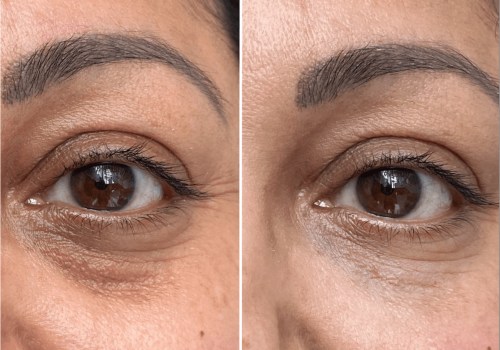
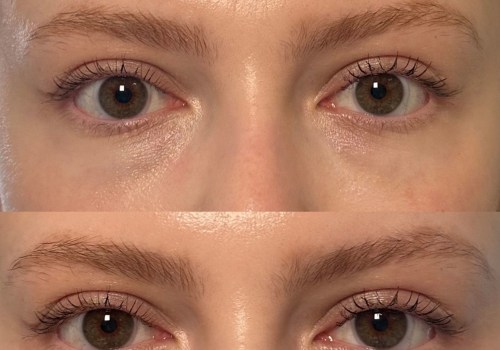
When considering polynucleotide injections, understanding the cost structure is essential for making an informed decision. The average price for a standard treatment session typically hovers around 199 British pounds for 2 ml of polynucleotides.This quantity is generally sufficient to treat approximately 1 ml around each eye, making it a popular choice for those seeking rejuvenation in that area.However, it is crucial to note that the overall cost can vary significantly based on several factors:
- Treatment Area: The size and complexity of the area being treated play a significant role in determining the final price. For instance, larger areas or those requiring more intricate work may lead to higher costs, often ranging from 350 to 700 British pounds per session.
- Clinic Reputation: The expertise and reputation of the clinic can also influence pricing. Well-established clinics with experienced practitioners may charge a premium for their services, reflecting their quality and success rates.
- Consultation Fees: Initial consultations are often necessary to assess individual needs and treatment plans. Some clinics may charge a fee for this service, while others might offer it complimentary as part of their promotional packages.
- Additional Treatments: Many patients opt to combine polynucleotide injections with other cosmetic procedures, such as dermal fillers or anti-wrinkle treatments.
This combination can lead to bundled pricing options but may also increase the overall expenditure.
Factors Influencing the Cost of Treatment
When considering polynucleotide injections, it is essential to understand the various factors that can influence the overall cost of treatment.These factors can significantly affect the price you may encounter at different clinics, making it crucial to do your research before committing to a procedure.
1.Clinic Location
The geographical location of the clinic plays a pivotal role in determining treatment costs. Clinics situated in metropolitan areas or affluent neighbourhoods often charge higher prices due to increased operational costs, including rent and staffing. Conversely, clinics in less populated or rural areas may offer more competitive pricing. Therefore, it is advisable to compare prices across different locations to find a balance between quality and affordability.
2.Practitioner Expertise
The qualifications and experience of the practitioner administering the polynucleotide injections can also impact the cost.
Highly skilled professionals with extensive training and a proven track record may charge more for their services. While it might be tempting to opt for a less experienced practitioner to save money, investing in a qualified expert can lead to better results and minimise the risk of complications.
3.Treatment Area Size
The size of the area being treated is another critical factor affecting the cost of polynucleotide injections. Larger treatment areas require more product and time, which can increase the overall price. For instance, treating multiple facial regions or larger body areas will typically incur higher costs compared to smaller, targeted treatments.
It is essential to discuss your specific needs with your practitioner during the consultation phase to get an accurate estimate based on your treatment goals.
4.Additional Services
Some clinics may offer package deals that include additional services such as follow-up consultations, skin assessments, or complementary treatments like skincare products. While these packages can provide added value, they may also increase the initial cost. Always evaluate what is included in the price and whether these additional services align with your treatment objectives.In summary, understanding these factors can help you navigate the pricing landscape for polynucleotide injections more effectively. By considering clinic location, practitioner expertise, treatment area size, and any additional services offered, you can make an informed decision that aligns with both your budget and aesthetic goals.
What to Expect During Your Treatment Session
When considering polynucleotide injections, understanding what to expect during your treatment session can significantly ease any apprehensions you may have.The process typically involves several key stages, from the initial consultation to the aftercare following the procedure.
Pre-Treatment Consultation
Your journey begins with a comprehensive pre-treatment consultation. During this session, your practitioner will assess your skin condition and discuss your aesthetic goals. This is an excellent opportunity to ask questions about the treatment, including:- How polynucleotide injections work
- The expected outcomes
- Potential side effects
- Any contraindications based on your medical history
The Injection Procedure
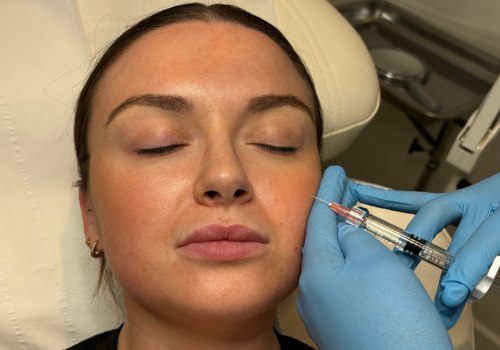
On the day of your treatment, you will arrive at the clinic where a qualified professional will prepare you for the procedure. Before starting, a topical anesthetic cream may be applied to minimise discomfort during the injections.This cream typically takes about 20-30 minutes to take effect.Once you are comfortable, the practitioner will use a fine needle to inject the polynucleotide solution into targeted areas of your skin. The number of injections and the volume used will depend on the specific areas being treated and your individual goals. The entire procedure usually lasts between 30 minutes to an hour.
Post-Treatment Care
Who Is a Suitable Candidate for Polynucleotide Injections?
Polynucleotide injections have emerged as a versatile treatment option for various skin concerns, but understanding who is a suitable candidate for this procedure is crucial.The natural composition of polynucleotides makes them an appealing choice for many individuals seeking to enhance their skin's appearance and health.
Who Can Benefit from Polynucleotide Injections?
- Individuals with Age-Related Skin Changes: As we age, our skin loses elasticity and hydration, leading to wrinkles and sagging. Polynucleotide injections can stimulate collagen production, making them ideal for those looking to combat these signs of ageing.
- People with Dull or Uneven Skin Tone: If your skin appears lacklustre or uneven, polynucleotides can help improve overall skin texture and radiance by promoting cellular regeneration.
- Those Seeking Non-Surgical Options: For individuals hesitant about surgical procedures, polynucleotide injections offer a minimally invasive alternative that can yield significant results without the need for extensive recovery time.
- Patients with Specific Skin Conditions: Certain dermatological conditions may benefit from the regenerative properties of polynucleotides. Consulting with a qualified practitioner can help determine if this treatment is appropriate for your specific needs.
Contraindications for Treatment
While many people are suitable candidates for polynucleotide injections, there are some contraindications to consider:
- Pregnant or Breastfeeding Women: Due to the lack of extensive research on the effects of polynucleotides during pregnancy and lactation, it is generally advised that these individuals avoid such treatments.
- Individuals with Active Infections: If you have an active skin infection or any other acute illness, it is essential to postpone treatment until you have fully recovered to prevent complications.
- Those with Allergies to Components: A thorough medical history should be taken to identify any allergies to ingredients used in the polynucleotide formulation. If you have known sensitivities, discuss these with your practitioner.
- Patients on Certain Medications: Some medications may interfere with the treatment or increase the risk of adverse effects.
Always inform your healthcare provider about any medications you are taking.
Frequently Asked Questions About Polynucleotide Injections
As polynucleotide injections gain popularity, many individuals have questions regarding their effectiveness, safety, and cost. Below are some of the most frequently asked questions that can help clarify common misconceptions and provide valuable insights into this innovative treatment.What are polynucleotide injections?
Polynucleotide injections are a cutting-edge cosmetic treatment designed to enhance skin health by stimulating collagen production and improving overall skin texture. They utilise naturally occurring polynucleotides, which are essential for cellular regeneration and repair.How much do polynucleotide injections cost?
The cost of polynucleotide injections can vary significantly based on several factors, including the clinic's location, the expertise of the practitioner, and the specific area being treated.On average, you can expect to pay around 199 British pounds for 2 ml of polynucleotides, which is typically sufficient for treating areas around the eyes. However, prices may range from 350 to 700 British pounds per session depending on individual needs.
Are there any side effects associated with polynucleotide injections?
While polynucleotide injections are generally considered safe, some individuals may experience mild side effects such as swelling, redness, or bruising at the injection site. These effects are usually temporary and resolve within a few days. It is crucial to consult with a qualified practitioner who can assess your suitability for the treatment and discuss any potential risks.How long do the results last?
The results of polynucleotide injections can vary from person to person.Typically, patients may start to notice improvements in skin texture and hydration within a few weeks. With ongoing treatments, the benefits can last several months, making it an effective option for those seeking long-term skin rejuvenation.
Can anyone receive polynucleotide injections?
Most individuals are suitable candidates for polynucleotide injections due to their natural composition. However, it is essential to have a thorough consultation with a healthcare professional to determine if this treatment aligns with your specific skin goals and medical history.Are there any myths about polynucleotide injections?
- Myth: Polynucleotide injections provide instant results.
- Fact: Unlike traditional dermal fillers that offer immediate effects, polynucleotide treatments work gradually to improve skin health from within.
- Myth: Polynucleotides are only effective for older individuals.
- Fact: People of all ages can benefit from polynucleotide treatments as they promote skin regeneration and hydration.
Conclusion: Making an Informed Decision on Polynucleotide Injections
In conclusion, the journey towards enhancing your skin's health and appearance through polynucleotide injections is one that requires careful consideration and informed decision-making. Throughout this article, we have explored various aspects of polynucleotide treatments, including their benefits, costs, and the factors influencing these prices.As highlighted, the average cost for a session of polynucleotide injections typically ranges from 199 British pounds for 2 ml to as much as 700 British pounds , depending on the area being treated and the clinic you choose.This variability underscores the importance of conducting thorough research and consulting with qualified professionals before committing to treatment.Moreover, it is essential to understand that while polynucleotide injections can offer significant improvements in skin texture and hydration, they work gradually. Unlike traditional dermal fillers that provide immediate results, the effects of polynucleotides develop over time as they stimulate collagen production and enhance skin health from within.Before proceeding with any treatment, consider the following:
- Consultation: Schedule a consultation with a reputable clinic to discuss your specific needs and expectations. This will help you gain a clearer understanding of what polynucleotide injections can achieve for you.
- Personalised Treatment Plan: Ensure that your treatment plan is tailored to your unique skin type and concerns. A one-size-fits-all approach may not yield the best results.
- Long-term Commitment: Be prepared for a series of treatments to achieve optimal results.
Understanding this commitment will help you manage your expectations effectively.
- Aftercare: Follow post-treatment care instructions diligently to maximise the benefits of your injections and maintain skin health.