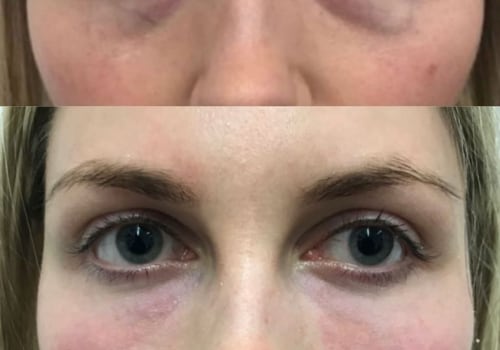
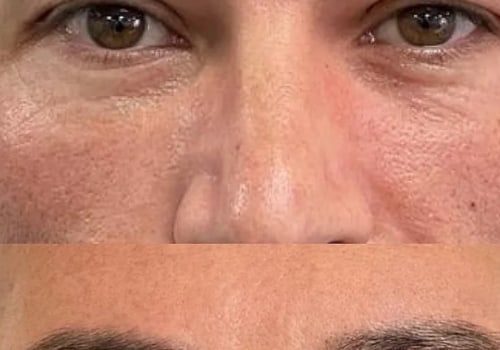
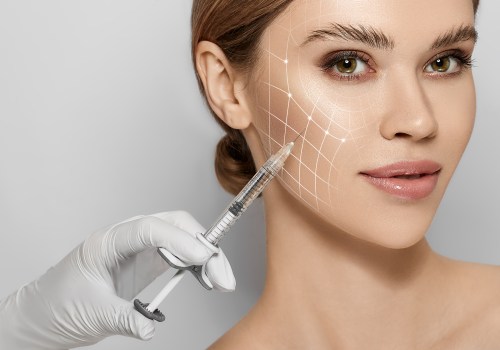
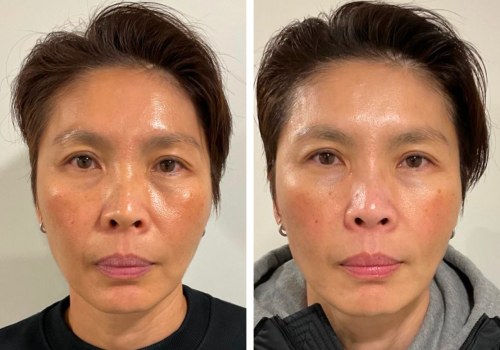
Polynucleotides are fascinating biomolecules that play a crucial role in various biological processes, particularly in the realm of skincare. Composed of long chains of nucleotides, which are the fundamental building blocks of DNA and RNA, polynucleotides are essential for cellular function and regeneration. In recent years, they have gained significant attention in the cosmetic industry due to their remarkable ability to enhance skin health and appearance. Unlike traditional dermal fillers that primarily focus on volumizing the skin, polynucleotides offer a multifaceted approach to skincare by promoting collagen and elastin production, thereby improving skin elasticity and hydration.The benefits of polynucleotides extend beyond mere hydration; they actively stimulate the skin's natural healing processes.
By creating an optimal environment for fibroblast growth, polynucleotides encourage the production of vital proteins that contribute to a youthful complexion. This regenerative effect not only helps to diminish the appearance of fine lines and wrinkles but also enhances overall skin texture and tone. As a result, polynucleotide treatments have become increasingly popular among individuals seeking non-invasive solutions for skin rejuvenation.Incorporating polynucleotides into skincare regimens can lead to significant improvements in skin quality. Their unique properties allow them to penetrate deeply into the dermis, where they can exert their beneficial effects at a cellular level.
This makes them particularly effective for treating various areas of concern, including the face, neck, and décolleté. As more people become aware of the advantages of polynucleotide treatments, it is essential to understand how long these effects last and what factors may influence their longevity.
What Are Polynucleotides?
Polynucleotides are biopolymers composed of long chains of nucleotide units, which are the fundamental building blocks of DNA and RNA. These molecules play a crucial role in various biological processes, including cellular repair and regeneration. In the context of skincare, polynucleotides are increasingly recognised for their ability to enhance skin quality and promote rejuvenation.There are several types of polynucleotides, each with unique properties and applications.The most commonly used in aesthetic treatments are:
- Deoxyribonucleic Acid (DNA) : This type is primarily derived from natural sources and is known for its regenerative properties, helping to stimulate collagen production and improve skin elasticity.
- Ribonucleic Acid (RNA) : RNA polynucleotides can also be beneficial in skincare, as they play a role in protein synthesis and cellular function.
- Oligonucleotides : Shorter chains of nucleotides that can be synthetically produced, these are often used for targeted therapies in skin treatments.
While hyaluronic acid primarily focuses on hydration by attracting moisture to the skin, polynucleotides actively stimulate cellular processes that lead to increased collagen and elastin production. This results in not only improved hydration but also enhanced skin texture and resilience.In summary, understanding what polynucleotides are, their types, and their sources provides a solid foundation for appreciating their role in skincare treatments. Their unique properties make them a valuable option for those seeking long-lasting improvements in skin health and appearance.
How Do Polynucleotides Work?
Polynucleotides are fascinating biomolecules that play a crucial role in skin rejuvenation and regeneration. Their mechanism of action is primarily centred around their ability to stimulate cellular processes that lead to the production of essential structural proteins, namely collagen and elastin.Understanding how polynucleotides work can provide insight into their effectiveness and longevity in aesthetic treatments.At the core of their function, polynucleotides act as signalling molecules that communicate with skin cells, particularly fibroblasts. These cells are responsible for synthesising collagen and elastin, which are vital for maintaining skin elasticity, firmness, and overall health. When polynucleotides are injected into the skin, they interact with fibroblasts by binding to specific receptors on their surface. This interaction triggers a cascade of biological responses that enhance the production of collagen and elastin.One of the key benefits of polynucleotides is their ability to create an optimal environment for fibroblast activity.
They possess moisturising properties that help retain water in the skin, thereby improving hydration levels. This increased moisture not only supports fibroblast function but also aids in the overall texture and appearance of the skin. Furthermore, polynucleotides exhibit anti-inflammatory properties, which can help reduce any potential irritation or swelling following treatment.In addition to promoting collagen and elastin production, polynucleotides also contribute to the repair of damaged tissues. They facilitate the regeneration of the extracellular matrix (ECM), a complex network that provides structural support to cells.
By enhancing the ECM, polynucleotides help improve skin resilience and reduce signs of ageing.The longevity of results from polynucleotide treatments can be attributed to these multifaceted mechanisms. As collagen and elastin levels increase over time, patients often experience sustained improvements in skin quality that can last several months. Regular maintenance sessions can further prolong these effects, ensuring that the skin remains youthful and vibrant.In summary, polynucleotides work by stimulating fibroblast activity, enhancing collagen and elastin production, and improving overall skin hydration and repair mechanisms. Their unique properties make them a powerful tool in aesthetic medicine, offering long-lasting benefits for those seeking to rejuvenate their skin.
Factors Influencing the Longevity of Polynucleotide Treatments
The longevity of polynucleotide treatments can vary significantly based on a multitude of factors.Understanding these factors is essential for patients to set realistic expectations regarding the duration of their results. Here, we delve into the key elements that influence how long the effects of polynucleotide treatments last.
1.Age
Age plays a crucial role in determining the effectiveness and duration of polynucleotide treatments. As individuals age, their skin undergoes various changes, including decreased collagen production and reduced elasticity. This natural decline can affect how well the skin responds to treatments.
Younger patients may experience longer-lasting results due to more resilient skin, while older individuals might find that the effects diminish more quickly.
2.Skin Condition
The overall condition of a patient’s skin is another significant factor influencing treatment longevity. Skin that is well-hydrated, free from excessive sun damage, and maintained with a proper skincare routine tends to respond better to polynucleotide injections. Conversely, skin that is dry, damaged, or has underlying conditions may not retain the benefits as effectively, leading to a shorter duration of results.
3.Lifestyle Choices
- Diet: A balanced diet rich in vitamins and antioxidants can support skin health and prolong the effects of treatments.
- Hydration: Staying adequately hydrated helps maintain skin elasticity and overall health, which can enhance treatment outcomes.
- Sun Exposure: Excessive sun exposure can lead to premature aging and skin damage, potentially shortening the duration of polynucleotide effects.
- Smoking and Alcohol Consumption: Both smoking and excessive alcohol intake can negatively impact skin quality and healing processes, leading to diminished results.
4.Treatment Area
The area being treated also influences how long the effects last. Regions with thinner skin or higher movement, such as around the eyes or mouth, may experience quicker fading of results compared to areas with thicker skin.
5.Maintenance Sessions
Regular maintenance sessions can significantly extend the longevity of polynucleotide treatments.
By scheduling follow-up appointments as recommended by a qualified practitioner, patients can help sustain their results over time.In summary, while polynucleotide treatments offer promising results for skin rejuvenation, various individual factors such as age, skin condition, lifestyle choices, treatment area, and maintenance practices play pivotal roles in determining how long these effects will last. Understanding these elements allows patients to make informed decisions and optimise their treatment outcomes.
Expected Duration of Polynucleotide Effects
When considering the longevity of polynucleotides in aesthetic treatments, it is essential to understand that their effects can vary significantly based on several factors. On average, the results from polynucleotide treatments typically last between four to six months. However, this duration can be influenced by individual characteristics such as age, skin condition, and lifestyle choices.For many patients, the initial effects of polynucleotide injections are noticeable relatively quickly, often within a few weeks.This rapid onset of results is one of the appealing aspects of these treatments, as individuals can see improvements in skin texture and hydration shortly after the procedure.As time progresses, the stimulating effects of polynucleotides on collagen and elastin production begin to wane. Generally, patients may find that they need to schedule maintenance sessions approximately every six months to sustain the benefits achieved from their initial treatment. These maintenance sessions are crucial for prolonging the positive effects and ensuring that the skin continues to regenerate effectively.In some cases, individuals may experience longer-lasting results, extending up to twelve months , particularly if they adhere to a proper skincare regimen and maintain a healthy lifestyle. Factors such as hydration levels, sun exposure, and overall skin health can play a significant role in how long the effects last.It is also worth noting that while polynucleotides provide substantial benefits in terms of skin quality and hydration, they are not a permanent solution.
Regular consultations with a qualified practitioner can help tailor a treatment plan that includes appropriate timing for maintenance sessions based on individual needs.In summary, while the average duration of polynucleotide treatments is around four to six months, with proper care and maintenance sessions every six months, patients can enjoy enhanced skin quality for an extended period. This makes polynucleotides a valuable option for those seeking effective and rejuvenating skin treatments.
Comparing Polynucleotides with Other Injectable Treatments
When considering aesthetic treatments, understanding the differences between polynucleotides and other injectable options, particularly hyaluronic acid fillers, is crucial for making an informed decision. Both treatments aim to enhance skin quality and appearance, but they operate through different mechanisms and offer varying benefits.Longevity of Results
One of the most significant distinctions between polynucleotides and hyaluronic acid fillers is the duration of their effects. While hyaluronic acid fillers typically provide immediate volume and hydration, their results generally last between six to twelve months, depending on factors such as the area treated and individual metabolism.
In contrast, polynucleotide treatments tend to have a more gradual onset of results, with improvements becoming noticeable over a few weeks. However, the longevity of polynucleotide effects can extend up to nine months or more, particularly when maintenance sessions are incorporated.
Mechanism of Action
Hyaluronic acid is a naturally occurring substance in the body that attracts moisture, providing immediate plumpness and hydration to the skin. However, its primary function is volumization rather than stimulating collagen production. On the other hand, polynucleotides are derived from salmon sperm DNA and work by signalling skin cells to produce collagen and elastin.
This not only enhances hydration but also improves skin elasticity and overall texture over time.
Benefits of Polynucleotides
- Enhanced Skin Quality: Polynucleotides improve the extracellular matrix, leading to better skin resilience and texture.
- Natural Results: The gradual improvement in skin quality often results in a more natural appearance compared to the sometimes abrupt volumizing effect of fillers.
- Versatility: Polynucleotides can be used on various areas of the body, including delicate regions like the neck and décolleté, where hyaluronic acid may not be as effective.
- Reduced Risk of Adverse Effects: While bruising and swelling can occur with any injectable treatment, polynucleotide procedures tend to have a lower incidence of these side effects.
Conclusion
In summary, while both polynucleotides and hyaluronic acid fillers serve important roles in aesthetic treatments, they cater to different needs and preferences. For those seeking long-lasting improvements in skin quality with a focus on collagen stimulation, polynucleotides may be the superior choice. Conversely, if immediate volume enhancement is the primary goal, hyaluronic acid fillers remain a popular option. Ultimately, consulting with a qualified practitioner can help determine which treatment aligns best with individual aesthetic goals.
Care and Recovery After Polynucleotide Treatments
After undergoing polynucleotide treatments, proper care and attention to recovery are crucial for achieving optimal results and minimising any potential side effects.Understanding what to expect during the recovery period can significantly enhance your overall experience.
Post-Treatment Care
- Avoid Touching the Treated Area: It is essential to refrain from touching or applying pressure to the injection sites for at least 24 hours. This helps prevent irritation and reduces the risk of infection.
- Keep the Area Clean: Gently cleanse the treated area with a mild cleanser and avoid using harsh products or exfoliants for a few days post-treatment.
- Hydration: Staying well-hydrated is vital. Drinking plenty of water can help support skin recovery and enhance the effects of the treatment.
- Sun Protection: Protecting your skin from sun exposure is critical. Use a broad-spectrum sunscreen with an SPF of at least 30, and wear protective clothing when outdoors.
- Avoid Strenuous Activities: For the first 48 hours, it is advisable to avoid intense physical activities, including exercise, as this can increase blood flow to the face and exacerbate swelling or bruising.
Recovery Time
The recovery time after polynucleotide injections can vary from person to person.
Generally, most individuals can expect some mild swelling or redness at the injection sites, which typically subsides within a few days. However, full recovery may take up to a week, depending on individual healing responses and the extent of the treatment.
Managing Side Effects
While polynucleotide treatments are generally well-tolerated, some side effects may occur. Commonly reported effects include:
- Swelling: This is usually temporary and should resolve within a few days. Applying a cold compress can help alleviate discomfort.
- Bruising: Minor bruising may occur at the injection sites.
If bruising develops, it typically fades within a week. Avoiding blood-thinning medications before treatment can help minimise this risk.
- Itching or Redness: Some patients may experience mild itching or redness in the treated area. Over-the-counter antihistamines can be used if necessary.
Frequently Asked Questions About Polynucleotides
Polynucleotides have gained significant attention in the field of aesthetic treatments, yet many individuals still have questions and misconceptions about their use. Below, we address some of the most frequently asked questions regarding polynucleotides, their safety, and common myths associated with these innovative treatments.What are polynucleotides?
Polynucleotides are long chains of nucleotides, which are the fundamental building blocks of DNA.In aesthetic medicine, they are primarily derived from salmon sperm DNA and are used for their regenerative properties. These compounds play a crucial role in stimulating collagen and elastin production, leading to improved skin texture and elasticity.
How do polynucleotide treatments work?
When injected into the skin, polynucleotides signal cells to enhance the production of collagen and elastin. This process not only hydrates the skin but also improves its overall quality by promoting a healthier extracellular matrix. As a result, patients often notice a more youthful appearance with enhanced skin resilience.Are polynucleotide treatments safe?
Yes, polynucleotide treatments are generally considered safe when administered by qualified professionals.The most common side effects include mild bruising or swelling at the injection site, which typically resolves within a few days. It is essential to consult with a certified practitioner who can assess your individual needs and medical history before proceeding with treatment.
What myths exist about polynucleotide treatments?
- Myth 1: Polynucleotide treatments are the same as dermal fillers.
- Myth 2: Results from polynucleotide injections are immediate.
- Myth 3: They are only suitable for older individuals.
How long do the effects of polynucleotide treatments last?
The longevity of results from polynucleotide treatments can vary based on individual factors such as age, skin condition, and lifestyle. Generally, patients can expect improvements to last between four to six months before maintenance sessions may be required to sustain the benefits.In conclusion, understanding these aspects of polynucleotide treatments can help demystify their use and encourage informed decisions regarding aesthetic procedures.Always seek advice from qualified professionals to ensure safe and effective treatment outcomes.
Conclusion: The Future of Polynucleotide Treatments in Skincare
In conclusion, the exploration of polynucleotides in skincare has unveiled a promising avenue for enhancing skin health and appearance. As we have discussed, the longevity of the effects of polynucleotide treatments typically ranges from six to twelve months, influenced by various factors such as age, skin condition, and lifestyle choices. This duration is significant when compared to traditional dermal fillers, which often require more frequent maintenance.The unique properties of polynucleotides, derived from the DNA of salmon sperm, offer a multifaceted approach to skin rejuvenation. Unlike conventional fillers that primarily provide volume through hyaluronic acid, polynucleotides actively stimulate the body’s natural processes to produce collagen and elastin.This not only enhances hydration but also improves the overall structure and resilience of the skin.Moreover, the versatility of polynucleotide treatments allows for application across various areas of the body, including delicate regions such as the neck and décolleté. This adaptability makes them an attractive option for individuals seeking comprehensive skin enhancement.As we look to the future, it is essential to recognise that ongoing research and advancements in this field will likely lead to even more effective formulations and techniques. The potential for polynucleotides to improve skin quality at a cellular level positions them as a key player in the evolving landscape of aesthetic treatments.Ultimately, understanding the longevity and benefits of polynucleotide treatments empowers individuals to make informed decisions about their skincare regimens. With proper consultation and tailored treatment plans, patients can achieve lasting results that enhance their natural beauty while promoting healthier skin.