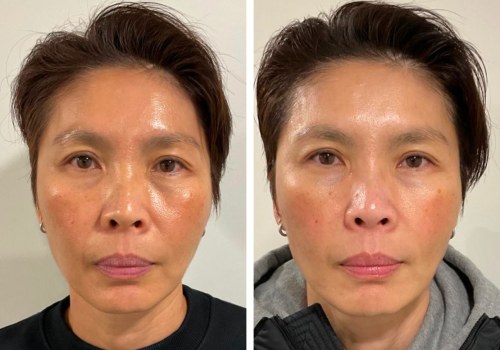
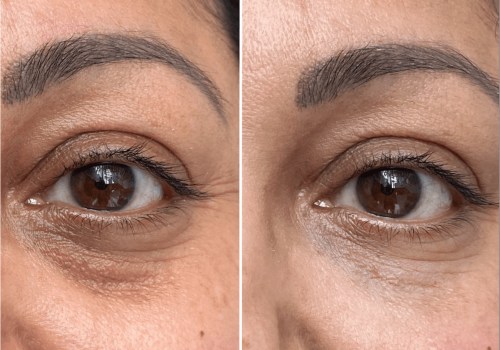
Polynucleotides are essential biological molecules composed of long chains of nucleotides, which are the building blocks of DNA and RNA. These complex structures play a crucial role in various cellular processes, including the storage and transmission of genetic information. In recent years, polynucleotides have gained significant attention in the field of aesthetic medicine, particularly for their potential applications in anti-aging treatments. Their ability to stimulate cellular regeneration and promote healing has led to their incorporation into innovative therapies aimed at rejuvenating the skin.When administered through polynucleotide injections , these compounds can enhance the skin's natural repair mechanisms.
The injections work by delivering polynucleotides directly into the dermal layers, where they interact with skin cells to promote collagen and elastin production. This is particularly beneficial as both collagen and elastin are vital proteins that maintain the skin's elasticity, firmness, and overall youthful appearance. As we age, the natural production of these proteins declines, leading to visible signs of aging such as wrinkles, fine lines, and sagging skin.The benefits of polynucleotides extend beyond mere aesthetic improvements. They also possess anti-inflammatory properties that can help soothe irritated skin and reduce redness.
This makes them an attractive option for individuals seeking not only to enhance their appearance but also to improve their skin's overall health. Furthermore, polynucleotide injections are generally well-tolerated, with minimal side effects compared to traditional dermal fillers or other invasive procedures.As we delve deeper into the world of polynucleotide injections, it is essential to understand their mechanisms of action, potential benefits, and any associated risks. This knowledge will empower individuals considering this treatment option to make informed decisions about their skincare journey.
The Mechanism of Action of Polynucleotide Injections
Polynucleotide injections operate through a sophisticated mechanism that targets the skin's cellular structure, promoting rejuvenation and enhancing overall skin quality. At the core of their function is the stimulation of collagen and elastin production, two essential proteins that contribute significantly to the skin's elasticity, firmness, and youthful appearance.When polynucleotides are injected into the dermal layer of the skin, they interact with specific receptors on fibroblast cells.These fibroblasts are responsible for synthesising collagen and elastin. The introduction of polynucleotides triggers a cascade of biological responses that lead to increased cellular activity. This process can be broken down into several key stages:
- Cellular Uptake: Once injected, polynucleotides are taken up by fibroblasts through endocytosis. This process allows the cells to absorb the nucleotides, which serve as building blocks for new cellular components.
- Gene Expression Modulation: Polynucleotides influence gene expression within fibroblasts, activating pathways that promote collagen and elastin synthesis.
This modulation is crucial for enhancing the skin's structural integrity.
- Increased Collagen Production: As fibroblasts respond to the presence of polynucleotides, they ramp up the production of collagen fibres. Collagen is vital for maintaining skin firmness and reducing the appearance of fine lines and wrinkles.
- Elastin Stimulation: In addition to collagen, polynucleotides also stimulate elastin production. Elastin provides skin with its elasticity, allowing it to stretch and return to its original shape, which is essential for a youthful appearance.
Improved blood flow not only aids in delivering essential nutrients to skin cells but also facilitates the removal of waste products, further contributing to healthier skin.In summary, the mechanism of action behind polynucleotide injections is a multifaceted process that involves cellular uptake, gene expression modulation, and enhanced production of collagen and elastin. This innovative treatment offers a promising avenue for those seeking effective solutions for skin rejuvenation and anti-aging.
Benefits of Polynucleotide Injections for Skin Rejuvenation
Polynucleotide injections have emerged as a revolutionary option in the realm of skin rejuvenation and anti-aging treatments. These injections harness the power of polynucleotides, which are naturally occurring molecules that play a crucial role in cellular repair and regeneration. As individuals seek effective solutions to combat the visible signs of aging, the benefits of polynucleotide injections are becoming increasingly recognised.One of the primary advantages of polynucleotide injections is their ability to significantly improve skin texture.By stimulating collagen and elastin production, these treatments help to restore the skin's natural firmness and elasticity. Patients often report a noticeable reduction in fine lines and wrinkles, leading to a smoother and more youthful appearance.Moreover, polynucleotides enhance skin hydration. They promote the retention of moisture within the skin, which is essential for maintaining a plump and healthy complexion. This increased hydration not only improves the overall look of the skin but also contributes to its resilience against environmental stressors.Another compelling benefit is the promotion of cellular regeneration.
Polynucleotide injections encourage the body’s natural healing processes, allowing for quicker recovery from skin damage caused by factors such as sun exposure or pollution. This regenerative effect can lead to a more vibrant and revitalised appearance over time.The versatility of polynucleotide injections is also noteworthy. They can be used on various areas of the face and body, making them suitable for treating delicate regions such as around the eyes or on the neck. This adaptability has contributed to their growing popularity among those seeking comprehensive anti-aging solutions.In addition to aesthetic improvements, polynucleotide injections may also offer therapeutic benefits for certain skin conditions.
For instance, they have shown promise in reducing inflammation and promoting healing in conditions like acne scars or rosacea.As awareness of these benefits spreads, more individuals are turning to polynucleotide injections as a viable alternative to traditional dermal fillers or surgical procedures. The combination of natural ingredients and minimal downtime makes this treatment an appealing option for those looking to enhance their appearance without significant disruption to their daily lives.In conclusion, the benefits of polynucleotide injections extend beyond mere cosmetic enhancements. With their ability to improve skin texture, boost hydration, promote cellular regeneration, and treat various skin conditions, these injections represent a promising advancement in the field of skin rejuvenation.
Potential Side Effects and Risks Associated with Polynucleotide Injections
While polynucleotide injections are gaining popularity for their potential anti-aging benefits, it is crucial for patients to be aware of the potential side effects and risks associated with this treatment. Understanding these factors can help individuals make informed decisions and prepare adequately for their procedures.One of the most frequently reported side effects is temporary redness and swelling at the injection site.This reaction is a natural response as the skin reacts to the introduction of polynucleotides, which are integral to the body’s healing processes. Patients may also experience mild bruising due to the disruption of small blood vessels during the injection, particularly in areas with thinner skin.In addition to redness and swelling, some individuals may notice itching or tenderness in the treated area. These sensations typically indicate that the body is responding positively to the treatment and working to repair the skin. Occasionally, small bumps or nodules may form under the skin at the injection site.
Although these are generally harmless and resolve on their own, they can be concerning for patients.
Allergic reactions
, though rare, can occur if an individual’s body reacts adversely to components within the injected substance, such as fish DNA found in some polynucleotide formulations. Symptoms of an allergic reaction may include increased itching, swelling, redness, or even more severe manifestations. If any signs of an allergic reaction are observed, it is imperative to seek medical attention promptly.Another potential risk is infection , which can arise if proper post-injection care is not adhered to. Infections may occur when bacteria enter through the injection site, leading to symptoms such as swelling, heat, and increased pain.
To mitigate this risk, it is essential that practitioners employ sterile techniques during the procedure and advise patients on appropriate aftercare.
Granulomas
, which are localized lumps that form as an immune response to injected material, can also develop in some cases. These small, firm lumps are rare but may appear weeks or months after treatment. If granulomas are suspected, consulting a healthcare professional is vital for appropriate management.A more serious but infrequent complication is vascular occlusion , which occurs when an injection inadvertently blocks a blood vessel, restricting blood flow to surrounding tissues. This condition can lead to tissue damage if not addressed immediately.
Signs of vascular occlusion include increased pain, discoloration, and coldness around the affected area. Immediate medical intervention is crucial to restore circulation and prevent further complications.In summary, while polynucleotide injections offer promising benefits for skin rejuvenation, it is essential for patients to be aware of the potential side effects and risks involved. By understanding these aspects and following proper aftercare protocols, individuals can enhance their treatment experience and achieve optimal results.
Managing Side Effects: What to Expect After Treatment
After undergoing polynucleotide injections, it is crucial for patients to understand the potential side effects and how to manage them effectively. While many individuals experience minimal discomfort, being prepared can enhance the recovery process and ensure optimal results.Immediate Post-Treatment Care
- Rest and Recovery: Following the procedure, it is advisable to take some time to rest.
Avoid strenuous activities for at least 24 hours to allow your body to begin the healing process.
- Cold Compress: To alleviate any swelling or redness at the injection site, applying a cold compress can be beneficial. This should be done for 10-15 minutes at a time, several times a day, as needed.
- Avoid Touching the Area: It is essential to refrain from touching or rubbing the treated area. This helps prevent irritation and reduces the risk of infection.
Managing Common Side Effects
Patients may experience various side effects after polynucleotide injections, including:
- Redness and Swelling: These are common reactions that typically subside within a few hours to a couple of days. If persistent, consult your practitioner.
- Bruising: Minor bruising may occur due to needle insertion.
Applying arnica gel can help speed up healing.
- Mild Itching or Tenderness: This sensation is often temporary and indicates that your body is responding positively to the treatment. Over-the-counter antihistamines may provide relief if necessary.
Long-Term Care Considerations
As you recover from polynucleotide injections, consider the following long-term care tips:
- Hydration: Keeping your skin well-hydrated is vital for recovery. Use a gentle moisturiser regularly to maintain skin elasticity.
- Avoid Sun Exposure: Protecting your skin from direct sunlight is crucial in the days following treatment. Use a broad-spectrum sunscreen with an SPF of at least 30 when going outdoors.
- Follow-Up Appointments: Attend any scheduled follow-up appointments with your practitioner to monitor your progress and address any concerns.
They can provide guidance on appropriate interventions and ensure your recovery remains on track.
Comparing Polynucleotide Injections with Other Anti-Aging Treatments
When considering anti-aging treatments, it is essential to understand the differences between polynucleotide injections and other popular options such as dermal fillers and Botox. Each treatment offers unique benefits and drawbacks, making it crucial for individuals to choose the one that best suits their needs.Polynucleotide Injections vs. Dermal Fillers
Polynucleotide injections primarily focus on stimulating the body’s natural healing processes, promoting collagen and elastin production. This regenerative approach can lead to improved skin texture and elasticity over time.In contrast, dermal fillers work by physically adding volume to specific areas of the face, effectively reducing the appearance of wrinkles and fine lines instantly.While dermal fillers provide immediate results, they are temporary solutions that typically last between six months to two years, depending on the type of filler used. On the other hand, the effects of polynucleotide injections may take a few weeks to become noticeable but can last up to a year or more as the skin continues to regenerate.
Polynucleotide Injections vs. Botox
Botox is another widely used anti-aging treatment that works by temporarily paralyzing the muscles responsible for creating dynamic wrinkles, such as frown lines and crow's feet. Unlike polynucleotides, which enhance skin quality through natural processes, Botox provides quick fixes for specific areas of concern.The longevity of Botox results typically ranges from three to six months, necessitating regular maintenance treatments.In contrast, polynucleotide injections may offer longer-lasting improvements in skin quality without the need for frequent visits.
Alternatives to Polynucleotide Injections
For those seeking alternatives to polynucleotide injections, several options exist:- Microneedling: This treatment involves creating tiny punctures in the skin to stimulate collagen production and improve texture.
- Chemical Peels: These peels exfoliate the outer layer of skin, revealing fresher skin underneath and addressing issues like pigmentation and fine lines.
- Laser Treatments: Various laser therapies can target specific skin concerns, including wrinkles, sun damage, and uneven texture.
Expert Opinions: What Professionals Say About Polynucleotide Injections
As the popularity of polynucleotide injections continues to rise, insights from dermatologists and aesthetic professionals provide valuable perspectives on their efficacy and safety. Many experts are cautiously optimistic about the potential benefits of these treatments, particularly in the realm of skin rejuvenation.Dr. Sarah Thompson, a renowned dermatologist based in London, notes that polynucleotides have shown promise in stimulating collagen and elastin production.She states, "The regenerative properties of polynucleotides can enhance skin texture and elasticity, making them a compelling option for patients seeking non-surgical anti-aging solutions." Dr. Thompson emphasizes the importance of patient selection, suggesting that those with specific skin concerns, such as fine lines and loss of firmness, may benefit most from this treatment.Clinical studies have begun to emerge, shedding light on the effectiveness of polynucleotide injections. A recent study published in the Journal of Cosmetic Dermatology evaluated the outcomes of polynucleotide treatments in a cohort of patients aged 40 to 65. The results indicated a significant improvement in skin hydration and elasticity after a series of injections, with many participants reporting visible reductions in wrinkles.However, not all experts are entirely convinced. Dr.
James Patel, an aesthetic practitioner with over a decade of experience, cautions against over-reliance on new treatments without extensive research. "While early results are promising, we need more comprehensive studies to fully understand the long-term effects and potential risks associated with polynucleotide injections," he advises.Furthermore, Dr. Emily Chen highlights the importance of combining polynucleotide treatments with other modalities for optimal results. "In my practice, I often recommend pairing polynucleotide injections with hyaluronic acid fillers or laser treatments to enhance overall skin rejuvenation," she explains.
This multi-faceted approach can address various aspects of aging skin more effectively.In conclusion, while expert opinions on polynucleotide injections vary, there is a consensus that they represent an exciting development in aesthetic medicine. As ongoing clinical studies continue to evaluate their safety and efficacy, patients should consult qualified professionals to determine if this treatment aligns with their individual skincare goals.
Frequently Asked Questions About Polynucleotide Injections
As the popularity of polynucleotide injections continues to rise, many potential patients have questions regarding the treatment. Below are some of the most frequently asked questions that can help clarify any uncertainties.What are polynucleotide injections?
Polynucleotide injections involve the use of long chains of nucleotides, which are essential components of DNA and RNA. These injections aim to stimulate the body’s natural healing processes, promoting collagen and elastin production, which are vital for maintaining youthful skin.How do polynucleotide injections work?
The mechanism behind polynucleotide injections is based on their ability to interact with specific receptors on skin cells.This interaction encourages cellular regeneration and enhances the production of collagen and elastin fibres, leading to improved skin texture and elasticity.
Are polynucleotide injections safe?
Generally, polynucleotide injections are considered safe when administered by qualified professionals. However, as with any medical procedure, there are potential risks and side effects. It is crucial to discuss your medical history and any concerns with your practitioner before undergoing treatment.What can I expect during the treatment?
The procedure typically takes place in a clinical setting and involves minimal discomfort. A topical anaesthetic may be applied to the treatment area to enhance comfort.The practitioner will then inject the polynucleotides into targeted areas using a fine needle.
How long do the results last?
Results from polynucleotide injections can usually be seen within a few weeks and may last up to 12 months, depending on individual factors such as skin type and age. Regular maintenance treatments can help prolong the effects.Are there any side effects?
Common side effects include temporary redness, swelling, or mild bruising at the injection site. These effects typically resolve within a few days. More serious complications are rare but can occur; therefore, it is essential to follow post-treatment care instructions provided by your practitioner.Who is a suitable candidate for this treatment?
Individuals looking to improve skin quality, reduce signs of ageing, or enhance overall skin texture may be suitable candidates for polynucleotide injections.However, those with certain medical conditions or allergies should consult their healthcare provider before proceeding.If you have further questions or concerns about polynucleotide injections, it is advisable to schedule a consultation with a qualified practitioner who can provide personalised advice based on your specific needs.
Conclusion: The Future of Polynucleotide Injections in Aesthetic Medicine
As we draw our exploration of polynucleotide injections to a close, it is essential to reflect on the significant insights gained throughout this discussion. The emergence of polynucleotides as a viable option in aesthetic medicine marks a pivotal shift in how we approach skin rejuvenation and anti-aging treatments. With their ability to stimulate collagen and elastin production, these injections offer a promising alternative to traditional dermal fillers and other invasive procedures.One of the most compelling aspects of polynucleotide injections is their potential for long-lasting results. Patients can expect to see improvements in skin texture and elasticity within weeks, with effects lasting up to a year.This longevity, combined with the relatively low incidence of side effects, positions polynucleotides as an attractive option for those seeking non-surgical solutions to combat the signs of aging.However, it is crucial to approach this treatment with a balanced perspective. While early studies indicate positive outcomes, further research is necessary to establish the long-term safety and efficacy of polynucleotide injections. As with any medical treatment, individual responses can vary significantly, and it is vital for practitioners to tailor their approach based on each patient's unique needs and medical history.Looking ahead, the future of polynucleotide injections in aesthetic medicine appears bright. As more practitioners become familiar with this innovative treatment and as clinical evidence continues to accumulate, we may witness an increase in its adoption across various demographics.
Additionally, advancements in technology and techniques may enhance the effectiveness of these injections, making them even more appealing to patients.In conclusion, while polynucleotides represent a promising frontier in aesthetic treatments, ongoing education and research will be paramount in ensuring that both practitioners and patients can make informed decisions. As we continue to explore the potential of these injections, it is clear that they hold significant promise for the future of skin rejuvenation.