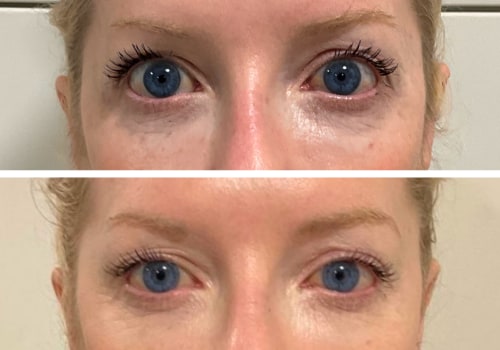
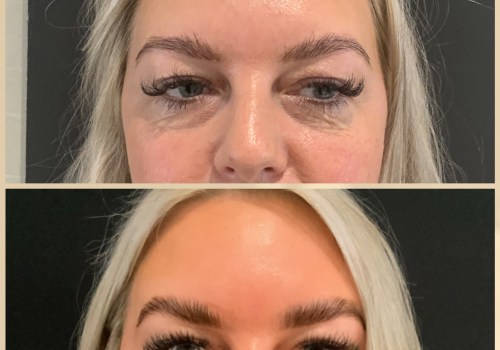
Eye bags, often characterised by puffiness and dark circles beneath the eyes, are a common concern for many individuals. While they can be attributed to various factors such as lack of sleep, stress, and ageing, an often-overlooked aspect is the role of vitamin deficiencies. The skin around the eyes is particularly delicate and sensitive, making it susceptible to changes in overall health and nutrition. Understanding how specific vitamins contribute to skin health can provide valuable insights into preventing and treating eye bags.Among the essential nutrients that play a significant role in maintaining skin vitality are vitamins A, C, E, K, and B12. Each of these vitamins contributes uniquely to skin health; for instance, vitamin A is crucial for cell regeneration, while vitamin C aids in collagen production.
However, one nutrient that has gained attention in recent years is polynucleotides. These naturally occurring compounds are known for their ability to promote cellular repair and regeneration, which can be particularly beneficial for the fragile skin around the eyes.When the body lacks these vital nutrients, it can lead to various skin issues, including the formation of dark circles and puffiness. For example, a deficiency in vitamin K can cause blood vessels under the eyes to become more prominent, resulting in a darker appearance. Similarly, insufficient levels of vitamin B12 may lead to increased pigmentation around the eyes.
By addressing these deficiencies through diet or supplementation, individuals may find a noticeable improvement in their skin's appearance.In this article, we will delve deeper into the specific vitamins associated with eye bags and explore how polynucleotides can enhance skin health. By understanding the connection between nutrition and skin appearance, readers will be better equipped to tackle the issue of eye bags effectively.
What Are Eye Bags?
Eye bags, often referred to as periorbital puffiness, are a common cosmetic concern characterised by swelling or sagging skin beneath the eyes. This condition can give the appearance of tiredness or aging, leading many individuals to seek remedies to reduce their visibility. The skin around the eyes is particularly delicate and thin, making it more susceptible to changes in fluid retention, fat distribution, and overall skin health.Symptoms of Eye Bags
- Swelling or puffiness under the eyes
- Dark circles that may accompany the swelling
- Loose or sagging skin
- Increased visibility of blood vessels beneath the skin
- Occasional discomfort or irritation in the eye area
Understanding these causes can help in addressing the issue more effectively.
Common Causes of Eye Bags
- Aging: As we age, the skin loses collagen and elasticity, leading to sagging and the formation of bags under the eyes.
- Genetics: Family history plays a significant role; if your parents had eye bags, you might be predisposed to them as well.
- Lifestyle Factors: Poor diet, lack of hydration, and insufficient sleep can exacerbate the appearance of eye bags. High salt intake can lead to fluid retention, making bags more pronounced.
- Allergies: Allergic reactions can cause inflammation and swelling around the eyes, contributing to puffiness.
- Medical Conditions: Certain health issues, such as thyroid disorders or sinus problems, can lead to fluid accumulation in the eye area.
- Environmental Factors: Exposure to irritants like smoke or pollution can also affect skin health and contribute to eye bags.
The Role of Vitamins in Skin Health
Vitamins play a crucial role in maintaining the overall health and appearance of our skin. They are essential nutrients that support various bodily functions, including skin repair, hydration, and protection against environmental damage.A deficiency in any of these vital vitamins can lead to visible skin issues, such as eye bags and dark circles, which can significantly affect one’s appearance and self-esteem.Among the key vitamins that contribute to skin health are:
- Vitamin A: This vitamin is fundamental for skin cell production and repair. It helps maintain the integrity of the skin's surface and prevents dryness. A deficiency can lead to a dull complexion and exacerbate conditions like dry eye syndrome.
- Vitamin C: Known for its antioxidant properties, vitamin C is vital for collagen synthesis, which keeps the skin firm and youthful. It also aids in healing wounds and reducing inflammation.
Low levels of vitamin C can weaken blood vessels, making dark circles more prominent.
- Vitamin E: This vitamin acts as a powerful antioxidant that protects the skin from oxidative stress caused by free radicals. It also helps in maintaining skin moisture and elasticity. Insufficient vitamin E can lead to a lacklustre appearance and increased visibility of fine lines.
- Vitamin K: Often overlooked, vitamin K is essential for blood clotting and plays a role in reducing dark circles by improving circulation under the eyes. A deficiency may cause blood vessels to become more visible, leading to puffiness and discolouration.
- B Vitamins: The B-complex vitamins, particularly B12 and folate (B9), are crucial for maintaining healthy skin.
They help in cell metabolism and energy production, which are vital for skin vitality. Deficiencies can result in pale skin and exacerbate the appearance of dark circles.
Additionally, considering high-quality supplements may be beneficial for those who struggle to meet their nutritional needs through diet alone.
Key Vitamins Linked to Eye Bags
Understanding the role of specific vitamins in maintaining skin health is crucial, especially when it comes to addressing the appearance of eye bags. Several vitamins are particularly linked to the development of dark circles and puffiness under the eyes.Vitamin E
is renowned for its antioxidant properties, which help combat oxidative stress and protect skin cells from damage. This vitamin plays a vital role in maintaining skin elasticity and hydration. A deficiency in vitamin E can lead to dry, flaky skin, making the delicate area around the eyes more susceptible to the formation of bags.
To boost your vitamin E intake, consider incorporating foods such as nuts, seeds, spinach, and avocados into your diet.
Vitamin D
is another essential nutrient that contributes to overall skin health. It aids in skin cell growth and repair, and its deficiency can result in a dull complexion. Low levels of vitamin D have been associated with various skin conditions, which may exacerbate the visibility of eye bags. Sunlight is a natural source of vitamin D; however, dietary sources include fatty fish, fortified dairy products, and egg yolks.
Vitamin K
is crucial for blood circulation and plays a significant role in reducing dark circles.
It helps strengthen blood vessels and can diminish the appearance of dark pigmentation under the eyes. A lack of vitamin K may lead to increased visibility of blood vessels, contributing to the formation of eye bags. Foods rich in vitamin K include leafy greens like kale and spinach, as well as broccoli and Brussels sprouts.
Vitamin A
is essential for maintaining healthy skin and vision. It supports the production of collagen, which keeps the skin firm and youthful.
A deficiency in vitamin A can lead to dry eyes and skin issues that may worsen the appearance of eye bags. Sources of vitamin A include liver, fish oils, dairy products, and orange or yellow fruits and vegetables like carrots and sweet potatoes.
Vitamin B12
, while primarily known for its role in red blood cell production, also impacts skin health. Low levels of this vitamin can lead to increased pigmentation around the eyes, making dark circles more pronounced. Incorporating sources such as meat, fish, dairy products, and fortified cereals can help maintain adequate levels of vitamin B12.In summary, ensuring an adequate intake of these key vitamins—E, D, K, A, and B12—can significantly impact the appearance of eye bags.
A balanced diet rich in these nutrients not only promotes overall health but also enhances the vitality of your skin.
The Impact of Iron Deficiency on Eye Bags
Iron deficiency is a prevalent nutritional concern that can significantly impact overall health, including the appearance of the skin around the eyes. When the body lacks sufficient iron, it can lead to anemia, a condition characterised by a reduced number of red blood cells or insufficient haemoglobin. This deficiency can manifest visibly, particularly under the eyes, where the skin is thinner and more delicate.Individuals suffering from anemia often experience a pallor in their skin tone, which can exacerbate the appearance of dark circles and eye bags. The lack of adequate blood flow and oxygenation to the skin can make these areas appear darker and more pronounced.Furthermore, iron plays a crucial role in maintaining healthy blood vessels; without it, these vessels may become more visible, contributing to the overall tired appearance.
Understanding Anemia and Its Effects
Anemia can arise from various factors, including inadequate dietary intake of iron-rich foods, chronic blood loss, or conditions that affect iron absorption. Symptoms often include fatigue, weakness, and pale skin, but the aesthetic implications—such as eye bags—are equally concerning for many individuals.Dietary Recommendations for Iron Deficiency
To combat iron deficiency and its associated effects on skin appearance, it is essential to incorporate iron-rich foods into your diet. Here are some excellent sources of dietary iron:- Red Meat: Beef and lamb are among the richest sources of heme iron, which is more readily absorbed by the body.
- Poultry: Chicken and turkey also provide good amounts of heme iron.
- Fish: Varieties such as tuna and salmon are beneficial for both their iron content and omega-3 fatty acids.
- Legumes: Beans, lentils, and chickpeas are excellent plant-based sources of non-heme iron.
- Leafy Greens: Spinach, kale, and other dark green vegetables contain non-heme iron along with vital vitamins.
- Nuts and Seeds: Almonds, cashews, and pumpkin seeds are not only nutritious but also provide a good source of iron.
- Fortified Foods: Many cereals and grains are fortified with iron to help meet dietary needs.
They can provide guidance on dietary changes or recommend supplements if necessary. By addressing iron deficiency proactively, you can improve not only your health but also the appearance of eye bags and dark circles.
Folate and Its Connection to Skin Health
Folate, also known as vitamin B9, plays a crucial role in maintaining overall health, particularly in promoting healthy blood flow and skin vitality. This water-soluble vitamin is essential for the production of red blood cells, which are responsible for transporting oxygen throughout the body. When the body lacks adequate folate, it can lead to various health issues, including those that manifest in the skin, particularly around the delicate eye area.A deficiency in folate can significantly impact the appearance of the skin, leading to conditions such as dark circles and eye bags.This occurs because insufficient folate levels can result in poor circulation and reduced oxygen supply to the skin. Consequently, the skin may appear dull and lifeless, making imperfections more pronounced. The area around the eyes is particularly sensitive and prone to showing signs of fatigue and nutrient deficiencies.Moreover, folate deficiency can contribute to anemia, a condition characterised by a lack of healthy red blood cells. Anemia often leads to paler skin, which can make dark circles under the eyes more noticeable.
The combination of reduced blood flow and increased visibility of underlying blood vessels can create an unappealing contrast that many individuals seek to address.
Benefits of Folate for Skin Health
In addition to its role in red blood cell production, folate is vital for DNA synthesis and repair, which is essential for maintaining healthy skin cells. Adequate levels of folate help promote cell turnover and regeneration, ensuring that the skin remains vibrant and youthful. Furthermore, folate has been shown to support collagen production, a protein that provides structure and elasticity to the skin.Folate-Rich Foods
To combat folate deficiency and its associated effects on skin health, it is important to incorporate folate-rich foods into your diet. Some excellent sources of folate include:- Leafy greens: Spinach, kale, and romaine lettuce are packed with folate.
- Legumes: Beans, lentils, and chickpeas are not only rich in folate but also provide additional nutrients beneficial for overall health.
- Citrus fruits: Oranges, grapefruits, and lemons are great sources of vitamin C as well as folate.
- Nuts and seeds: Almonds and sunflower seeds offer a healthy dose of folate along with healthy fats.
- Fortified cereals: Many breakfast cereals are fortified with folic acid, a synthetic form of folate.
By doing so, you not only support your overall health but also enhance the vitality of your skin, particularly around the eyes. Maintaining adequate levels of this essential vitamin can be a simple yet effective strategy for reducing the appearance of eye bags and promoting a more youthful complexion.
Polynucleotides: A New Perspective on Skin Health
Polynucleotides, often overshadowed by more commonly discussed vitamins and minerals, are emerging as a significant player in the realm of skin health. These naturally occurring molecules, which are essential for cellular function and repair, can have profound effects on the skin's appearance and vitality, particularly in addressing issues such as eye bags.One of the primary benefits of polynucleotides is their role in promoting cellular regeneration. As we age, our skin undergoes various changes, including a decrease in collagen production and a slowdown in cell turnover.This can lead to the formation of eye bags and dark circles, as the skin around the eyes becomes thinner and less resilient. By enhancing cellular repair mechanisms, polynucleotides can help rejuvenate the skin, making it appear firmer and more youthful.Moreover, polynucleotides possess anti-inflammatory properties that can reduce puffiness and irritation around the eyes. Inflammation is a common contributor to the appearance of eye bags, often exacerbated by factors such as stress, lack of sleep, and environmental pollutants. By mitigating these inflammatory responses, polynucleotides can help restore a more refreshed and vibrant look to the under-eye area.In terms of sources, polynucleotides can be found in various foods rich in nucleic acids.
Foods such as fish, organ meats, and certain types of algae are excellent sources. Additionally, supplements containing polynucleotides are becoming increasingly popular for those looking to enhance their skin health from within.In conclusion, while vitamins and minerals play crucial roles in maintaining skin health, polynucleotides offer a unique approach to combating signs of aging and enhancing overall skin appearance. Their ability to support cellular repair and reduce inflammation makes them a valuable addition to any skincare regimen aimed at reducing eye bags and promoting a youthful glow.
Other Factors Contributing to Eye Bags
While vitamin deficiencies play a significant role in the appearance of eye bags and dark circles, several other factors can contribute to this common concern. Understanding these additional influences is crucial for developing a comprehensive approach to treatment and prevention.Lifestyle Choices
- Sleep Patterns: One of the most significant lifestyle factors affecting the appearance of eye bags is inadequate sleep.
Chronic sleep deprivation can lead to increased fluid retention and poor circulation, resulting in puffiness and dark circles.
- Diet: A diet high in salt can cause the body to retain water, leading to swelling around the eyes. Conversely, a lack of essential nutrients can exacerbate skin issues, making eye bags more pronounced.
- Hydration: Dehydration can cause the skin to lose its elasticity and appear dull, which may accentuate the visibility of dark circles. Drinking sufficient water is vital for maintaining skin health.
- Alcohol and Caffeine: Both substances can dehydrate the body, leading to a tired appearance. Alcohol consumption can also disrupt sleep patterns, compounding the problem.
Environmental Influences
- Allergens: Environmental allergens such as pollen, dust, and pet dander can lead to inflammation and swelling around the eyes.
This reaction may result in dark circles or bags under the eyes.
- Sun Exposure: Prolonged exposure to UV rays can damage the skin, leading to premature aging and loss of collagen. This degradation makes the skin around the eyes thinner and more susceptible to puffiness.
- Poor Air Quality: Pollution can negatively impact skin health, leading to irritation and inflammation that may contribute to dark circles.
Aging Effects on Skin
Aging is an inevitable process that significantly affects the skin's appearance. As we age, our skin loses collagen and elasticity, which are essential for maintaining a firm and youthful look. The delicate skin around the eyes is particularly vulnerable; it becomes thinner over time, making blood vessels more visible and contributing to a darker appearance.
Additionally, fat pads that provide support under the eyes may diminish with age, leading to sagging and puffiness.In conclusion, while vitamin deficiencies are a notable cause of eye bags and dark circles, lifestyle choices, environmental factors, and aging also play critical roles. Addressing these aspects holistically can lead to more effective management of this common cosmetic concern.
Preventing Eye Bags Through Nutrition and Lifestyle Changes
Preventing eye bags is not solely about topical treatments; it significantly hinges on nutrition and lifestyle changes. A well-rounded diet rich in essential vitamins and minerals can play a pivotal role in maintaining the health of your skin, particularly around the delicate eye area.To combat the appearance of eye bags, consider incorporating the following nutrients into your daily meals:- Vitamin E: Known for its antioxidant properties, vitamin E helps protect skin cells from damage. Foods rich in vitamin E include nuts, seeds, and green leafy vegetables.
- Vitamin K: This vitamin is crucial for blood circulation and can help reduce the visibility of dark circles.
Incorporate foods like kale, spinach, and broccoli into your diet.
- Vitamin C: Essential for collagen production, vitamin C can improve skin elasticity and reduce puffiness. Citrus fruits, strawberries, and bell peppers are excellent sources.
- B Vitamins: Particularly B12 and folate (B9), these vitamins support healthy blood flow and can prevent anaemia-related dark circles. Include whole grains, legumes, and animal products in your meals.
- Iron: A deficiency in iron can lead to fatigue and pale skin, making dark circles more pronounced. Red meat, beans, lentils, and fortified cereals are good sources of iron.
- Stay Hydrated: Dehydration can exacerbate the appearance of eye bags.
Aim to drink at least eight glasses of water a day to keep your skin plump and hydrated.
- Get Adequate Sleep: Lack of sleep can lead to fluid retention and dark circles. Strive for 7-9 hours of quality sleep each night to allow your body to rejuvenate.
- Avoid Excessive Alcohol and Caffeine: Both substances can dehydrate the body. Limiting their intake can help maintain skin hydration.
- Manage Stress: High stress levels can lead to poor sleep and unhealthy eating habits. Engage in relaxation techniques such as yoga or meditation to mitigate stress.
Remember that consistency is key; small changes over time can lead to noticeable improvements in your skin's appearance.
<strong>Conclusion</strong>
In summary, the presence of eye bags and dark circles can often be attributed to various vitamin deficiencies, particularly those involving essential nutrients such as vitamins E, D, K, A, and B12. Each of these vitamins plays a crucial role in maintaining skin health and overall well-being. For instance, vitamin A is vital for protecting the cornea and ensuring good vision, while vitamin K is essential for proper blood circulation and can help reduce the visibility of blood vessels under the eyes.Moreover, deficiencies in folate (vitamin B9) and iron can lead to conditions like anemia, which may exacerbate the appearance of dark circles. Anemia results in a reduced number of red blood cells, causing the skin to appear paler and making the areas around the eyes look darker. This highlights the importance of a balanced diet rich in iron and folate to support healthy blood flow.Additionally, vitamin B12 deficiency has been linked to increased pigmentation around the eyes.Although some studies suggest that low levels of this vitamin may not always present with clinical signs of anemia, it is still crucial to monitor B12 levels for overall skin health. Correcting any deficiencies through dietary changes or supplementation can potentially improve periorbital pigmentation.Furthermore, it is essential to consider that while vitamin deficiencies are significant contributors to eye bags and dark circles, other factors such as aging, lifestyle choices, and environmental influences also play a role. For example, smoking can constrict blood vessels and reduce circulation, leading to puffiness and discolouration.To combat these issues effectively, individuals should focus on a holistic approach that includes:
- Incorporating a variety of nutrient-rich foods into their diet.
- Staying hydrated to maintain skin elasticity.
- Avoiding smoking and excessive alcohol consumption.
- Consulting healthcare professionals for tailored advice on supplementation.