Polynucleotides are naturally occurring biopolymers composed of nucleotide sequences, which are the building blocks of DNA and RNA. In the realm of aesthetic medicine, these compounds have garnered significant attention due to their remarkable ability to promote skin rejuvenation and healing. When injected into the skin, polynucleotides work by stimulating cellular activity, enhancing collagen and elastin production, and improving overall skin quality. This makes them a compelling option for those seeking to address various skin concerns, from fine lines and wrinkles to pigmentation issues.The benefits of polynucleotides extend beyond mere cosmetic enhancements.
They play a crucial role in skin hydration, texture improvement, and scar reduction. By encouraging the body’s natural regenerative processes, polynucleotides can help restore a youthful appearance without the need for invasive procedures. Their unique mechanism of action allows for a more holistic approach to skincare, targeting not just the surface but also the underlying structures that contribute to skin health.In recent years, polynucleotide treatments have emerged as a popular alternative to traditional fillers and other aesthetic interventions. Unlike fillers that provide immediate volume but may not address underlying skin quality, polynucleotides offer a more sustainable solution by enhancing the skin's natural resilience over time.
This makes them particularly appealing for individuals looking for long-lasting results without the associated downtime of more invasive treatments.As we delve deeper into the world of polynucleotides, it becomes clear that their potential in aesthetic medicine is vast. Understanding their composition and functionality is essential for anyone considering these treatments. With ongoing research and advancements in technology, polynucleotides are poised to become a staple in skincare regimens aimed at achieving a radiant and youthful complexion.
The Science Behind Polynucleotides
Polynucleotides are naturally occurring biopolymers that play a crucial role in cellular processes, particularly in the context of skin health and rejuvenation. These molecules are composed of long chains of nucleotides, which are the building blocks of DNA and RNA.When introduced into the skin through injections, polynucleotides stimulate various biological mechanisms that contribute to improved skin quality.One of the primary ways polynucleotides work is by enhancing collagen and elastin production. Collagen is a vital protein that provides structure and elasticity to the skin, while elastin allows the skin to return to its original shape after stretching. As we age, the natural production of these proteins declines, leading to signs of aging such as wrinkles, sagging, and loss of firmness. By injecting polynucleotides into the dermis, studies have shown that collagen synthesis can increase significantly—by as much as 30% after just a few sessions.The mechanism behind this enhancement lies in the ability of polynucleotides to activate fibroblasts, the cells responsible for producing collagen and elastin.
When polynucleotides are introduced into the skin, they trigger a cascade of biological responses that promote cellular regeneration and repair. This not only aids in collagen production but also enhances the overall texture and hydration of the skin.Moreover, polynucleotides possess unique properties that help in reducing inflammation and promoting healing. They can improve blood circulation in the treated areas, which further supports skin rejuvenation by delivering essential nutrients and oxygen to the cells. This dual action—stimulating collagen production while also enhancing skin hydration—makes polynucleotides a powerful tool in aesthetic treatments.In addition to their role in collagen synthesis, polynucleotides also contribute to improving skin conditions such as hyperpigmentation and acne scarring.
Their reparative properties help in fading discolouration and smoothing out uneven textures, making them an attractive option for those seeking comprehensive skin rejuvenation.In summary, the science behind polynucleotides reveals their significant potential in enhancing skin health through increased collagen and elastin production. By understanding how these molecules work at a cellular level, individuals can make informed decisions about incorporating polynucleotide treatments into their skincare regimens for a more youthful and radiant complexion.
Benefits of Polynucleotide Treatments
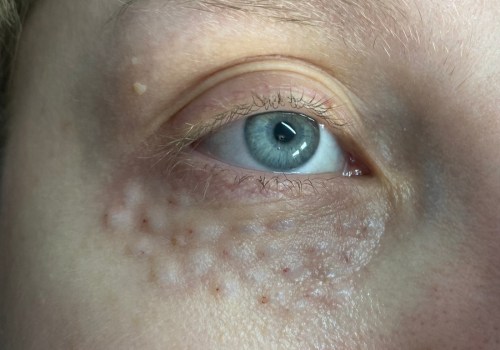
Polynucleotide treatments have gained significant attention in the realm of aesthetic medicine, primarily due to their multifaceted benefits for skin rejuvenation and anti-aging. These injectable therapies harness the power of polynucleotides, which are naturally occurring molecules that play a crucial role in cellular repair and regeneration.One of the most notable advantages of polynucleotide injections is their ability to enhance skin texture. By stimulating collagen and elastin production, these treatments can lead to a smoother, more youthful appearance.Patients often report a visible improvement in skin elasticity and firmness, making it an appealing option for those looking to combat the signs of aging.In addition to improving texture, polynucleotides are renowned for their hydrating properties. They work by increasing the levels of hyaluronic acid in the skin, which is essential for maintaining moisture. This boost in hydration not only helps to plump the skin but also contributes to a radiant complexion, effectively reducing the appearance of fine lines and wrinkles.Another significant benefit is the treatment's efficacy in addressing specific skin concerns. For instance, polynucleotide injections have shown promising results in diminishing dark circles and puffiness under the eyes.
By revitalising the delicate skin in this area, they can help restore a more youthful look, making them an excellent choice for individuals struggling with tired or aged appearances.Moreover, polynucleotides are effective in reducing hyperpigmentation and acne scars. Unlike more invasive procedures such as chemical peels or laser treatments, polynucleotide therapy offers a gentler alternative with minimal downtime. This makes it particularly appealing for those who wish to improve their skin without undergoing extensive recovery periods.In summary, the benefits of polynucleotide treatments extend beyond mere aesthetics. They provide a comprehensive approach to skin rejuvenation by enhancing texture, hydration, and overall skin quality while effectively addressing specific concerns like dark circles and scars.
As such, they represent a valuable addition to any skincare regimen aimed at achieving a youthful and vibrant complexion.
Polynucleotides vs. Other Treatments
When considering aesthetic treatments, it’s essential to understand how polynucleotides stack up against other popular options such as dermal fillers, microneedling, and chemical peels. Each treatment has its unique benefits and potential drawbacks, making it crucial to choose the right one based on individual skin concerns and desired outcomes.Polynucleotides vs. Dermal Fillers
Dermal fillers are widely known for their ability to add volume and smooth out wrinkles instantly.They work by injecting substances like hyaluronic acid into specific areas of the face, providing immediate results. However, these results are temporary, typically lasting from six months to a year, depending on the type of filler used.In contrast, polynucleotides focus on skin rejuvenation rather than volume enhancement. They stimulate the body’s natural collagen and elastin production, leading to gradual improvements in skin texture and elasticity over time. While fillers can provide immediate plumpness, polynucleotides offer a more holistic approach to skin health, promoting long-term benefits without the need for frequent touch-ups.
Polynucleotides vs.
MicroneedlingMicroneedling is another popular treatment that involves creating tiny punctures in the skin to stimulate healing and collagen production. This method can effectively improve skin texture, reduce scars, and enhance overall radiance. However, microneedling often requires downtime for recovery, as the skin may appear red and inflamed post-treatment.On the other hand, polynucleotide treatments typically involve minimal downtime. Patients may experience slight swelling or redness at the injection sites, but these effects usually subside quickly.
Additionally, polynucleotides can be combined with microneedling for enhanced results, allowing for deeper penetration of the active ingredients while still promoting natural healing.
Polynucleotides vs. Chemical Peels
Chemical peels are designed to exfoliate the outer layers of skin using various acids, revealing fresher skin underneath. They can effectively address issues like pigmentation and fine lines but may also lead to peeling and redness that can last several days.In comparison, polynucleotide treatments do not involve harsh chemicals or extensive peeling. Instead, they work by nourishing the skin from within, making them suitable for individuals with sensitive skin or those looking for a gentler alternative.Furthermore, polynucleotides can help improve hydration levels and overall skin quality without the risks associated with chemical burns or irritation.Ultimately, while each treatment has its merits, polynucleotides stand out as a versatile option that promotes long-term skin health and rejuvenation without significant downtime or discomfort. As always, consulting with a qualified practitioner is essential to determine the best approach tailored to your specific needs.
Cost Considerations for Polynucleotide Treatments
When considering polynucleotide treatments, one of the most significant factors to evaluate is the cost associated with these procedures. Understanding the financial implications can help potential patients make informed decisions about whether to proceed with this innovative skin rejuvenation option.On average, the cost of polynucleotide injections can range from £250 to £400 per session, depending on various factors such as the clinic's location, the expertise of the practitioner, and the specific product used. For instance, some clinics may offer introductory rates or package deals that can reduce the overall expense if multiple sessions are booked in advance.It is essential to note that while the initial investment may seem substantial, many patients report significant improvements in skin quality and appearance after just a few sessions.Studies suggest that polynucleotides can enhance collagen production by up to 30% within two to three treatments, which may justify the cost for those seeking long-term benefits.When comparing polynucleotide treatments to other aesthetic procedures, such as dermal fillers or laser treatments, it becomes evident that polynucleotides offer a unique value proposition. For example:
- Dermal Fillers: Typically priced between £300 and £600 per session, fillers provide immediate volume but do not address underlying skin quality issues.
- Laser Treatments: These can range from £200 to over £1,000 per session, depending on the type of laser used and the area being treated. While effective for certain concerns, they often require downtime and multiple sessions.
- Microneedling: Generally costing between £150 and £300 per session, this treatment can improve skin texture but may not deliver the same level of hydration and collagen stimulation as polynucleotides.
For those seeking a comprehensive solution to skin aging and quality improvement, the financial commitment may be well justified. It is advisable to consult with a qualified practitioner who can provide tailored advice based on personal skin concerns and desired outcomes.
Potential Risks and Side Effects
While polynucleotide treatments offer promising benefits for skin rejuvenation, it is essential to consider the potential risks and side effects associated with these procedures. Understanding these factors can help individuals make informed decisions about whether this treatment is suitable for them.Common Side Effects
- Swelling and Bruising: One of the most frequently reported side effects following polynucleotide injections is swelling at the injection site. This can be accompanied by bruising, which typically resolves within a few days.
- Redness and Tenderness: Some patients may experience temporary redness and tenderness in the treated area.
These symptoms are usually mild and subside shortly after the procedure.
- Itching or Discomfort: A sensation of itching or mild discomfort may occur as the skin reacts to the injections. This is generally transient and can be alleviated with over-the-counter antihistamines if necessary.
Less Common Risks
- Infection: As with any injectable treatment, there is a risk of infection at the injection site. It is crucial to choose a qualified practitioner who follows strict hygiene protocols to minimise this risk.
- Allergic Reactions: Although rare, some individuals may have an allergic reaction to the components of the polynucleotide solution. Symptoms can range from mild irritation to more severe reactions requiring medical attention.
- Nodules or Lumps: In some cases, patients may develop small nodules or lumps under the skin where the injections were administered.
These can often be resolved with time but may require additional treatment in certain instances.
Safety Considerations
Before undergoing polynucleotide treatment, it is vital to consult with a qualified healthcare professional who can assess your individual health status and discuss any pre-existing conditions that may increase your risk of complications. Additionally, individuals who are pregnant, breastfeeding, or have a history of severe allergies should approach this treatment with caution.In conclusion, while polynucleotides present an exciting option for skin rejuvenation, potential risks and side effects should not be overlooked. By being well-informed and consulting with experienced practitioners, individuals can better navigate their choices in aesthetic treatments.
Choosing a Provider for Polynucleotide Treatments
When considering polynucleotide treatments, selecting the right provider is crucial to ensure safety and effectiveness. The landscape of aesthetic treatments can be overwhelming, with numerous practitioners offering various services.Here are some essential tips to help you choose a qualified practitioner for your polynucleotide treatment.
1.Verify Credentials and Qualifications
- Check the practitioner’s qualifications, including their medical degree and any specialised training in aesthetic medicine.
- Look for certifications from recognised bodies that indicate they have undergone specific training in administering polynucleotide treatments.
- Ensure that the provider is registered with relevant health authorities, which can vary by region.
2.Research Experience
- Inquire about the practitioner’s experience with polynucleotide treatments specifically. A provider who has performed numerous procedures is likely to have refined their technique and can better manage any complications.
- Ask how many treatments they have conducted and what their success rates are.
3.Read Patient Reviews
- Look for reviews on independent platforms to gauge patient satisfaction. Positive feedback from previous clients can provide insight into the practitioner’s skill and approach.
- Pay attention to comments regarding the results, the practitioner’s bedside manner, and the overall experience during treatment.
4.Schedule a Consultation
- A consultation is an excellent opportunity to assess the practitioner’s approach and ask questions about the treatment process.
- During this meeting, discuss your specific concerns and goals. A qualified provider should take the time to understand your needs and explain how polynucleotides can help.
- Evaluate how comfortable you feel with the practitioner; trust your instincts about their professionalism and willingness to address your queries.
5.Discuss Treatment Plans and Costs
- Ask about the treatment plan tailored for you, including the number of sessions required and expected outcomes.
- Be transparent about costs; a reputable provider will provide a clear breakdown of expenses without hidden fees.
By following these guidelines, you can make an informed decision that aligns with your aesthetic goals.
Real-Life Experiences: Testimonials and Reviews
As the popularity of polynucleotide treatments continues to rise, many individuals are eager to share their personal experiences and outcomes. These testimonials provide valuable insights into the effectiveness of the treatment and help potential patients make informed decisions.Emma's Journey: A Transformation
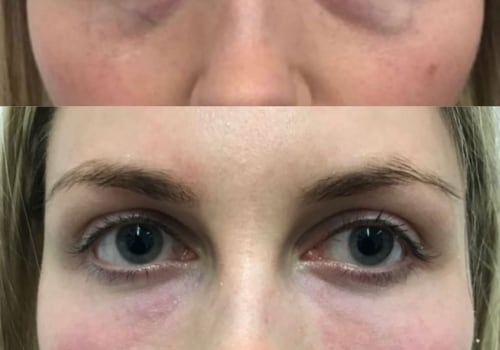
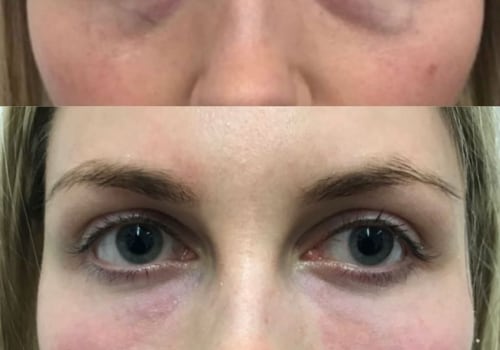
Emma, a 34-year-old marketing executive, decided to try polynucleotide injections after noticing fine lines and dark circles under her eyes. "I was sceptical at first, but after just two sessions, I noticed a significant improvement in my skin's texture and hydration. The dark circles were less pronounced, and my skin felt plumper and more youthful," she shared.
Emma's before-and-after photos reveal a remarkable transformation, showcasing smoother skin and a brighter under-eye area.
James' Experience: Tackling Acne Scarring
James, a 28-year-old graphic designer, struggled with acne scars for years. After researching various treatments, he opted for polynucleotide therapy. "I had three sessions over two months, and I couldn't believe the results. My scars have faded considerably, and my skin feels rejuvenated.
I feel more confident without makeup now," he expressed. His journey highlights how polynucleotides can effectively address specific skin concerns beyond just anti-aging.
Sarah's Testimonial: Under-Eye Treatment
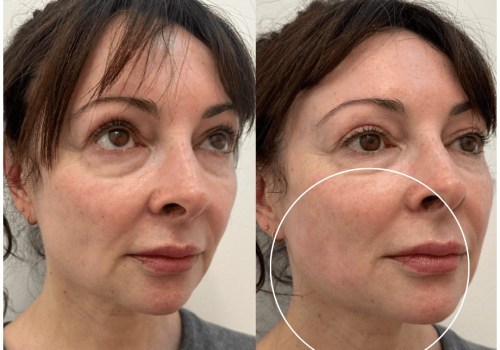
Sarah, a 40-year-old mother of two, sought treatment for her under-eye hollows and crow's feet. "I was tired of looking tired! After my first session, I noticed an immediate difference in the volume under my eyes. The fine lines have softened significantly after just two treatments," she noted.
Sarah's experience underscores the targeted benefits of polynucleotides in delicate areas like the under-eyes.
Overall Sentiment
Across various testimonials, patients consistently report positive outcomes from their polynucleotide treatments. Many highlight the lack of downtime compared to other procedures like chemical peels or microneedling, making it an appealing option for those with busy lifestyles.While individual results may vary, these real-life experiences illustrate that polynucleotides can be a worthwhile investment for those seeking to enhance their skin quality and address specific concerns effectively.
Frequently Asked Questions about Polynucleotides
As interest in polynucleotides continues to grow, many potential patients have questions about the treatment process, its benefits, and what to expect. Below are some of the most frequently asked questions regarding polynucleotide treatments.What are polynucleotides?
Polynucleotides are naturally occurring molecules that play a crucial role in cellular functions. In aesthetic medicine, they are used for their regenerative properties, particularly in enhancing skin quality and promoting collagen production.How do polynucleotide treatments work?
The treatment involves injecting polynucleotides into the skin, where they stimulate the body’s natural healing processes.This leads to increased collagen and elastin production, resulting in improved skin texture, hydration, and overall appearance.
What areas can be treated with polynucleotides?
- Under-eye area to reduce dark circles and hollowness
- Facial skin for overall rejuvenation
- Neck and décolletage for improved texture
- Scalp for hair restoration
Are there any side effects?
While polynucleotide treatments are generally safe, some patients may experience mild side effects such as swelling, redness, or bruising at the injection site. These effects typically resolve within a few days.How many sessions are required?
The number of sessions needed can vary based on individual skin conditions and desired results. Many patients see significant improvements after two to three sessions, spaced a few weeks apart.Is there any downtime after treatment?
One of the advantages of polynucleotide treatments is minimal downtime. Most patients can return to their daily activities immediately after the procedure, although it is advisable to avoid strenuous exercise and sun exposure for a short period.How long do the results last?
The results from polynucleotide treatments can last several months, depending on individual factors such as skin type and lifestyle.Regular maintenance sessions can help prolong the effects.If you have more questions or concerns about polynucleotides, it is best to consult with a qualified practitioner who can provide personalised advice based on your specific needs.
Conclusion: Are Polynucleotides Worth It?
In evaluating whether polynucleotides are worth the investment, it is essential to consider the multitude of benefits they offer alongside their potential drawbacks. As discussed throughout this article, polynucleotides have emerged as a promising treatment option for various skin concerns, particularly in the realm of anti-aging and skin rejuvenation.One of the standout features of polynucleotide treatments is their ability to stimulate collagen and elastin production. This natural boost can lead to significant improvements in skin texture, hydration, and overall appearance. Many users report visible enhancements in fine lines, wrinkles, and even dark circles under the eyes after just a few sessions.The fact that these treatments can be administered with minimal downtime compared to more invasive procedures makes them an attractive option for those seeking effective yet non-disruptive solutions.However, it is crucial to weigh these benefits against the financial commitment involved. With costs averaging around £300 per session, and often requiring multiple treatments for optimal results, the total investment can be substantial. For individuals on a budget or those hesitant about aesthetic procedures, this may raise questions about affordability versus effectiveness.Moreover, while polynucleotides show promise in enhancing skin quality, they are not a one-size-fits-all solution. Individual results can vary based on skin type, age, and specific concerns being addressed.
Therefore, consulting with a qualified practitioner is vital to determine if this treatment aligns with personal skincare goals.In conclusion, polynucleotides represent a valuable addition to the aesthetic treatment landscape. They offer a range of benefits that can significantly improve skin health and appearance. However, potential users should carefully consider their individual circumstances and consult with professionals to ensure that this investment is right for them. Ultimately, for those seeking long-lasting improvements in skin quality without extensive downtime, polynucleotides may indeed be worth it.