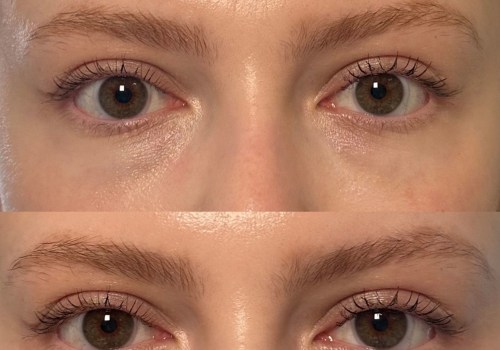
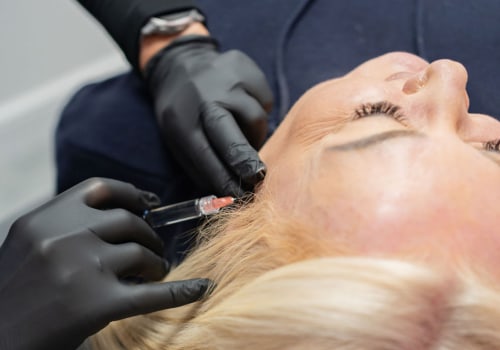
Polynucleotides are a groundbreaking advancement in the field of aesthetic medicine, offering a unique approach to skin rejuvenation and repair. These naturally occurring molecules play a crucial role in cellular function, particularly in the synthesis of proteins that are essential for maintaining skin health. By harnessing the power of polynucleotides, practitioners can stimulate the skin's natural healing processes, leading to improved texture, hydration, and overall appearance.The benefits of polynucleotides extend beyond mere hydration; they act as a catalyst for collagen and elastin production, two vital components that contribute to skin elasticity and firmness. As we age, the natural levels of these proteins decline, resulting in sagging skin and the formation of fine lines and wrinkles.
By introducing polynucleotides into the dermis through minimally invasive injections, patients can experience a revitalisation of their skin's structure, promoting a youthful glow that can last for months.Moreover, polynucleotides possess anti-inflammatory properties that can help alleviate various skin concerns, such as redness and irritation. This makes them particularly beneficial for individuals with sensitive skin or conditions like rosacea. The versatility of polynucleotides allows them to be used in conjunction with other treatments, enhancing their effectiveness and providing comprehensive solutions for skin rejuvenation.As we delve deeper into the timeline of results associated with polynucleotide treatments, it is essential to understand how these remarkable compounds work at a cellular level. The gradual improvement in skin quality may require patience, but the long-lasting effects make them a worthwhile investment for anyone seeking to enhance their natural beauty.
What Are Polynucleotides?
Polynucleotides are essential biomolecules composed of long chains of nucleotides, which are the building blocks of DNA and RNA.These compounds play a crucial role in various biological processes, including cellular repair, regeneration, and communication. Understanding polynucleotides requires a closer look at their composition, types, and functions within the body.
Definition of Polynucleotides
A polynucleotide is a polymer made up of nucleotide monomers linked together by phosphodiester bonds. Each nucleotide consists of three components: a nitrogenous base (adenine, thymine, cytosine, or guanine in DNA; adenine, uracil, cytosine, or guanine in RNA), a five-carbon sugar (deoxyribose in DNA and ribose in RNA), and a phosphate group. The sequence of these nucleotides encodes genetic information and is vital for the synthesis of proteins.
Types of Polynucleotides
- DNA (Deoxyribonucleic Acid): This type of polynucleotide carries the genetic blueprint for all living organisms.
It is double-stranded and forms a helical structure, allowing it to store vast amounts of information necessary for growth, development, and reproduction.
- RNA (Ribonucleic Acid): Unlike DNA, RNA is typically single-stranded and plays several roles in the cell. There are various forms of RNA, including messenger RNA (mRNA), which conveys genetic information from DNA to ribosomes for protein synthesis; transfer RNA (tRNA), which helps decode mRNA into proteins; and ribosomal RNA (rRNA), which is a key component of ribosomes.
- Synthetic Polynucleotides: In addition to naturally occurring polynucleotides, scientists have developed synthetic versions that can be used in various applications, including gene therapy and drug delivery systems. These synthetic polynucleotides can be tailored to perform specific functions within the body.
Function at the Cellular Level
Polynucleotides function at the cellular level by facilitating critical processes such as gene expression and regulation. They are involved in the transcription of DNA into RNA and the subsequent translation of RNA into proteins.
This intricate process ensures that cells can respond to environmental changes and maintain homeostasis.Moreover, polynucleotides play a significant role in cellular repair mechanisms. When cells are damaged due to stress or injury, polynucleotides help initiate repair processes by signalling fibroblasts to produce collagen and elastin. This regenerative capability is particularly beneficial in aesthetic treatments where skin rejuvenation is desired.In summary, polynucleotides are vital components of life that not only encode genetic information but also contribute to cellular health and regeneration. Their diverse types and functions underscore their importance in both biological systems and therapeutic applications.
How Do Polynucleotides Work?
Polynucleotides are gaining recognition in the field of aesthetic medicine due to their unique ability to enhance skin quality through a sophisticated mechanism of action.Understanding how polynucleotides work is essential for appreciating their benefits in skin rejuvenation and repair.At the core of their function, polynucleotides act as signalling molecules that communicate with skin cells, particularly fibroblasts. These cells are crucial for the production of collagen and elastin, two proteins that provide structure, elasticity, and firmness to the skin. When polynucleotides are injected into the dermis, they stimulate fibroblasts to increase the synthesis of these vital proteins, leading to improved skin texture and resilience.The mechanism begins with the introduction of polynucleotides into the deeper layers of the skin through microinjections. Once administered, they interact with cellular receptors, triggering a cascade of biological responses.
This interaction not only promotes collagen and elastin production but also enhances the overall extracellular matrix (ECM), which is essential for maintaining skin integrity.Moreover, polynucleotides possess anti-inflammatory properties that help reduce redness and irritation in the skin. This is particularly beneficial for individuals suffering from conditions such as rosacea or other inflammatory skin disorders. By modulating inflammatory responses, polynucleotides contribute to a more even skin tone and a reduction in visible imperfections.Another significant aspect of polynucleotides is their ability to improve hydration levels within the skin. They facilitate water retention by enhancing the moisture-binding capacity of the ECM.
This results in plumper, more hydrated skin that appears youthful and radiant.In summary, the cellular effects of polynucleotides are multifaceted. They not only stimulate collagen and elastin production but also improve hydration and reduce inflammation. This comprehensive approach makes them a powerful tool in aesthetic treatments aimed at restoring youthful skin quality.
Timeline for Results: When to Expect Changes
Understanding the timeline for results from polynucleotides is crucial for anyone considering this innovative treatment. The effects of polynucleotide injections are not immediate; rather, they unfold gradually as the body responds to the treatment at a cellular level.Typically, patients can expect to start noticing initial improvements within 2 to 3 weeks post-treatment.During this period, subtle changes may become apparent, such as enhanced skin hydration and a slight improvement in texture. However, it is essential to remember that these early signs are just the beginning of a more extensive transformation.The real magic of polynucleotides occurs as the treatment continues to work beneath the surface. After approximately 4 to 6 weeks , patients often observe more significant changes. This phase marks a period where the skin begins to rebuild itself, leading to increased firmness and elasticity.
The gradual production of collagen and elastin, stimulated by the polynucleotide injections, contributes to a more youthful appearance.By the time the 3-month mark is reached, most individuals will experience the full spectrum of benefits associated with polynucleotide treatments. At this stage, improvements in skin texture, tone, and overall radiance are typically at their peak. The skin appears smoother, more hydrated, and exhibits a healthy glow that many seek from aesthetic treatments.To maintain these results, it is advisable to schedule maintenance sessions approximately every six months. This ongoing care helps sustain the collagen production initiated by the initial treatment and ensures that the skin continues to look its best.In summary, while some effects of polynucleotides can be seen within weeks, the most noticeable and lasting results develop over several months.
Patience is key in this process, as the gradual enhancement of skin quality leads to a more natural and enduring outcome.
Factors Influencing Results from Polynucleotide Treatments
The effectiveness and timeline of results from polynucleotide treatments can vary significantly based on several factors. Understanding these influences is crucial for setting realistic expectations and achieving optimal outcomes.1.Individual Differences in Treatment Outcomes
Each person's skin responds differently to treatments, including polynucleotides. Factors such as genetics, overall health, and lifestyle choices play a pivotal role in how quickly and effectively the skin will respond. For instance, individuals with a robust skincare routine may experience faster results due to better skin health, while those with underlying health issues may see delayed effects.
2.Skin Type
The type of skin a person has can significantly influence the effectiveness of polynucleotide treatments.
For example:
- Oily Skin: Those with oily skin may notice quicker improvements due to the natural moisture retention properties of polynucleotides, which can enhance hydration levels.
- Dry Skin: Individuals with dry skin might require more time to see results, as the treatment needs to work harder to restore moisture and elasticity.
- Sensitive Skin: People with sensitive skin may experience varied results depending on their skin's tolerance to the treatment. It is essential for these individuals to consult with a professional to tailor the treatment plan accordingly.
3.Age and Skin Condition
Aging skin often requires more time to show visible improvements from polynucleotide treatments. As we age, our skin's natural ability to produce collagen and elastin diminishes, which can slow down the response to treatments. Younger individuals may see results more rapidly due to their skin's inherent resilience and regenerative capabilities.
4.Treatment Frequency and Technique
The frequency of treatments and the technique used by the practitioner can also affect outcomes.
Regular sessions spaced appropriately allow for cumulative benefits, enhancing the overall effectiveness of polynucleotides. Additionally, skilled practitioners who understand the nuances of injection techniques can optimise results by ensuring that the product is delivered precisely where it is needed most.In conclusion, while polynucleotide treatments offer promising results for skin rejuvenation, individual factors such as skin type, age, and treatment approach play a significant role in determining how quickly and effectively these results manifest. Consulting with a qualified professional can help tailor a treatment plan that considers these variables for optimal outcomes.
Comparing Polynucleotides with Other Injectable Treatments
When considering injectable treatments for skin rejuvenation, polynucleotides and hyaluronic acid fillers are two of the most popular options available. While both aim to enhance skin quality and appearance, they operate through different mechanisms and offer distinct benefits.Polynucleotides
are unique in that they work at a cellular level, promoting the production of collagen and elastin.
This regenerative approach not only improves skin texture and hydration but also enhances the overall health of the skin over time. In contrast, hyaluronic acid fillers primarily provide immediate volume and hydration by attracting moisture to the skin. While they can create a plump appearance almost instantly, their effects are often temporary, typically lasting from six months to a year depending on the product used.One of the key advantages of polynucleotides is their ability to stimulate the body’s natural healing processes. This means that while initial results may take a few weeks to become noticeable, the long-term benefits can be more profound.
Patients often report improvements in skin elasticity and firmness that continue to develop for several months post-treatment. In comparison, hyaluronic acid fillers may require more frequent touch-ups to maintain desired results, as they gradually dissipate over time.Another significant difference lies in their suitability for various skin types and conditions. Polynucleotides are particularly beneficial for individuals with sensitive skin or those who may experience adverse reactions to traditional fillers. They can also be used effectively in delicate areas such as around the eyes and mouth, where hyaluronic acid fillers might cause swelling or discomfort.In summary, while both polynucleotides and hyaluronic acid fillers have their place in aesthetic treatments, polynucleotides offer a more holistic approach to skin rejuvenation.
Their ability to enhance skin health from within makes them an appealing option for those seeking long-lasting results without compromising on safety or comfort.
Maintenance Treatments: Keeping Your Skin Youthful
Once the initial results from polynucleotide treatments are achieved, maintaining those benefits becomes crucial for long-term skin health. The effects of polynucleotides can last approximately six months, but to ensure that your skin remains youthful and vibrant, regular maintenance treatments are recommended.Understanding Maintenance Treatments
Maintenance treatments serve to reinforce the improvements made during the initial treatment phase. As the skin continues to age and environmental factors take their toll, the collagen and elastin production stimulated by polynucleotides may begin to decline. Therefore, scheduling follow-up sessions is essential to sustain the enhanced skin quality.
How Often Should You Get Polynucleotide Injections?
The frequency of maintenance treatments can vary based on individual skin conditions and aesthetic goals.
However, a general guideline suggests that patients should consider receiving polynucleotide injections every six months after their initial treatment. This schedule allows for optimal collagen regeneration and helps maintain hydration levels in the skin.For those with specific concerns or accelerated aging signs, more frequent sessions may be beneficial. Consulting with a qualified practitioner can help tailor a maintenance plan that suits your unique needs.
Longevity of Polynucleotide Effects
The longevity of the effects achieved through polynucleotide treatments is influenced by several factors, including:
- Skin Type: Different skin types may respond differently to treatments, affecting how long results last.
- Age: Younger individuals may experience longer-lasting effects due to more resilient skin.
- Lifestyle Factors: Sun exposure, smoking, and diet can all impact skin health and the durability of treatment results.
Potential Side Effects and Considerations
While polynucleotide treatments offer numerous benefits for skin rejuvenation, it is essential to be aware of potential side effects and considerations before undergoing the procedure.Understanding these factors can help you make an informed decision and manage your expectations effectively.One of the most common side effects associated with injectable treatments, including polynucleotides, is temporary swelling at the injection sites. This swelling typically subsides within a few hours to a couple of days. However, some individuals may experience prolonged swelling or bruising, particularly if they have sensitive skin or are prone to such reactions.Other potential side effects include:
- Redness: Mild redness around the injection area is common and usually resolves quickly.
- Pain or Discomfort: Some patients report a slight discomfort during and after the procedure, which can be managed with over-the-counter pain relief.
- Allergic Reactions: Although rare, some individuals may experience allergic reactions to the components of the polynucleotide solution. It is crucial to discuss any known allergies with your practitioner beforehand.
- Infection: As with any injectable treatment, there is a small risk of infection.
Ensuring that the procedure is performed in a sterile environment by a qualified professional can mitigate this risk.
Always consult with a qualified practitioner who can provide personalised advice based on your unique skin type and health history.
Frequently Asked Questions About Polynucleotides
As the popularity of polynucleotides continues to rise, many individuals have questions regarding their use, effectiveness, and safety. Below are some of the most frequently asked questions about polynucleotide treatments, aimed at dispelling myths and providing clarity.What are polynucleotides?
Polynucleotides are naturally occurring molecules that play a crucial role in cellular functions. They are composed of long chains of nucleotides, which are the building blocks of DNA and RNA. In aesthetic treatments, polynucleotides are used to stimulate collagen and elastin production, enhancing skin texture and hydration.How do polynucleotides work?
When injected into the skin, polynucleotides signal fibroblasts—cells responsible for producing collagen and elastin—to regenerate and repair the skin.This process not only improves skin elasticity but also promotes a more youthful appearance by enhancing hydration levels and reducing inflammation.
Are there any side effects associated with polynucleotide treatments?
While polynucleotide treatments are generally considered safe, some individuals may experience mild side effects such as redness, swelling, or bruising at the injection site. These effects typically resolve within a few days. It is essential to consult with a qualified practitioner to discuss any potential risks.How long do the results from polynucleotide treatments last?
The results from polynucleotide treatments can last approximately six months. However, individual experiences may vary based on factors such as skin type and age.To maintain optimal results, regular maintenance sessions are recommended.
Can polynucleotides be combined with other treatments?
Yes, polynucleotides can be effectively combined with other injectable treatments, such as hyaluronic acid fillers. This combination can enhance overall results by addressing multiple skin concerns simultaneously.Are there any myths about polynucleotides?
- Myth: Polynucleotides are only for older individuals.
- Fact: While they are beneficial for aging skin, younger individuals can also use polynucleotides as a preventive measure to maintain skin health.
- Myth: Results are immediate.
- Fact: The full effects of polynucleotide treatments typically become visible after several weeks as the skin gradually improves.
Conclusion: Embracing the Benefits of Polynucleotide Treatments
In conclusion, understanding the timeline for results from polynucleotide treatments is essential for anyone considering this innovative approach to skin rejuvenation. As we have explored, the journey to visible improvements is not instantaneous; rather, it unfolds over a period of weeks and months, allowing the skin to respond and regenerate at a cellular level.The initial signs of enhancement typically emerge within 2 to 3 weeks post-treatment, as the polynucleotides begin their work beneath the surface. This gradual onset of results can be attributed to the way these compounds stimulate fibroblasts to produce collagen and elastin, essential proteins that contribute to skin firmness and elasticity.It is important for patients to manage their expectations during this period, as the most significant transformations often become apparent around the three-month mark.Moreover, the longevity of the results is another compelling aspect of polynucleotide treatments. With effects lasting approximately six months, individuals can enjoy a sustained improvement in skin texture, hydration, and overall appearance. To maintain these benefits, regular maintenance sessions are recommended, ensuring that the skin continues to receive the nourishment it needs.Ultimately, embracing polynucleotide treatments means committing to a process that prioritises long-term skin health over immediate gratification. By understanding the timeline for results and the science behind these treatments, individuals can make informed decisions that align with their aesthetic goals.
The journey may require patience, but the rewards—smoother, more radiant skin—are well worth the wait.As you consider your options for skin rejuvenation, remember that polynucleotides offer a unique blend of hydration and cellular revitalisation that sets them apart from traditional fillers and other treatments. With their ability to enhance skin quality without compromising natural expressions or proportions, they represent a promising avenue for those seeking a youthful glow.