Polynucleotides are fascinating biomolecules that play a crucial role in the genetic makeup of all living organisms. Composed of long chains of nucleotides, these molecules serve as the building blocks of DNA and RNA, which are essential for storing and transmitting genetic information. The term 'polynucleotide' refers to a polymer made up of numerous nucleotide units linked together by phosphodiester bonds. Each nucleotide consists of a sugar, a phosphate group, and a nitrogenous base, which can vary among different types of nucleotides.
This structural complexity allows polynucleotides to perform a variety of functions within biological systems.In recent years, the application of polynucleotides has extended beyond their traditional roles in genetics and molecular biology. Their unique properties have led to innovative uses in the fields of medicine and cosmetics, particularly in skin rejuvenation therapies. Derived primarily from the sperm of salmon or trout, polynucleotide injections have emerged as a revolutionary treatment option for enhancing skin texture and promoting cellular regeneration. These injections harness the natural healing properties of polynucleotides, stimulating collagen production and improving skin elasticity.The benefits of polynucleotides are manifold.
Not only do they aid in skin repair and rejuvenation, but they also possess anti-inflammatory properties that can help reduce redness and irritation. As a result, polynucleotide injections are increasingly being recognised as a safe and effective alternative to more invasive cosmetic procedures. By understanding the fundamental nature of polynucleotides and their transformative potential, we can appreciate why they are becoming a cornerstone in modern aesthetic treatments.
The Science Behind Polynucleotide Injections
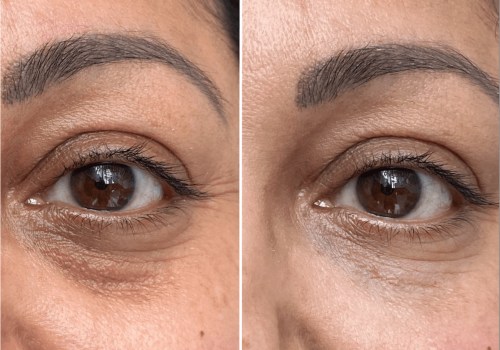
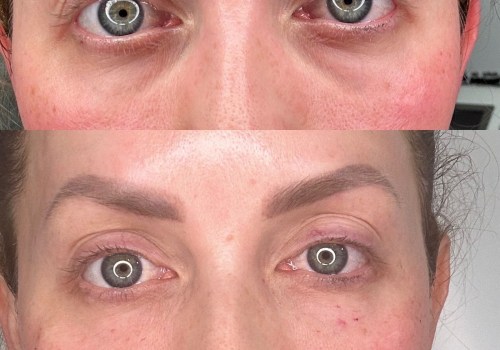
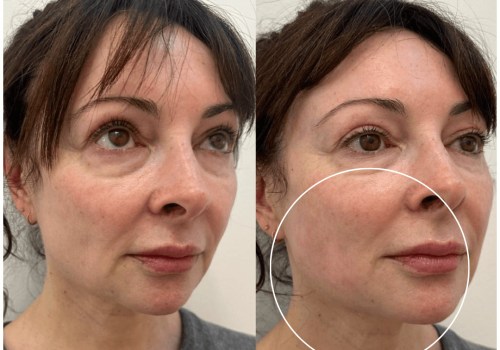
Polynucleotide injections represent a significant advancement in the field of dermatology, particularly in skin rejuvenation. To understand their effectiveness, it is essential to explore the biological mechanisms through which these injections operate.Polynucleotides are long chains of nucleotides, which are the building blocks of DNA.When injected into the skin, they interact with various cellular processes that are crucial for skin health and regeneration. The primary mechanism of action involves the stimulation of fibroblasts, the cells responsible for producing collagen and elastin, two proteins that are vital for maintaining skin elasticity and firmness.Upon injection, polynucleotides initiate a series of biochemical reactions that promote cellular repair and regeneration. They enhance the synthesis of extracellular matrix components, which provide structural support to the skin. This process not only improves skin texture but also aids in reducing the appearance of fine lines and wrinkles.
Scientific Studies Supporting Polynucleotide Efficacy
Numerous scientific studies have been conducted to evaluate the efficacy of polynucleotide injections in skin rejuvenation.For instance, a study published in the Journal of Cosmetic Dermatology demonstrated that patients receiving polynucleotide treatments showed a significant increase in skin hydration and elasticity compared to those who did not receive the treatment. The results indicated an improvement in overall skin quality within just a few weeks post-treatment.Another research article in Dermatologic Surgery highlighted how polynucleotides can modulate inflammatory responses within the skin. By reducing inflammation, these injections create an optimal environment for healing and regeneration, further enhancing their rejuvenating effects.Furthermore, clinical trials have shown that polynucleotide injections can lead to increased dermal thickness, which is often associated with youthful skin. This increase is attributed to enhanced collagen production stimulated by the polynucleotides.In summary, the science behind polynucleotide injections reveals a sophisticated interplay between cellular mechanisms and skin health.
By promoting fibroblast activity and modulating inflammatory responses, these injections offer a powerful tool for achieving youthful and revitalised skin.
Key Benefits of Polynucleotide Injections for Skin Rejuvenation
Polynucleotide injections have emerged as a groundbreaking solution in the realm of skin rejuvenation, offering a multitude of benefits that cater to various skin concerns. These injections, derived from natural sources such as salmon or trout sperm, are rich in polynucleotides, which play a crucial role in cellular repair and regeneration.One of the primary advantages of polynucleotide injections is their ability to significantly improve skin texture. As we age, our skin often becomes rough and uneven due to a decrease in collagen production and cellular turnover. Polynucleotides stimulate fibroblast activity, which enhances collagen synthesis, leading to smoother and more refined skin.This process not only improves the surface appearance but also contributes to a more youthful glow.In addition to texture improvement, polynucleotide injections are renowned for their hydrating properties. The polynucleotides attract and retain moisture within the skin, resulting in enhanced hydration levels. This is particularly beneficial for individuals with dry or dehydrated skin, as it helps restore the skin's natural moisture barrier. The result is plumper, more supple skin that appears revitalised and healthy.Another significant benefit is the enhancement of skin elasticity.
As we age, our skin loses its firmness and elasticity due to the breakdown of elastin and collagen fibres. Polynucleotide injections help counteract this loss by promoting the production of these essential proteins. Improved elasticity not only contributes to a more youthful appearance but also aids in preventing sagging and the formation of fine lines and wrinkles.Moreover, polynucleotide injections possess anti-inflammatory properties that can soothe irritated skin and reduce redness. This makes them an excellent option for individuals with sensitive or reactive skin types.
By calming inflammation, these injections can help create a more even skin tone and texture.In summary, the benefits of polynucleotide injections for skin rejuvenation are extensive. From enhancing texture and hydration to improving elasticity and reducing inflammation, these treatments offer a comprehensive approach to anti-aging. As more individuals seek effective solutions for maintaining youthful skin, polynucleotide injections stand out as a powerful tool in the arsenal of modern dermatology.
Comparing Polynucleotide Injections with Other Treatments
When considering skin rejuvenation treatments, it is essential to evaluate the various options available, particularlyWhen considering skin rejuvenation treatments, it is essential to evaluate the various options available, particularly polynucleotide injections, hyaluronic acid fillers, and platelet-rich plasma (PRP) therapy. Each of these treatments offers unique benefits and mechanisms of action, making them suitable for different skin concerns.Polynucleotides vs Hyaluronic Acid Fillers
Hyaluronic acid fillers are widely recognised for their ability to add volume and hydration to the skin.They work by attracting and retaining moisture, which can plump up areas that have lost elasticity due to ageing. However, while they provide immediate results, the effects are temporary, typically lasting from six months to a year.In contrast, polynucleotide injections not only enhance hydration but also stimulate the body’s natural healing processes. Derived from salmon or trout sperm, polynucleotides promote cellular regeneration and collagen production over time. This means that while hyaluronic acid fillers offer quick fixes, polynucleotides provide long-term improvements in skin texture and elasticity.
Polynucleotides vs PRP Therapy
Platelet-rich plasma (PRP) therapy utilises the patient’s own blood to extract growth factors that promote healing and rejuvenation.While PRP is effective in stimulating collagen production and improving skin tone, it requires multiple sessions to achieve optimal results. Additionally, the process can be uncomfortable due to blood extraction and subsequent injections.On the other hand, polynucleotide injections are less invasive and often involve minimal discomfort. They can be administered in a single session with immediate benefits in terms of hydration and skin texture. Furthermore, polynucleotides have a unique ability to enhance the skin’s overall health by promoting cellular repair mechanisms, which may not be as pronounced with PRP therapy.
Conclusion
In summary, while hyaluronic acid fillers and PRP therapy have their merits in the realm of skin rejuvenation, polynucleotide injections stand out due to their dual action of providing immediate hydration and long-term skin improvement through cellular regeneration.For individuals seeking comprehensive skin rejuvenation solutions, polynucleotides may represent a revolutionary option worth considering.
Safety and Side Effects of Polynucleotide Injections
When considering any medical treatment, including polynucleotide injections, understanding the safety profile and potential side effects is paramount. As with any therapeutic intervention, it is essential to weigh the benefits against the risks to make an informed decision.Are Polynucleotide Injections Safe?
Polynucleotide injections have been extensively studied, particularly in the context of skin rejuvenation and healing. The primary components of these injections are derived from natural sources, such as salmon or trout sperm, which significantly reduces the likelihood of adverse reactions. Clinical trials have demonstrated that polynucleotides are generally well-tolerated by patients.However, safety can vary based on individual health conditions and the expertise of the practitioner administering the treatment.
It is crucial to consult with a qualified healthcare professional who can assess your specific situation and determine if polynucleotide injections are appropriate for you.
Potential Side Effects
While polynucleotide injections are considered safe for most individuals, some patients may experience mild side effects. Commonly reported side effects include:
- Redness at the injection site: This is typically temporary and resolves within a few hours.
- Swelling: Some swelling may occur, but it usually subsides quickly.
- Pain or discomfort: A slight sensation of pain during or after the injection is not uncommon but is generally mild.
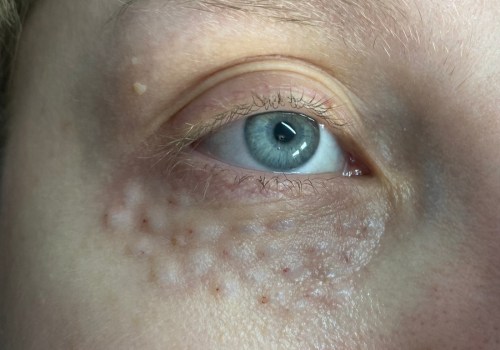
- Bruising: Minor bruising can occur, particularly in individuals with sensitive skin.
Risks Involved
Although serious complications from polynucleotide injections are rare, they can occur. Potential risks include:
- Allergic reactions: Though uncommon, some individuals may have an allergic response to the components of the injection.
- Infection: As with any injection, there is a small risk of infection at the injection site.
- Nerve damage: Improper technique during administration could potentially lead to nerve injury, although this is exceedingly rare when performed by a skilled practitioner.
Always consult with a qualified healthcare provider to discuss your concerns and ensure that you receive personalised care tailored to your needs.
Who Can Benefit from Polynucleotide Injections?
Polynucleotide injections have emerged as a transformative treatment option for various skin concerns, but understanding who can benefit from this innovative therapy is crucial. The ideal candidates for polynucleotide injections typically include individuals experiencing signs of skin ageing, those with specific skin conditions, and even younger patients seeking preventive measures.Age Considerations
While polynucleotide injections can be beneficial across a wide age range, they are particularly effective for individuals aged 30 and above. This is the age when the natural production of collagen and elastin begins to decline, leading to visible signs of ageing such as fine lines, wrinkles, and loss of skin elasticity. For those in their 40s and 50s, polynucleotide treatments can significantly enhance skin texture and promote a more youthful appearance.However, younger individuals, especially those in their late 20s, may also consider polynucleotide injections as a proactive approach to skin health.
By stimulating cellular regeneration and enhancing hydration levels, these injections can help maintain skin vitality and prevent premature ageing.
Specific Skin Conditions
Polynucleotide injections are particularly advantageous for individuals suffering from:
- Acne Scarring: The regenerative properties of polynucleotides can aid in the healing process of acne scars, promoting smoother skin.
- Sun Damage: Those with sun-damaged skin may find relief through polynucleotide treatments, as they help restore hydration and improve overall skin quality.
- Dehydrated Skin: Individuals with dry or dehydrated skin can benefit from the hydrating effects of polynucleotides, which enhance moisture retention.
- Skin Laxity: As skin loses its firmness with age, polynucleotide injections can stimulate collagen production, helping to tighten and lift sagging areas.
What to Expect During a Polynucleotide Injection Procedure
Undergoing a polynucleotide injection procedure can be an exciting step towards rejuvenating your skin. Understanding what to expect during this treatment is crucial for alleviating any concerns and ensuring a smooth experience.Preparation for the Procedure
Before the injection, a thorough consultation with your skin specialist is essential.
This initial meeting will involve:
- Medical History Review: Your practitioner will assess your medical history to identify any contraindications or allergies that may affect the treatment.
- Skin Assessment: A detailed examination of your skin will help determine the best approach for your specific needs.
- Discussion of Expectations: It’s important to communicate your goals and expectations, allowing your specialist to tailor the treatment accordingly.
The Injection Process
The actual injection process typically lasts between 30 to 60 minutes, depending on the areas being treated. Here’s what you can expect:
- Anesthesia: To ensure comfort, a topical anesthetic may be applied to the treatment area. This helps minimise any discomfort during the injections.
- Injection Technique: Using a fine needle, the practitioner will carefully inject the polynucleotide solution into targeted areas of the skin.
The technique may vary based on individual needs and desired outcomes.
- Immediate Aftercare: Post-injection, you may notice some redness or swelling at the injection sites, which is normal and should subside within a few hours.
Post-Treatment Care and Recovery Time
After your polynucleotide injections, proper aftercare is vital for optimal results. Here are some guidelines:
- Avoid Touching: Refrain from touching or applying pressure to the treated areas for at least 24 hours.
- No Strenuous Activity: It’s advisable to avoid intense exercise or activities that may cause excessive sweating for a few days post-treatment.
- Sunscreen Use: Protecting your skin from sun exposure is crucial; apply a broad-spectrum sunscreen daily.
- Hydration: Keeping your skin well-hydrated will support healing and enhance results.
Expert Recommendations and Best Practices
When considering polynucleotide treatments, it is crucial to select a qualified practitioner who possesses the necessary expertise and experience. Here are some expert recommendations to guide you in making an informed choice:- Research Credentials: Look for practitioners who are certified in dermatology or aesthetic medicine.
Their qualifications should include specific training in administering polynucleotide injections.
- Experience Matters: Choose a provider with a proven track record in performing polynucleotide treatments. Ask about their experience, including the number of procedures they have completed and the outcomes achieved.
- Consultation is Key: Schedule a consultation to discuss your goals and concerns. A reputable practitioner will take the time to understand your needs and explain the procedure thoroughly, including potential risks and benefits.
- Check Reviews and Testimonials: Look for feedback from previous patients. Online reviews can provide insight into the practitioner's skill level and patient satisfaction.
- Facility Standards: Ensure that the clinic adheres to high standards of hygiene and safety.
The environment should be clean, well-organised, and equipped with the latest technology.
- Pre-Treatment Preparation: Prior to your appointment, avoid blood thinners such as aspirin or alcohol for at least 48 hours to minimise bruising.
- Post-Treatment Care: After receiving polynucleotide injections, follow your practitioner’s aftercare instructions carefully. This may include avoiding strenuous exercise, sun exposure, and certain skincare products for a few days.
- Stay Hydrated: Drinking plenty of water post-treatment can help support skin recovery and enhance the effectiveness of the injections.
- Regular Follow-Ups: Schedule follow-up appointments as recommended by your practitioner to monitor progress and determine if additional treatments are necessary.
Frequently Asked Questions about Polynucleotide Injections
Polynucleotide injections have garnered significant attention in recent years, leading to a plethora of questions and some misconceptions. Below, we address the most frequently asked questions to provide clarity and enhance understanding of this innovative treatment.- What are polynucleotide injections?
Polynucleotide injections involve the administration of long chains of nucleotides, which are the building blocks of DNA. These injections are primarily derived from salmon or trout sperm and are used to promote skin rejuvenation and healing. - How do polynucleotides work?
The mechanism behind polynucleotide injections lies in their ability to stimulate cellular regeneration.When injected into the skin, they enhance collagen production, improve hydration, and promote overall skin elasticity. This results in a more youthful appearance and improved skin texture.
- Are there any side effects?
While polynucleotide injections are generally considered safe, some individuals may experience mild side effects such as swelling, redness, or bruising at the injection site. These effects are typically temporary and resolve within a few days. - How many sessions are required for optimal results?
The number of sessions can vary depending on individual skin conditions and desired outcomes. Most practitioners recommend a series of 2 to 4 sessions spaced a few weeks apart for optimal results. - Can anyone receive polynucleotide injections?
While most individuals can benefit from this treatment, it is essential to consult with a qualified practitioner to determine suitability.Those with certain medical conditions or allergies may need to avoid this treatment.
- Are there any myths surrounding polynucleotide injections?
Yes, several myths exist. One common misconception is that polynucleotide injections are the same as fillers. In reality, while fillers add volume, polynucleotides focus on rejuvenating and repairing the skin at a cellular level. Another myth is that these injections provide instant results; however, improvements typically become noticeable over time as collagen production increases.
<strong>Conclusion</strong>
In conclusion, the exploration of polynucleotide injections has unveiled a transformative approach to skin rejuvenation that is both innovative and effective.Throughout this article, we have delved into the myriad benefits these injections offer, highlighting their ability to enhance skin texture, promote healing, and stimulate cellular regeneration.One of the most compelling aspects of polynucleotides is their natural origin, derived from salmon or trout sperm. This biocompatibility ensures that the body readily accepts these injections, minimising the risk of adverse reactions. As we have discussed, polynucleotides work by activating the skin's own repair mechanisms, leading to improved hydration and elasticity. This process not only addresses existing skin concerns but also helps prevent future damage.Moreover, the combination of polynucleotides with hyaluronic acid in hybrid products like Newest amplifies their effectiveness.
This synergy not only enhances moisture retention but also provides a plumping effect that can significantly reduce the appearance of fine lines and wrinkles.As we consider the implications of these advancements in dermatological treatments, it becomes clear that polynucleotide injections represent a significant leap forward in non-surgical skin rejuvenation. They offer a safe and efficient alternative to more invasive procedures, making them an attractive option for individuals seeking to enhance their appearance without the downtime associated with traditional cosmetic surgeries.For those contemplating options for skin rejuvenation, it is essential to consult with a qualified specialist who can provide tailored advice based on individual skin types and concerns. The potential for polynucleotide injections to revolutionise skincare is immense, and as research continues to evolve, we can expect even more exciting developments in this field.In summary, embracing polynucleotide injections could be a pivotal step towards achieving healthier, more youthful-looking skin. With their proven efficacy and safety profile, they stand out as a remarkable solution for anyone looking to revitalise their complexion and restore confidence in their appearance.