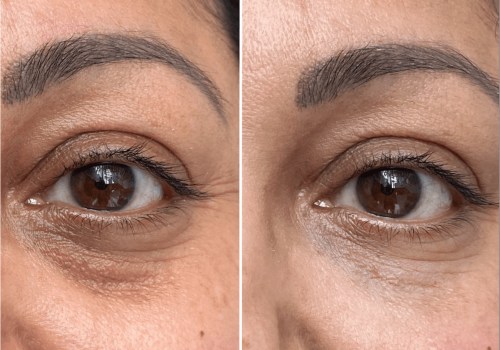
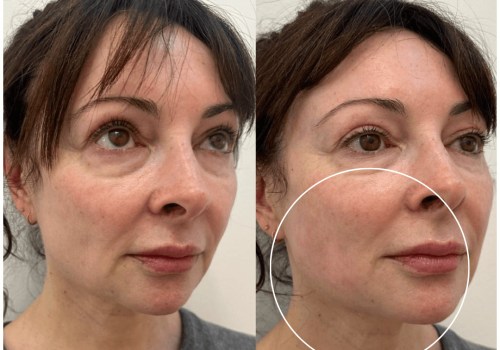
Polynucleotides, often abbreviated as PNs, are fascinating biomolecules that play a crucial role in the field of skin rejuvenation. Derived primarily from the DNA of fish such as salmon and trout, these compounds are composed of long chains of nucleotides, which are the building blocks of genetic material. Their unique structure allows them to interact with skin cells in a way that promotes healing and regeneration, making them an increasingly popular choice in aesthetic treatments.The significance of polynucleotides in skincare lies in their remarkable ability to stimulate cellular processes that are essential for maintaining youthful skin. When injected into the dermis, PNs act as a scaffold for new tissue growth, encouraging the production of vital proteins like collagen and elastin.
These proteins are fundamental to skin elasticity and firmness, and their depletion is a primary factor in the visible signs of aging. By enhancing collagen synthesis, polynucleotides help restore skin texture and hydration, leading to a more radiant complexion.Moreover, the benefits of polynucleotides extend beyond mere cosmetic improvements. They possess inherent anti-inflammatory properties that can aid in treating various skin conditions, including acne and rosacea. This dual action not only addresses aesthetic concerns but also promotes overall skin health.
As we delve deeper into the world of polynucleotides throughout this guide, we will explore their mechanisms of action, compare them with other treatments like Botox, and discuss how they can be effectively integrated into skincare regimens for optimal results.
The Science Behind Polynucleotides
Polynucleotides (PNs) are remarkable biomolecules that play a pivotal role in skin rejuvenation, primarily through their ability to stimulate the body’s natural healing processes. Understanding the mechanism by which polynucleotides operate is essential for appreciating their effectiveness in enhancing skin health.At the core of their function, polynucleotides are composed of nucleotides, which are the building blocks of DNA. When injected into the skin, these molecules act as a catalyst for various biological processes. One of the most significant effects of PNs is their ability to promote the production of collagen and elastin , two proteins that are crucial for maintaining skin structure and elasticity.Collagen
provides strength and support to the skin, while
elastin
allows it to stretch and return to its original shape.
As we age, the natural production of these proteins declines, leading to sagging skin and the formation of wrinkles. Polynucleotides counteract this decline by stimulating fibroblasts—cells responsible for producing collagen and elastin—thereby enhancing skin firmness and elasticity.Moreover, polynucleotides facilitate cellular regeneration. They create a supportive environment for new tissue growth by acting as a scaffold that encourages cell proliferation. This regenerative property not only improves skin texture but also aids in healing damaged tissues, making PNs an effective treatment for scars and other skin imperfections.Another critical aspect of polynucleotides is their anti-inflammatory properties.
By reducing inflammation, they help to alleviate conditions such as acne and rosacea, promoting a clearer complexion. This dual action—enhancing collagen production while simultaneously reducing inflammation—makes PNs a powerful ally in the quest for youthful skin.In summary, the science behind polynucleotides reveals their multifaceted role in skin rejuvenation. By stimulating collagen and elastin production, promoting cellular regeneration, and reducing inflammation, PNs offer a comprehensive approach to improving overall skin health. Their unique mechanisms not only address visible signs of aging but also enhance the underlying biological processes that contribute to youthful-looking skin.
Benefits of Polynucleotide Treatments
Polynucleotide treatments have emerged as a revolutionary approach in the realm of skincare, offering a multitude of benefits that significantly enhance skin health and appearance.These treatments, derived from the DNA of salmon or trout, are not only biocompatible but also exhibit remarkable regenerative properties that can transform the skin.One of the primary advantages of polynucleotide treatments is their ability to improve skin hydration. By stimulating the production of hyaluronic acid, these treatments help retain moisture within the skin, leading to a plumper and more youthful appearance. Enhanced hydration is crucial for maintaining skin elasticity and preventing dryness, which can exacerbate the signs of aging.In addition to hydration, polynucleotides play a vital role in enhancing skin texture. As we age, our skin often becomes rough and uneven due to a decline in collagen and elastin production.
Polynucleotides act as a scaffold for new tissue growth, promoting cell proliferation and regeneration. This process results in smoother, softer skin that appears revitalised and rejuvenated.Furthermore, polynucleotide treatments are effective in reducing the appearance of Polynucleotides act as a scaffold for new tissue growth, promoting cell proliferation and regeneration. This process results in smoother, softer skin that appears revitalised and rejuvenated.Furthermore, polynucleotide treatments are effective in reducing the appearance of fine lines and wrinkles. By encouraging collagen synthesis, these treatments help to fill in creases and restore volume to areas that may have lost firmness over time. The result is a noticeable reduction in the visibility of aging signs, contributing to a more youthful complexion.Another significant benefit is their anti-inflammatory properties.
Polynucleotides can help calm irritated skin and reduce redness associated with conditions such as acne or rosacea. This makes them an excellent option for individuals with sensitive or reactive skin types.Moreover, polynucleotides promote the formation of new blood vessels, which enhances nutrient delivery and oxygenation to skin cells. This improved circulation not only aids in overall skin health but also contributes to a brighter and more radiant complexion.In summary, the benefits of polynucleotide treatments extend far beyond mere cosmetic enhancements. They offer profound improvements in hydration, texture, and overall skin vitality while also addressing specific concerns such as fine lines and inflammation.
As such, they represent a powerful tool in the pursuit of youthful and healthy skin.
Polynucleotides vs. Traditional Treatments
When considering options for skin rejuvenation, it is essential to understand the differences between polynucleotides and traditional treatments such as Botox and dermal fillers. Each treatment has its unique mechanisms, benefits, and ideal use cases, making it crucial for individuals to choose the right option based on their specific skin concerns.Polynucleotides
are a relatively new entrant in the realm of cosmetic injectables, derived from the DNA of salmon or trout. Their primary function is to stimulate the body’s natural healing processes, promoting collagen and elastin production.
This regenerative approach not only enhances skin texture but also improves hydration and elasticity over time. In contrast, traditional treatments like Botox work by temporarily paralyzing facial muscles to reduce the appearance of wrinkles. While Botox can provide immediate results, it does not address underlying skin health or texture.Another significant difference lies in the longevity of results. Polynucleotides offer long-term benefits as they encourage ongoing tissue regeneration, which can lead to sustained improvements in skin quality.
Patients may notice gradual enhancements over several weeks following treatment. On the other hand, Botox typically requires repeat sessions every three to six months to maintain its effects, as its results are temporary and reliant on muscle activity.When it comes to safety and side effects, both treatments are generally well-tolerated. However, polynucleotides have been noted for their anti-inflammatory properties, making them suitable for individuals with sensitive skin or conditions like acne and rosacea. In contrast, Botox may cause temporary bruising or swelling at the injection site and is not recommended for those with certain neuromuscular disorders.In summary, while both polynucleotides and traditional treatments like Botox have their merits, they serve different purposes in skin rejuvenation.
Polynucleotides excel in promoting overall skin health and long-term rejuvenation, while Botox is effective for immediate wrinkle reduction. For optimal results, many practitioners recommend a combination of both treatments tailored to individual needs.
Combining Polynucleotides with Other Treatments
In the realm of cosmetic treatments, the quest for optimal skin rejuvenation has led to the exploration of combination therapies. One of the most promising combinations involves the use of polynucleotides alongside other established treatments, such as Botox. This synergy not only enhances the overall effectiveness of each treatment but also provides a more comprehensive approach to skincare.Understanding the Synergistic Effects
The concept of synergy in skincare refers to the idea that two or more treatments can work together to produce results greater than the sum of their individual effects.
When polynucleotides are combined with Botox, for instance, patients can experience both immediate and long-lasting benefits. While Botox effectively reduces the appearance of fine lines and wrinkles by temporarily relaxing facial muscles, polynucleotides promote deeper skin rejuvenation by stimulating collagen and elastin production.This dual-action approach addresses not only the superficial signs of aging but also improves skin texture and hydration at a cellular level. As a result, patients often report a more youthful and radiant complexion following combination treatments.
Polynucleotides and Other Treatments
Beyond Botox, polynucleotides can be effectively paired with various other cosmetic procedures:
- Dermal Fillers: When used in conjunction with dermal fillers, polynucleotides can enhance skin elasticity and volume. The fillers provide immediate plumpness, while polynucleotides work over time to improve skin quality.
- Microneedling: Combining microneedling with polynucleotide injections can significantly boost results.
Microneedling creates micro-injuries that stimulate healing, allowing polynucleotides to penetrate deeper into the skin and promote regeneration.
- Laser Treatments: Laser therapies can address pigmentation and texture issues. When followed by polynucleotide treatment, the skin's recovery is accelerated, leading to improved outcomes. Laser therapies can address pigmentation and texture issues. When followed by polynucleotide treatment, the skin's recovery is accelerated, leading to improved outcomes.
Considerations for Combination Treatments
While combining treatments can yield remarkable results, it is essential for patients to consult with qualified professionals who can tailor a regimen based on individual skin types and concerns. Factors such as skin sensitivity, treatment history, and desired outcomes should all be considered when planning combination therapies.In conclusion, integrating polynucleotides with other cosmetic treatments offers a multifaceted approach to skincare that not only targets visible signs of aging but also enhances overall skin health. This innovative strategy is paving the way for more effective and lasting results in the pursuit of youthful skin.
Potential Side Effects and Considerations
While polynucleotide treatments offer numerous benefits for skin rejuvenation, it is essential to consider potential side effects and safety considerations before undergoing such procedures.Understanding these aspects can help individuals make informed decisions and manage expectations regarding their treatment outcomes.
Common Side Effects
- Injection Site Reactions: The most frequently reported side effects include swelling, redness, and tenderness at the injection site. These reactions are typically mild and resolve within a few days.
- Bruising: Some patients may experience bruising following the injection, particularly if they are prone to bruising or are taking blood-thinning medications.
- Itching or Rash: In rare cases, individuals may develop an allergic reaction, leading to itching or a rash. It is crucial to inform your practitioner of any known allergies prior to treatment.
Less Common Risks
- Infection: As with any injectable treatment, there is a small risk of infection. Ensuring that the procedure is performed in a sterile environment by a qualified professional can significantly reduce this risk.
- Nodules or Lumps: Occasionally, patients may develop small nodules or lumps under the skin at the injection site.
These can often be massaged out or may resolve on their own over time.
Safety Considerations
Before undergoing polynucleotide treatments, it is vital to consult with a qualified healthcare provider who can assess your individual health status and discuss any pre-existing conditions that may affect your suitability for the procedure. Factors such as pregnancy, autoimmune disorders, or active skin infections should be taken into account.Additionally, it is advisable to disclose all medications and supplements you are currently taking, as certain substances can increase the risk of complications. Following post-treatment care instructions provided by your practitioner is also crucial for minimising side effects and ensuring optimal results.In conclusion, while polynucleotide treatments are generally safe and well-tolerated, being aware of potential side effects and safety considerations can empower patients to make informed choices about their skincare journey.
Who Can Benefit from Polynucleotide Treatments?
Polynucleotide treatments have emerged as a revolutionary option for skin rejuvenation, but understanding who can truly benefit from these therapies is essential for optimal results. Various factors, including age and skin type, play a significant role in determining the ideal candidates for polynucleotide treatments.Age Considerations
While polynucleotides can be beneficial across a wide age range, certain age groups may experience more pronounced effects:- Young Adults (20s to early 30s): Individuals in this age group often seek polynucleotide treatments as a preventive measure.
By stimulating collagen and elastin production early on, they can maintain skin elasticity and hydration, potentially delaying the onset of visible aging signs.
- Middle-Aged Adults (40s to 50s): This demographic typically shows the most significant benefits from polynucleotide treatments. As natural collagen production declines with age, these treatments can effectively restore skin texture, reduce fine lines, and enhance overall skin health.
- Seniors (60s and above): Older adults can also benefit from polynucleotides, particularly for addressing deeper wrinkles and sagging skin. The regenerative properties of these treatments can help improve skin quality and promote a more youthful appearance.
Skin Types Suitable for Treatment
Polynucleotide treatments are versatile and can be tailored to various skin types:- Dry Skin: Individuals with dry or dehydrated skin may find polynucleotides particularly beneficial. The treatment enhances hydration levels, leading to plumper and more radiant skin.
- Oily Skin: Those with oily or combination skin can also benefit from polynucleotide injections.
The anti-inflammatory properties of these treatments can help reduce acne flare-ups while improving overall skin texture.
- Sensitive Skin: For individuals with sensitive or reactive skin, polynucleotides offer a gentle yet effective option. Their biocompatibility reduces the risk of adverse reactions, making them suitable for those who may not tolerate other cosmetic procedures well.
What to Expect During a Polynucleotide Treatment Session
Undergoing a polynucleotide treatment can be an exciting step towards rejuvenating your skin. Understanding what to expect during the session can help alleviate any anxiety and ensure you are well-prepared for the process.Preparation for the Treatment
Before your appointment, it is essential to have a consultation with your practitioner.
This initial meeting allows you to discuss your skin concerns, medical history, and treatment goals. Your practitioner will assess your skin type and recommend a tailored approach to maximise the benefits of polynucleotide injections.On the day of the treatment, it is advisable to:
- Avoid blood-thinning medications, such as aspirin or ibuprofen, for at least 48 hours prior to the session.
- Stay hydrated by drinking plenty of water.
- Arrive with a clean face, free from makeup or skincare products.
The Treatment Process
During the treatment session, you can expect the following steps:
- Consultation and Assessment: Your practitioner will review your treatment plan and answer any last-minute questions.
- Application of Numbing Cream: To enhance comfort during the injections, a topical anaesthetic may be applied to the treatment area.
- Injection of Polynucleotides: Using a fine needle, your practitioner will inject the polynucleotides into specific areas of your skin. The procedure typically lasts between 30 to 60 minutes, depending on the number of areas being treated.
- Post-Treatment Care: After the injections, your practitioner will provide aftercare instructions, which may include avoiding strenuous exercise and sun exposure for a few days.
Recovery Time
The recovery time following polynucleotide injections is generally minimal. Most patients can resume their daily activities immediately after the procedure.
However, some may experience mild swelling, redness, or bruising at the injection sites. These effects usually subside within a few days.To optimise recovery and results, it is crucial to follow your practitioner's aftercare advice. This may include:
- Avoiding hot showers or saunas for 24 hours post-treatment.
- Using gentle skincare products and avoiding harsh exfoliants for at least a week.
- Staying hydrated and maintaining a healthy diet to support skin healing.
Frequently Asked Questions about Polynucleotides
As the popularity of polynucleotides in skin rejuvenation continues to rise, many individuals have questions and concerns regarding their use.Below, we address some of the most frequently asked questions about polynucleotides and their role in skin treatments.
What are polynucleotides?
Polynucleotides, often abbreviated as PNs, are biocompatible molecules derived from the DNA of fish, particularly salmon and trout. They are known for their regenerative properties, which make them a valuable ingredient in various skin treatments aimed at enhancing skin health and appearance.How do polynucleotides work for skin rejuvenation?
When injected into the skin, polynucleotides stimulate the production of collagen and elastin, two essential proteins that contribute to skin strength and elasticity. This process not only improves skin texture but also promotes hydration and reduces the appearance of fine lines and wrinkles.Are there any side effects associated with polynucleotide treatments?
While polynucleotide treatments are generally considered safe, some individuals may experience mild side effects such as swelling, redness, or bruising at the injection site. These effects are typically temporary and resolve within a few days.It is essential to consult with a qualified practitioner to discuss any potential risks.
Can polynucleotides replace Botox?
No, polynucleotides cannot entirely replace Botox. While Botox works by temporarily paralyzing facial muscles to reduce wrinkles, polynucleotides focus on improving overall skin health at a cellular level. Many experts recommend using both treatments in conjunction for optimal results.Who is a suitable candidate for polynucleotide treatments?
Polynucleotide treatments are suitable for individuals looking to improve their skin's appearance and health. They can benefit those with signs of aging, uneven skin texture, or conditions like acne and rosacea.However, it is crucial to have a consultation with a healthcare professional to determine if this treatment is appropriate for your specific needs.
Are there any myths about polynucleotides?
- Myth: Polynucleotides are only for older individuals.
- Fact: While they are beneficial for aging skin, younger individuals can also use them as a preventive measure against premature aging.
- Myth: Polynucleotide treatments provide instant results.
- Fact: Results may take time as the body gradually produces collagen and elastin; improvements typically become noticeable over several weeks.
Conclusion: The Future of Skin Rejuvenation with Polynucleotides
In conclusion, the exploration of polynucleotides as a revolutionary approach to skin rejuvenation has unveiled a multitude of benefits that extend beyond traditional treatments. As we have discussed, these remarkable biomolecules derived from salmon and trout DNA possess unique regenerative properties that can significantly enhance skin health, texture, and hydration.The ability of polynucleotides to stimulate collagen and elastin production is particularly noteworthy. These proteins are essential for maintaining the skin's strength and elasticity, which naturally decline with age.By promoting the synthesis of these vital components, polynucleotides not only improve the appearance of fine lines and wrinkles but also contribute to a more youthful and vibrant complexion.Moreover, the anti-inflammatory properties of polynucleotides make them an effective treatment option for various skin conditions, including acne and rosacea. This dual action—addressing both aesthetic concerns and underlying skin issues—positions polynucleotides as a versatile tool in the realm of dermatology.While it is clear that polynucleotides offer substantial long-term benefits, it is essential to recognise that they do not serve as a direct replacement for established treatments like Botox. Instead, their true potential lies in their ability to complement such therapies. By combining polynucleotides with Botox, patients can achieve a comprehensive approach to skin rejuvenation that targets both immediate signs of aging and promotes lasting skin health.As we look towards the future of skincare, it is evident that polynucleotides will play an increasingly prominent role in anti-aging strategies.
Their capacity to enhance cellular regeneration and tissue repair positions them as a frontrunner in the quest for youthful skin. For those considering options for skin rejuvenation, exploring treatments involving polynucleotides could be a transformative step.In summary, the integration of polynucleotides into skincare regimens represents a significant advancement in our understanding of skin health. As research continues to unfold, it is crucial for individuals to stay informed about these innovative treatments and consult with qualified professionals to determine the best approach tailored to their unique needs.