Polynucleotides are essential biomolecules that play a pivotal role in the functioning of all living organisms. Composed of long chains of nucleotide units, these molecules serve as the building blocks of DNA and RNA, which are fundamental to genetic information storage and transmission. In essence, polynucleotides can be defined as polymers made up of repeating nucleotide monomers, each consisting of a sugar, a phosphate group, and a nitrogenous base. This unique structure allows them to carry genetic instructions vital for cellular processes, including growth, development, and repair.In the realm of medicine, particularly aesthetic medicine, polynucleotides have emerged as a groundbreaking innovation.
Derived primarily from the DNA of fish such as salmon or trout, these injectable substances harness the natural regenerative properties inherent in polynucleotides. Their biological significance lies in their ability to stimulate cellular activity, enhance tissue repair, and promote collagen and elastin production—key components that contribute to youthful and vibrant skin.The therapeutic potential of polynucleotides extends beyond mere cosmetic applications. They are increasingly being recognised for their role in regenerative medicine, where they aid in healing processes and tissue regeneration. By reintroducing polynucleotides into the skin through injections, practitioners can effectively rejuvenate the skin at a cellular level, addressing issues such as fine lines, wrinkles, and overall skin texture.
This innovative approach not only offers immediate aesthetic benefits but also fosters long-term improvements in skin health.Understanding the fundamental nature of polynucleotides is crucial for appreciating their transformative impact on aesthetic treatments. As research continues to unveil their myriad benefits, it becomes evident that polynucleotides represent a significant advancement in our quest for effective and natural rejuvenation solutions.
The Role of Polynucleotides in Skin Rejuvenation
Polynucleotides have emerged as a groundbreaking component in the realm of skin rejuvenation, offering a multifaceted approach to enhancing skin health. These naturally occurring molecules, derived from the DNA of fish such as salmon and trout, play a pivotal role in cellular communication and regeneration. Their unique properties enable them to stimulate the body’s inherent healing processes, making them an invaluable asset in aesthetic medicine.One of the primary mechanisms through which polynucleotides exert their effects is by promoting the production of collagen and elastin.These two proteins are fundamental to maintaining skin structure and elasticity. As we age, the natural synthesis of collagen and elastin diminishes, leading to visible signs of ageing such as fine lines, wrinkles, and sagging skin. By reintroducing polynucleotides into the skin, we can effectively kickstart this production process, resulting in a more youthful appearance.Moreover, polynucleotides possess remarkable anti-inflammatory properties. This characteristic is particularly beneficial for individuals with sensitive or reactive skin conditions.
By reducing inflammation, polynucleotides help to create a more balanced environment for skin cells to thrive, further enhancing their regenerative capabilities.The benefits of polynucleotides extend beyond mere aesthetics. They also aid in improving overall skin quality by:
- Enhancing Hydration: Polynucleotides help retain moisture within the skin, leading to improved hydration levels and a plumper appearance.
- Reducing Pigmentation: By balancing melanocyte activity, polynucleotides can assist in achieving a more even skin tone, diminishing dark spots and hyperpigmentation.
- Accelerating Healing: Their regenerative properties facilitate faster recovery from skin injuries or procedures, making them ideal for post-treatment care.
Safety and Efficacy of Polynucleotide Treatments
When considering any aesthetic treatment, understanding the safety and efficacy of the procedure is paramount.Polynucleotide injections have gained significant attention in recent years, not only for their rejuvenating effects but also for their impressive safety profile. Derived from natural sources, these injections are designed to enhance skin quality while minimising risks associated with more traditional treatments.Clinical studies have consistently demonstrated that polynucleotide treatments are well-tolerated by patients. The low incidence of adverse effects is a notable advantage, making them an appealing option for those seeking skin rejuvenation. Commonly reported side effects include mild swelling, redness, or bruising at the injection site, which typically resolve within a few days.
These transient reactions are generally less severe compared to those associated with dermal fillers or other invasive procedures.However, it is essential to acknowledge that no treatment is entirely without risk. Although serious complications are rare, they can occur. Potential side effects may include:
- Allergic reactions: Some individuals may experience hypersensitivity to the components of the injection.
- Granulomas: These are small areas of inflammation that can develop in response to the injection.
- Vascular occlusion:Vascular occlusion: While this is extremely rare with polynucleotide injections, it can occur if the injection inadvertently blocks a blood vessel.
Research indicates that these treatments not only improve skin texture and elasticity but also promote collagen and elastin production at a cellular level. A meta-analysis of over 100 studies has shown that patients experience noticeable improvements in skin quality, including reduced fine lines and enhanced hydration.In conclusion, polynucleotide treatments offer a promising avenue for those seeking effective and safe aesthetic solutions. With a solid foundation of clinical evidence supporting their use, these injections represent a significant advancement in aesthetic medicine, providing patients with natural-looking results while maintaining a favourable safety profile.
Comparing Polynucleotides with Other Aesthetic Treatments
In the realm of aesthetic medicine, the landscape is continually evolving, with various treatments vying for attention. Among these, polynucleotides have emerged as a compelling alternative to traditional options such as dermal fillers and Botox.Understanding the distinctions between these treatments is crucial for both practitioners and patients seeking optimal results.
Polynucleotides vs Dermal Fillers
- Mechanism of Action: Dermal fillers primarily work by adding volume to specific areas of the face, effectively plumping up wrinkles and folds. In contrast, polynucleotides function at a cellular level, promoting tissue regeneration and stimulating the body’s natural collagen and elastin production. This regenerative approach not only addresses existing signs of aging but also enhances skin quality over time.
- Longevity of Results: While dermal fillers typically last between six months to two years, depending on the product used, polynucleotide treatments can yield longer-lasting effects due to their ability to stimulate ongoing collagen synthesis. Patients may find that the benefits of polynucleotides continue to improve even after the initial treatment.
- Safety Profile: One of the most significant advantages of polynucleotides is their low risk of adverse effects.
Unlike dermal fillers, which can lead to complications such as lumps or vascular occlusion, polynucleotides are less likely to cause such issues when administered correctly. This makes them a safer option for those concerned about potential side effects.
Polynucleotides vs Botox
- Targeted Concerns: Botox works by temporarily paralyzing muscles to reduce the appearance of dynamic wrinkles, particularly around the forehead and eyes. Conversely, polynucleotides do not interfere with muscle activity; instead, they enhance skin texture and elasticity, making them suitable for a broader range of concerns including fine lines, pigmentation, and overall skin rejuvenation.
- Natural Appearance: Many patients express a desire for natural-looking results without the "frozen" effect that can sometimes accompany Botox treatments. Polynucleotides promote a more youthful appearance by improving skin quality from within, allowing for subtle yet effective rejuvenation.
- Treatment Frequency: Botox typically requires repeat treatments every three to six months to maintain results.
In contrast, while maintenance sessions for polynucleotides are recommended every six to twelve months, many patients report sustained improvements in skin quality that may extend beyond this timeframe.
The Unique Benefits of Polynucleotides
The regenerative properties of polynucleotides set them apart from traditional aesthetic treatments. By focusing on enhancing the skin's natural healing processes, they offer a holistic approach to rejuvenation that not only addresses immediate concerns but also promotes long-term skin health. As more practitioners recognise these advantages, polynucleotides are likely to become an integral part of aesthetic treatment protocols.
Applications of Polynucleotides in Aesthetic Medicine
Polynucleotides have emerged as a groundbreaking innovation in aesthetic medicine, offering a range of applications that enhance skin quality and rejuvenation. Their versatility allows practitioners to address various concerns across multiple areas of the face and body.Facial Applications
One of the most prominent uses of polynucleotides is in facial treatments.They are particularly effective in:
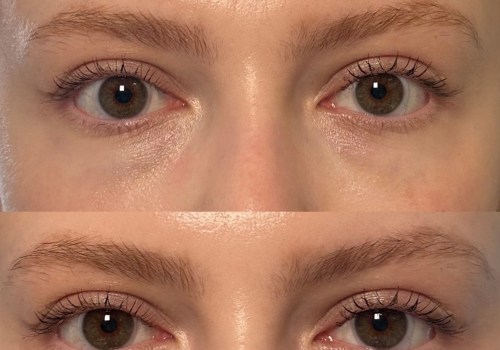
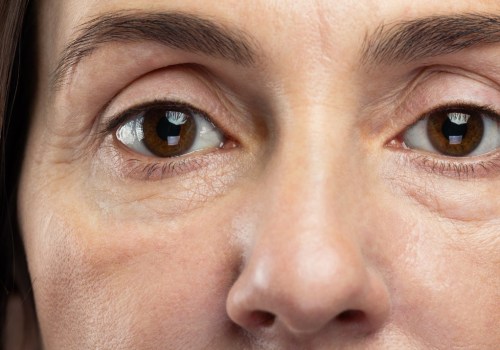
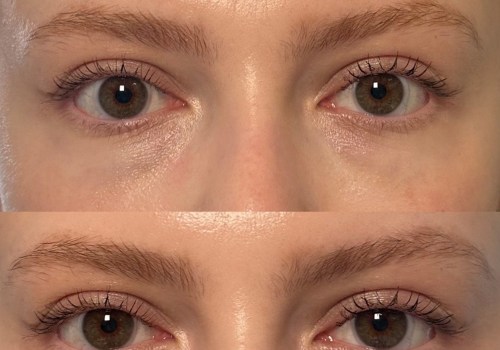
- Under-eye rejuvenation: The delicate skin around the eyes often shows signs of ageing first. Polynucleotides can significantly improve skin texture, reduce dark circles, and diminish fine lines, providing a refreshed appearance.
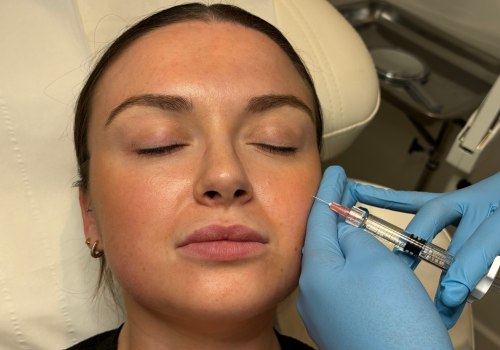
- Cheek enhancement: By stimulating collagen production, polynucleotides can restore volume and elasticity to the cheeks, creating a more youthful contour without the need for traditional fillers.
- Forehead and brow area: These areas can benefit from polynucleotide injections to smooth out wrinkles and improve skin firmness, leading to a more relaxed and youthful expression.
- Lips: While not primarily used for volumisation, polynucleotides can enhance lip texture and hydration, making them appear fuller and more supple.
Body Applications
The benefits of polynucleotides extend beyond the face. They can also be effectively used on various body parts:- Neck treatments: The neck is often overlooked in skincare routines. Polynucleotides can help tighten sagging skin and improve overall texture, making it look smoother and more youthful.
- Décolletage area: Similar to the neck, this area is prone to sun damage and ageing.
Polynucleotide injections can rejuvenate the skin here, reducing pigmentation and improving elasticity.
- Hands: The hands are another area that reveals age. Polynucleotides can restore volume and hydration, helping to diminish the appearance of veins and wrinkles.
Innovative Uses
The innovative applications of polynucleotides continue to expand as research progresses. Some emerging uses include:- Surgical scar treatment: Polynucleotides can aid in healing post-surgical scars by promoting tissue regeneration and minimising scar visibility.
- Stretch mark reduction: By enhancing collagen production in affected areas, polynucleotides can help reduce the appearance of stretch marks, making them less noticeable over time.
- Hair restoration: Recent studies suggest that polynucleotides may also play a role in stimulating hair growth by revitalising hair follicles.
The Future of Polynucleotide Treatments in Aesthetic Medicine
The landscape of aesthetic medicine is evolving rapidly, and at the forefront of this transformation are polynucleotide treatments. As we look to the future, several emerging trends and advancements are set to redefine how we approach skin rejuvenation and overall aesthetic enhancement.One significant trend is the increasing integration of biotechnology in aesthetic procedures.With ongoing research into the molecular mechanisms of polynucleotides, practitioners are beginning to understand how these compounds can be tailored for specific skin concerns. This precision medicine approach allows for customised treatments that address individual patient needs more effectively than ever before.Moreover, advancements in delivery methods are enhancing the efficacy of polynucleotide therapies. Innovations such as micro-needling and mesotherapy are being combined with polynucleotide injections to improve absorption and stimulate deeper layers of the skin. These techniques not only enhance the results but also reduce recovery time, making treatments more appealing to patients.Another exciting development is the potential for polynucleotides to be used in combination with other aesthetic treatments.
For instance, integrating polynucleotide injections with dermal fillers or botulinum toxin can create synergistic effects that enhance overall outcomes. This multi-faceted approach is gaining traction as practitioners seek to provide comprehensive solutions for their clients.The future also holds promise for further research into the long-term benefits of polynucleotide treatments. As clinical studies continue to emerge, we can expect a deeper understanding of how these treatments can promote not just immediate improvements but also sustained skin health over time. This could lead to new protocols that maximise the longevity of results, making polynucleotides a staple in aesthetic practices.In conclusion, the future of polynucleotide treatments in aesthetic medicine is bright, characterised by innovation and a commitment to enhancing patient outcomes.
As we embrace these advancements, it is crucial for practitioners to stay informed about ongoing research and emerging techniques to ensure they provide the best possible care for their clients.
Frequently Asked Questions about Polynucleotides
As the popularity of polynucleotides in aesthetic medicine continues to rise, many individuals have questions and concerns regarding their use. Below, we address some of the most frequently asked questions to help clarify any misconceptions and provide valuable insights.What are polynucleotides?
Polynucleotides are short chains of nucleotides, which are the building blocks of DNA. In aesthetic medicine, they are primarily derived from salmon or trout DNA and are used for their regenerative properties. These compounds play a crucial role in cellular communication, promoting tissue repair and stimulating collagen and elastin production in the skin.How do polynucleotide treatments work?
When injected into the skin, polynucleotides enhance cellular activity by signalling cells to regenerate and repair.This process leads to improved skin texture, elasticity, and overall appearance. The treatment not only addresses existing skin concerns but also helps prevent future signs of ageing.
Are there any side effects associated with polynucleotide injections?
While polynucleotide injections are generally considered safe with a low risk of side effects, some individuals may experience mild reactions such as swelling, redness, or bruising at the injection site. Serious complications like vascular occlusion are rare but can occur if the injection technique is not performed correctly. It is essential to consult a qualified practitioner to minimise risks.Can anyone receive polynucleotide treatments?
Most individuals seeking skin rejuvenation can benefit from polynucleotide treatments.However, those with certain medical conditions or allergies should consult with a healthcare professional before undergoing treatment. A thorough assessment will ensure that the procedure is suitable for your specific needs.
How long do the results last?
The effects of polynucleotide treatments can last anywhere from six months to a year, depending on individual factors such as skin type and age. To maintain optimal results, follow-up sessions are recommended every 6-12 months.Are there any myths about polynucleotides?
- Myth: Polynucleotides are just another type of filler.
- Fact: Unlike traditional fillers that add volume, polynucleotides focus on regenerating the skin from within by stimulating natural processes.
- Myth: All aesthetic treatments using polynucleotides are painful.
- Fact: Most patients report minimal discomfort during the procedure, especially when performed by an experienced practitioner who uses appropriate techniques.
Conclusion: Embracing the Power of Polynucleotides in Aesthetic Medicine
In conclusion, the integration of polynucleotides into aesthetic medicine represents a significant advancement in the quest for youthful and rejuvenated skin. Throughout this article, we have explored the multifaceted benefits of these remarkable compounds, which are derived from natural sources and harness the body’s innate healing capabilities.Polynucleotides serve as essential building blocks for cellular regeneration, playing a pivotal role in the production of vital proteins such as collagen and elastin.As we age, the natural decline in these components leads to visible signs of ageing, including fine lines, wrinkles, and loss of skin elasticity. By reintroducing polynucleotides into the skin, we can effectively stimulate cellular activity, promoting a healthier and more vibrant complexion.Moreover, the safety profile of polynucleotide treatments is particularly noteworthy. With a low incidence of side effects compared to traditional dermal fillers and other aesthetic procedures, patients can enjoy peace of mind while undergoing treatment. The unique properties of polynucleotides not only enhance skin quality but also offer anti-inflammatory benefits, making them suitable for a wide range of skin types and conditions.As we have discussed, polynucleotides are not merely a temporary solution; they provide long-lasting results that continue to improve over time.
This regenerative approach to skincare is a game-changer in aesthetic medicine, allowing practitioners to address the root causes of skin ageing rather than just masking its symptoms.In summary, embracing the power of polynucleotides in aesthetic treatments opens up new avenues for achieving natural-looking rejuvenation. As research continues to validate their efficacy and safety, it is clear that polynucleotides will play an increasingly prominent role in the future of aesthetic medicine. For those seeking a holistic and effective solution to enhance their skin’s appearance, polynucleotide treatments offer a promising pathway towards achieving radiant and youthful skin.