Polynucleotides are essential biomolecules that play a pivotal role in the biological processes of living organisms. Composed of long chains of nucleotides, these molecules are fundamental to the structure and function of DNA and RNA, which are crucial for genetic information storage and transmission. In the realm of aesthetic treatments, polynucleotides have emerged as a revolutionary ingredient, particularly in skin rejuvenation therapies. Derived primarily from natural sources such as wild salmon, polynucleotides possess unique properties that facilitate cellular repair and regeneration, making them an attractive option for enhancing skin quality.The benefits of polynucleotides in skin treatments are manifold.
Firstly, they stimulate the production of collagen and elastin, two proteins that are vital for maintaining skin elasticity and firmness. As we age, the natural production of these proteins diminishes, leading to sagging skin and wrinkles. By introducing polynucleotides into the skin, practitioners can effectively counteract these signs of aging, promoting a more youthful appearance. Additionally, polynucleotides have been shown to enhance hydration levels within the skin by attracting water molecules, which further contributes to improved skin texture and elasticity.Understanding how polynucleotides work is crucial for appreciating their role in aesthetic treatments.
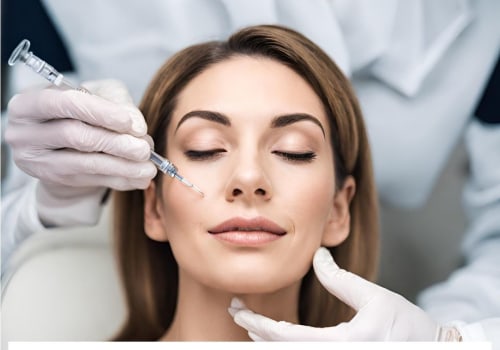
When injected into the dermis, they initiate a series of biological responses that promote tissue regeneration. This process involves activating various cell receptors that trigger healing mechanisms at a cellular level. Unlike traditional dermal fillers that provide immediate volume but may not address underlying skin quality issues, polynucleotides work gradually to improve the overall health and appearance of the skin over time. This makes them an ideal complement to fillers, as they can enhance and prolong the results achieved through volumising treatments.
The Role of Dermal Fillers in Aesthetic Treatments
Dermal fillers have become a cornerstone in the realm of aesthetic treatments, offering a non-surgical solution to enhance facial volume and contour.These injectable substances are designed to restore lost volume, smooth out wrinkles, and improve overall skin texture, making them a popular choice for individuals seeking a more youthful appearance.
What Are Dermal Fillers?
Dermal fillers are gel-like substances injected beneath the skin to provide volume and fullness. They can be made from various materials, including hyaluronic acid, calcium hydroxylapatite, poly-L-lactic acid, and polymethyl methacrylate. Each type of filler has unique properties and is suited for different applications within aesthetic treatments.
Types of Dermal Fillers
- Hyaluronic Acid Fillers: These are the most commonly used fillers, known for their ability to attract and retain moisture in the skin. They provide immediate results and can last from six months to two years, depending on the specific product used.
- Calcium Hydroxylapatite Fillers: This type is thicker than hyaluronic acid fillers and is often used for deeper lines and wrinkles.
It stimulates collagen production and can last up to a year or more.
- Poly-L-lactic Acid Fillers: Unlike other fillers that provide immediate volume, these stimulate the body’s own collagen production over time. Results develop gradually and can last up to two years.
- Polymethyl Methacrylate (PMMA) Fillers: These are semi-permanent fillers that consist of tiny beads suspended in a gel. They provide lasting results but require careful consideration due to their permanence.
Benefits of Dermal Fillers
The benefits of dermal fillers extend beyond mere aesthetics. Here are some key advantages:
- Immediate Results: One of the most appealing aspects of dermal fillers is the instant gratification they offer.
Patients can see visible improvements immediately after treatment.
- Minimally Invasive: The procedure is quick, often taking less than an hour, with minimal downtime required. Most patients can return to their daily activities shortly after treatment.
- Customisable Treatments: Dermal fillers can be tailored to meet individual needs, allowing practitioners to address specific areas of concern effectively.
- Long-Lasting Effects: Depending on the type of filler used, results can last from several months to a few years, making them a cost-effective option for many patients.
Can Polynucleotides and Dermal Fillers Be Used Together?
The integration of polynucleotides and dermal fillers in aesthetic treatments has garnered significant attention in recent years. Both modalities serve distinct yet complementary purposes, making their combination a compelling option for individuals seeking comprehensive facial rejuvenation.Understanding the Roles of Each Treatment
Dermal fillers are primarily designed to provide immediate volume and contour to specific areas of the face.
They are often used to enhance features such as lips, cheeks, and under-eye hollows, delivering instant results that can dramatically alter one’s appearance. In contrast, polynucleotides work at a cellular level to promote skin regeneration and improve overall skin quality over time. Derived from natural sources like wild salmon, these DNA fragments stimulate collagen production and enhance tissue repair, leading to healthier skin.
Benefits of Combining Treatments
- Immediate and Long-Term Results: By using dermal fillers for instant volume and polynucleotides for gradual skin improvement, patients can enjoy both immediate aesthetic enhancements and long-lasting skin health.
- Targeted Treatment: Certain areas may benefit more from one treatment over the other. For instance, while dermal fillers can effectively address volume loss, polynucleotides are particularly advantageous for delicate areas like the under-eye region where fillers might not be suitable.
- Enhanced Hydration: Polynucleotides have a unique ability to attract water molecules, providing an additional hydration boost that complements the volumising effects of dermal fillers.
- Minimised Risks: Using polynucleotides in conjunction with fillers can reduce the risk of complications associated with excessive filler use, such as overcorrection or unnatural appearances.
Consultation and Customisation
It is crucial for practitioners to assess each patient’s individual needs during consultations.
A tailored approach ensures that both treatments are applied effectively and safely. Some practitioners recommend staggering the treatments; for example, starting with dermal fillers to address immediate concerns before introducing polynucleotides to enhance skin quality over time.In conclusion, the combination of polynucleotides and dermal fillers offers a synergistic approach to aesthetic treatments. By leveraging the strengths of both modalities, patients can achieve a more youthful appearance that not only looks good immediately but also improves over time.
The Benefits of Combining Treatments
Combining polynucleotides with dermal fillers offers a multitude of benefits that enhance the overall effectiveness of aesthetic treatments. This synergistic approach not only addresses immediate cosmetic concerns but also promotes long-term skin health and vitality.One of the primary advantages of using both treatments together is the enhanced skin quality.While dermal fillers provide instant volume and contour, polynucleotides work at a cellular level to stimulate collagen production and improve skin elasticity. This dual action results in a more youthful appearance that is both immediate and sustainable.Moreover, polynucleotides are known for their ability to attract water molecules, which significantly improves hydration in the skin. When combined with fillers, this hydrating effect can lead to a plumper, more radiant complexion. Patients often report feeling that their skin looks healthier and more vibrant after undergoing treatments that incorporate both modalities.In terms of long-lasting results , the combination of these treatments can extend the duration of aesthetic improvements.
While fillers may gradually dissipate over time, the regenerative effects of polynucleotides continue to enhance skin quality long after the initial treatment. This means that patients can enjoy a prolonged youthful appearance without the need for frequent touch-ups.Patient satisfaction is another critical aspect to consider. Many individuals appreciate the comprehensive approach that combining polynucleotides and fillers offers. They often express higher levels of satisfaction due to the natural-looking results and improved skin texture.
Furthermore, this combination can be tailored to meet individual needs, ensuring that each patient receives a personalised treatment plan that aligns with their aesthetic goals.Safety is paramount in any aesthetic procedure, and combining these treatments has been shown to be safe when performed by qualified professionals. However, it is essential for practitioners to conduct thorough consultations to assess each patient's unique circumstances and ensure that their treatment plan is both effective and safe.In conclusion, the combination of polynucleotides and dermal fillers presents a powerful option for those seeking comprehensive facial rejuvenation. With benefits ranging from enhanced hydration and improved skin quality to longer-lasting results and high patient satisfaction, this synergistic approach is becoming increasingly popular in aesthetic medicine.
Patient Considerations: Individualised Treatment Plans
When considering the combination of polynucleotides and dermal fillers, it is crucial to adopt an approach that prioritises the individual needs of each patient. This tailored strategy not only enhances the effectiveness of the treatments but also ensures that patients have realistic expectations regarding their outcomes.Every patient presents a unique set of characteristics, including skin type, age, and specific aesthetic goals.Therefore, a thorough patient assessment is essential before embarking on any treatment plan. During this assessment, practitioners should evaluate:
- Skin Condition: Understanding the current state of the skin helps in determining whether polynucleotides, fillers, or a combination of both is appropriate.
- Aesthetic Goals: Discussing what the patient hopes to achieve allows for a more focused treatment plan that aligns with their expectations.
- Medical History: A comprehensive review of the patient's medical history can identify any contraindications or potential complications associated with the treatments.
Patients should be informed that while dermal fillers offer instant results, the benefits of polynucleotides may take several weeks to manifest fully. Educating patients about the timeline for visible improvements helps mitigate disappointment and fosters trust in the treatment process.In conclusion, an effective combination of polynucleotides and dermal fillers hinges on a personalised approach that considers each patient's unique needs and expectations. By conducting thorough assessments and setting clear goals, practitioners can ensure that patients achieve satisfying and natural-looking results.
Potential Risks and Side Effects of Combining Treatments
When considering the combination of polynucleotides and dermal fillers, it is crucial to be aware of the potential risks and side effects that may arise from such treatments. While both modalities can enhance skin quality and appearance, their simultaneous use requires careful consideration and professional guidance.One of the primary concerns when combining these treatments is the possibility of adverse reactions at the injection sites.Both polynucleotides and dermal fillers involve injections, which can lead to common side effects such as:
- Swelling: Temporary swelling is a typical response to any injection. However, when combining treatments, the swelling may be more pronounced.
- Bruising: The risk of bruising increases with multiple injections in close proximity.
- Pain or Discomfort: Patients may experience varying levels of discomfort during and after the procedures.
- Infection: As with any invasive procedure, there is a risk of infection if proper hygiene practices are not followed.
Although rare, some individuals may have sensitivities to components found in either treatment. It is essential for patients to disclose their medical history and any known allergies during consultations.Furthermore, the timing of treatments plays a vital role in minimising risks. A staggered approach, where one treatment is performed before the other, may help reduce complications. This allows for better assessment of how each treatment affects the skin individually before combining them.In conclusion, while combining polynucleotides and dermal fillers can yield impressive results, it is imperative to approach this combination with caution.
Consulting with a qualified practitioner who understands both treatments' nuances will ensure that safety concerns are addressed and that patients achieve their desired outcomes without unnecessary risks.
Real-Life Experiences: Patient Testimonials and Case Studies
Real-life experiences from patients who have undergone treatments combining polynucleotides and dermal fillers provide invaluable insights into the effectiveness and satisfaction levels associated with these procedures. Many individuals have reported transformative results, enhancing their overall appearance while addressing specific skin concerns.Patient Testimonials
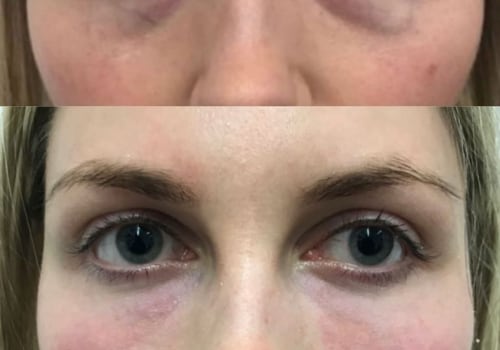
- Sarah, 34: "I had always been self-conscious about the hollowness under my eyes. After consulting with my aesthetic practitioner, we decided to use a dermal filler for immediate volume and then follow up with polynucleotides to improve skin quality. The results were incredible! I noticed a significant difference in the texture and elasticity of my skin within a few weeks, and my under-eye area looks so much more youthful now."
- James, 45: "I was hesitant about combining treatments, but my doctor assured me it was safe and effective.
I opted for fillers in my cheeks for instant lift and added polynucleotides to enhance skin regeneration. The combination worked wonders; I feel like I’ve turned back the clock! My friends have commented on how refreshed I look, and I couldn’t be happier with the results."
- Emily, 29: "After experiencing some skin damage from sun exposure, I sought treatment options. My practitioner recommended using polynucleotides alongside fillers to address both volume loss and skin quality. The gradual improvement in my skin’s texture has been remarkable, and I appreciate that it looks natural rather than overly done."
Case Studies
Several case studies highlight the successful integration of polynucleotides with dermal fillers:
- Case Study 1: A 50-year-old female patient presented with significant volume loss in her cheeks and fine lines around her mouth.
After an initial treatment with hyaluronic acid fillers to restore volume, she received polynucleotide injections to enhance skin quality. Follow-up assessments showed improved skin elasticity and reduced fine lines after three months.
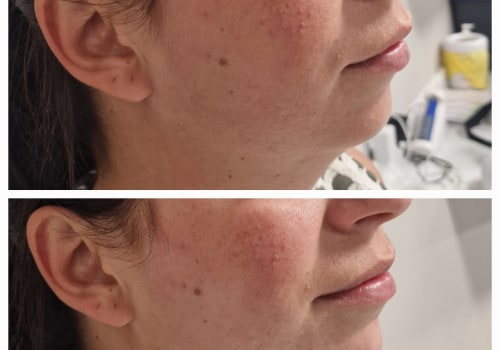
- Case Study 2: A male patient in his late 30s sought treatment for sagging skin along the jawline. He received dermal fillers for immediate contouring followed by polynucleotide therapy. Over a period of six months, he reported not only improved facial contours but also a noticeable enhancement in skin texture and firmness.
Conclusion: The Future of Aesthetic Treatments with Polynucleotides and Fillers
As we conclude our exploration of the synergy between polynucleotides and dermal fillers, it is evident that this combination represents a significant advancement in aesthetic treatments.The ability to harness the immediate volumising effects of dermal fillers alongside the long-term regenerative benefits of polynucleotides offers a comprehensive approach to skin rejuvenation.Throughout this article, we have highlighted several key advantages of integrating these two modalities:
- Immediate and Lasting Results: Dermal fillers provide instant volume and contour, while polynucleotides work gradually to enhance skin quality over time.
- Customised Treatment Plans: The importance of tailoring treatments to individual patient needs cannot be overstated. A thorough consultation allows practitioners to devise a strategy that aligns with the patient’s aesthetic goals.
- Versatility: Polynucleotides can be applied in various areas where traditional fillers may not be suitable, such as the delicate under-eye region, making them an invaluable tool in an aesthetic practitioner’s arsenal.
- Enhanced Skin Quality: The bioregenerative properties of polynucleotides contribute to improved skin elasticity and hydration, addressing underlying skin issues rather than merely masking them.
Patients are becoming more informed and discerning about their options, seeking treatments that not only provide immediate results but also promote long-term skin health.In summary, the integration of polynucleotides with dermal fillers marks a transformative shift in aesthetic medicine. By embracing this holistic approach, practitioners can offer patients a pathway to achieving a naturally youthful appearance that endures over time. As we move forward, it is crucial for both practitioners and patients to stay informed about these advancements, ensuring that they make educated choices in their aesthetic journeys.