In the ever-evolving field of dermatology, polynucleotides have emerged as a groundbreaking innovation, offering a fresh perspective on skin rejuvenation and repair. These naturally occurring molecules, composed of long chains of nucleotides, play a crucial role in cellular processes, including DNA synthesis and repair. Their unique properties make them particularly valuable in dermatological applications, where they can significantly enhance skin health and appearance.Polynucleotide treatment harnesses the power of these molecules to stimulate the skin's natural healing processes. By promoting cellular regeneration and enhancing collagen production, polynucleotides help to address a variety of skin concerns, from fine lines and wrinkles to more severe issues such as scarring and pigmentation irregularities.
This treatment not only targets the visible signs of aging but also works at a deeper level to improve overall skin texture and resilience.The benefits of polynucleotide treatments extend beyond mere aesthetics. As dermatologists increasingly recognise the importance of holistic approaches to skincare, polynucleotides offer a solution that aligns with this philosophy. They are biocompatible and biodegradable, ensuring that the body can safely absorb them without adverse reactions. This makes them an attractive option for patients seeking effective yet gentle treatments.As we delve deeper into the revolutionary benefits of polynucleotide treatment, it becomes clear that this innovative approach is not just a passing trend but a significant advancement in dermatology.
Understanding how polynucleotides work and their potential impact on skin health sets the stage for exploring their myriad advantages in greater detail.
The Science Behind Polynucleotide Treatments
Polynucleotide treatments represent a significant advancement in dermatological care, leveraging the natural properties of polynucleotides to rejuvenate and repair skin at a cellular level. To understand how these treatments work, it is essential to explore their mechanism of action and the biological processes they stimulate.At the core of polynucleotide therapy is the ability of these molecules to enhance cellular regeneration. Polynucleotides are composed of long chains of nucleotides, which are the building blocks of DNA and RNA. When injected into the skin, they act as a scaffold that promotes cellular activity and tissue repair.This process begins with the stimulation of fibroblasts, the cells responsible for producing collagen and elastin, two vital proteins that maintain skin structure and elasticity.Once introduced into the dermal layer, polynucleotides initiate a cascade of biological responses:
- Cell Proliferation: Polynucleotides encourage the proliferation of fibroblasts, leading to increased collagen synthesis. This results in improved skin texture and firmness.
- Anti-Inflammatory Effects: They possess anti-inflammatory properties that help reduce redness and swelling, creating a more even skin tone.
- Hydration: Polynucleotides attract water molecules, enhancing skin hydration and contributing to a plumper appearance.
- Wound Healing: By promoting angiogenesis—the formation of new blood vessels—polynucleotides facilitate faster healing of damaged skin, making them particularly effective for scar treatment.
By stimulating cellular activity and promoting tissue regeneration, these treatments offer a powerful solution for those seeking to enhance their skin’s appearance and health.
Key Benefits of Polynucleotide Treatments
Polynucleotide treatments have emerged as a groundbreaking solution in dermatology, offering a multitude of benefits that cater to various skin concerns. These treatments harness the power of polynucleotides, which are naturally occurring molecules that play a crucial role in cellular repair and regeneration. Below, we explore the key advantages of polynucleotide treatments and how they can transform your skin.- Reduction of Wrinkles: One of the most sought-after benefits of polynucleotide treatment is its ability to significantly reduce the appearance of wrinkles. By stimulating collagen production and enhancing skin elasticity, these treatments help to smooth out fine lines and deeper creases, resulting in a more youthful complexion.
- Scar Improvement: Whether caused by acne, surgery, or injury, scars can be a source of distress for many individuals.
Polynucleotide treatments promote healing at the cellular level, leading to improved skin texture and reduced visibility of scars over time. This regenerative effect is particularly beneficial for those looking to diminish the appearance of stubborn scars.
- Enhanced Skin Texture: Beyond addressing specific concerns like wrinkles and scars, polynucleotide treatments contribute to overall skin health. They help to refine skin texture by promoting cell turnover and hydration, resulting in a smoother and more radiant appearance. Patients often report a noticeable improvement in their skin's softness and suppleness following treatment.
- Anti-Aging Effects: The anti-aging properties of polynucleotides extend beyond mere wrinkle reduction.
These treatments also combat other signs of aging, such as pigmentation issues and loss of volume. By revitalising the skin from within, polynucleotides help restore a youthful glow and vitality.
- Minimal Downtime: Unlike more invasive procedures, polynucleotide treatments typically involve minimal downtime. Patients can often resume their daily activities shortly after treatment, making it an attractive option for those with busy lifestyles.
As dermatologists continue to explore the potential of polynucleotides, it is clear that this treatment represents a significant advancement in the quest for healthier, more youthful skin.
Comparing Polynucleotide Treatments to Other Skin Therapies
When considering skin rejuvenation therapies, it is essential to evaluate the various options available, particularly polynucleotide treatments in comparison to other popular dermatological interventions. Each treatment modality has its unique benefits and limitations, making it crucial for patients to understand how they stack up against one another.Polynucleotides vs. Hyaluronic Acid Fillers
- Mechanism of Action: Hyaluronic acid fillers work by adding volume and hydration to the skin, effectively plumping areas that have lost elasticity. In contrast, polynucleotides promote cellular regeneration and repair, enhancing the skin's overall health and appearance.
- Longevity of Results: While hyaluronic acid fillers typically last between six months to a year, polynucleotide treatments can offer longer-lasting improvements due to their regenerative properties, often resulting in sustained skin quality over time.
- Side Effects: Both treatments are generally safe; however, hyaluronic acid fillers may lead to temporary swelling or bruising at the injection site.
Polynucleotides tend to have fewer side effects, primarily because they work with the body’s natural healing processes.
Polynucleotides vs. PRP (Platelet-Rich Plasma)
- Source of Treatment: PRP is derived from the patient’s own blood, which can be a significant advantage for those concerned about foreign substances. Polynucleotides, while also biocompatible, are synthetically produced and designed specifically for skin rejuvenation.
- Treatment Frequency: PRP treatments often require multiple sessions for optimal results, whereas polynucleotide therapies may achieve desired outcomes in fewer appointments due to their potent regenerative effects.
- Recovery Time: Patients undergoing PRP may experience more downtime due to potential bruising or swelling. In contrast, polynucleotide treatments typically allow for a quicker return to daily activities.
Polynucleotides vs.
Chemical Peels
- Skin Type Suitability: Chemical peels can be harsh on sensitive skin types and may lead to irritation or prolonged redness. Polynucleotide treatments are generally well-tolerated across various skin types and conditions.
- Results: While chemical peels can improve skin texture and tone by removing dead skin cells, polynucleotides enhance the skin from within by stimulating collagen production and improving elasticity.
- Post-Treatment Care: Chemical peels often require strict post-treatment care to avoid complications. Polynucleotide treatments usually involve minimal aftercare, making them a more convenient option for busy individuals.
What to Expect During a Polynucleotide Treatment Session
Undergoing a polynucleotide treatment can be an exciting journey towards rejuvenated skin.Understanding what to expect during your session can help alleviate any apprehensions and ensure a smooth experience.
Preparation for the Treatment
- Before your appointment, it is essential to have a consultation with your dermatologist. This initial meeting allows for a thorough assessment of your skin type and concerns, ensuring that polynucleotide therapy is suitable for you.
- Your dermatologist may recommend avoiding certain medications or supplements, such as blood thinners or anti-inflammatory drugs, in the days leading up to the treatment to minimise bruising.
- On the day of the procedure, arrive with clean skin. Avoid makeup and skincare products to allow for a sterile environment.
The Treatment Process
The actual procedure typically lasts between 30 to 60 minutes, depending on the areas being treated. Here’s a step-by-step breakdown:
- Consultation and Marking: Your dermatologist will discuss your goals and mark the areas where the polynucleotides will be injected.
- Anesthesia: To ensure comfort, a topical anaesthetic may be applied to the treatment area.
This helps numb the skin and reduce any discomfort during the injections.
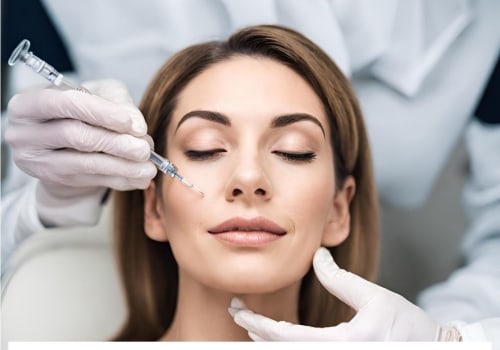
- Injection: Using a fine needle, the polynucleotide solution is injected into the targeted areas. The dermatologist will carefully administer the product in layers to achieve optimal results.
- Post-Treatment Care: After the injections, you may experience mild swelling or redness at the injection sites. This is normal and should subside within a few hours. Your dermatologist will provide specific aftercare instructions, which may include avoiding strenuous exercise and sun exposure for a short period.
Post-Treatment Expectations
Following your session, it’s crucial to adhere to your dermatologist's aftercare advice.
You might notice immediate improvements in skin texture and hydration, but full results typically develop over several weeks as collagen production increases. Regular follow-up appointments can help monitor progress and determine if additional treatments are necessary.In summary, understanding each step of the polynucleotide treatment process can enhance your overall experience and set realistic expectations for your skin rejuvenation journey.
Potential Side Effects and Considerations
While polynucleotide treatments offer numerous benefits for skin rejuvenation, it is essential to consider potential side effects and safety measures to ensure a positive experience. Understanding these aspects can help patients make informed decisions about their skincare options.Common Side Effects
- Injection Site Reactions: As with any injectable treatment, patients may experience temporary swelling, redness, or bruising at the injection site. These reactions typically resolve within a few days.
- Itching or Discomfort: Some individuals may feel mild itching or discomfort following the procedure.
This sensation usually subsides quickly and can be managed with over-the-counter antihistamines if necessary.
- Allergic Reactions: Although rare, allergic reactions to polynucleotides can occur. Symptoms may include hives, difficulty breathing, or swelling of the face and throat. Patients should seek immediate medical attention if they experience these symptoms.
Safety Considerations
Before undergoing polynucleotide treatment, it is crucial to consult with a qualified dermatologist who can assess individual health conditions and skin types. Here are some key safety considerations:
- Medical History: Inform your dermatologist about any pre-existing medical conditions, allergies, or medications you are currently taking.
This information is vital for determining your suitability for the treatment.
- Pregnancy and Breastfeeding: Women who are pregnant or breastfeeding should avoid polynucleotide treatments due to the lack of comprehensive studies on their safety during these periods.
- Skin Conditions: Individuals with active skin infections, inflammatory skin conditions, or those prone to keloid scarring should discuss their options thoroughly with their dermatologist before proceeding.
Contraindications
Certain factors may contraindicate the use of polynucleotide treatments. These include:
- Autoimmune Disorders: Patients with autoimmune diseases may have an altered response to injectable treatments and should consult their healthcare provider for tailored advice.
- Recent Surgical Procedures: If you have undergone recent surgery in the treatment area, it is advisable to wait until full recovery before considering polynucleotide injections.
Real Patient Experiences: Testimonials and Results
To truly understand the impact of polynucleotide treatments, it is essential to hear from those who have experienced the benefits firsthand. Patient testimonials provide invaluable insights into the effectiveness of these innovative therapies, showcasing real-life transformations and the emotional journeys that accompany them.Case Study 1: Sarah's Journey to Radiant Skin
Sarah, a 34-year-old marketing executive, struggled with fine lines and uneven skin tone for years.
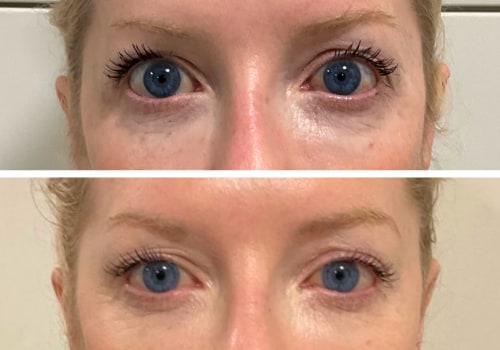
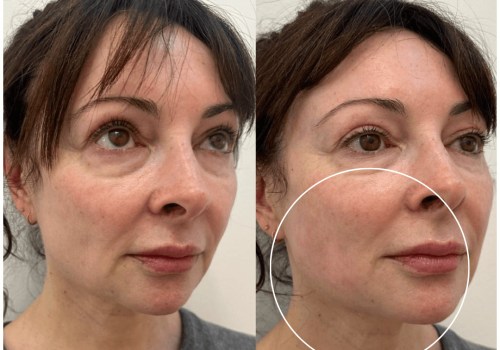
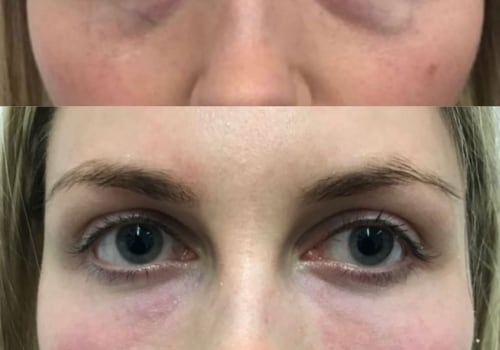
After researching various treatment options, she decided to try polynucleotide therapy. "I was sceptical at first, but after just a few sessions, I noticed a significant improvement in my skin's texture and brightness," she shared. Sarah's before and after photos reveal a remarkable reduction in wrinkles and an overall rejuvenated appearance.
Case Study 2: Mark's Battle with Scarring
Mark, a 28-year-old who had suffered from acne scars since his teenage years, found hope in polynucleotide treatment. "I had tried everything from creams to laser treatments, but nothing worked until I discovered this therapy," he explained.
After completing his treatment plan, Mark's skin showed a dramatic improvement; the scars were less noticeable, and he felt more confident in his appearance. His testimonial highlights not only the physical changes but also the psychological boost that comes with improved skin health.
Case Study 3: Emily's Experience with Stretch Marks
Emily, a 30-year-old mother of two, was self-conscious about her stretch marks post-pregnancy. "I felt like I would never feel comfortable in my own skin again," she admitted. After undergoing polynucleotide injections, Emily was thrilled with the results.
"The stretch marks have faded significantly, and I feel like I have my body back!" Her story exemplifies how polynucleotide treatments can restore confidence and enhance self-esteem.These testimonials not only highlight the effectiveness of polynucleotide treatments but also illustrate the diverse range of skin concerns that can be addressed. Each patient's journey is unique, yet they all share a common thread: a renewed sense of confidence and satisfaction with their appearance.As more individuals share their success stories, it becomes increasingly clear that polynucleotide therapy is not just a trend; it is a revolutionary approach to skincare that delivers tangible results.
Frequently Asked Questions About Polynucleotide Treatments
Polynucleotide treatments have garnered significant attention in the field of dermatology, leading to numerous inquiries from patients and practitioners alike. Below, we address some of the most frequently asked questions regarding this innovative treatment.What are polynucleotides?
Polynucleotides are naturally occurring molecules that play a crucial role in cellular functions. In dermatological applications, they are used in injectable forms to promote skin regeneration and healing.These substances help stimulate collagen production, enhance skin elasticity, and improve overall skin texture.
How do polynucleotide treatments work?
The treatment involves the injection of polynucleotides into the skin, where they act as a scaffold for tissue repair. Once injected, they stimulate fibroblast activity, which is essential for collagen synthesis. This process not only aids in reducing the appearance of fine lines and wrinkles but also helps in healing scars and improving skin tone.What conditions can be treated with polynucleotide therapy?
- Wrinkles: Polynucleotides can significantly reduce the visibility of fine lines and wrinkles.
- Scarring: They are effective in treating various types of scars, including acne scars.
- Skin laxity: The treatment improves skin firmness and elasticity.
- Hyperpigmentation: Polynucleotides can help even out skin tone by reducing brown spots.
- Stretch marks: They can also be beneficial in minimising the appearance of stretch marks.
Are there any side effects associated with polynucleotide treatments?
As with any injectable treatment, there may be some side effects. Commonly reported effects include mild swelling, redness, or bruising at the injection site.These symptoms typically resolve within a few days. It is essential to consult with a qualified dermatologist to discuss potential risks and ensure that the treatment is appropriate for your skin type.
How long does it take to see results?
Patients often notice improvements within a few weeks following treatment, with optimal results typically visible after several sessions. The longevity of results can vary based on individual skin conditions and lifestyle factors, but many patients enjoy lasting benefits for several months.Is polynucleotide treatment suitable for everyone?
This treatment is generally safe for most individuals; however, those with specific medical conditions or allergies should consult their dermatologist before proceeding. A thorough assessment will help determine if polynucleotide therapy is the right choice for you.If you have further questions or concerns about polynucleotide treatments, it is advisable to schedule a consultation with a qualified dermatologist who can provide personalised advice based on your unique skin needs.Conclusion: The Future of Skin Care with Polynucleotides
As we draw our exploration of polynucleotide treatments to a close, it is essential to reflect on the profound implications these innovative therapies hold for the future of dermatology.The advancements in skin care technology have paved the way for treatments that not only address aesthetic concerns but also enhance the overall health and vitality of the skin.The versatility of polynucleotides is one of their most significant advantages. They are not merely a solution for superficial issues such as wrinkles and scars; they also promote deeper skin rejuvenation by stimulating cellular repair and regeneration. This dual action positions polynucleotides as a cornerstone in modern dermatological practices.Moreover, the safety profile of polynucleotide treatments is commendable. With minimal side effects and a low risk of adverse reactions, these therapies offer a compelling alternative to more invasive procedures.
Patients can enjoy noticeable improvements without the lengthy recovery times often associated with traditional cosmetic interventions.Looking ahead, it is clear that the integration of polynucleotides into routine dermatological care will continue to expand. As research progresses, we can anticipate even more refined applications and combinations with other treatments, enhancing their efficacy and broadening their scope. For instance, combining polynucleotides with growth factors or hyaluronic acid could yield synergistic effects, further amplifying skin rejuvenation outcomes.In conclusion, the transformative potential of polynucleotide treatments cannot be overstated. They represent a significant leap forward in our approach to skin care, offering patients not just temporary fixes but long-lasting improvements in skin quality and health.
As dermatologists embrace these advancements, we are not only enhancing our patients' appearances but also empowering them to feel more confident in their skin.As we move into this new era of dermatology, it is crucial for both practitioners and patients to stay informed about the latest developments in polynucleotide therapies. By doing so, we can ensure that we are making the most of these revolutionary treatments and paving the way for healthier, more radiant skin for all.