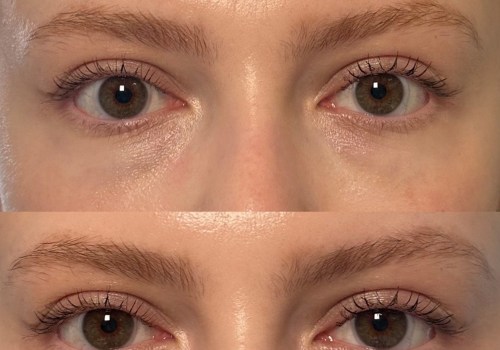
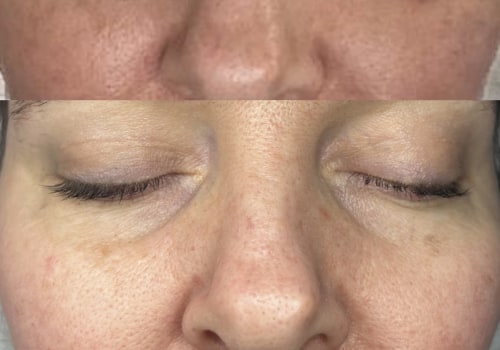
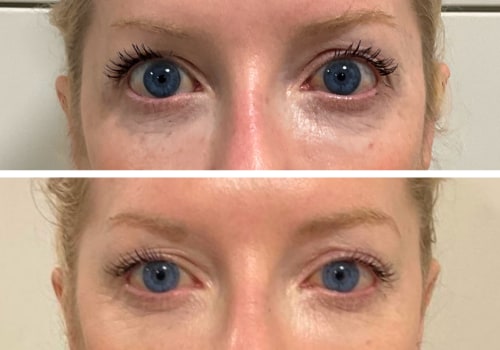
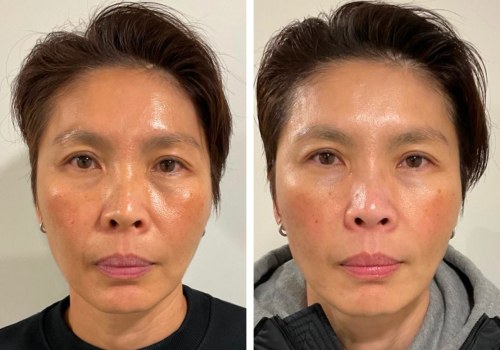
In the ever-evolving landscape of skin care, the emergence of polynucleotides and hyaluronic acid has sparked significant interest among both professionals and consumers alike. These two powerful ingredients are not just buzzwords; they represent a new frontier in skin rejuvenation, offering a multitude of benefits that cater to various skin concerns. As we delve deeper into their properties, it becomes clear why they are becoming staples in advanced skin treatments.Polynucleotides, derived from natural sources such as fish DNA, are known for their remarkable ability to promote cellular regeneration and repair. They work by stimulating fibroblast activity, which is crucial for collagen production and overall skin health.
This regenerative capacity makes polynucleotides particularly effective in addressing issues like fine lines, wrinkles, and loss of elasticity. When combined with the hydrating properties of hyaluronic acid, the results can be transformative.Hyaluronic acid, on the other hand, is celebrated for its unparalleled moisture-retaining abilities. Capable of holding up to 1000 times its weight in water, it provides deep hydration that plumps the skin and reduces the appearance of dryness and fine lines. The synergy between polynucleotides and hyaluronic acid not only enhances hydration but also supports the skin's structural integrity, making it an ideal combination for those seeking a youthful glow.The growing popularity of these ingredients in skin care formulations is a testament to their efficacy.
As more individuals seek out innovative solutions for maintaining healthy, vibrant skin, understanding the roles of polynucleotides and hyaluronic acid becomes essential. Their combined power offers a holistic approach to skin rejuvenation that addresses both immediate hydration needs and long-term structural support.
Understanding Polynucleotides: What Are They?
Polynucleotides are essential biomolecules that play a critical role in the structure and function of living organisms. To understand their significance, it is important to first define what polynucleotides are. In simple terms, polynucleotides are long chains of nucleotides, which are the basic building blocks of nucleic acids such as DNA and RNA.Each nucleotide consists of three components: a nitrogenous base, a sugar molecule, and a phosphate group. The sequence and arrangement of these nucleotides determine the genetic information carried by the polynucleotide.In the context of skin health, polynucleotides have garnered attention for their remarkable benefits. They are known to promote cellular regeneration and repair, making them invaluable in skincare formulations. When applied topically or injected into the skin, polynucleotides can stimulate fibroblast activity, which is crucial for collagen and elastin production.
This stimulation leads to improved skin elasticity, firmness, and overall texture.Moreover, polynucleotides possess anti-inflammatory properties that can help soothe irritated skin and reduce redness. This makes them particularly beneficial for individuals with sensitive or acne-prone skin. By enhancing the skin's natural healing processes, polynucleotides contribute to a more youthful appearance and can significantly diminish the visible signs of aging.Another noteworthy aspect of polynucleotides is their ability to retain moisture within the skin. This hydrating effect is vital for maintaining skin suppleness and preventing dryness, which can exacerbate the appearance of fine lines and wrinkles.
As a result, incorporating polynucleotides into skincare routines can lead to a more radiant complexion.In summary, polynucleotides are not only fundamental components of genetic material but also powerful allies in skincare. Their ability to enhance cellular function, promote hydration, and support skin repair makes them an essential ingredient in modern skincare treatments.
The Role of Hyaluronic Acid in Skin Care
Hyaluronic acid (HA) is a naturally occurring substance in the human body, primarily found in connective tissues, skin, and cartilage. Its remarkable ability to retain moisture makes it a cornerstone ingredient in modern skin care formulations. With the capacity to hold up to 1000 times its weight in water, hyaluronic acid plays a crucial role in maintaining skin hydration and overall health.One of the most significant benefits of hyaluronic acid is its hydration properties.As we age, our skin's natural levels of hyaluronic acid diminish, leading to dryness, loss of elasticity, and the formation of fine lines and wrinkles. By incorporating HA into your skin care routine, you can effectively replenish moisture levels, resulting in plumper, more youthful-looking skin.Moreover, hyaluronic acid is known for its ability to enhance skin elasticity. This is particularly important for mature skin, which often struggles with sagging and loss of firmness. By promoting hydration and supporting the skin's natural barrier function, HA helps to improve elasticity, making the skin appear firmer and more resilient.In addition to its hydrating and elasticising properties, hyaluronic acid also possesses soothing qualities that can benefit sensitive or irritated skin.
It helps to calm inflammation and redness, making it an excellent choice for those with conditions such as rosacea or eczema.When used in conjunction with polynucleotides, the effects of hyaluronic acid are amplified. While polynucleotides stimulate collagen production and tissue repair, hyaluronic acid ensures that the skin remains adequately hydrated throughout this rejuvenation process. This synergy not only enhances the overall effectiveness of treatments but also promotes a healthier complexion.In summary, hyaluronic acid is an essential ingredient in skin care due to its unparalleled hydration properties and ability to improve skin elasticity. Its incorporation into products like those containing polynucleotides offers a comprehensive approach to achieving radiant, youthful skin.
The Synergistic Effects of Combining Polynucleotides and Hyaluronic Acid
The combination of polynucleotides and hyaluronic acid in skin care represents a significant advancement in the field of dermatology, particularly in the realm of skin rejuvenation.Each ingredient brings its own unique properties to the table, but when used together, they create a powerful synergy that enhances their individual benefits.
Understanding the Mechanisms
Polynucleotides are naturally occurring molecules that play a crucial role in cellular repair and regeneration. They are derived from DNA fragments and are known for their ability to stimulate fibroblast activity, which is essential for collagen and elastin production. This stimulation not only aids in tissue repair but also promotes overall skin vitality.On the other hand, hyaluronic acid is renowned for its exceptional hydrating properties. It can hold up to 1000 times its weight in water, making it an excellent moisturiser.
By attracting and retaining moisture in the skin, hyaluronic acid helps to plump the skin, reducing the appearance of fine lines and wrinkles.
The Power of Synergy
When polynucleotides and hyaluronic acid are combined, their effects are amplified. The hydrating properties of hyaluronic acid complement the regenerative capabilities of polynucleotides, leading to enhanced skin texture and elasticity. This combination not only addresses signs of ageing but also improves skin tone and firmness.
- Enhanced Hydration: The presence of hyaluronic acid ensures that the skin remains well-hydrated, which is vital for maintaining a youthful appearance.
- Increased Collagen Production: Polynucleotides stimulate fibroblasts to produce more collagen, which works synergistically with the hydration provided by hyaluronic acid to improve skin structure.
- Improved Skin Elasticity: The dual action of these ingredients helps restore elasticity, making the skin appear firmer and more resilient.
- Reduction of Fine Lines: The combination effectively diminishes fine lines and wrinkles by promoting cellular turnover and hydration.
Clinical Evidence Supporting the Use of Polynucleotides in Skin Treatments
Recent clinical studies have begun to shed light on the remarkable efficacy of polynucleotides in skin treatments, providing a solid foundation for their growing popularity in the skincare industry.These studies highlight not only the biological mechanisms through which polynucleotides operate but also their tangible benefits for various skin concerns.One pivotal study published in the Journal of Cosmetic Dermatology examined the effects of polynucleotide injections on skin elasticity and hydration. The results indicated a significant improvement in skin elasticity, with participants reporting a 39.6% increase after just three treatment sessions. This enhancement is attributed to the stimulation of fibroblast activity, which is crucial for collagen and elastin production.Another noteworthy clinical trial focused on the use of polynucleotides in treating acne scars. In this study, patients received a series of polynucleotide treatments over several weeks.
The findings revealed a marked reduction in scar appearance, with participants experiencing a 51.1% increase in skin brightness and a 17.1% decrease in wrinkles and roughness. Such results underscore the regenerative properties of polynucleotides, which promote tissue repair and rejuvenation.Furthermore, research has demonstrated that polynucleotides can enhance the skin's overall texture and tone. A double-blind study involving 100 participants assessed the impact of polynucleotide-based products on various signs of aging. The outcomes showed that 85% of participants noted visible improvements in skin texture, while 78% reported enhanced hydration levels.The synergistic effect of combining polynucleotides with hyaluronic acid has also been explored in clinical settings.
A study highlighted that this combination not only maximises hydration but also significantly reduces the degradation of hyaluronic acid itself, leading to prolonged benefits for the skin.In summary, the clinical evidence supporting the use of polynucleotides in skincare is compelling. With studies consistently demonstrating improvements in skin elasticity, hydration, and overall appearance, it is clear that polynucleotide treatments represent a promising advancement in dermatological care.
How to Incorporate Polynucleotides and Hyaluronic Acid into Your Skincare Routine
Incorporating products that contain polynucleotides and hyaluronic acid into your skincare routine can significantly enhance your skin's health and appearance. Here are some practical tips to help you maximise the benefits of these powerful ingredients.1.Start with a Clean Slate
Before applying any skincare products, it’s essential to cleanse your face thoroughly. Use a gentle cleanser suitable for your skin type to remove impurities and prepare your skin for better absorption of subsequent products.
2.Layering Products
When using polynucleotide and hyaluronic acid products, layering is key.
After cleansing, apply a product containing polynucleotides first. This could be a serum or treatment specifically designed to deliver these beneficial ingredients deep into the skin. Follow this with a hyaluronic acid serum or moisturiser to lock in hydration.
3.Application Techniques
- Pat, Don’t Rub: When applying serums or treatments, use your fingertips to gently pat the product into your skin. This technique helps with absorption and stimulates blood circulation.
- Use on Damp Skin: For optimal results, apply hyaluronic acid on slightly damp skin.
This helps the product attract moisture more effectively, enhancing its hydrating properties.
4.Frequency of Use
For best results, incorporate these products into your daily routine. Depending on your skin's needs, you may choose to use polynucleotide treatments two to three times a week, while hyaluronic acid can be used daily.
5.Follow Up with Moisturiser
After applying both polynucleotides and hyaluronic acid, seal in the benefits with a good moisturiser. This step is crucial as it helps to create a barrier that prevents moisture loss and enhances the overall effectiveness of the active ingredients.
6.Sun Protection
If you are using these products during the day, always follow up with a broad-spectrum sunscreen. Protecting your skin from UV damage is vital for maintaining its health and preventing premature ageing.
7.Monitor Your Skin’s Response
As with any new skincare regimen, it’s important to monitor how your skin reacts to polynucleotides and hyaluronic acid.
If you experience any irritation or adverse effects, consider adjusting the frequency of use or consulting with a skincare professional.By following these guidelines, you can effectively incorporate polynucleotides and hyaluronic acid into your skincare routine, paving the way for healthier, more radiant skin.
Potential Side Effects and Considerations
While the combination of polynucleotides and hyaluronic acid in skincare products offers numerous benefits, it is essential to consider potential side effects and safety precautions before incorporating these treatments into your routine.Understanding Side Effects
Although generally well-tolerated, some individuals may experience mild side effects when using products containing polynucleotides or hyaluronic acid. Common reactions can include:
- Redness: Temporary redness at the injection site is not uncommon and usually subsides within a few hours.
- Swelling: Mild swelling may occur, particularly after injections, but this typically resolves quickly.
- Itching or Irritation: Some users may experience localized itching or irritation, which can often be alleviated with soothing creams.
- Allergic Reactions: Although rare, allergic reactions can occur. Symptoms may include hives, difficulty breathing, or swelling of the face and throat. If any of these symptoms arise, seek medical attention immediately.
Safety of Hyaluronic Acid
Hyaluronic acid is widely regarded as safe for topical use and injections.
It is a naturally occurring substance in the body, which contributes to its compatibility with human skin. However, individuals with specific allergies or sensitivities should consult a healthcare professional before use. Additionally, those with skin conditions such as eczema or psoriasis should exercise caution and seek advice from a dermatologist.
Precautions When Using Polynucleotides
When considering treatments that involve polynucleotides, it is crucial to follow certain precautions:
- Consultation: Always consult with a qualified skincare professional or dermatologist to determine if polynucleotide treatments are suitable for your skin type and concerns.
- Patch Testing: Conducting a patch test on a small area of skin can help identify any adverse reactions before full application.
- Avoiding Sun Exposure: After treatment, it is advisable to avoid direct sun exposure for at least 48 hours to minimise the risk of irritation.
- Post-Treatment Care: Follow any aftercare instructions provided by your practitioner to ensure optimal results and reduce the likelihood of side effects.
Frequently Asked Questions About Polynucleotides and Hyaluronic Acid
As the popularity of polynucleotides and hyaluronic acid in skincare continues to rise, many individuals have questions about their benefits, uses, and overall effectiveness.Below are some frequently asked questions that can help clarify these topics.
What are polynucleotides?
Polynucleotides are naturally occurring molecules composed of long chains of nucleotides, which are the building blocks of DNA and RNA. In skincare, they are primarily derived from biological sources, such as fish or yeast, and are known for their regenerative properties. They play a crucial role in promoting skin healing, enhancing collagen production, and improving overall skin texture.How do polynucleotides benefit the skin?
- Stimulate collagen production: Polynucleotides encourage fibroblast activity, leading to increased collagen synthesis, which is essential for maintaining skin elasticity and firmness.
- Enhance skin repair: They aid in the healing process of damaged skin by promoting tissue regeneration and reducing inflammation.
- Improve hydration: By supporting the skin's natural moisture retention capabilities, polynucleotides help maintain a plump and youthful appearance.
What is hyaluronic acid?
Hyaluronic acid is a powerful humectant that can hold up to 1000 times its weight in water. It is naturally found in the body, particularly in connective tissues, skin, and cartilage.In skincare products, it is used for its exceptional ability to hydrate and plump the skin.
How does hyaluronic acid work?
- Moisture retention: Hyaluronic acid draws moisture from the environment into the skin, providing deep hydration and reducing dryness.
- Smooths fine lines: By plumping the skin with moisture, it helps diminish the appearance of fine lines and wrinkles.
- Supports elasticity: Regular use can improve skin elasticity, making it appear firmer and more youthful.
Can I use polynucleotides and hyaluronic acid together?
Yes! Combining polynucleotides with hyaluronic acid can enhance their individual benefits. While polynucleotides promote cellular regeneration and collagen production, hyaluronic acid provides intense hydration. Together, they create a synergistic effect that can significantly improve skin health and appearance.Are there any side effects associated with these ingredients?
Both polynucleotides and hyaluronic acid are generally well-tolerated by most skin types. However, as with any skincare product, it is advisable to perform a patch test before full application to ensure no adverse reactions occur.If you have sensitive skin or specific allergies, consult with a dermatologist prior to use.
Conclusion: The Future of Skin Care with Polynucleotides and Hyaluronic Acid
As we look towards the future of skin care, the integration of polynucleotides and hyaluronic acid stands out as a transformative approach. The synergy between these two powerful ingredients not only addresses the visible signs of aging but also promotes overall skin health at a cellular level. The advancements in formulations, such as those offered by Mastelli, highlight the potential for these compounds to revolutionise our skincare routines.The unique properties of polynucleotides, derived from natural sources like fish DNA, provide essential building blocks for skin regeneration. They stimulate fibroblast activity, leading to increased collagen and elastin production, which are crucial for maintaining skin elasticity and firmness.This regenerative capability is particularly beneficial for individuals experiencing skin damage due to environmental factors or aging.Meanwhile, hyaluronic acid continues to be a cornerstone in hydration science. Its ability to retain moisture—up to 1000 times its weight—ensures that the skin remains plump and youthful. When combined with polynucleotides, the hydrating effects are amplified, creating a dual-action treatment that not only hydrates but also repairs and rejuvenates.Looking ahead, we can expect further innovations in this field. Research is ongoing into optimising the delivery systems for these ingredients, ensuring that they penetrate deeper into the skin layers for maximum efficacy.
Additionally, as consumer awareness grows regarding the benefits of natural and biocompatible ingredients, products featuring polynucleotides and hyaluronic acid are likely to gain popularity.In conclusion, the future of skincare is bright with the promise of polynucleotides and hyaluronic acid. Their combined effects offer a comprehensive solution for those seeking to enhance their skin's appearance and health. As we embrace these advancements, it is clear that modern skincare is moving towards more effective, science-backed solutions that prioritise both beauty and wellness.