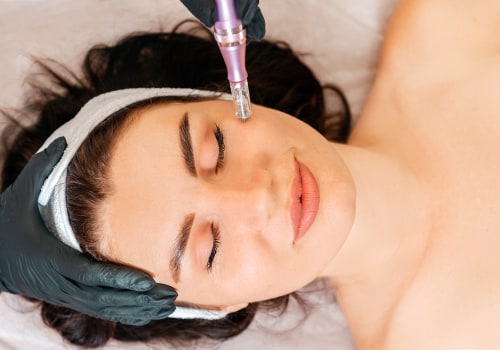
Polynucleotides are essential biomolecules composed of long chains of nucleotides, which are the building blocks of DNA and RNA. These molecules play a crucial role in various biological processes, including the storage and transmission of genetic information, cellular function, and the regulation of gene expression. In recent years, the application of polynucleotides in medical treatments has garnered significant attention, particularly in the field of aesthetic medicine. Their unique properties make them a promising option for enhancing skin health and rejuvenation.The use of polynucleotides in therapeutic contexts is primarily based on their ability to stimulate cellular activity and promote tissue regeneration. in medical treatments has garnered significant attention, particularly in the field of aesthetic medicine. Their unique properties make them a promising option for enhancing skin health and rejuvenation.The use of polynucleotides in therapeutic contexts is primarily based on their ability to stimulate cellular activity and promote tissue regeneration.
When administered through injections, these treatments can enhance collagen production, improve skin elasticity, and increase hydration levels. This regenerative capacity is particularly beneficial for individuals seeking to address signs of aging or skin damage caused by environmental factors. As a result, polynucleotide treatments have emerged as a popular choice for those looking to achieve a more youthful appearance without resorting to invasive surgical procedures.Moreover, the benefits of polynucleotides extend beyond mere aesthetic improvements. Research indicates that they possess anti-inflammatory properties and can aid in wound healing, making them valuable in various medical applications.
By harnessing the natural healing mechanisms of the body, polynucleotide treatments offer a holistic approach to skincare that aligns with the growing trend towards minimally invasive therapies.As we delve deeper into the safety and effectiveness of polynucleotide treatments, it is essential to understand their biological significance and how they interact with our body's systems. This foundational knowledge will provide valuable insights into why these treatments are not only safe but also effective in achieving desired aesthetic outcomes.
The Mechanism of Action of Polynucleotide Treatments
Polynucleotide treatments operate through a sophisticated mechanism that targets cellular processes to promote regeneration and healing. At the core of their function is the ability to stimulate fibroblast activity, which is essential for the production of key structural proteins such as collagen, elastin, and hyaluronic acid. These proteins play a vital role in maintaining skin elasticity, hydration, and overall health.When polynucleotides are introduced into the skin via injection, they interact with the cellular environment in several ways:- Cellular Signalling: Polynucleotides act as signalling molecules that communicate with skin cells.
They bind to specific receptors on the cell surface, triggering a cascade of biological responses that enhance cellular activity.
- Stimulation of Fibroblasts: The primary target of polynucleotide treatments is fibroblasts, the cells responsible for synthesising collagen and elastin. By stimulating these cells, polynucleotides encourage increased production of these essential proteins, leading to improved skin structure and resilience.
- Anti-Inflammatory Effects: Polynucleotides possess anti-inflammatory properties that help reduce swelling and irritation at the injection site. This not only aids in recovery but also creates a more conducive environment for healing.
- Enhanced Moisture Retention: By promoting the synthesis of hyaluronic acid, polynucleotides improve the skin's ability to retain moisture. This results in better hydration levels, contributing to a plumper and more youthful appearance.
Typically, patients may begin to notice improvements in skin texture and elasticity within a few weeks following treatment, with optimal results often seen after several months as collagen production ramps up.Moreover, polynucleotide treatments can be combined with other aesthetic procedures such as laser therapy or microneedling to further enhance their effectiveness. This synergistic approach allows for comprehensive skin rejuvenation by addressing multiple layers of skin damage simultaneously.In summary, understanding how polynucleotide treatments work at a cellular level is crucial for evaluating their effectiveness. By harnessing the body's natural healing processes and promoting cellular regeneration, these treatments offer a promising avenue for those seeking to improve their skin's appearance and health.
Safety Profile of Polynucleotide Treatments
When considering polynucleotide treatments, understanding the safety profile is paramount. These treatments, while generally regarded as safe, do carry potential risks and side effects that patients should be aware of before proceeding.One of the primary concerns associated with polynucleotide treatments is the possibility of adverse reactions at the injection site.Commonly reported side effects include:
- Bruising: This is a frequent occurrence following any injectable treatment, including polynucleotides. While typically minor, it can be unsightly and may last for several days.
- Swelling: Post-treatment swelling is another common reaction. This usually subsides within a few hours to a couple of days.
- Pain or Discomfort: Some patients may experience mild pain or discomfort during and after the procedure, which can usually be managed with over-the-counter pain relief.
- Allergic Reactions: Although rare, some individuals may have an allergic reaction to the components of the polynucleotide solution. Symptoms can range from mild irritation to more severe reactions.
A thorough consultation prior to treatment can help identify any individual contraindications, such as:
- Pregnancy or Breastfeeding: Women who are pregnant or breastfeeding should avoid these treatments due to insufficient research on their safety in these populations.
- Autoimmune Disorders: Patients with autoimmune conditions may be at a higher risk for complications and should discuss their medical history in detail with their practitioner.
- Skin Infections: Any active skin infections or lesions in the treatment area can increase the risk of complications and should be addressed before proceeding.
Effectiveness of Polynucleotide Treatments in Aesthetic Medicine
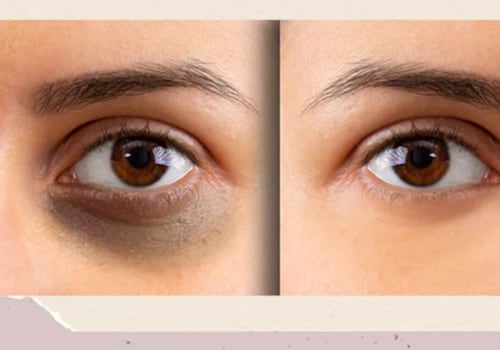
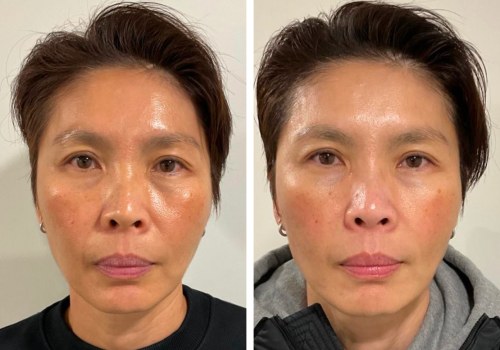
Polynucleotide treatments have emerged as a significant advancement in the field of aesthetic medicine, offering a range of benefits that cater to various skin concerns. These treatments are primarily known for their ability to enhance skin rejuvenation, improve elasticity, and promote overall skin health. The effectiveness of polynucleotides can be attributed to their unique properties, which stimulate cellular activity and encourage the production of essential components such as collagen and elastin.Clinical studies have begun to shed light on the efficacy of polynucleotide treatments.For instance, a recent study involving 50 participants demonstrated that those who received polynucleotide injections reported a marked improvement in skin texture and hydration levels after just a few sessions. The results indicated not only an increase in skin moisture retention but also a visible reduction in fine lines and wrinkles, showcasing the treatment's potential as a non-invasive anti-aging solution.Moreover, patient testimonials further support the effectiveness of these treatments. Many individuals have shared their positive experiences, highlighting how polynucleotide therapies have transformed their skin appearance. One patient noted, "After undergoing polynucleotide treatment, my skin feels plumper and more youthful.
I’ve noticed a significant reduction in the appearance of crow's feet around my eyes, which has boosted my confidence immensely." Such feedback underscores the treatment's ability to deliver natural-looking results that align with patients' aesthetic goals.In addition to addressing signs of aging, polynucleotides are also being explored for their role in treating specific conditions such as melasma and acne scars. A pilot study focusing on melasma patients revealed that those treated with a combination of microneedling and polynucleotides experienced greater improvements in pigmentation and skin elasticity compared to those who received microneedling alone. This suggests that polynucleotides may enhance the effectiveness of other aesthetic procedures.As research continues to evolve, it is becoming increasingly clear that polynucleotide treatments hold promise for various aesthetic applications. Their ability to promote skin regeneration at a cellular level makes them an attractive option for individuals seeking effective and safe solutions for enhancing their appearance.
Comparative Analysis: Polynucleotides vs.
Other TreatmentsWhen considering aesthetic treatments, it is essential to evaluate the various options available, particularly polynucleotides and dermal fillers, as both serve distinct purposes and offer unique benefits. Understanding the differences between these treatments can help individuals make informed decisions tailored to their specific needs.
Polynucleotides vs. Dermal Fillers
Dermal fillers are primarily used to add volume and smooth out wrinkles by injecting substances like hyaluronic acid into targeted areas of the face. They provide immediate results, making them a popular choice for those seeking quick enhancements.However, the effects of dermal fillers are temporary, typically lasting from six months to a year, depending on the product used and individual metabolism.In contrast, polynucleotide treatments work at a cellular level by stimulating skin regeneration and promoting collagen production. This process leads to gradual improvements in skin texture and elasticity over time. While the initial results may not be as immediate as those from dermal fillers, many patients report longer-lasting effects, with benefits that can continue to develop for several months post-treatment.
Advantages of Polynucleotides
- Natural Results: The regenerative nature of polynucleotides often results in a more natural appearance compared to the sometimes artificial look that can occur with dermal fillers.
- Longer-Lasting Effects: As mentioned, polynucleotide treatments can provide sustained improvements in skin quality, making them a worthwhile investment for long-term skin health.
- Minimal Downtime: Patients typically experience less downtime with polynucleotide treatments compared to dermal fillers, which may require recovery time due to swelling or bruising.
- Safety Profile: With a lower risk of adverse reactions compared to some dermal fillers, polynucleotides are considered safe for most individuals when administered by qualified professionals. With a lower risk of adverse reactions compared to some dermal fillers, polynucleotides are considered safe for most individuals when administered by qualified professionals.
Ultimately, the choice between these treatments should be guided by personal goals and professional advice from a qualified practitioner.In summary, while both polynucleotides and dermal fillers have their respective advantages and disadvantages, understanding their differences allows patients to select the treatment that aligns best with their aesthetic objectives and skin health considerations.
Patient Experiences and Testimonials
Patient experiences with polynucleotide treatments provide invaluable insights into the effectiveness and safety of these innovative procedures. Many individuals seeking aesthetic improvements have shared their journeys, highlighting both the physical and emotional transformations they have undergone.One patient, Sarah, a 45-year-old marketing executive, decided to try polynucleotide treatments after noticing fine lines and a loss of elasticity in her skin. "I was initially hesitant, but after my consultation, I felt reassured by the professional's expertise. The treatment itself was quick and relatively painless," she recalls.Following her sessions, Sarah noticed a significant improvement in her skin texture and hydration. "My friends started commenting on how radiant I looked! It’s been a confidence booster for me," she adds.Another success story comes from James, a 38-year-old who struggled with acne scars. "I had tried various treatments over the years with little success. When I heard about polynucleotides, I was intrigued by their regenerative properties.
After a few sessions, I could see my scars fading and my skin becoming smoother," he shares. James emphasizes the importance of having realistic expectations: "While it didn’t happen overnight, the gradual improvement was worth it. I feel more comfortable in my skin now than I have in years."Testimonials like these illustrate the potential of polynucleotide treatments to deliver natural-looking results while enhancing overall skin health. Many patients report minimal side effects, such as slight swelling or bruising, which typically resolve quickly.
This aspect is particularly appealing to those who lead busy lives and cannot afford extended downtime.Moreover, patients often express appreciation for the holistic approach that polynucleotide treatments offer. For instance, Emma, a 50-year-old teacher, noted that not only did her skin appear rejuvenated, but she also felt an increase in moisture retention and elasticity. "It’s like my skin has been given a new lease on life!" she enthuses.In conclusion, real-life testimonials from patients underscore the effectiveness of polynucleotide treatments in addressing various aesthetic concerns. These personal stories not only enhance credibility but also provide prospective patients with realistic expectations about their own treatment journeys.
Consultation and Choosing a Qualified Practitioner
When considering polynucleotide treatments, selecting a qualified practitioner is paramount to ensure both safety and effectiveness.The consultation process serves as a critical first step in this journey, allowing you to assess the practitioner's expertise and determine if they are the right fit for your needs.
Choosing the Right Practitioner
- Qualifications and Experience: Look for practitioners who are licensed and have specific training in aesthetic medicine. Their experience with polynucleotide treatments should be evident through their credentials and patient testimonials.
- Specialisation: It is beneficial to choose a practitioner who specialises in regenerative medicine or aesthetic treatments involving polynucleotides. This ensures they are up-to-date with the latest techniques and safety protocols.
- Facility Standards: Ensure that the clinic adheres to high standards of hygiene and safety. A reputable practitioner will operate in a clean, well-equipped environment.
The Consultation Process
The initial consultation is your opportunity to discuss your goals, concerns, and any medical history that may affect your treatment.
Here are some key aspects to consider during this meeting:
- Discuss Your Goals: Clearly articulate what you hope to achieve with polynucleotide treatments. This helps the practitioner tailor their approach to meet your expectations.
- Ask About Techniques: Inquire about the specific techniques they use for administering polynucleotides. Understanding their methodology can provide insight into their level of expertise.
- Potential Risks: A qualified practitioner should openly discuss potential risks and side effects associated with the treatment. This transparency is crucial for informed consent.
- Aftercare Instructions: Ask about post-treatment care and what you can do to enhance results.
A good practitioner will provide comprehensive aftercare guidelines.
Questions to Ask During Consultation
To ensure you are making an informed decision, consider asking the following questions during your consultation:
- What is your experience with polynucleotide treatments?
- Can you provide before-and-after photos of previous patients?
- What are the expected outcomes, and how long will they last?
- How do you handle complications or adverse reactions?
- What follow-up care do you recommend?
Future Directions in Polynucleotide Research and Applications
The landscape of polynucleotide treatments is rapidly evolving, with ongoing research paving the way for innovative applications across various medical fields. As scientists delve deeper into the molecular mechanisms of polynucleotides, their potential benefits are becoming increasingly apparent, suggesting a promising future for these treatments.One of the most exciting areas of research involves the use of polynucleotides in regenerative medicine.Studies are exploring their ability to enhance tissue repair and regeneration, particularly in orthopaedics and wound healing. For instance, preliminary findings indicate that polynucleotides can significantly accelerate the healing process in soft tissue injuries by promoting cell proliferation and migration. This could revolutionise treatment protocols for sports injuries and post-surgical recovery.Moreover, the application of polynucleotides in dermatology is expanding beyond aesthetic enhancements. Researchers are investigating their role in treating chronic skin conditions such as psoriasis and eczema.
The anti-inflammatory properties of polynucleotides may help to modulate immune responses, providing relief for patients suffering from these debilitating conditions.In addition to dermatological applications, there is growing interest in the potential of polynucleotides in oncology. Current studies are examining how these molecules can be utilised to improve the efficacy of cancer therapies. By enhancing the delivery of chemotherapeutic agents directly to tumour cells, polynucleotides could minimise side effects and increase treatment success rates.Furthermore, advancements in biotechnology are enabling researchers to develop novel formulations that enhance the stability and bioavailability of polynucleotides. This could lead to more effective delivery systems, making treatments safer and more accessible for patients.As we look to the future, it is essential for healthcare professionals and patients alike to stay informed about these developments.
The potential applications of polynucleotide treatments are vast, and ongoing research will undoubtedly uncover new benefits that could transform patient care across multiple disciplines.
Conclusion: The Promise of Polynucleotide Treatments
In conclusion, the exploration of polynucleotide treatments reveals a promising avenue in the realm of aesthetic medicine. Throughout this discussion, we have highlighted the significant safety profile and effectiveness of these treatments, which are increasingly being recognised for their ability to rejuvenate the skin and combat the signs of ageing.One of the most compelling aspects of polynucleotide treatments is their ability to stimulate cellular regeneration. By enhancing the natural processes within the skin, these treatments promote the production of essential components such as collagen, elastin, and hyaluronic acid. This not only improves skin elasticity but also contributes to a more youthful appearance.Moreover, the safety measures surrounding polynucleotide treatments cannot be overstated.It is crucial for individuals considering this option to seek out qualified professionals who are experienced in administering these procedures. The quality of the products used plays a vital role in ensuring patient safety and minimising potential risks. While common side effects such as bruising and swelling may occur, they are generally mild and manageable.As we age, incorporating polynucleotide treatments into our skincare regimen may offer long-term benefits without significant risks. The body’s natural ability to absorb and break down these substances further reduces concerns about lasting complications.
Additionally, emerging research supports their efficacy in treating various aesthetic conditions, making them a versatile option for many patients.Ultimately, informed decision-making is paramount when considering any aesthetic treatment. Individuals should engage in thorough consultations with healthcare professionals to discuss their specific needs and expectations. By doing so, they can ensure that polynucleotide treatments align with their aesthetic goals while prioritising safety and effectiveness.In summary, polynucleotide treatments stand out as a safe and effective choice for those seeking to enhance their skin's appearance. With proper guidance and understanding, patients can confidently explore this innovative treatment option as part of their journey towards achieving radiant and youthful skin.