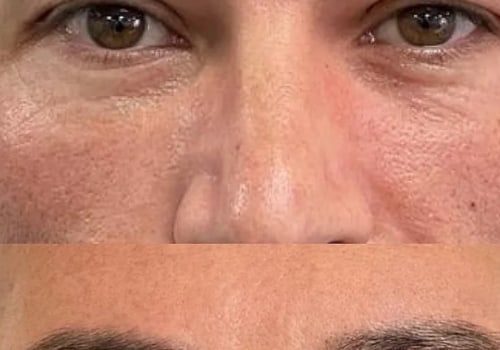
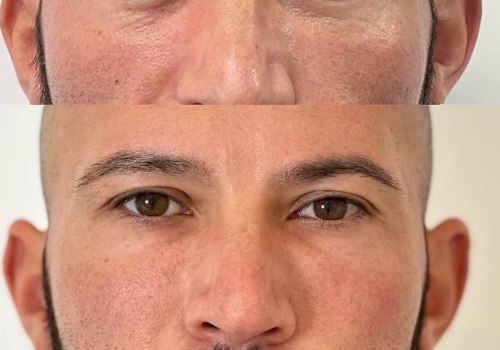
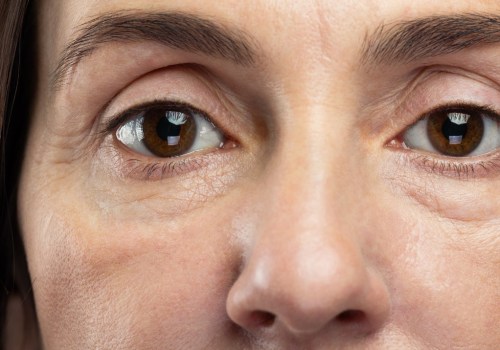
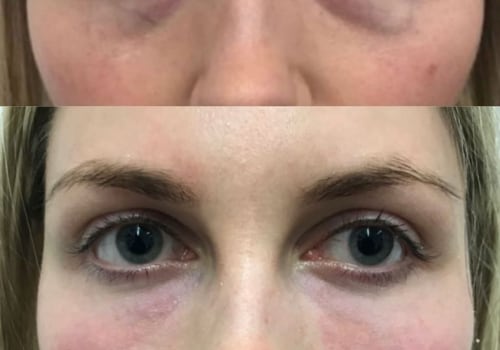
In recent years, the quest for youthful and radiant skin has led to a surge in the popularity of various skin rejuvenation treatments. Among these, polynucleotides and dermal fillers have emerged as two prominent options, each offering unique benefits and addressing different skin concerns. As individuals become increasingly aware of the importance of skin health, the demand for effective solutions to combat signs of aging, particularly in delicate areas like the under-eye region, has never been higher.Polynucleotides are gaining traction due to their ability to stimulate the body’s natural healing processes. Composed of DNA fragments, these treatments work at a cellular level to enhance collagen production and improve overall skin quality.
This regenerative approach not only addresses fine lines and wrinkles but also promotes a more youthful appearance by improving skin texture and elasticity. On the other hand, dermal fillers, particularly those based on hyaluronic acid, provide immediate volume and correction for hollows and dark circles under the eyes. They are often favoured for their quick results, making them an attractive option for those seeking instant rejuvenation.As we delve deeper into the comparison between polynucleotides and fillers, it is essential to consider various factors such as treatment duration, safety profiles, and individual skin types. While fillers can offer rapid improvements, they may not be suitable for everyone, especially those prone to puffiness or fluid retention.
Conversely, polynucleotide treatments may require multiple sessions to achieve optimal results but can lead to more natural-looking enhancements over time.This article aims to explore the nuances of these two treatment modalities in detail, helping readers make informed decisions about their skin rejuvenation journey. By understanding the mechanisms behind polynucleotides and fillers, individuals can better assess which option aligns with their aesthetic goals and skin health needs.
Understanding Polynucleotides
Polynucleotides are naturally occurring biopolymers composed of nucleotide sequences, which are the building blocks of DNA and RNA. These molecules play a crucial role in cellular functions and are increasingly being recognised for their potential in aesthetic treatments, particularly in skin rejuvenation. By harnessing the regenerative properties of polynucleotides, practitioners can offer patients a more holistic approach to improving skin quality.Benefits of Polynucleotides
- Enhanced Skin Regeneration: Polynucleotides stimulate the body’s natural healing processes, promoting collagen and elastin production.
This leads to improved skin elasticity and firmness.
- Reduction of Fine Lines and Wrinkles: By encouraging cellular turnover and regeneration, polynucleotides help diminish the appearance of fine lines and wrinkles, resulting in a smoother complexion.
- Improved Skin Texture: Treatments with polynucleotides can enhance overall skin texture, addressing issues such as pigmentation irregularities and redness.
- Minimal Side Effects: Compared to traditional fillers, polynucleotide treatments typically have a lower risk of adverse reactions, making them a safer option for many individuals.
How Polynucleotides Work
The mechanism by which polynucleotides function is rooted in their ability to interact with skin cells. When injected into the dermal layer, they act as signalling molecules that trigger the body’s natural repair mechanisms. This process involves:
- Cellular Activation: Polynucleotides activate fibroblasts, the cells responsible for producing collagen and elastin, leading to enhanced skin structure.
- Increased Hydration: They also promote moisture retention within the skin, contributing to a plumper and more youthful appearance.
- Cumulative Results: Unlike traditional fillers that provide immediate volume, the effects of polynucleotide treatments develop gradually over time, resulting in natural-looking improvements that continue to enhance as collagen production increases.
Exploring Fillers: Types and Applications
Fillers have become a cornerstone in the realm of aesthetic treatments, offering a versatile solution for various skin concerns.Among the different types of fillers available, hyaluronic acid-based fillers are the most popular due to their natural compatibility with the body and their ability to provide immediate results.
Types of Fillers
- Hyaluronic Acid Fillers: These are gel-like substances that mimic the natural hyaluronic acid found in the skin. They are primarily used to add volume, hydrate the skin, and smooth out wrinkles. Common brands include Juvederm and Restylane.
- Calcium Hydroxylapatite Fillers: This type of filler is made from a substance found in human bones. It is thicker than hyaluronic acid fillers and is often used for deeper lines and wrinkles, as well as for enhancing volume in areas like the cheeks.
- Poly-L-lactic Acid Fillers: These fillers stimulate collagen production over time rather than providing immediate volume.
They are typically used for facial contouring and treating deeper wrinkles.
- Fat Grafting: This involves taking fat from another part of the body and injecting it into areas that require volume. While it can provide long-lasting results, it is a more invasive procedure compared to other fillers.
How Fillers Work
Fillers work by being injected into specific areas of the skin to restore lost volume, smooth out wrinkles, and enhance facial contours. The injection process is relatively quick, often taking less than an hour, and results can be seen immediately. The effects of hyaluronic acid fillers typically last between six months to a year, depending on factors such as the type of filler used and individual metabolism.
Benefits of Fillers
- Immediate Results: One of the most appealing aspects of fillers is that they provide instant improvement in appearance, making them ideal for those seeking quick fixes.
- Minimal Downtime: Most patients can return to their daily activities shortly after treatment, with only minor swelling or bruising as potential side effects.
- Customisable Treatments: Fillers can be tailored to meet individual needs, allowing practitioners to address specific concerns such as fine lines, volume loss, or contouring issues.
- Reversible Options: In cases where patients are unhappy with their results, hyaluronic acid fillers can be dissolved using an enzyme called hyaluronidase.
With various types available and numerous benefits, they remain a popular choice in non-surgical aesthetic treatments.
Comparative Analysis: Polynucleotides vs Fillers
When considering aesthetic treatments for the under-eye area, the choice between polynucleotides and fillers is crucial. Both options offer unique benefits, but they differ significantly in their mechanisms, results, and suitability for various skin types.Mechanism of Action
- Polynucleotides: These treatments work by stimulating the body’s natural healing processes. Composed of DNA fragments, polynucleotides promote collagen and elastin production, leading to improved skin quality over time. This regenerative approach enhances the skin's texture and resilience, making it a suitable option for those looking to rejuvenate their appearance naturally.
- Fillers: In contrast, dermal fillers, particularly those based on hyaluronic acid, provide immediate volume and correction.
They are injected directly into the skin to fill hollows and smooth out wrinkles, offering instant results that can be appealing for those seeking quick fixes.
Results and Longevity
- Polynucleotides: The results from polynucleotide treatments are gradual and cumulative. Patients may notice subtle improvements in skin quality over several weeks or months as collagen production increases. This makes polynucleotides an excellent choice for individuals who prefer a more natural enhancement that evolves over time.
- Fillers: Fillers provide immediate results that can last anywhere from six months to two years, depending on the product used and individual factors. However, these results can sometimes appear less natural if overused or improperly administered.
Safety Profiles
- Polynucleotides: Generally regarded as safe, polynucleotide treatments have a low risk of adverse reactions when performed by qualified professionals.
Their natural composition reduces the likelihood of complications compared to synthetic fillers.
- Fillers: While fillers are also safe when administered correctly, they carry risks such as migration, swelling, or even allergic reactions. These complications can lead to prolonged discomfort or dissatisfaction with the results.
Suitability for Different Skin Types
- Polynucleotides: Ideal for individuals with concerns about skin texture, laxity, or those who prefer a holistic approach to skin rejuvenation. They are particularly beneficial for those prone to puffiness or fluid retention under the eyes.
- Fillers: Best suited for individuals seeking immediate volume restoration or correction of deep lines and hollows. However, they may not be appropriate for everyone, especially those with sensitive skin or a history of adverse reactions.
For those prioritising long-term skin health and natural results, polynucleotides may be the superior option. Conversely, if immediate results are desired, fillers could be more appropriate.
Safety Profiles: Risks and Considerations
When considering aesthetic treatments, understanding the safety profiles of both polynucleotides and dermal fillers is crucial. Each treatment comes with its own set of potential risks and side effects that patients should be aware of before making a decision.Safety of Polynucleotides
Polynucleotide injections are generally regarded as safe, particularly when administered by qualified professionals. The primary component of these treatments, nucleotides, are naturally occurring in the body, which contributes to their favourable safety profile.However, like any medical procedure, there are some risks involved:
- Injection Site Reactions: Patients may experience mild swelling, redness, or bruising at the injection site. These effects are typically temporary and resolve within a few days.
- Allergic Reactions: Although rare, some individuals may have an allergic reaction to the components used in polynucleotide treatments. It is essential to discuss any known allergies with your practitioner beforehand.
- Infection: As with any injection, there is a slight risk of infection. Ensuring that the procedure is performed in a sterile environment can mitigate this risk.
Risks Associated with Fillers
Dermal fillers, particularly those based on hyaluronic acid, are widely used for their immediate volumising effects.However, they also carry certain risks that patients should consider:
- Migrating Fillers: One of the significant concerns with fillers is their potential to migrate from the injection site. This can lead to uneven results and may require corrective procedures.
- Swelling and Bruising: Similar to polynucleotides, fillers can cause swelling and bruising at the injection site. However, these effects may be more pronounced due to the volume added.
- Long-term Complications: In some cases, fillers can lead to long-term complications such as granulomas (small lumps) or even necrosis (tissue death) if injected improperly.
Patient Experiences: Testimonials and Case Studies
Patient experiences play a crucial role in understanding the effectiveness and satisfaction levels associated with polynucleotides and fillers.Here, we delve into real-life testimonials and case studies that highlight the diverse outcomes of these treatments.
Case Study 1: Sarah's Journey with Polynucleotides
Sarah, a 34-year-old marketing executive, sought treatment for fine lines and skin laxity around her eyes. After researching various options, she opted for polynucleotide therapy. "I was drawn to the idea of rejuvenating my skin from within rather than just adding volume," she shared. Following a series of three treatments, Sarah noticed significant improvements in her skin texture and elasticity.
"The results were subtle but natural; my friends commented on how refreshed I looked without knowing I had any work done," she added.
Case Study 2: Mark's Experience with Fillers
Mark, a 45-year-old businessman, decided to try dermal fillers to address deep tear troughs that made him appear tired. "I wanted immediate results for my under-eye area, and fillers seemed like the best option," he explained. After his treatment, Mark was pleased with the instant volume correction. However, he later experienced some swelling that lasted longer than expected.
"While I loved the immediate effect, I wish I had been more informed about potential side effects," he admitted.
Testimonial: Emily's Combination Approach
Emily, a 29-year-old beauty influencer, chose to combine both treatments for optimal results. "I had fillers for volume and then followed up with polynucleotides to enhance skin quality over time," she said. This dual approach allowed her to enjoy the best of both worlds—immediate volume and long-term skin rejuvenation. "I feel like my skin is healthier and more vibrant now," she concluded.These testimonials illustrate that while both polynucleotides and fillers have their unique benefits, patient satisfaction often hinges on individual goals and expectations.
Understanding these experiences can guide prospective patients in making informed decisions about their aesthetic treatments.
Combining Treatments: A Holistic Approach to Skin Care
In the realm of aesthetic treatments, the combination of polynucleotides and dermal fillers is gaining traction as a holistic approach to skin rejuvenation. This synergy not only enhances the overall results but also addresses a wider range of skin concerns, making it an appealing option for those seeking comprehensive improvements.Polynucleotides work by stimulating the body’s natural healing processes, promoting collagen and elastin production, which leads to improved skin texture and elasticity over time. On the other hand, dermal fillers provide immediate volume and contouring effects, effectively addressing issues such as hollowness under the eyes or deep wrinkles. When these two treatments are combined, patients can enjoy both instant gratification and long-term benefits.Benefits of Combining Treatments
- Enhanced Results: The immediate volumising effect of fillers can complement the gradual improvements from polynucleotide treatments, resulting in a more youthful and revitalised appearance.
- Customised Treatment Plans: A holistic approach allows practitioners to tailor treatment plans based on individual skin types and concerns, ensuring that each patient receives a personalised experience.
- Minimised Downtime: By strategically combining these treatments, patients may experience less downtime compared to undergoing each treatment separately.
- Long-Lasting Effects: While fillers may require touch-ups over time, the regenerative effects of polynucleotides can lead to sustained improvements in skin quality, potentially reducing the frequency of filler treatments needed.
For instance, polynucleotides can enhance skin hydration and resilience, which may reduce the risk of complications such as swelling or migration of filler material. This holistic approach not only prioritises aesthetic outcomes but also focuses on improving the overall health of the skin.In conclusion, integrating polynucleotides with dermal fillers presents a promising avenue for those looking to achieve a balanced and natural look. By harnessing the strengths of both treatments, patients can enjoy a more comprehensive rejuvenation experience that addresses both immediate concerns and long-term skin health.
Frequently Asked Questions (FAQs)
As interest in aesthetic treatments continues to grow, many potential patients have questions regarding polynucleotides and fillers. Below are some of the most frequently asked questions that can help clarify these treatments.What are polynucleotides?
Polynucleotides are biocompatible molecules derived from DNA fragments that play a crucial role in skin regeneration.They stimulate the body’s natural healing processes, promoting collagen and elastin production, which can enhance skin quality and texture over time.
How do polynucleotides differ from fillers?
While both treatments involve injections, their purposes and effects differ significantly.Fillers
, typically made from hyaluronic acid, provide immediate volume and contouring to areas such as the cheeks or under the eyes. In contrast, polynucleotides focus on rejuvenating the skin from within, leading to gradual improvements in skin elasticity and overall appearance.Are polynucleotide treatments safe?
Yes, when administered by a qualified professional, polynucleotide treatments generally have a favourable safety profile. The risk of adverse reactions is minimal compared to traditional fillers, making them a safer option for many individuals.How long do the results of polynucleotide treatments last?
The results from polynucleotide treatments typically develop over several months and can last for up to a year or more, depending on individual skin conditions and treatment frequency.Unlike fillers, which may require touch-ups every few months, the benefits of polynucleotides can be more enduring.
Can I combine polynucleotides with fillers?
Absolutely! Many practitioners recommend combining both treatments for optimal results. Fillers can provide immediate volume correction while polynucleotides work to improve skin quality over time. This combination approach can yield a more youthful and natural appearance.What should I expect during a treatment session?
A typical session for either treatment involves a consultation where your practitioner will assess your needs and discuss your goals. The actual injection process is relatively quick, often taking less than an hour.Some patients may experience mild discomfort or swelling post-treatment, but these effects usually subside quickly.
Are there any side effects associated with polynucleotide treatments?
While side effects are rare, some individuals may experience temporary redness, swelling, or bruising at the injection site. These symptoms typically resolve within a few days. It’s essential to follow aftercare instructions provided by your practitioner to minimise any potential side effects.If you have further questions or concerns about polynucleotides or fillers, it’s advisable to consult with a qualified aesthetic practitioner who can provide tailored advice based on your unique needs.Conclusion: Making an Informed Choice
In the quest for youthful and rejuvenated skin, the choice between polynucleotides and dermal fillers is a significant one. Each treatment offers unique benefits and caters to different aesthetic needs, making it essential for individuals to assess their specific concerns before making a decision.Summary of Benefits
- Polynucleotides: These treatments focus on enhancing the skin's natural healing processes.
By stimulating collagen and elastin production, polynucleotides improve skin quality over time, addressing issues such as fine lines, pigmentation, and overall skin laxity. The results are gradual and subtle, leading to a more natural appearance.
- Fillers: In contrast, dermal fillers provide immediate volume and correction. They are particularly effective for addressing hollows under the eyes and restoring lost facial volume. However, the results can sometimes appear less natural if overused or improperly administered.
If you seek a long-term improvement in skin quality and are willing to wait for gradual results, polynucleotides may be the ideal choice. On the other hand, if you desire instant results for a special occasion or event, fillers might be more suitable.
Final Thoughts on Skin Treatments
The decision between polynucleotides and fillers should not be taken lightly. Consulting with a qualified healthcare professional can provide valuable insights tailored to your skin type and aesthetic goals. They can help you navigate the potential risks and benefits associated with each treatment option.Ultimately, both polynucleotides and fillers have their place in modern aesthetic medicine.
By understanding their differences and aligning them with your individual needs, you can make an informed choice that enhances your natural beauty while ensuring safety and satisfaction in your skin rejuvenation journey.