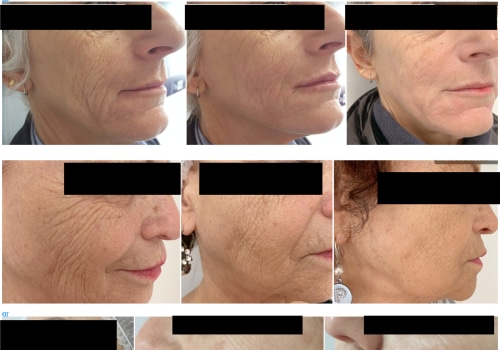
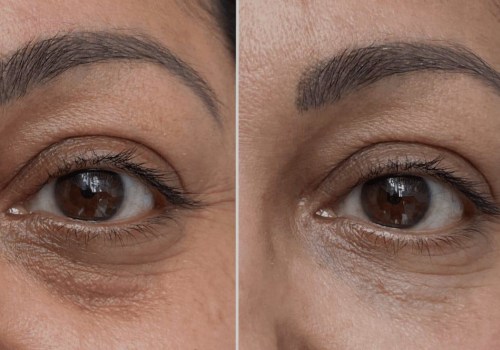
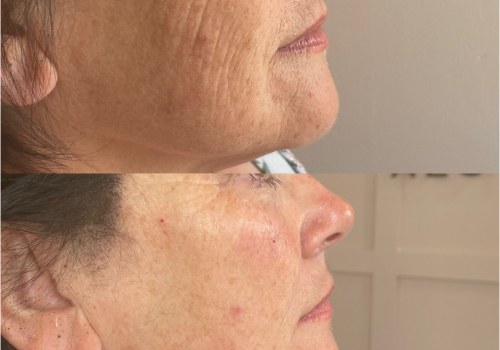
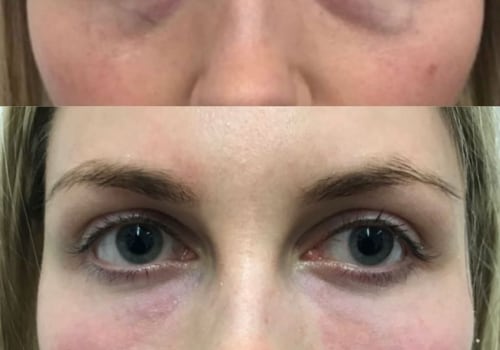
Polynucleotides, often abbreviated as PNs, are naturally occurring biopolymers composed of nucleotide sequences. These essential molecules play a crucial role in various biological processes, including the storage and transfer of genetic information. In recent years, polynucleotides have gained significant attention in the field of medicine, particularly for their applications in skin rejuvenation treatments. Their unique properties make them a valuable asset in promoting healing and regeneration within the skin.The significance of polynucleotides in medical treatments stems from their ability to stimulate cellular activity and enhance tissue repair.
When introduced into the skin through injections, polynucleotides can promote collagen synthesis, improve hydration, and increase blood flow to the treated areas. This regenerative effect not only helps to restore skin elasticity but also contributes to a more youthful appearance by reducing the visibility of fine lines and wrinkles.One of the most compelling aspects of polynucleotide treatments is their safety profile. Derived from natural sources, these injectables are generally well-tolerated by patients, with minimal risk of adverse reactions. As a result, they have become a popular choice for individuals seeking non-surgical options for skin rejuvenation.
The benefits of polynucleotides extend beyond mere aesthetics; they also support the skin's natural healing processes, making them an ideal solution for those looking to enhance their overall skin health.In this article, we will delve deeper into the world of polynucleotide treatments, exploring their mechanisms of action, potential benefits, and what you need to know before considering this innovative approach to skincare. Understanding the fundamentals of polynucleotides will empower you to make informed decisions about your skin health and rejuvenation options.
How Polynucleotide Treatments Work
Polynucleotide treatments, often referred to as PDRN (Polydeoxyribonucleotide), harness the power of natural substances found within the body to stimulate skin rejuvenation and healing. Understanding the mechanism of action behind these treatments is essential for appreciating their effectiveness in promoting skin health.At the core of polynucleotide treatments is their ability to enhance cellular regeneration. When injected into the skin, polynucleotides act as a biological signal that encourages the body’s own healing processes.This is primarily achieved through the following mechanisms:
- Cell Proliferation: Polynucleotides stimulate fibroblast activity, which is crucial for collagen synthesis. Collagen is a vital protein that provides structure and elasticity to the skin. By promoting fibroblast proliferation, polynucleotides help to restore skin firmness and reduce signs of aging.
- Angiogenesis: The treatment promotes the formation of new blood vessels (angiogenesis) in the treated area. Increased blood flow enhances nutrient delivery and oxygenation, which are essential for healthy skin regeneration.
- Anti-Inflammatory Effects: Polynucleotides possess anti-inflammatory properties that help to reduce swelling and redness post-treatment.
This not only aids in quicker recovery but also contributes to an overall improvement in skin texture.
- Wound Healing: The regenerative properties of polynucleotides mimic those found in natural wound healing processes. They facilitate tissue repair by accelerating cell migration and proliferation, leading to faster recovery from skin damage.
By understanding how these treatments function at a biological level, individuals can make informed decisions about their skincare options and appreciate the potential benefits of incorporating polynucleotides into their beauty regimen.
Benefits of Polynucleotide Treatments
Polynucleotide treatments, often referred to as PN injections, have gained significant attention in the realm of aesthetic medicine due to their numerous benefits for skin rejuvenation. These treatments harness the power of polynucleotides, which are naturally occurring substances in the body that play a crucial role in cellular repair and regeneration. Here are some of the key advantages associated with polynucleotide treatments:- Enhanced Skin Texture: One of the most notable benefits of polynucleotide treatments is their ability to improve skin texture. By stimulating collagen production and promoting cellular turnover, these injections can help smooth out rough patches and reduce the appearance of fine lines and wrinkles.
- Increased Hydration: Polynucleotides have a unique capacity to retain moisture within the skin.
This hydrating effect not only plumps up the skin but also gives it a more youthful and radiant appearance. Patients often report a noticeable improvement in skin hydration levels shortly after treatment.
- Improved Elasticity: As we age, our skin loses its natural elasticity, leading to sagging and a less firm appearance. Polynucleotide treatments can help restore this elasticity by promoting the synthesis of elastin fibers, resulting in firmer and more resilient skin.
- Natural-Looking Results: Unlike some cosmetic procedures that can lead to an artificial or overdone appearance, polynucleotide treatments provide subtle and natural-looking results. This makes them an appealing option for individuals seeking a more refreshed look without drastic changes.
- Minimal Downtime: Another significant advantage is the minimal downtime associated with these treatments.
Most patients can return to their daily activities shortly after receiving injections, making it a convenient option for those with busy lifestyles.
- Long-Lasting Effects: While individual results may vary, many patients experience long-lasting improvements in skin quality following a series of polynucleotide treatments. Regular sessions can help maintain these benefits over time, contributing to ongoing skin health.
Who Can Benefit from Polynucleotide Treatments?
Polynucleotide treatments have gained traction in the realm of aesthetic medicine, particularly for those seeking skin rejuvenation. However, not everyone is an ideal candidate for these procedures.Understanding who can benefit from polynucleotide injections is crucial for ensuring optimal results and safety.
Age Considerations
While there is no strict age limit for receiving polynucleotide treatments, individuals typically aged 30 and above are often considered the most suitable candidates. This is primarily because skin tends to lose its elasticity and vitality with age, making rejuvenation treatments more appealing. However, younger individuals with specific skin concerns, such as acne scars or early signs of ageing, may also find these treatments beneficial.
Skin Type and Concerns
Polynucleotide treatments are particularly effective for individuals with:
- Delicate Skin: Those with sensitive or thin skin, especially around the eyes, can benefit significantly from polynucleotide injections. The regenerative properties of polynucleotides help improve skin quality without the risk of excessive swelling or bruising that can accompany traditional dermal fillers.
- Sun-Damaged Skin: Individuals who have experienced significant sun damage may find polynucleotide treatments advantageous.
These injections promote healing and collagen production, aiding in the repair of sun-damaged skin.
- Post-Inflammatory Hyperpigmentation: For those dealing with pigmentation issues following acne or other inflammatory conditions, polynucleotides can assist in evening out skin tone and enhancing overall texture.
Health Considerations
Before undergoing polynucleotide treatments, it is essential to consider any underlying health conditions. Individuals with autoimmune disorders or those who are pregnant should consult their healthcare provider to assess the suitability of these treatments. Additionally, a thorough discussion about any allergies or previous reactions to injectable substances is vital to ensure safety.
Consultation with a Professional
The best way to determine if you are a good candidate for polynucleotide treatments is through a consultation with a qualified medical professional. They will evaluate your skin type, discuss your aesthetic goals, and provide tailored advice based on your individual needs.
This personalised approach ensures that you receive the most appropriate treatment for your unique circumstances.
Potential Side Effects and Risks
When considering polynucleotide treatments, it is crucial to be aware of the potential side effects and risks associated with these procedures. While many individuals report positive outcomes, understanding the possible adverse reactions can help in making an informed decision.Common Side Effects
One of the most frequently reported side effects of polynucleotide injections is temporary redness and swelling at the injection site. This reaction is a normal response as the skin reacts to the needle and the injected substance. Typically, these symptoms subside within a few days.Other common side effects include:
- Bruising: Minor bruising may occur due to small blood vessels being disrupted during the injection process. This is particularly common in areas with thinner skin.
- Mild Itching or Tenderness: Some patients may experience mild itching or tenderness in the treated area, indicating that the body is responding to the treatment.
- Small Bumps: Occasionally, small bumps or nodules may form under the skin at the injection site. While generally harmless, they can be concerning for some patients.
Allergic Reactions
Although rare, allergic reactions to polynucleotide treatments can occur, particularly in individuals with a history of allergies. Symptoms may include:- Itching and Swelling: These symptoms can manifest at the injection site or more broadly across the body.
- Redness: Increased redness may indicate an allergic response.
Infection Risks
The risk of infection following polynucleotide injections is low but not negligible.Infections can occur if bacteria enter the injection site, leading to symptoms such as increased swelling, heat, and pain. To minimise this risk, ensure that your treatment is performed by a qualified professional who adheres to strict sterile techniques.In summary, while polynucleotide treatments offer promising benefits for skin rejuvenation, being aware of potential side effects and risks is vital for ensuring a safe and satisfactory experience. Always discuss any concerns with your healthcare provider before proceeding with treatment.
Managing Side Effects: What to Expect After Treatment
After undergoing polynucleotide treatments, it is essential to understand how to manage potential side effects effectively. While many individuals experience minimal discomfort, being prepared can enhance your recovery and overall satisfaction with the results.Immediate Post-Treatment Care
In the hours following your treatment, you may notice some redness, swelling, or tenderness at the injection sites.These reactions are typically mild and should subside within a few days. To aid in recovery:
- Apply a Cold Compress: Gently applying a cold compress to the treated areas can help reduce swelling and soothe any discomfort. Ensure that the compress is not too cold to avoid skin damage.
- Avoid Touching the Area: Refrain from touching or massaging the injection sites for at least 24 hours to prevent irritation or infection.
- Stay Hydrated: Drinking plenty of water supports your body’s healing processes and helps maintain skin elasticity.
Managing Discomfort
If you experience mild pain or discomfort, over-the-counter pain relief medications such as paracetamol can be effective. However, avoid non-steroidal anti-inflammatory drugs (NSAIDs) like ibuprofen, as they may increase the risk of bruising.Monitoring for Complications
While serious side effects are rare, it is crucial to monitor your condition closely.Look out for:
- Increased Redness or Swelling: If redness or swelling worsens after the first day, consult your healthcare provider.
- Pain or Discomfort: Persistent pain that does not improve with standard pain relief should be evaluated by a professional.
- Signs of Infection: Symptoms such as fever, excessive warmth, or pus at the injection site require immediate medical attention.
Long-Term Care Tips
To maintain the benefits of your polynucleotide treatment and support skin health in the long run:- Follow a Skincare Routine: Use gentle cleansers and moisturisers to keep your skin hydrated and healthy.
- Avoid Sun Exposure: Protect your skin from sun damage by using sunscreen with a high SPF and wearing protective clothing.
- Regular Follow-Ups: Schedule follow-up appointments with your practitioner to assess results and discuss any concerns.
Long-Term Safety and Efficacy of Polynucleotide Treatments
As the popularity of polynucleotide treatments continues to rise, understanding their long-term safety and efficacy becomes increasingly important for potential patients. These treatments, which utilise polynucleotides to stimulate skin regeneration and healing, have shown promising results in various studies. However, ongoing research is essential to fully comprehend their long-term implications.Long-Term Effects of Polynucleotide Treatments
Current research indicates that regular administration of polynucleotide injections can lead to sustained improvements in skin texture, elasticity, and overall appearance. Unlike traditional dermal fillers, which may require frequent touch-ups, polynucleotide treatments can promote natural collagen production over time.
This regenerative effect may result in longer-lasting benefits, making them an appealing option for those seeking non-surgical skin rejuvenation.However, it is crucial to note that individual responses can vary significantly. Factors such as age, skin type, and overall health can influence the effectiveness and longevity of the results. Therefore, patients should maintain realistic expectations and consult with qualified professionals who can tailor treatment plans to their specific needs.
Safety Profile of PN Injections
The safety profile of polynucleotide treatments is generally favourable when performed by trained practitioners using high-quality products. Most side effects are mild and temporary, including redness and swelling at the injection site.
Serious complications are rare but can occur if proper protocols are not followed. It is essential for patients to choose reputable clinics with experienced professionals to minimise risks.Moreover, ongoing monitoring of patients who undergo these treatments contributes to a better understanding of any potential long-term side effects. As more data becomes available, healthcare providers can refine their techniques and improve patient outcomes.
Ongoing Research
Research into the long-term effects and safety of polynucleotide treatments is actively ongoing. Clinical trials are being conducted to assess not only the efficacy but also the potential risks associated with repeated use over extended periods.
These studies aim to establish comprehensive guidelines for practitioners and patients alike.In conclusion, while current evidence supports the long-term safety and efficacy of polynucleotide treatments, continued research is vital for ensuring optimal patient care. Individuals considering these treatments should engage in thorough discussions with their healthcare providers to make informed decisions based on the latest findings.
Choosing a Qualified Practitioner for Polynucleotide Treatments
When considering polynucleotide treatments, selecting a qualified practitioner is crucial for ensuring both safety and effectiveness. The expertise of the professional administering the treatment can significantly influence the outcome, making it essential to do thorough research before proceeding.Qualifications to Look For
- Medical Background: Ideally, your practitioner should have a background in dermatology, plastic surgery, or a related medical field. This ensures they possess the necessary knowledge of skin anatomy and physiology.
- Specialised Training: Look for practitioners who have undergone specific training in administering polynucleotide injections.
This training should cover not only the technique but also the understanding of potential side effects and complications.
- Certification: Verify that your practitioner is certified by a recognised medical board or association. This certification often indicates adherence to industry standards and ongoing education in their field.
Experience Matters
Experience plays a vital role in the success of polynucleotide treatments. Practitioners with extensive experience are more likely to have encountered various skin types and conditions, allowing them to tailor treatments effectively. Ask potential practitioners about their experience with polynucleotide injections specifically, including the number of procedures they have performed.
Importance of Expertise
The administration of polynucleotide treatments requires not only technical skill but also an understanding of individual patient needs.
A qualified practitioner will conduct a thorough consultation, assessing your skin type, medical history, and aesthetic goals before recommending a treatment plan. This personalised approach can help mitigate risks and enhance results.Additionally, an expert practitioner will be well-versed in managing any complications that may arise during or after the procedure. They should provide clear aftercare instructions and be available for follow-up consultations to monitor your progress.
Research and Reviews
Before making a decision, take the time to research potential practitioners. Look for online reviews and testimonials from previous patients.
Positive feedback can provide insight into the practitioner's skill level and patient satisfaction. Consider scheduling consultations with multiple practitioners to compare their approaches and comfort levels.In conclusion, choosing a qualified practitioner for polynucleotide treatments is paramount for achieving desired results while minimising risks. By prioritising qualifications, experience, and patient feedback, you can make an informed decision that supports your journey towards enhanced skin health.
Frequently Asked Questions about Polynucleotide Treatments
As the popularity of polynucleotide treatments continues to grow, so do the questions surrounding their efficacy, safety, and application. Here, we address some of the most frequently asked questions to help clarify any misconceptions and provide potential patients with the information they need.What are polynucleotides?
Polynucleotides, often referred to as PN or PDRN (Polydeoxyribonucleotide), are naturally occurring substances derived from salmon sperm DNA.They play a crucial role in cellular repair and regeneration, making them a popular choice for skin rejuvenation treatments.
How do polynucleotide treatments work?
These treatments work by stimulating the body’s natural healing processes. When injected into the skin, polynucleotides enhance blood flow and promote collagen production, leading to improved skin texture and elasticity. This regenerative effect can help reduce the appearance of fine lines and wrinkles.Are polynucleotide treatments safe?
Generally, polynucleotide treatments are considered safe when administered by qualified professionals. However, as with any medical procedure, there are potential risks and side effects.It is essential to consult with a healthcare provider to discuss your medical history and any concerns you may have.
What are the common side effects?
- Redness and swelling: Temporary redness and swelling at the injection site are common reactions as the skin adjusts to the treatment.
- Bruising: Minor bruising may occur due to small blood vessel damage during injection.
- Itching or tenderness: Some patients may experience mild itching or tenderness in the treated area.
Can anyone undergo polynucleotide treatments?
While many individuals can benefit from these treatments, those with certain skin conditions or allergies should consult their doctor beforehand. A thorough assessment will help determine if you are a suitable candidate for polynucleotide therapy.Are there any myths about polynucleotide treatments?
One common myth is that polynucleotide treatments are equivalent to dermal fillers. While both aim to improve skin appearance, they work through different mechanisms. Dermal fillers add volume, whereas polynucleotides focus on enhancing skin quality through regeneration.Another misconception is that results are immediate.While some improvement may be visible shortly after treatment, optimal results typically develop over several weeks as collagen production increases.In conclusion, understanding polynucleotide treatments can help demystify this innovative approach to skin rejuvenation. If you have further questions or concerns, it is advisable to consult with a qualified practitioner who can provide tailored advice based on your individual needs.
Conclusion: Making an Informed Decision on Polynucleotide Treatments
In conclusion, the landscape of polynucleotide treatments offers promising avenues for skin rejuvenation and overall aesthetic enhancement. Throughout this article, we have explored the various aspects of these treatments, from their mechanisms of action to the potential side effects and risks associated with their use.It is essential to recognise that while polynucleotides can significantly improve skin quality by promoting natural healing processes, they are not without their challenges. Temporary side effects such as redness, swelling, and bruising are common and typically resolve within a few days.However, understanding these reactions is crucial for managing expectations and ensuring a positive experience.Moreover, identifying suitable candidates for polynucleotide treatments is vital. Individuals with delicate skin or those who have experienced adverse reactions to traditional dermal fillers may find these treatments particularly beneficial. Nevertheless, it is imperative to consult with a qualified medical professional who can assess individual needs and provide tailored advice.As we have discussed, the qualifications of the practitioner and the quality of the products used play a significant role in the safety and efficacy of polynucleotide treatments. Therefore, thorough research and due diligence are necessary when selecting a provider.
Always ensure that your practitioner is experienced in administering these treatments and adheres to strict hygiene protocols.Ultimately, making an informed decision about polynucleotide treatments involves weighing the potential benefits against the risks. By staying informed and consulting with professionals, you can navigate this evolving field with confidence. Remember that your skin is unique, and what works for one person may not be suitable for another. Prioritising your health and safety should always be at the forefront of any aesthetic decision.