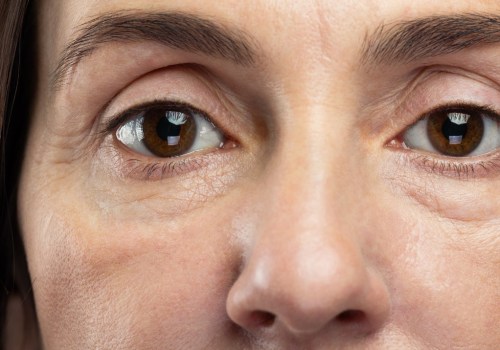
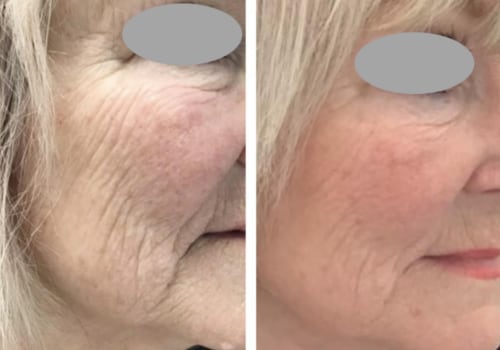
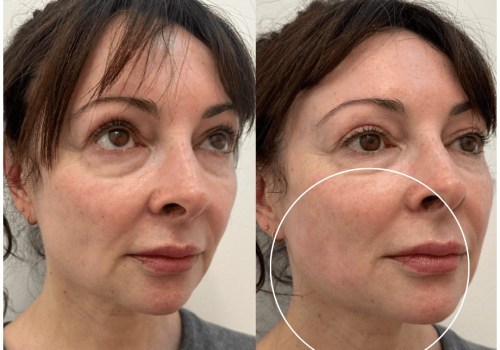
Polynucleotides are naturally occurring biopolymers composed of nucleotide monomers, which are the building blocks of DNA and RNA. These essential molecules play a crucial role in various biological processes, including cellular repair, regeneration, and the maintenance of skin health. In recent years, the application of polynucleotides in aesthetic medicine has gained significant traction, particularly for their remarkable ability to rejuvenate and revitalise the skin. As we delve into the world of polynucleotide treatments, it is essential to understand their biological significance and how they contribute to enhancing skin quality.The benefits of polynucleotides extend beyond mere hydration; they actively stimulate the body’s natural healing processes.
By promoting cell turnover and enhancing collagen synthesis, polynucleotides help to improve skin elasticity and texture. This regenerative effect is particularly beneficial for individuals seeking to address signs of ageing, such as fine lines, wrinkles, and loss of volume. Furthermore, polynucleotide treatments can aid in reducing inflammation and promoting overall skin health, making them a versatile option for various skin concerns.As the demand for non-invasive aesthetic procedures continues to rise, polynucleotide treatments have emerged as a popular choice among patients looking for effective solutions without significant downtime. The treatment involves the injection of highly purified polynucleotides into targeted areas of the skin, where they work to rejuvenate and restore vitality.
With minimal side effects and a quick recovery period, many individuals are turning to this innovative approach to achieve a more youthful appearance.
The Science Behind Polynucleotide Treatment
Polynucleotide treatment is rooted in advanced scientific principles that harness the body’s natural healing processes. At its core, this treatment utilises polynucleotides, which are naturally occurring molecules composed of long chains of nucleotides. These nucleotides play a crucial role in cellular functions, including DNA and RNA synthesis, which are essential for cell repair and regeneration.The mechanism of action of polynucleotide treatment involves several key processes that contribute to skin rejuvenation. When injected into the skin, polynucleotides stimulate fibroblast activity, which is vital for collagen and elastin production.Polynucleotide treatment is rooted in advanced scientific principles that harness the body’s natural healing processes. At its core, this treatment utilises polynucleotides, which are naturally occurring molecules composed of long chains of nucleotides. These nucleotides play a crucial role in cellular functions, including DNA and RNA synthesis, which are essential for cell repair and regeneration.The mechanism of action of polynucleotide treatment involves several key processes that contribute to skin rejuvenation. When injected into the skin, polynucleotides stimulate fibroblast activity, which is vital for collagen and elastin production.These proteins are fundamental to maintaining skin structure and elasticity. As we age, the natural production of collagen decreases, leading to wrinkles and sagging skin. By enhancing fibroblast activity, polynucleotides promote the synthesis of these proteins, resulting in firmer and more youthful-looking skin.Moreover, polynucleotides possess anti-inflammatory properties that help reduce redness and swelling post-treatment. This is particularly beneficial for individuals with sensitive skin or those prone to irritation.
The anti-inflammatory effects not only aid in recovery but also create an optimal environment for skin healing and regeneration.Another significant aspect of polynucleotide treatment is its ability to enhance microcirculation within the skin. Improved blood flow ensures that essential nutrients and oxygen reach the skin cells more effectively, further supporting cellular repair processes. This increased circulation can lead to a more radiant complexion as the skin receives the nourishment it needs to thrive.In summary, the science behind polynucleotide treatment lies in its multifaceted approach to skin regeneration. By stimulating fibroblast activity, reducing inflammation, and enhancing microcirculation, polynucleotides facilitate a comprehensive rejuvenation process.
Understanding these mechanisms not only highlights the effectiveness of this treatment but also underscores its potential as a powerful tool in aesthetic medicine.
Benefits of Polynucleotide Treatment
Polynucleotide treatment has emerged as a revolutionary approach in the realm of aesthetic medicine, offering a multitude of benefits that cater to various skin concerns. This innovative therapy harnesses the power of polynucleotides, which are naturally occurring molecules that play a crucial role in cellular repair and regeneration. Below, we delve into the key advantages of polynucleotide injections, particularly focusing on their anti-aging effects and ability to enhance skin hydration.1.Enhanced Skin Hydration
One of the most significant benefits of polynucleotide treatment is its ability to improve skin hydration. The injections stimulate the production of hyaluronic acid, a vital component that retains moisture within the skin.
As we age, our natural hyaluronic acid levels decline, leading to dryness and a lacklustre complexion. By replenishing these levels, polynucleotides help to:
- Restore moisture balance, resulting in plumper and more supple skin.
- Reduce the appearance of fine lines and wrinkles caused by dehydration.
- Enhance overall skin texture, making it feel smoother and more radiant.
2.Anti-Aging Effects
The anti-aging properties of polynucleotide treatment are particularly noteworthy. As we age, our skin undergoes various changes, including loss of elasticity and firmness. Polynucleotides work by:
- Promoting collagen synthesis, which is essential for maintaining skin structure and elasticity.
- Encouraging cellular turnover, leading to fresher and healthier skin cells on the surface.
- Reducing inflammation and oxidative stress, which are key contributors to premature aging.
3.Improved Skin Texture
Another remarkable benefit of polynucleotide injections is their ability to enhance skin texture.
Patients often report:
- Smoother skin with a more even tone.
- A reduction in rough patches and enlarged pores.
- A revitalised appearance that reflects youthfulness and vitality.
What to Expect During the Treatment Process
Understanding the polynucleotide treatment process is essential for anyone considering this innovative procedure. The treatment typically begins with a thorough consultation, where the practitioner assesses the patient's skin condition and discusses their specific concerns and goals. This initial step is crucial as it helps to tailor the treatment to the individual’s needs.Before the actual injections, the area to be treated is usually cleansed to remove any impurities.Depending on the patient's pain tolerance, a topical anaesthetic may be applied to minimise discomfort during the procedure. This preparation phase ensures that patients are as comfortable as possible before the treatment begins.When it comes to the injection methods, there are two primary techniques used in polynucleotide treatments: traditional needles and cannulas. Each method has its advantages:
- Needles: Fine needles are often used for precise injections into specific areas. This technique allows for targeted delivery of polynucleotides, which can be particularly beneficial for treating fine lines and wrinkles.
However, patients may experience slight discomfort or bruising at the injection sites.
- Cannulas: A cannula is a blunt-tipped tube that can be used to inject polynucleotides more evenly across a larger area. This method reduces the risk of bruising and swelling since it causes less trauma to the surrounding tissues. Cannulas are especially useful for volumising areas such as cheeks or temples.
The practitioner will work methodically, ensuring that each area receives adequate product for optimal results.After the injections are completed, there may be some immediate swelling or redness in the treated areas, which is a normal reaction as the body responds to the polynucleotides. Patients are typically advised on aftercare instructions to help manage any side effects and enhance recovery.Overall, understanding what happens during the polynucleotide treatment process can significantly alleviate any anxiety and help patients feel more prepared for their appointment.
Post-Treatment Care and Recovery
After undergoing polynucleotide treatment, proper post-treatment care is essential to maximise the benefits and ensure a smooth recovery. Understanding what to expect during the recovery phase can significantly enhance patient satisfaction and safety.Common Side Effects
- Redness: It is common to experience some redness at the injection sites. This reaction typically subsides within 24 to 48 hours.
Applying a cool compress can help alleviate discomfort and reduce inflammation.
- Swelling: Mild swelling may occur as the body responds to the injections. This is a normal part of the healing process and usually resolves within a week. Keeping your head elevated while sleeping can help minimise swelling.
- Bruising: Some patients may notice bruising, particularly if they have sensitive skin. To manage this, avoid blood-thinning medications and supplements, such as aspirin or fish oil, for a few days before and after treatment.
- Itching or Tenderness: Mild itching or tenderness in the treated area is also common.
This sensation indicates that your skin is healing. If it becomes bothersome, over-the-counter antihistamines may provide relief.
Post-Treatment Care Instructions
- Avoid Direct Sunlight: Protect your skin from direct sunlight for at least two weeks post-treatment. Use a broad-spectrum sunscreen with an SPF of 30 or higher to shield your skin from UV rays.
- Skip Makeup: It is advisable to refrain from applying makeup for at least 24 hours after treatment to allow your skin to breathe and heal properly.
- Stay Hydrated: Drink plenty of water to keep your skin hydrated from within. Hydration plays a crucial role in the recovery process.
- Avoid Strenuous Activities: Refrain from engaging in intense physical activities or exercise for at least 48 hours post-treatment to prevent excessive swelling and bruising.
- Follow-Up Appointments: Attend any scheduled follow-up appointments with your practitioner to monitor your progress and address any concerns you may have.
Always consult with your healthcare provider if you have any questions or concerns regarding your recovery process.
Potential Side Effects and Risks
While polynucleotide treatments are generally considered safe and effective, it is essential to be aware of potential side effects and risks associated with the procedure. Understanding these factors can help you make an informed decision and prepare for your treatment.Common Side Effects
After undergoing polynucleotide injections, patients may experience several common side effects, which typically resolve within a few days. These include:- Redness: Mild redness at the injection site is a frequent occurrence. This reaction is usually temporary and should subside within 24 to 48 hours.
- Swelling: Some swelling may occur as the body responds to the treatment.
This is often mild and can last for up to a week, particularly if a cannula was used during the procedure.
- Bruising: Small bruises may develop due to the injection process, especially in individuals with sensitive skin or a tendency to bruise easily.
- Itching or Tenderness: Patients might experience mild itching or tenderness in the treated area, indicating that the body is responding positively to the treatment.
Less Common Risks
Although rare, there are some less common risks associated with polynucleotide treatments that patients should consider:- Infection: As with any injection, there is a slight risk of infection at the injection site. Ensuring that the procedure is performed in a sterile environment by a qualified professional can mitigate this risk.
- Allergic Reactions: Some individuals may have an allergic reaction to the components of the polynucleotide solution. It is crucial to discuss any known allergies with your practitioner before treatment.
- Nodules or Bumps: Occasionally, small nodules or bumps may form under the skin at the injection site. While these are typically harmless and resolve on their own, they can be concerning for some patients.
Safety Considerations
To ensure a safe experience with polynucleotide treatments, consider the following safety measures:- Select a Qualified Practitioner: Choose a reputable clinic with experienced professionals who specialise in aesthetic treatments.
Their expertise can significantly reduce the risk of complications.
- Consultation: During your initial consultation, discuss your medical history, any medications you are taking, and your aesthetic goals. This information will help your practitioner tailor the treatment to your needs and minimise risks.
- Post-Treatment Care: Follow any aftercare instructions provided by your practitioner diligently. This may include avoiding strenuous activities or direct sun exposure for a specified period.
Choosing the Right Practitioner for Polynucleotide Treatment
When considering polynucleotide treatment, selecting the right practitioner is crucial for ensuring both safety and effectiveness. The expertise of the professional administering the treatment can significantly influence the results you achieve.Here are some key factors to consider when choosing a practitioner:
- Qualifications and Credentials: Look for practitioners who have relevant qualifications in dermatology, aesthetic medicine, or a related field. They should be certified by recognised medical boards and have undergone specific training in administering polynucleotide injections.
- Experience: Experience plays a vital role in the success of polynucleotide treatments. Practitioners with a proven track record in aesthetic procedures are more likely to understand the nuances of skin types and conditions, leading to better outcomes.
- Reputation: Research the clinic's reputation by reading reviews and testimonials from previous patients. A reputable clinic will often have positive feedback regarding their services, staff professionalism, and overall patient satisfaction.
- Consultation Process: A thorough consultation is essential before undergoing treatment.
During this meeting, the practitioner should assess your skin condition, discuss your goals, and explain the procedure in detail. This is also an opportunity to ask questions about their experience and approach.
- Safety Protocols: Ensure that the clinic adheres to strict safety protocols. This includes using sterile equipment, maintaining a clean environment, and having emergency procedures in place should any complications arise.
A knowledgeable practitioner will be able to explain why they prefer certain brands based on their experience.Ultimately, taking the time to choose a qualified practitioner can make all the difference in your polynucleotide treatment experience. By prioritising credentials, experience, and patient care, you can enhance your chances of achieving optimal results while minimising potential risks.
Frequently Asked Questions about Polynucleotide Treatment
Polynucleotide treatment has garnered significant attention in the realm of aesthetic and medical skincare, leading to a plethora of questions from potential patients. Below, we address some of the most frequently asked questions and dispel common myths surrounding this innovative procedure.What are polynucleotides?
Polynucleotides
are naturally occurring molecules that play a crucial role in cellular repair and regeneration. They are derived from DNA and RNA, which are essential for various biological processes, including healing and tissue regeneration.
In skincare, polynucleotides are used to enhance skin hydration, elasticity, and overall appearance.
How does polynucleotide treatment work?
The treatment involves the injection of polynucleotides into the skin, where they stimulate the body’s natural healing processes. This leads to increased collagen production, improved skin texture, and enhanced hydration. The result is a more youthful and revitalised appearance.Is the treatment painful?
Most patients report minimal discomfort during the procedure. A topical anaesthetic may be applied prior to the injections to further reduce any potential pain.The use of fine needles or cannulas also helps to minimise discomfort.
What can I expect after treatment?
- Redness and swelling: It is common to experience temporary redness and swelling at the injection sites, which typically subsides within 24 to 48 hours.
- Bruising: Some patients may notice bruising due to small blood vessels being affected during the injection process.
- Results: Improvements in skin texture and hydration can be seen shortly after treatment, with optimal results developing over several weeks as collagen production increases.
Are there any side effects?
While polynucleotide treatments are generally safe, some individuals may experience mild side effects such as temporary swelling, redness, or bruising. These effects are usually short-lived and resolve on their own.Myth: Polynucleotide treatments are only for older individuals.
This is a common misconception. While many patients seeking polynucleotide treatments are older and looking to combat signs of ageing, younger individuals can also benefit from these treatments for issues like acne scars or overall skin rejuvenation.Myth: Results are immediate and permanent.
While some improvements can be seen shortly after treatment, full results develop over time as the body responds to the polynucleotides. Additionally, results are not permanent; maintenance treatments may be necessary to sustain optimal skin health.If you have further questions about polynucleotide treatment or wish to explore its benefits for your skin concerns, consult with a qualified professional who can provide personalised advice based on your unique needs.Conclusion: Embracing Polynucleotide Treatments for Skin Health
In conclusion, the journey through the world of polynucleotide treatments reveals a remarkable avenue for enhancing skin health and rejuvenation.As we have explored, these innovative therapies harness the natural healing properties of polynucleotides, offering a multifaceted approach to combatting the signs of aging and improving overall skin quality.Throughout this guide, we have highlighted several key benefits associated with polynucleotide treatments:
- Regenerative Properties: Polynucleotides play a crucial role in cellular repair and regeneration, promoting healthier skin by enhancing cell turnover and revitalising damaged tissues.
- Hydration and Elasticity: The treatment significantly improves skin hydration levels, leading to a plumper appearance and increased elasticity, which are essential for youthful-looking skin.
- Reduction of Fine Lines and Wrinkles: By stimulating collagen production, polynucleotide injections effectively diminish the visibility of fine lines and wrinkles, contributing to a smoother complexion.
- Minimal Downtime: One of the most appealing aspects of this treatment is its minimal downtime. Patients can typically resume their daily activities shortly after the procedure, making it a convenient option for those with busy lifestyles.
As you embark on this journey towards revitalised skin, remember that each step taken is a step towards embracing your natural beauty.In summary, polynucleotide treatments represent a significant advancement in aesthetic medicine. By understanding their benefits and potential outcomes, you are better equipped to make informed decisions about your skincare regimen. Embrace this innovative option and unlock the path to healthier, more radiant skin.