Polynucleotides are essential biomolecules that play a pivotal role in the functioning of all living organisms. Composed of long chains of nucleotides, these molecules serve as the building blocks of DNA and RNA, which are crucial for genetic information storage and transmission. Each nucleotide consists of a sugar, a phosphate group, and a nitrogenous base, and the sequence of these nucleotides encodes the genetic instructions necessary for life. Understanding polynucleotides is fundamental not only in genetics but also in various fields such as molecular biology, biochemistry, and increasingly, aesthetic medicine.The significance of polynucleotides extends beyond their structural role in nucleic acids.
They are involved in numerous biological processes, including cell signalling, protein synthesis, and cellular repair mechanisms. In the context of skin health and rejuvenation, polynucleotides have garnered attention for their ability to stimulate natural regenerative processes within the skin. This makes them particularly valuable in aesthetic treatments aimed at combating signs of ageing and enhancing skin vitality.As we delve deeper into the applications of polynucleotides in aesthetic medicine, it becomes clear that their unique properties can lead to remarkable improvements in skin texture, elasticity, and overall appearance. By harnessing the power of these molecules, practitioners can offer innovative solutions that not only address immediate cosmetic concerns but also promote long-term skin health.
This exploration into the world of polynucleotides will reveal how they separate fact from fiction in the realm of beauty treatments.
The Science Behind Polynucleotides
Polynucleotides are essential biomolecules that play a pivotal role in various biological processes, particularly in the context of skin rejuvenation and healing. Understanding how these molecules function at a cellular level can shed light on their effectiveness in aesthetic treatments.At their core, polynucleotides are long chains of nucleotides, which are the building blocks of DNA and RNA. These chains are composed of a sugar, a phosphate group, and a nitrogenous base. The unique sequence of these components allows polynucleotides to carry genetic information and perform critical functions within cells.Mechanisms of Action
The mechanisms by which polynucleotides exert their effects on skin health are multifaceted:- Cellular Regeneration: Polynucleotides stimulate the proliferation of fibroblasts, the cells responsible for producing collagen and elastin.
This leads to enhanced skin elasticity and firmness.
- Collagen Synthesis: By promoting collagen production, polynucleotides help to restore the skin's structural integrity, reducing the appearance of fine lines and wrinkles.
- Wound Healing: Polynucleotides play a crucial role in tissue repair by accelerating the healing process. They enhance cell migration and proliferation, which are vital for effective wound healing.
- Anti-inflammatory Properties: These molecules possess anti-inflammatory effects that can help reduce redness and swelling in the skin, contributing to an overall improved complexion.
Their ability to promote cellular regeneration, enhance collagen synthesis, accelerate wound healing, and provide anti-inflammatory benefits makes them a valuable asset in aesthetic medicine.
Polynucleotides in Aesthetic Medicine
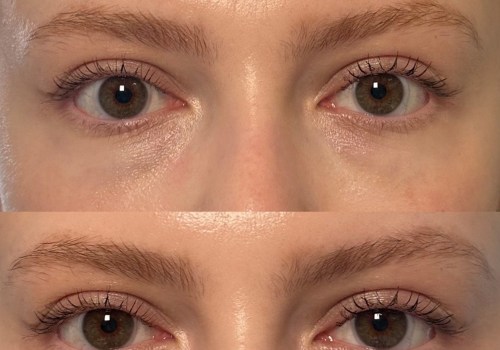
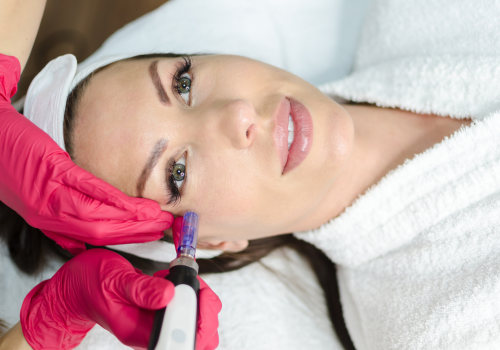
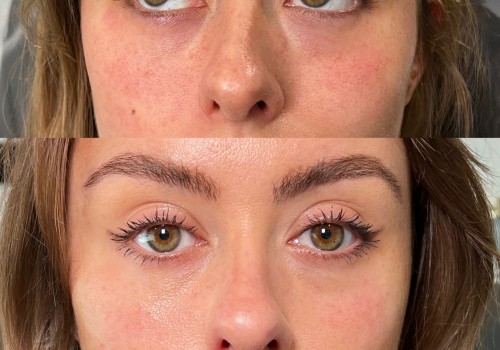
Polynucleotides have emerged as a significant player in the realm of aesthetic medicine, offering innovative solutions for skin rejuvenation and overall enhancement. These naturally occurring molecules, composed of long chains of nucleotides, play a crucial role in cellular repair and regeneration, making them particularly effective in various aesthetic applications.One of the most notable polynucleotide treatments is the use of injectable formulations that stimulate the skin's natural healing processes. These treatments are designed to enhance skin elasticity, improve hydration, and reduce the appearance of fine lines and wrinkles. By promoting collagen and elastin production, polynucleotides help restore a youthful appearance while also addressing issues such as uneven skin tone and texture.Among the aesthetic applications of polynucleotides, several procedures stand out:- Under-eye rejuvenation: Polynucleotide injections can significantly improve the delicate skin around the eyes, reducing dark circles and puffiness while enhancing overall skin quality.
- Facial volumization: Unlike traditional dermal fillers that add volume, polynucleotides work by revitalising the skin from within, leading to a more natural and subtle enhancement.
- Scar treatment: The regenerative properties of polynucleotides make them effective in treating various types of scars, including acne scars, by promoting tissue repair and minimising their appearance.
Patients often report long-lasting results due to the continuous stimulation of collagen production even after the initial treatment. This means that with regular maintenance sessions, individuals can enjoy sustained improvements in their skin's health and appearance.Moreover, polynucleotide treatments are generally well-tolerated with minimal side effects, making them an appealing option for those seeking non-invasive solutions. As research continues to unveil the full potential of these remarkable molecules, it is clear that polynucleotides are set to redefine standards in aesthetic medicine.
Common Myths About Polynucleotides
As the popularity of polynucleotide treatments continues to rise, so too do the myths and misconceptions surrounding them. It is essential to separate fact from fiction to ensure that individuals seeking these treatments are well-informed.Below, we address some of the most common myths about polynucleotides.
- Myth 1: Polynucleotides are a permanent solution for skin rejuvenation.
One of the most prevalent misconceptions is that polynucleotide treatments provide permanent results. In reality, while they can significantly enhance skin appearance and health, the effects are not permanent. The body continues to age, and regular maintenance treatments are necessary to sustain the benefits. - Myth 2: All polynucleotide products are the same.
Not all polynucleotide treatments are created equal. Different products may contain varying concentrations and types of polynucleotides, which can affect their efficacy and suitability for different skin types.It is crucial to consult with a qualified practitioner who can recommend the most appropriate product based on individual needs.
- Myth 3: Polynucleotides are only for older individuals.
While many people associate anti-aging treatments with older adults, polynucleotides can benefit individuals of all ages. Young adults can use these treatments as a preventive measure to maintain skin health and elasticity, making them a versatile option for various age groups. - Myth 4: Polynucleotide treatments are painful and invasive.
Many potential patients fear that polynucleotide injections will be painful or require extensive downtime. However, most treatments involve minimal discomfort and have little to no recovery time. Practitioners often use topical anaesthetics to enhance comfort during the procedure. - Myth 5: Results from polynucleotide treatments are immediate.
Another common misconception is that results will be visible immediately after treatment.While some initial improvements may be noticed, the full effects typically develop over several weeks as collagen production increases and skin regeneration occurs.
Long-term Effects and Safety of Polynucleotide Treatments
As the popularity of polynucleotide treatments continues to rise, understanding their safety profile and long-term effects becomes increasingly important. While many patients report positive outcomes, it is essential to consider potential side effects and the ongoing research that aims to clarify the long-term efficacy of these treatments.Polynucleotide therapies are generally regarded as safe when administered by qualified professionals. However, like any medical procedure, they are not without risks.Common side effects may include:
- Swelling : Temporary swelling at the injection site is common and usually subsides within a few days.
- Bruising : Some patients may experience bruising, which can be mitigated by avoiding blood-thinning medications prior to treatment.
- Pain or Discomfort : Mild pain or discomfort during and after the procedure is possible but typically resolves quickly.
- Allergic Reactions : Although rare, some individuals may have allergic reactions to the components of the polynucleotide solution.
These studies aim to address critical questions regarding:
- The duration of effects post-treatment
- The cumulative impact of repeated treatments
- Any potential long-term side effects that may arise with prolonged use
Comparing Polynucleotides with Other Treatments
When considering aesthetic treatments for skin rejuvenation, it is essential to understand the differences between polynucleotides and other popular options such as dermal fillers and laser therapies. Each treatment has its unique benefits and limitations, making it crucial to choose the right one based on individual skin concerns and desired outcomes.Polynucleotides vs Dermal Fillers
Dermal fillers are designed to restore volume and contour to the face by filling in wrinkles and fine lines. They typically contain hyaluronic acid or other substances that provide immediate results.However, while fillers can enhance facial volume, they do not address the underlying skin quality or promote long-term skin health.In contrast, polynucleotides work at a cellular level to stimulate the skin's natural regenerative processes. They enhance collagen production and improve skin elasticity over time, leading to more sustainable results. While fillers may offer instant gratification, polynucleotide treatments provide a gradual improvement in skin texture and tone, making them a more holistic approach to rejuvenation.
Alternatives to Polynucleotide Treatments
Aside from dermal fillers, there are various alternatives available for those seeking skin rejuvenation. Laser therapies, for instance, utilise focused light energy to target specific skin concerns such as pigmentation, scarring, and fine lines.These treatments can be highly effective but often require downtime for recovery.Another alternative is chemical peels, which exfoliate the outer layer of skin to reveal a fresher complexion underneath. While effective for improving skin texture and tone, chemical peels may not provide the same depth of rejuvenation as polynucleotide treatments.
Comparison of Skin Rejuvenation Methods
When comparing these methods, it is important to consider factors such as treatment goals, recovery time, and longevity of results.Polynucleotides
offer a unique advantage by promoting natural healing processes without the need for invasive procedures or significant downtime. In contrast, while dermal fillers provide immediate results, they may require more frequent touch-ups due to their temporary nature.Ultimately, the choice between polynucleotides, fillers, laser therapies, or chemical peels should be guided by individual skin needs and aesthetic goals.Consulting with a qualified aesthetic practitioner can help determine the most suitable option for achieving desired results while ensuring safety and efficacy.
FAQs About Polynucleotides
As the popularity of polynucleotides continues to rise in the realm of aesthetic medicine, many individuals have questions regarding their use, effectiveness, and safety. Below are some of the most frequently asked questions about polynucleotides and their treatments.What are polynucleotides?
Polynucleotides are long chains of nucleotides, which are the basic building blocks of DNA and RNA. In aesthetic treatments, they are used to promote skin rejuvenation by stimulating cellular repair and regeneration. These molecules help enhance collagen production, leading to improved skin elasticity and hydration.How do polynucleotide treatments work?
When injected into the skin, polynucleotides activate the body’s natural healing processes.They stimulate fibroblasts, which are cells responsible for producing collagen and elastin. This results in a more youthful appearance as the skin becomes firmer and more resilient over time.
Are polynucleotide treatments safe?
Generally, polynucleotide treatments are considered safe when administered by qualified professionals. However, as with any medical procedure, there can be side effects such as swelling, redness, or bruising at the injection site. It is essential to consult with a licensed practitioner to discuss any potential risks.How long do the effects of polynucleotide treatments last?
The results from polynucleotide treatments can last several months, depending on individual factors such as skin type and age.To maintain optimal results, follow-up treatments are typically recommended every six to nine months.
Who is a suitable candidate for polynucleotide therapy?
Polynucleotide therapy is suitable for individuals looking to improve skin texture, elasticity, and overall appearance. It is particularly beneficial for those experiencing signs of aging or skin damage due to environmental factors. However, it is crucial to have a thorough consultation with a healthcare provider to determine if this treatment aligns with your specific needs.Can polynucleotides be combined with other treatments?
Yes, polynucleotide treatments can often be combined with other aesthetic procedures such as dermal fillers or laser therapy for enhanced results. This combination approach can address multiple skin concerns simultaneously, providing a comprehensive rejuvenation strategy.If you have further questions about polynucleotides, it is advisable to seek guidance from a qualified aesthetic practitioner who can provide tailored information based on your individual circumstances.Conclusion: The Future of Polynucleotide Treatments
As we draw our exploration of polynucleotides to a close, it is essential to reflect on the significant insights gained regarding their role in aesthetic medicine.Throughout this article, we have delved into the science behind these remarkable molecules, their mechanisms of action, and the tangible benefits they offer for skin rejuvenation and anti-aging treatments.Polynucleotides, with their unique ability to stimulate cellular regeneration and enhance collagen production, represent a promising frontier in non-surgical aesthetic procedures. Unlike traditional dermal fillers that primarily focus on volumisation, polynucleotide treatments address the underlying issues of skin health by promoting natural repair processes. This holistic approach not only improves the appearance of the skin but also contributes to its overall vitality.However, it is crucial to acknowledge that while polynucleotide treatments yield impressive results, they are not permanent solutions. The transient nature of their effects necessitates ongoing maintenance treatments to sustain the rejuvenating benefits.
This aspect highlights the importance of personalised treatment plans tailored to individual skin types and aesthetic goals.Looking ahead, the future of polynucleotide treatments appears bright. As research continues to evolve, we can anticipate advancements in formulation and application techniques that may enhance their efficacy and broaden their use across various skin concerns. Furthermore, ongoing studies will likely provide deeper insights into the long-term safety and effectiveness of these treatments, solidifying their place within the aesthetic medicine landscape.In conclusion, polynucleotides stand at the intersection of innovation and practicality in skincare. Their ability to harness the body’s natural healing processes offers a compelling alternative for those seeking effective anti-aging solutions without invasive procedures.
As we continue to explore and understand these powerful molecules, it is clear that they will play an increasingly vital role in shaping the future of aesthetic treatments.