Polynucleotides, often abbreviated as PNs, are naturally occurring polymers that play a crucial role in the biological processes of all living organisms. Composed of long chains of nucleotide units, these molecules are fundamental to the structure and function of DNA and RNA. In the context of skin rejuvenation, polynucleotides have emerged as a revolutionary treatment option, particularly for delicate areas such as the under-eye region. Their unique properties allow them to stimulate cellular activity and promote healing, making them an attractive choice for those seeking to enhance their skin's appearance.The benefits of polynucleotides extend beyond mere hydration; they actively contribute to the regeneration of skin cells and the synthesis of essential proteins like collagen and elastin.
Collagen is vital for maintaining skin firmness and elasticity, while elastin provides the skin with its ability to stretch and bounce back. As we age, the natural production of these proteins diminishes, leading to common concerns such as fine lines, wrinkles, and sagging skin. By introducing polynucleotides into the treatment regimen, individuals can effectively combat these signs of aging and restore a youthful glow.Understanding how polynucleotides work is key to appreciating their value in aesthetic treatments. When injected into the skin, they stimulate fibroblasts—cells responsible for producing collagen and elastin—thereby enhancing the skin's structural integrity.
Additionally, polynucleotides improve hydration levels by attracting water molecules to the skin, resulting in a plumper and more radiant appearance. This dual action not only addresses existing skin concerns but also promotes long-term health by encouraging ongoing cellular regeneration.
The Science Behind Polynucleotides
Polynucleotides (PNs) are naturally occurring polymers that play a vital role in cellular processes, particularly in the context of skin health and rejuvenation. These molecules are composed of nucleotide units, which are the building blocks of DNA and RNA. When applied to the skin, especially in the delicate under-eye area, polynucleotides can significantly enhance collagen production and improve skin elasticity .The mechanism by which polynucleotides exert their effects is rooted in their ability to stimulate fibroblasts, the cells responsible for producing collagen and elastin.Collagen is essential for maintaining skin structure and firmness, while elastin provides the skin with its elasticity. As we age, the natural production of these proteins declines, leading to visible signs of aging such as fine lines, wrinkles, and sagging skin.Research indicates that polynucleotide treatments can boost collagen synthesis by up to 30% after just a few sessions. This increase is crucial for restoring the skin's youthful appearance. Additionally, polynucleotides enhance the hydration levels within the skin by promoting the synthesis of hyaluronic acid, a substance known for its moisture-retaining properties.
This dual action not only plumps the skin but also improves its overall texture and tone.Moreover, polynucleotides have been shown to possess anti-inflammatory properties, which can help reduce puffiness and dark circles under the eyes. By promoting cellular regeneration and repair, they contribute to a healthier skin barrier, making the skin more resilient against environmental stressors.In summary, the science behind polynucleotides reveals their potential as a powerful tool in aesthetic treatments aimed at rejuvenating the under-eye area. By enhancing collagen production and improving skin elasticity, these treatments offer a natural approach to combatting signs of aging while promoting overall skin health.
Benefits of Using Polynucleotides Under the Eyes
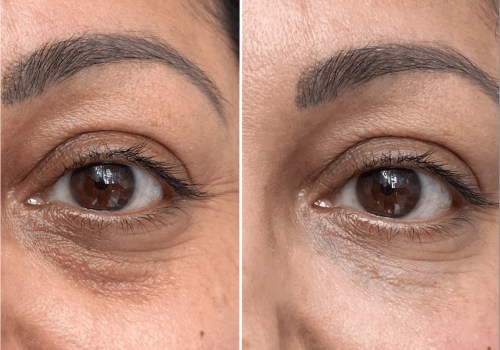
Polynucleotides (PNs) have emerged as a revolutionary treatment for the delicate under-eye area, offering a range of benefits that cater to various skin concerns. One of the most significant advantages of using polynucleotides is their ability to reduce dark circles.Dark circles can be caused by several factors, including genetics, lack of sleep, and thinning skin. By promoting collagen synthesis and enhancing skin hydration, polynucleotides help to thicken the skin under the eyes, making dark circles less prominent.Moreover, polynucleotides work by stimulating the body’s natural healing processes. This regenerative effect not only aids in reducing the appearance of dark circles but also contributes to an overall improvement in skin texture. The under-eye area is particularly susceptible to signs of aging due to its thin skin, which loses elasticity and firmness over time.
By injecting polynucleotides, patients can experience a noticeable enhancement in skin quality, leading to a smoother and more youthful appearance.Another key benefit of polynucleotide treatments is their ability to provide long-lasting hydration. Unlike traditional fillers that merely add volume, PNs enhance the skin's moisture retention capabilities. This increased hydration helps to plump up the skin, reducing fine lines and creating a more refreshed look. As a result, individuals often report feeling more confident and satisfied with their appearance after undergoing this treatment.Additionally, polynucleotides are known for their minimal downtime and side effects compared to other aesthetic procedures.
Patients can typically resume their daily activities shortly after treatment, making it an appealing option for those with busy lifestyles. The gradual improvement in skin quality over time also means that results can appear more natural and less artificial than those achieved with fillers.In summary, the benefits of using polynucleotides under the eyes are multifaceted. From reducing dark circles and improving skin texture to providing long-lasting hydration and requiring minimal recovery time, this innovative treatment offers a comprehensive solution for those seeking to rejuvenate their under-eye area. As more individuals become aware of these advantages, polynucleotides are likely to gain popularity as a go-to option for non-surgical eye rejuvenation.
Comparing Polynucleotides with Other Treatments
When considering treatments for the delicate under-eye area, it is essential to evaluate the various options available, particularly polynucleotides, fillers, and chemical peels.Each treatment offers unique benefits and drawbacks, making it crucial for individuals to understand how they compare.
Polynucleotides vs Fillers
Polynucleotides and dermal fillers serve different purposes in aesthetic treatments. While fillers, such as hyaluronic acid, are designed to add volume and plumpness to the skin, polynucleotides focus on rejuvenating the skin from within. Fillers provide immediate results by filling in hollows and smoothing out wrinkles, making them an attractive option for those seeking quick fixes.However, the effects of fillers are temporary, typically lasting between six months to a year, depending on the product used and individual factors. In contrast, polynucleotide treatments promote natural collagen production and skin regeneration over time.This means that while the initial results may not be as dramatic as those from fillers, the long-term benefits can lead to healthier skin with improved texture and elasticity.
Polynucleotides vs Chemical Peels
Chemical peels are another popular non-surgical option for enhancing the under-eye area. These treatments involve applying a chemical solution to exfoliate the skin, removing dead cells and promoting new cell growth. While chemical peels can improve skin tone and texture, they may not specifically target issues like volume loss or dark circles as effectively as polynucleotides.Moreover, chemical peels can sometimes result in redness and peeling post-treatment, requiring downtime for recovery. In contrast, polynucleotide injections typically involve minimal downtime and discomfort, allowing individuals to resume their daily activities almost immediately.Choosing the Right Treatment
The choice between polynucleotides, fillers, and chemical peels ultimately depends on individual needs and aesthetic goals.For those looking for immediate volume enhancement, fillers may be the preferred option. However, if long-term skin health and rejuvenation are priorities, polynucleotides could be more beneficial.Additionally, combining treatments can yield comprehensive results; for instance, using fillers to address volume loss while incorporating polynucleotide injections can enhance overall skin quality. Consulting with a qualified aesthetic practitioner can help determine the most suitable approach based on personal preferences and skin conditions.
What to Expect During a Polynucleotide Treatment Session
When considering polynucleotide treatments for the under-eye area, understanding the treatment process is crucial for potential patients. This section outlines what to expect during a typical session, from preparation to recovery.Preparation for Treatment
- Before your appointment, it is essential to consult with a qualified practitioner who will assess your skin condition and discuss your aesthetic goals.
This initial consultation may involve a thorough examination of the under-eye area and a discussion of any previous treatments you have undergone.
- Patients are usually advised to avoid blood-thinning medications, alcohol, and certain supplements for at least 48 hours prior to the treatment to minimise bruising and swelling.
- On the day of the treatment, ensure that your skin is clean and free from makeup or skincare products. Your practitioner may cleanse the area again before proceeding.
The Treatment Procedure
The actual procedure for polynucleotide injections typically lasts between 30 to 60 minutes. Here’s what you can expect:
- Anesthesia: To enhance comfort during the procedure, a topical anaesthetic may be applied to the under-eye area. This helps numb the skin and reduce any discomfort associated with the injections.
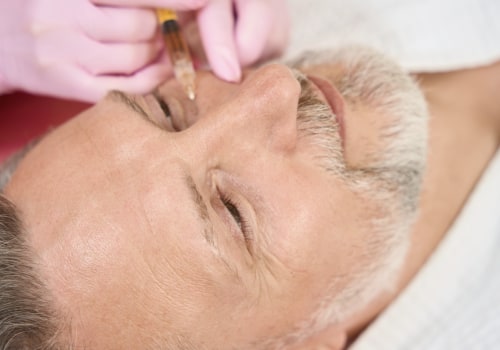
- Injection Technique: Using a fine needle, your practitioner will carefully inject polynucleotides into specific areas under the eyes.
The injections are strategically placed to promote optimal skin rejuvenation and collagen production.
- Immediate Effects: While some patients may notice an immediate improvement in skin texture and hydration, it is important to understand that full results will develop over time as collagen production increases.
Recovery Time
One of the appealing aspects of polynucleotide treatments is their minimal downtime. After the procedure, you may experience some mild swelling or redness in the treated area, which typically subsides within a few hours to a couple of days. Here are some recovery tips:
- Avoid strenuous exercise and excessive sun exposure for at least 48 hours post-treatment.
- Keep the area clean and avoid applying makeup until any swelling has resolved.
- Your practitioner may recommend using a gentle moisturiser or specific aftercare products to support healing.
Potential Side Effects and Considerations
As with any cosmetic procedure, it is essential to consider the potential side effects and risks associated with polynucleotide treatments, particularly when applied to the delicate under-eye area.While many individuals experience positive outcomes, understanding the possible adverse effects can help you make an informed decision.
Common Side Effects
- Swelling: Mild swelling is a common reaction following polynucleotide injections. This typically subsides within a few days but can be more pronounced in some individuals.
- Bruising: Due to the nature of injections, bruising may occur at the injection site. This is usually temporary and resolves on its own.
- Redness: Some patients may notice redness around the treated area, which generally fades quickly.
- Itching or Tenderness: A sensation of itching or tenderness may be experienced post-treatment, but this is often mild and short-lived.
Serious Risks
While serious complications are rare, they can occur. These may include:
- Infection: As with any injection, there is a risk of infection.
It is crucial to ensure that the procedure is performed in a sterile environment by a qualified professional.
- Allergic Reactions: Some individuals may have an allergic reaction to the components of the polynucleotide solution. Symptoms can range from mild irritation to more severe reactions requiring medical attention.
- Nodules or Lumps: In some cases, patients may develop small nodules or lumps at the injection site, which may require further treatment to resolve.
Who Should Avoid Polynucleotide Treatments?
Certain individuals should exercise caution or avoid polynucleotide treatments altogether. These include:
- Pregnant or Nursing Women: The effects of polynucleotides during pregnancy and breastfeeding are not well-studied, so it is advisable to avoid these treatments during this time.
- Individuals with Active Skin Conditions: Those suffering from conditions such as eczema, psoriasis, or any active infections in the treatment area should refrain from undergoing these injections until their skin is healthy.
- People with Allergies: If you have a known allergy to any components used in polynucleotide treatments, it is crucial to discuss this with your practitioner beforehand.
Real-Life Experiences: Testimonials and Results
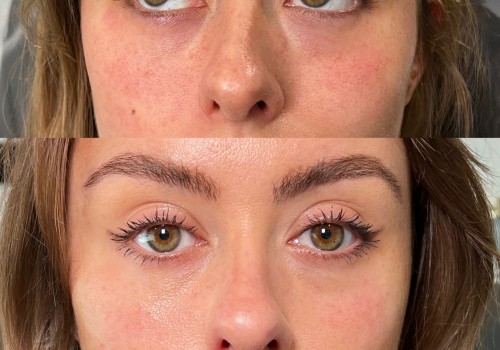
As the popularity of polynucleotide treatments continues to rise, many individuals are eager to share their experiences and results.Testimonials from real patients provide valuable insights into the effectiveness of these innovative procedures, particularly in the delicate under-eye area.One patient, Sarah, a 34-year-old marketing executive, reported significant improvements after her polynucleotide treatment. "I had been struggling with dark circles and fine lines for years. After just two sessions, I noticed a remarkable difference. My skin feels firmer and looks more radiant.
Friends have commented on how refreshed I look!" Her before-and-after photos clearly illustrate the transformation, showcasing a smoother under-eye area with diminished shadows.Another individual, Mark, aged 45, shared his experience with polynucleotides as part of a comprehensive rejuvenation plan. "I was initially sceptical about the results since I had tried various treatments before with little success. However, after three sessions, I was amazed at how much brighter my eyes appeared. The hollows under my eyes have filled out nicely, and I feel more confident in my appearance." Mark's journey highlights the gradual yet impactful nature of polynucleotide treatments.Many patients appreciate the natural approach of polynucleotides compared to traditional fillers.
Emma, a 29-year-old teacher, expressed her satisfaction: "I wanted something that would enhance my skin's health rather than just add volume. The polynucleotide treatment has improved my skin texture and elasticity without looking overdone. It feels like my skin is rejuvenating from within."Before-and-after comparisons are particularly striking for those who have undergone multiple sessions. A study involving several participants revealed that most experienced a noticeable increase in collagen production and skin hydration after just two to three treatments.
The results were not only visible but also contributed to an overall sense of well-being among patients.In conclusion, real-life testimonials underscore the potential benefits of polynucleotide treatments for the under-eye area. Patients report improvements in skin quality, reduced dark circles, and enhanced confidence levels. As more individuals share their success stories, it becomes increasingly clear that polynucleotides may be a worthwhile investment for those seeking natural rejuvenation.
Cost Analysis: Are Polynucleotides Worth the Investment?
When considering any aesthetic treatment, understanding the cost is crucial, especially for polynucleotide treatments aimed at rejuvenating the under-eye area. The price of these treatments can vary significantly based on several factors, including the practitioner’s expertise, the geographical location of the clinic, and the specific products used.On average, patients can expect to pay between £300 to £600 per session for polynucleotide injections.This cost may seem steep compared to traditional fillers, which typically range from £200 to £500. However, it is essential to consider the long-term benefits that polynucleotides offer.
Value of Under Eye Treatments
- Natural Results: Unlike fillers that provide immediate volume, polynucleotides work by enhancing the skin's natural regenerative processes. This leads to more sustainable results over time.
- Collagen Production: Studies suggest that polynucleotide treatments can boost collagen production by up to 30%, which is vital for maintaining skin elasticity and reducing fine lines.
- Improved Skin Quality: Beyond just aesthetics, these treatments improve overall skin health by promoting hydration and cell regeneration.
Cost vs Benefits of Polynucleotides
The initial investment in polynucleotide treatments may be higher than other options, but the long-term benefits can justify the cost. Patients often report visible improvements in skin texture and tone after just a few sessions.
Additionally, as these treatments stimulate natural collagen production, they can lead to lasting results that may reduce the need for frequent touch-ups compared to traditional fillers.Moreover, considering the minimal downtime associated with polynucleotide treatments makes them an attractive option for those with busy lifestyles. While some may experience mild swelling or bruising post-treatment, these effects typically resolve quickly, allowing individuals to return to their daily activities without significant interruption.Ultimately, when evaluating whether polynucleotides are worth the investment, it is essential to weigh both the financial cost and the potential benefits. For those seeking a natural approach to under-eye rejuvenation with long-lasting results, polynucleotide treatments may indeed represent a valuable investment in their aesthetic journey.
Conclusion: The Verdict on Under Eye Polynucleotides
In conclusion, the exploration of under-eye polynucleotides reveals a promising avenue for those seeking to rejuvenate the delicate skin around the eyes. As we have discussed, these treatments leverage the natural properties of nucleotides to stimulate collagen production and enhance skin elasticity, addressing common concerns such as fine lines, wrinkles, and dark circles.One of the standout benefits of polynucleotide treatments is their ability to promote skin regeneration from within.Unlike traditional fillers that provide immediate volume but may not address underlying skin quality, polynucleotides work to improve the overall health and appearance of the skin over time. This regenerative approach not only enhances hydration but also contributes to a more youthful glow, making it an attractive option for individuals looking for long-lasting results.Moreover, the minimal downtime associated with these treatments makes them particularly appealing for those with busy lifestyles. Patients can expect to see improvements in skin texture and tone after just a few sessions, with many reporting visible changes in the under-eye area shortly after treatment.However, it is essential for potential candidates to consider their individual needs and preferences when deciding on treatment options. Factors such as skin type, age, and specific concerns should guide the choice between polynucleotide treatments and other alternatives like tear fillers.
Consulting with a qualified aesthetic practitioner can provide valuable insights tailored to each person's unique situation.Ultimately, under-eye polynucleotides represent a significant advancement in aesthetic medicine, offering a natural and effective solution for rejuvenating tired eyes. As this treatment continues to gain traction in the beauty industry, it is crucial for individuals to stay informed about their options and make decisions that align with their aesthetic goals.