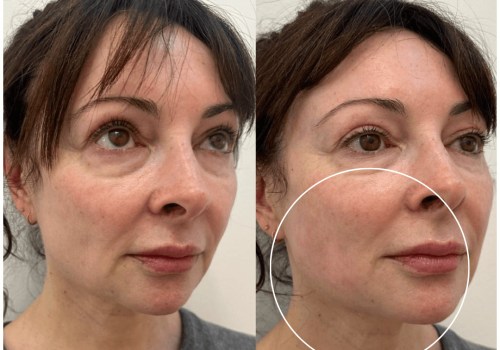
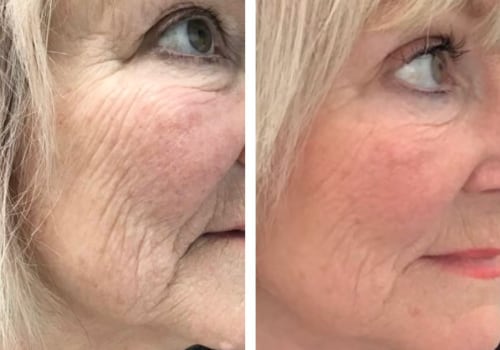
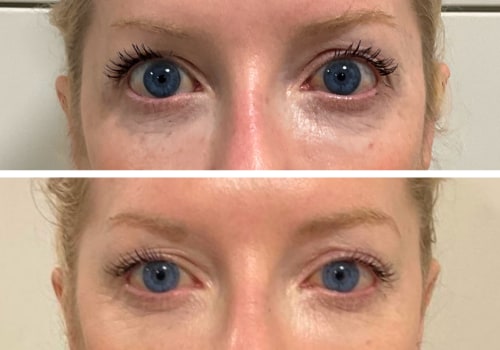
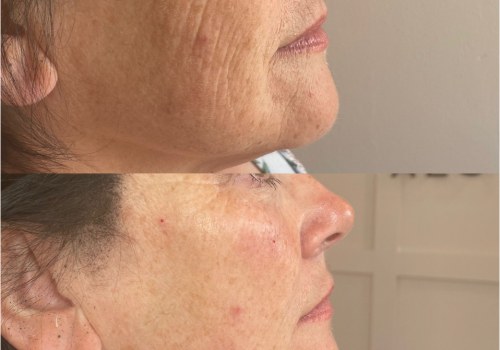
Polynucleotides are naturally occurring biopolymers composed of nucleotide sequences, which play a crucial role in various biological processes. In the realm of skincare, they have garnered significant attention for their remarkable ability to rejuvenate and revitalise the skin. These compounds are primarily derived from DNA and RNA, which are essential for cellular function and regeneration. By harnessing the power of polynucleotides, skincare treatments can effectively stimulate the body’s natural healing processes, leading to improved skin texture, hydration, and elasticity.The benefits of polynucleotides extend beyond mere hydration; they actively promote collagen and elastin production, two vital proteins that contribute to skin firmness and resilience.
As we age, the natural synthesis of these proteins diminishes, resulting in sagging skin and the formation of fine lines and wrinkles. By introducing polynucleotides into the skin, we can encourage a more youthful appearance by enhancing the extracellular matrix, which supports skin structure and integrity.Understanding how polynucleotides work is essential for appreciating their role in skincare. When applied topically or injected into the skin, they interact with fibroblasts—cells responsible for producing collagen and elastin. This interaction triggers a cascade of biological responses that not only improve hydration but also promote cellular turnover and repair.
As a result, users often experience a gradual yet noticeable improvement in skin quality over time.In summary, polynucleotides represent a powerful tool in the quest for youthful skin. Their unique composition and multifaceted benefits make them an attractive option for those seeking long-lasting results in skin rejuvenation. As we delve deeper into this topic, we will explore how polynucleotides compare to other treatments, providing insights into their effectiveness and suitability for various skin concerns.
The Mechanism of Action of Polynucleotides
Polynucleotides are gaining recognition in the field of aesthetic medicine for their remarkable ability to rejuvenate the skin. Understanding how these compounds work at a biological level is crucial for appreciating their benefits.At the core of their action is the stimulation of collagen and elastin production, two essential proteins that contribute significantly to skin structure and elasticity.When polynucleotides are introduced into the skin, they interact with fibroblasts, the cells responsible for producing collagen and elastin. This interaction triggers a series of biological responses that enhance skin quality. The polynucleotides act as signalling molecules, promoting cellular communication and encouraging fibroblasts to increase their activity. As a result, there is a marked increase in the synthesis of collagen and elastin fibres, which are vital for maintaining skin firmness and elasticity.Moreover, polynucleotides possess unique properties that aid in skin hydration.
They have a high affinity for water, which helps to retain moisture within the skin. This hydration not only improves the overall appearance of the skin but also creates an optimal environment for cellular function and regeneration. The enhanced moisture levels contribute to a plumper, more youthful complexion.In addition to stimulating collagen and elastin production, polynucleotides also play a role in reducing inflammation and promoting healing. They contain anti-inflammatory properties that can help soothe irritated skin, making them particularly beneficial for individuals with sensitive or reactive skin types.
By mitigating inflammation, polynucleotides support a healthier skin barrier, further enhancing the skin's resilience against environmental stressors.Furthermore, the regenerative effects of polynucleotides extend beyond mere hydration and structural support. They also promote the repair of damaged tissues by facilitating cellular turnover and regeneration. This means that not only does the skin become more hydrated and elastic, but it also appears more radiant and youthful over time.In summary, the mechanism of action of polynucleotides involves a multifaceted approach to skin rejuvenation. By stimulating collagen and elastin production, enhancing hydration, reducing inflammation, and promoting tissue repair, polynucleotides offer a comprehensive solution for improving skin quality.
Their ability to address various aspects of skin health makes them a valuable option in aesthetic treatments aimed at achieving long-lasting results.
Comparing Polynucleotides with Other Treatments
When considering skin rejuvenation treatments, it is essential to evaluate the various options available, particularly polynucleotides, Profhilus, and Platelet-Rich Plasma (PRP). Each of these treatments offers unique benefits and caters to different skin concerns, making it crucial to understand their distinctions.Polynucleotides vs. Profhilus
Polynucleotides are renowned for their regenerative properties, primarily due to their ability to stimulate collagen and elastin production. This process enhances the skin's extracellular matrix, leading to improved texture and elasticity over time.In contrast, Profhilus is primarily focused on hydration and volume restoration through its high hyaluronic acid content. While both treatments aim to rejuvenate the skin, their mechanisms differ significantly.
- Duration of Results: Polynucleotides typically provide longer-lasting effects, with results that can persist for up to a year following a series of treatments. Profhilus, while effective in delivering immediate hydration and volume, may require more frequent sessions to maintain its results.
- Application Areas: Polynucleotides are versatile and can be used not only on the face but also on the neck, around the eyes, and even on the scalp to promote hair growth. Profhilus is primarily used for facial rejuvenation.
- Targeted Concerns: If your primary concern is deep hydration and immediate volume enhancement, Profhilus may be the preferred choice.
However, for those looking for a more comprehensive approach to skin regeneration and long-term improvements in skin quality, polynucleotides are likely the better option.
PRP vs. Polynucleotides
Platelet-Rich Plasma (PRP) therapy has gained popularity as a natural treatment for skin rejuvenation by utilising the body’s own healing properties. Like polynucleotides, PRP stimulates collagen production; however, it does so through the growth factors present in the patient’s blood.- Effectiveness: Both PRP and polynucleotides are effective in improving skin texture and elasticity. However, polynucleotides may offer a more targeted approach by directly enhancing the extracellular matrix rather than relying solely on growth factors.
- Procedure Time: PRP treatments often require a longer preparation time due to blood extraction and processing.
In contrast, polynucleotide injections can be administered more swiftly.
- Recovery Time: Both treatments have minimal downtime; however, some patients may experience bruising or swelling with PRP due to the blood draw process.
Benefits of Profhilus Over Polynucleotides
When considering skin rejuvenation treatments, Profhilus stands out for its remarkable benefits, particularly in terms of immediate hydration and volume restoration. Unlike polynucleotides, which work gradually to enhance skin quality over time, Profhilus delivers noticeable results shortly after application, making it an appealing choice for those seeking quick improvements.One of the primary advantages of Profhilus is its high concentration of hyaluronic acid. This powerful ingredient is renowned for its ability to attract and retain moisture within the skin.As a result, patients often experience an instant boost in hydration levels, leading to a plumper and more youthful appearance. The immediate effects can be particularly beneficial for individuals preparing for special occasions or events where they desire a radiant look.Moreover, Profhilus not only hydrates but also effectively restores lost volume in areas that may have become hollow or sagging due to aging. This volumising effect can significantly enhance facial contours, providing a more defined and youthful profile. The treatment is especially effective in areas such as the cheeks, nasolabial folds, and under the eyes, where volume loss is commonly observed.In addition to its hydrating properties, Profhilus promotes skin elasticity and firmness.
The hyaluronic acid in Profhilus stimulates collagen production, which is essential for maintaining skin structure and resilience. Over time, this can lead to improved skin texture and a reduction in fine lines and wrinkles.Another compelling reason to choose Profhilus over polynucleotides is its versatility. It can be tailored to meet individual needs, whether the focus is on hydration, volume restoration, or overall skin rejuvenation. This adaptability makes it suitable for a wide range of skin types and concerns.In summary, while polynucleotides offer long-term regenerative benefits, Profhilus excels in providing immediate results that enhance hydration and restore volume.
For those seeking quick improvements in their skin's appearance, Profhilus presents a compelling option that combines effective hydration with volumising capabilities.
The Role of PRP in Skin Rejuvenation
Platelet-Rich Plasma (PRP) therapy has gained significant attention in the realm of skin rejuvenation, offering a natural and effective alternative to treatments like polynucleotides. This innovative procedure utilises the body’s own healing properties, harnessing the power of platelets found in the blood to stimulate tissue regeneration and enhance skin quality.Benefits of PRP Treatment
- Natural Healing: PRP is derived from the patient’s own blood, minimising the risk of allergic reactions or complications associated with synthetic substances.
- Collagen Production: The growth factors present in PRP promote collagen synthesis, which is essential for maintaining skin elasticity and firmness.
- Improved Skin Texture: Patients often report smoother, more even skin texture following PRP treatments, making it an excellent option for those with acne scars or uneven pigmentation.
- Versatility: PRP can be used on various areas of the body, including the face, neck, and even the scalp to promote hair growth, making it a multifaceted treatment option.
In contrast, PRP works by leveraging the body’s natural healing processes to stimulate collagen and elastin production more rapidly.
PRP vs Polynucleotides
The choice between PRP and polynucleotides largely depends on individual skin concerns and desired results. For those seeking immediate improvements in skin texture and tone, PRP may be more suitable due to its quicker action. However, for individuals looking for sustained hydration and long-term skin health benefits, polynucleotides could be the preferred option.Ultimately, consulting with a qualified practitioner is crucial in determining which treatment aligns best with your skincare goals. Both PRP and polynucleotides offer unique advantages that can significantly enhance skin rejuvenation efforts when tailored to individual needs.
Other Alternatives to Consider
When considering skin rejuvenation, it is essential to explore various alternatives to polynucleotides.Among the most popular options are hyaluronic acid treatments and dermal fillers. Each of these treatments offers unique benefits and can be tailored to meet individual skin needs.
Hyaluronic Acid Treatments
- Hydration: Hyaluronic acid is renowned for its ability to retain moisture, making it an excellent choice for individuals with dry or dehydrated skin. It can hold up to 1000 times its weight in water, providing a plump and youthful appearance.
- Immediate Results: One of the significant advantages of hyaluronic acid treatments is the instant hydration and volume they provide. Patients often notice a visible difference immediately after treatment.
- Versatility: Hyaluronic acid can be used in various forms, including serums, injectables, and topical applications, allowing for flexibility in treatment plans.
Dermal Fillers
- Volume Restoration: Dermal fillers are particularly effective for restoring lost volume in areas such as the cheeks, lips, and nasolabial folds.
They can create a more youthful contour and enhance facial features.
- Long-Lasting Effects: Depending on the type of filler used, results can last from several months to over a year. This longevity makes dermal fillers a popular choice for those seeking sustained improvements.
- Customisation: Fillers come in various formulations, allowing practitioners to tailor treatments based on the patient’s specific needs and desired outcomes.
They can assess your skin type, discuss your goals, and recommend the best approach to achieve optimal results while considering alternatives like polynucleotides.
Choosing the Right Treatment for Your Skin Needs
When it comes to selecting the most suitable skin treatment, understanding your unique skin needs and desired outcomes is crucial. With a plethora of options available, including polynucleotides, Profhilus, and other treatments, making an informed choice can significantly enhance your skin's health and appearance.1.Assess Your Skin Concerns
- Hydration: If your primary concern is dry or dehydrated skin, treatments rich in hyaluronic acid, like Profhilus, may be ideal. These treatments provide immediate hydration and can plump the skin effectively.
- Elasticity and Firmness: For those looking to improve skin elasticity and firmness, polynucleotides are a strong contender. They stimulate collagen and elastin production over time, leading to more sustainable improvements.
- Volume Loss: If you are experiencing significant volume loss due to aging, dermal fillers can offer immediate results.
However, consider combining them with polynucleotides for long-term benefits.
2.Consider Treatment Duration and Results
- Immediate vs. Gradual Results: Treatments like Profhilus provide quick results, making them suitable for those seeking instant gratification. In contrast, polynucleotides work gradually, with results becoming more apparent over several weeks.
- Longevity of Effects: Polynucleotides often offer longer-lasting effects compared to other treatments. If you prefer fewer sessions with enduring results, this may be the better option.
3.Consult with a Professional
Your skincare professional can provide invaluable insights tailored to your specific needs.
They will assess your skin type, discuss your goals, and recommend the most appropriate treatment plan. Factors such as age, skin type, and lifestyle should all be considered during this consultation.
4.Evaluate Product Options
- Targeted Treatments: Some products are designed for specific areas such as the neck or under the eyes. If you have particular concerns in these areas, look for treatments that cater specifically to them.
- Combination Approaches: Often, a combination of treatments can yield the best results. For instance, using polynucleotides alongside Profhilus can address both hydration and long-term skin quality improvement.
By taking the time to understand these factors and consulting with a qualified professional, you can make an informed decision that leads to healthier, more radiant skin.
Conclusion: Finding the Best Option for Skin Rejuvenation
In conclusion, the journey towards achieving optimal skin rejuvenation is multifaceted, requiring a thorough understanding of the various treatment options available. As we have explored, polynucleotides stand out for their unique ability to stimulate the skin's natural healing processes, promoting collagen and elastin production. This regenerative approach not only enhances skin texture and hydration but also addresses deeper issues related to skin laxity and aging.While Profhilus offers immediate results through its high hyaluronic acid content, providing a quick boost in hydration and volume, it is essential to consider the long-term benefits of polynucleotides. The gradual improvements seen with polynucleotides can lead to more sustainable results, making them an attractive option for those seeking lasting rejuvenation.Moreover, the versatility of polynucleotides cannot be overlooked.With specific formulations designed for various areas such as the neck, eyes, and even the scalp for hair growth stimulation, they cater to a wide range of aesthetic concerns. This adaptability allows practitioners to tailor treatments to individual needs, ensuring that each patient receives a personalised approach.Ultimately, the decision between polynucleotides , Profhilus, and other treatments like PRP should be guided by a thorough consultation with a qualified professional. Factors such as skin type, specific concerns, and desired outcomes play a crucial role in determining the most suitable option. By understanding the strengths and limitations of each treatment, individuals can make informed choices that align with their aesthetic goals.In summary, while both polynucleotides and Profhilus offer valuable benefits for skin rejuvenation, recognising their distinct mechanisms and results is vital.
Emphasising long-term skin health and vitality will ultimately lead to more satisfying outcomes in the quest for youthful, radiant skin.