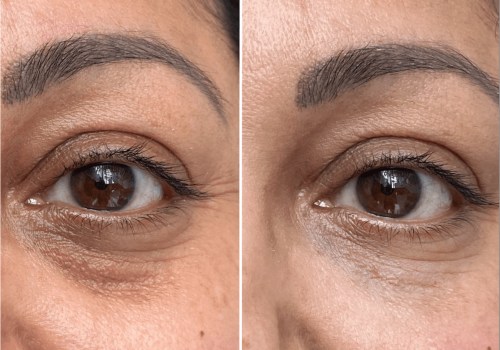
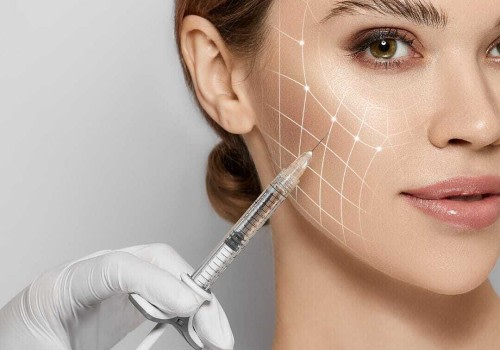
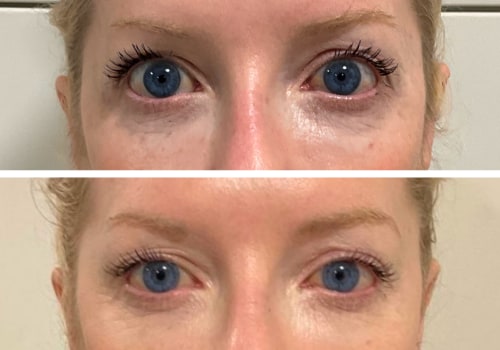
In the realm of cosmetic treatments, polynucleotide injections have emerged as a revolutionary option for enhancing the delicate skin under the eyes. These injections utilise polynucleotides, which are naturally occurring chains of nucleotides that play a vital role in cellular functions and tissue repair. By harnessing the regenerative properties of these molecules, practitioners aim to rejuvenate the skin, improve its texture, and combat signs of ageing, such as fine lines and dark circles.The primary appeal of polynucleotide injections lies in their ability to stimulate collagen and elastin production, essential proteins that maintain skin elasticity and firmness. As we age, the natural production of these proteins diminishes, leading to sagging skin and a loss of youthful appearance.
By introducing polynucleotides into the treatment area, patients can experience enhanced hydration and improved skin quality over time. This makes them an attractive alternative to traditional dermal fillers, which often provide immediate volume but may not address underlying skin health.Moreover, polynucleotide injections are particularly relevant for those seeking non-surgical solutions to enhance their appearance without the downtime associated with more invasive procedures. The treatment is minimally invasive, typically requiring only a few small injections under the eyes. Patients often report a quick recovery period with minimal side effects, making it an appealing choice for busy individuals looking to refresh their look.As with any cosmetic procedure, understanding the potential side effects is crucial for informed decision-making.
While polynucleotide injections are generally considered safe and effective, it is essential to be aware of possible reactions that may occur post-treatment. This knowledge empowers patients to manage their expectations and seek appropriate care if needed.
What Are Polynucleotides?
Polynucleotides are essential biological macromolecules composed of long chains of nucleotide units. Each nucleotide consists of three components: a nitrogenous base, a sugar molecule, and a phosphate group. These molecules play a crucial role in various biological processes, including the storage and transmission of genetic information, as well as the regulation of cellular activities.In the context of cosmetic procedures, particularly polynucleotide injections, understanding their definition and sources is vital.Polynucleotides are primarily derived from natural sources, with the most common being fish DNA, particularly from species such as salmon and trout. This natural origin is significant as it ensures that the polynucleotides used in aesthetic treatments are biocompatible and safe for human use.The biological significance of polynucleotides extends beyond their structural role in DNA and RNA. They are involved in cellular repair mechanisms, promoting healing and regeneration. When injected into the skin, particularly under the eyes, polynucleotides stimulate fibroblast activity, which leads to increased collagen and elastin production.
This process enhances skin elasticity and firmness, addressing common concerns such as fine lines and sagging skin.Moreover, polynucleotides have been shown to improve hydration levels in the skin by attracting water molecules, thereby contributing to a more youthful appearance. Their ability to promote cellular regeneration makes them an attractive option for individuals seeking non-surgical aesthetic enhancements.In summary, polynucleotides are vital components of life that serve multiple functions within biological systems. Their natural sources and regenerative properties make them a valuable asset in cosmetic treatments aimed at rejuvenating the skin.
How Polynucleotide Injections Work
Polynucleotide injections are a cutting-edge treatment in the realm of aesthetic medicine, primarily aimed at rejuvenating the skin, particularly in delicate areas such as under the eyes. Understanding how these injections work is essential for appreciating their benefits and potential side effects.Mechanism of Action
At the core of polynucleotide therapy is the use of polynucleotides, which are chains of nucleotides that serve as the building blocks of DNA and RNA.
When injected into the skin, these polynucleotides stimulate a series of biological processes that promote healing and rejuvenation. The primary mechanism involves:
- Cellular Regeneration: Polynucleotides activate fibroblasts, the cells responsible for producing collagen and elastin. This activation leads to an increase in these vital proteins, which are crucial for maintaining skin elasticity and firmness.
- Enhanced Blood Flow: The introduction of polynucleotides increases local blood circulation, which not only delivers essential nutrients to the skin but also aids in the removal of waste products. Improved blood flow can enhance overall skin tone and texture.
- Anti-Inflammatory Effects: Polynucleotides possess anti-inflammatory properties that help to reduce swelling and redness post-injection.
This is particularly beneficial in sensitive areas like under the eyes, where inflammation can be more pronounced.
Skin Rejuvenation
The rejuvenating effects of polynucleotide injections extend beyond mere hydration. By promoting collagen synthesis and improving skin structure, these injections can effectively address various skin concerns such as:
- Fine Lines and Wrinkles: As collagen production increases, the appearance of fine lines and wrinkles diminishes, leading to a smoother complexion.
- Skin Texture: Enhanced elastin levels contribute to improved skin texture, making it feel firmer and more youthful.
- Dark Circles: By revitalising the skin under the eyes, polynucleotide injections can help reduce the appearance of dark circles, giving a more refreshed look.
Common Side Effects of Polynucleotide Injections
Polynucleotide injections, particularly in the delicate area under the eyes, can lead to a variety of side effects. Understanding these potential reactions is crucial for anyone considering this treatment, as it helps set realistic expectations and prepares patients for what to anticipate post-procedure.One of the most common side effects is redness at the injection site.This occurs as a natural response to the needle and the polynucleotide solution being introduced into the skin. The redness typically subsides within a few hours to a day, depending on individual skin sensitivity. To alleviate this, applying a cold compress can be beneficial.
Swelling
is another frequent reaction following polynucleotide injections. This localized inflammation is part of the body’s healing process, where increased blood flow and fluid accumulation help stimulate cell activity and collagen production.
Swelling usually resolves within a couple of days and can be managed with gentle care and hydration.Additionally, some patients may experience bruising. This occurs when small blood vessels are inadvertently damaged during the injection process, leading to temporary discoloration. Bruising is more common in individuals with sensitive skin or those prone to bruising easily. Typically, these bruises fade within a week, and their appearance can be minimised by avoiding anticoagulants prior to treatment.While less common, allergic reactionsallergic reactions can occur in response to the components of polynucleotides, such as fish DNA.
Symptoms may include itching, swelling, or increased redness. If any signs of an allergic reaction are observed, it is essential to consult a healthcare professional promptly.In rare cases, patients might develop granulomas , which are small lumps that form as an immune response to what the body perceives as foreign material. These may appear weeks or even months after treatment and can sometimes require medical intervention.Lastly, although extremely rare, there is a risk of vascular occlusion , where an injection inadvertently blocks a blood vessel. This serious condition can lead to tissue damage if not addressed immediately.
Signs include increased pain and discoloration around the area.Overall, while polynucleotide injections are generally safe and well-tolerated, being aware of these common side effects allows patients to approach their treatment with informed confidence.
Detailed Analysis of Side Effects
Understanding the potential side effects of polynucleotide injections is crucial for anyone considering this treatment, especially in the delicate under-eye area. Below, we delve into the most common side effects, their causes, duration, and management strategies.Redness
Redness at the injection site is a typical response following polynucleotide injections. This occurs due to the skin's reaction to both the needle and the injected substance. The introduction of polynucleotides increases blood flow to the area, which can temporarily enhance skin colour.Generally, this redness subsides within a few hours to a day, depending on individual skin sensitivity.To alleviate redness, applying a cold compress can be beneficial. This helps to calm the skin and reduce inflammation more quickly.
Swelling
Mild swelling is another common side effect that arises as the body adjusts to the injection and begins its healing process. This localized inflammation is part of the body's natural response, where increased fluid and blood flow promote cell activity and collagen stimulation. Typically, swelling diminishes within one to two days.To manage swelling effectively, it is advisable to keep the treated area clean and hydrated.Gentle care during this period can significantly aid in reducing swelling.
Allergic Reactions
Although rare, allergic reactions can occur in response to polynucleotide injections, particularly if an individual has a sensitivity to components such as fish DNA. Symptoms may include itching, swelling, and redness around the injection site. If an allergic reaction is suspected, it is essential to consult a healthcare professional immediately for appropriate treatment.Hematomas
Hematomas or bruising may develop due to minor injuries to blood vessels during the injection process. This is particularly common in areas with thinner skin, such as under the eyes.Bruising typically resolves within a week as the body breaks down accumulated blood cells beneath the skin.To minimise bruising risk, patients are advised to avoid anticoagulant substances before treatment. Additionally, topical treatments like arnica gel or vitamin K cream can expedite healing.
Infection
The risk of infection post-injection is low but not negligible. Infections can occur if bacteria enter through the injection site, leading to symptoms such as swelling, heat, and increased pain. To prevent infection, it is vital that sterile techniques are employed during the procedure and that patients follow post-injection care instructions diligently.If signs of infection appear, such as persistent pain or unusual discharge from the injection site, seeking medical attention promptly is crucial for effective management.Rare but Serious Side Effects
While the majority of patients experience only mild side effects from polynucleotide injections, it is crucial to be aware of the rare but serious side effects that can occur.Understanding these risks is essential for anyone considering this treatment, particularly in sensitive areas such as under the eyes.
Vascular Occlusion
One of the most concerning potential complications associated with polynucleotide injections is vascular occlusion. This occurs when the injected material inadvertently enters a blood vessel, leading to a blockage that restricts blood flow to the surrounding tissues. The consequences of vascular occlusion can be severe, resulting in tissue damage if not addressed promptly.Signs of vascular occlusion may include:- Increased pain in the treated area
- Discoloration , which may appear as a pale or bluish hue
- Coldness around the injection site, indicating reduced blood flow
Granulomas
Another rare but significant side effect is the formation of granulomas.These are small, firm lumps that can develop as an immune response to the injected polynucleotides. The body may perceive the injected material as foreign, leading to localized inflammation and the formation of these nodules. Granulomas can appear weeks or even months after treatment.While granulomas are generally harmless and may resolve on their own, they can be concerning for patients. In some cases, treatment options such as corticosteroid injections may be recommended to reduce their size and alleviate any discomfort.It is essential for patients to discuss these potential risks with their healthcare provider before undergoing polynucleotide injections.
A thorough understanding of both common and rare side effects will enable individuals to make informed decisions about their treatment options and ensure they are prepared for any eventualities.
Who Should Consider Polynucleotide Injections?
Polynucleotide injections have gained popularity in the realm of aesthetic treatments, particularly for rejuvenating the delicate skin under the eyes. However, not everyone is an ideal candidate for this procedure. Understanding who should consider these injections and who should avoid them is crucial for achieving optimal results and minimising potential complications.Ideal Candidates for Polynucleotide Injections
Individuals who are generally healthy and seeking to improve the appearance of their under-eye area may find polynucleotide injections to be a suitable option. The following groups are often considered ideal candidates:- Those with Fine Lines and Wrinkles: Individuals experiencing early signs of ageing, such as fine lines and wrinkles around the eyes, can benefit from the collagen-boosting properties of polynucleotides.
- People with Thinning Skin: As skin loses elasticity and thickness with age, polynucleotide injections can help restore volume and improve skin texture.
- Patients with Dark Circles: Those struggling with dark circles may find that polynucleotides enhance skin quality, leading to a more refreshed appearance.
- Individuals Seeking Natural Results: For those who prefer a more natural approach to aesthetic treatments, polynucleotides stimulate the body’s own healing processes, making them an appealing choice.
Who Should Avoid Treatment?
While many can benefit from polynucleotide injections, certain individuals should exercise caution or avoid the treatment altogether:- Pregnant or Nursing Women: Due to limited research on the effects of polynucleotides during pregnancy and lactation, it is advisable for these individuals to refrain from treatment.
- Those with Active Infections: Individuals with existing infections in the facial area should postpone treatment until they have fully recovered to prevent complications.
- People with Allergies: Those who have known allergies to components found in polynucleotides, such as fish DNA, should avoid this treatment to prevent adverse reactions.
- Individuals on Blood Thinners: Patients taking anticoagulant medications may experience increased bruising and swelling; thus, they should consult their healthcare provider before proceeding.
Skin Types and Sensitivities
The suitability of polynucleotide injections can also depend on an individual’s skin type and sensitivity.Those with sensitive skin may experience heightened reactions post-treatment, such as redness or swelling. It is essential for these individuals to discuss their skin concerns with a qualified practitioner who can tailor the treatment approach accordingly. Additionally, people with conditions like eczema or psoriasis should consult their dermatologist before considering polynucleotide injections.In summary, while polynucleotide injections offer promising benefits for many individuals looking to enhance their under-eye area, it is vital to assess personal health conditions and skin sensitivities. Consulting with a qualified medical professional can help determine if this treatment aligns with one’s aesthetic goals and health profile.
Post-Injection Care and Precautions
After receiving polynucleotide injections under the eyes, proper post-injection care is crucial for minimising side effects and enhancing the overall results of the treatment.Here are some essential tips and precautions to follow:
- Apply Cold Compresses: Immediately after the procedure, applying a cold compress can help reduce swelling and redness. This should be done gently and for short intervals to avoid excessive pressure on the treated area.
- Avoid Touching the Area: It is vital to refrain from touching or rubbing the injection site for at least 24 hours. This helps prevent irritation and reduces the risk of infection.
- Stay Hydrated: Drinking plenty of water post-treatment can aid in recovery. Hydration supports skin health and helps flush out any toxins that may have been introduced during the injection process.
- Limit Physical Activity: For the first 24 to 48 hours, it is advisable to avoid strenuous exercise or activities that may increase blood flow to the face.
This can help minimise swelling and bruising.
- Avoid Heat Exposure: Steer clear of saunas, hot baths, or direct sunlight for at least a week following your injections. Heat can exacerbate swelling and redness, prolonging recovery time.
- Use Gentle Skincare Products: After treatment, opt for mild, non-irritating skincare products. Avoid exfoliants, retinoids, or any harsh chemicals that could irritate the sensitive skin around your eyes.
- Monitor for Allergic Reactions: While rare, be vigilant for signs of an allergic reaction such as increased redness, itching, or swelling. If these symptoms persist or worsen, consult your healthcare provider immediately.
- Follow-Up Appointments: Attend any scheduled follow-up appointments with your practitioner.
They can assess your recovery and address any concerns you may have regarding side effects.
Frequently Asked Questions About Polynucleotide Injections
Polynucleotide injections have gained popularity in aesthetic treatments, particularly for rejuvenating the delicate skin under the eyes. However, many potential patients have questions and concerns regarding the procedure.Below are some frequently asked questions that can help clarify common uncertainties.
What are polynucleotides?
Polynucleotides are naturally occurring molecules composed of long chains of nucleotides, which are the building blocks of DNA and RNA. In aesthetic medicine, they are used to stimulate skin regeneration and improve overall skin quality by promoting collagen and elastin production.Are polynucleotide injections safe?
Generally, polynucleotide injections are considered safe when performed by qualified professionals. The risk of serious side effects is low, especially when proper techniques and sterile conditions are maintained. However, as with any medical procedure, there are potential risks involved.What side effects can I expect?
Common side effects include:- Redness: A natural response to the injection, usually subsiding within a few hours to a day.
- Swelling: Mild swelling may occur as part of the body’s healing process and typically resolves within a couple of days.
- Bruising: Minor bruising can happen due to small blood vessel damage during the injection.
- Itching or tenderness: Some patients may experience mild discomfort in the treated area.
- Lumps or bumps: Small nodules may form but usually resolve on their own.
How long do the effects last?
The results from polynucleotide injections can be long-lasting, often improving over time as collagen production increases.While individual experiences may vary, many patients report sustained benefits for several months following treatment.
What precautions should I take before and after treatment?
To minimise risks, it is advisable to:- Avoid blood-thinning medications or supplements prior to treatment.
- Follow post-treatment care instructions provided by your practitioner diligently.
- Avoid strenuous activities and excessive sun exposure for a few days after the procedure.
Conclusion: Weighing the Benefits Against the Risks
In conclusion, the decision to undergo polynucleotide injections under the eyes should be made with careful consideration of both the potential benefits and the associated risks. As highlighted throughout this article, polynucleotides offer a range of advantages, particularly in enhancing skin quality and promoting natural healing processes. These injections can significantly improve the appearance of fine lines, wrinkles, and overall skin texture, making them an appealing option for those seeking non-surgical aesthetic enhancements.However, it is crucial to acknowledge that, like any cosmetic procedure, polynucleotide injections are not without their side effects. Common reactions such as redness , swelling , and bruising are typically mild and temporary, but they can still cause concern for some individuals.More serious complications, although rare, such as allergic reactions or vascular occlusion, underscore the importance of choosing a qualified practitioner who is experienced in administering these treatments.Before proceeding with polynucleotide injections, patients should engage in thorough discussions with their healthcare providers. This dialogue should encompass not only the expected outcomes but also a comprehensive overview of potential side effects and how to manage them effectively. Understanding one’s own skin type and any pre-existing conditions is vital in assessing suitability for this treatment.Ultimately, the key to a successful outcome lies in balancing the desire for aesthetic improvement with an informed understanding of the risks involved. By weighing these factors carefully, individuals can make empowered decisions that align with their personal goals and health considerations.In summary, while polynucleotide injections present a promising avenue for rejuvenating the delicate skin under the eyes, it is essential to approach this treatment with realistic expectations and a clear understanding of both its benefits and potential drawbacks.