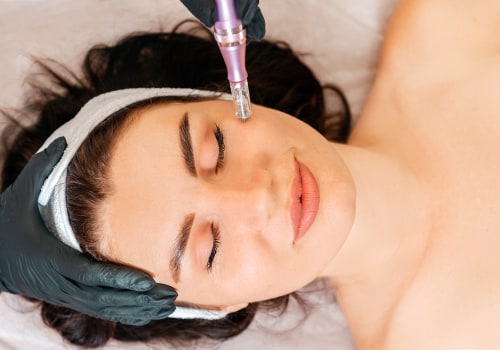
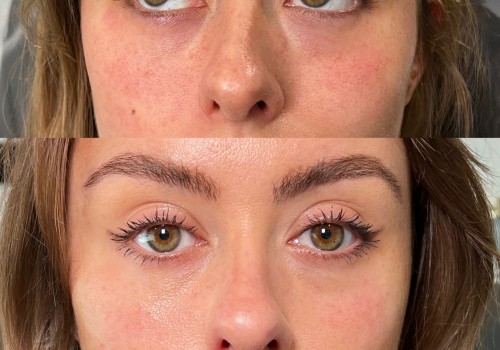
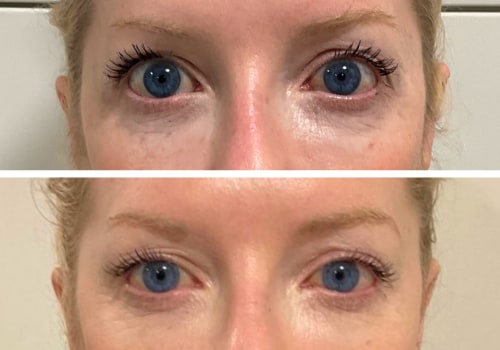
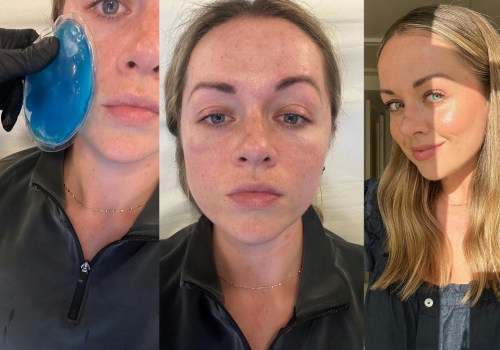
Polynucleotides are naturally occurring biopolymers that play a crucial role in cellular processes, particularly in the realm of skin rejuvenation. Composed of long chains of nucleotides, these compounds are essential for various biological functions, including DNA and RNA synthesis. In recent years, polynucleotides have gained significant attention in the field of aesthetic medicine due to their remarkable ability to stimulate collagen production and enhance skin elasticity. This makes them a valuable tool for those seeking to improve their skin's appearance and combat the signs of ageing.The benefits of polynucleotides extend beyond mere cosmetic enhancements.
They possess powerful regenerative properties that can aid in tissue repair and promote overall skin health. When injected into targeted areas, polynucleotides work at a cellular level to rejuvenate the skin, leading to improved texture, hydration, and a more youthful glow. As a result, many individuals are turning to polynucleotide treatments as a non-surgical alternative to traditional cosmetic procedures.Understanding the frequency of polynucleotide treatments is essential for achieving optimal results. While some may experience immediate improvements post-treatment, the full effects typically manifest over several weeks as collagen production ramps up.
Therefore, it is recommended to undergo an initial series of treatments followed by maintenance sessions to sustain the rejuvenating effects. This structured approach not only maximises the benefits but also ensures that the skin remains vibrant and healthy over time.
What Are Polynucleotides?
Polynucleotides are naturally occurring biopolymers composed of nucleotide monomers, which are the building blocks of nucleic acids such as DNA and RNA. These molecules play a crucial role in various biological processes, including cellular repair, regeneration, and communication. In the context of skin health and rejuvenation, polynucleotides have garnered significant attention due to their ability to stimulate collagen production and enhance tissue repair.How Polynucleotides Work
Polynucleotides function by promoting cellular activity at a molecular level.
When introduced into the skin through injections, they interact with fibroblasts—cells responsible for producing collagen and elastin. This interaction triggers a cascade of biological responses that lead to increased collagen synthesis, improved skin elasticity, and enhanced hydration. As a result, the skin appears more youthful and revitalised.Moreover, polynucleotides possess anti-inflammatory properties that can help reduce redness and irritation in the skin. This makes them particularly beneficial for individuals with sensitive or reactive skin types.
By modulating the inflammatory response, polynucleotides contribute to a more balanced and healthy skin environment.
Types of Polynucleotides
There are several types of polynucleotides used in aesthetic treatments, each with unique properties:
- Deoxyribonucleic Acid (DNA): Often derived from salmon sperm, DNA polynucleotides are known for their powerful regenerative capabilities. They help in repairing damaged tissues and enhancing overall skin texture.
- Ribonucleic Acid (RNA): RNA polynucleotides play a vital role in protein synthesis and cellular function. They are effective in promoting cellular turnover and rejuvenation.
- Oligonucleotides: These shorter chains of nucleotides can be synthetically produced and tailored for specific therapeutic effects. They are often used in targeted treatments to address particular skin concerns.
Their ability to enhance collagen production, reduce inflammation, and promote cellular repair makes them an invaluable tool in modern aesthetic medicine.
The Benefits of Polynucleotide Treatments
Polynucleotide treatments have gained significant attention in the realm of aesthetic medicine, primarily due to their remarkable ability to rejuvenate the skin and enhance its overall appearance. These treatments harness the power of polynucleotides, which are naturally occurring molecules that play a crucial role in cellular regeneration and repair.One of the most notable benefits of polynucleotide treatments is their capacity to stimulate collagen production. Collagen is an essential protein that provides structure and elasticity to the skin. As we age, collagen levels naturally decline, leading to wrinkles, sagging, and a loss of firmness.By introducing polynucleotides into the skin, these treatments encourage fibroblasts—cells responsible for collagen synthesis—to increase their activity. This results in a gradual yet significant improvement in skin texture and elasticity.In addition to boosting collagen, polynucleotide treatments also promote skin rejuvenation through enhanced hydration. Polynucleotides have a unique ability to attract and retain moisture within the skin, which is vital for maintaining a plump and youthful appearance. This hydrating effect not only improves the skin's surface but also contributes to a more radiant complexion.Furthermore, polynucleotide treatments can aid in reducing inflammation and promoting healing.
This is particularly beneficial for individuals with sensitive or acne-prone skin, as it helps to calm irritation and accelerate recovery from blemishes. The anti-inflammatory properties of polynucleotides can lead to a more even skin tone and texture over time.Another advantage of these treatments is their versatility. They can be used on various areas of the body, including the face, neck, and décolletage, making them suitable for comprehensive rejuvenation. Patients often report not only visible improvements in their skin but also an overall boost in confidence as they witness their skin transform.In summary, polynucleotide treatments offer a multifaceted approach to skincare by enhancing collagen production, improving hydration, reducing inflammation, and providing overall rejuvenation.
As more individuals seek effective solutions for aging skin, these treatments stand out as a promising option for achieving lasting results.
How Often Should You Top Up on Polynucleotides?
When considering polynucleotide treatments, understanding the optimal frequency for topping up is crucial for achieving and maintaining desired results. The treatment process typically begins with an initial series of sessions designed to stimulate collagen production and rejuvenate the skin.Initial Treatment Cycle
- Most practitioners recommend starting with a cycle of two to three treatments.
- These sessions should be spaced approximately two to four weeks apart to allow the skin to respond effectively to the polynucleotides.
- This initial phase is essential as it lays the groundwork for long-term benefits, enhancing skin elasticity and overall appearance.
Maintenance Schedule
- A refill treatment is typically recommended every six to twelve months. This helps sustain the rejuvenating effects achieved during the initial treatments.
- Some individuals may find that a top-up every six months is sufficient, while others may prefer to wait closer to twelve months, depending on their skin's response and personal preferences.
- It’s important to note that while some improvements may be visible shortly after treatment, the full effects of polynucleotide therapy often take several weeks to manifest, with optimal results usually seen around three months post-treatment.
Factors Influencing Treatment Frequency
The frequency of polynucleotide treatments can also be influenced by various factors:
- Age: Older patients may require more frequent treatments due to natural declines in collagen production.
- Skin Condition: Those with specific skin concerns or conditions may need a tailored approach, potentially increasing the frequency of sessions.
- Lifestyle Factors: Environmental stressors and lifestyle choices can impact skin health, necessitating more regular maintenance.
This ensures that you achieve the best possible outcomes from your polynucleotide treatments while maintaining healthy skin over time.
Initial Treatment Cycle: What to Expect
The initial treatment cycle for polynucleotides is a crucial phase in achieving optimal skin rejuvenation and revitalisation. Typically, this cycle consists of two to three treatment sessions, each spaced approximately two to four weeks apart. This schedule allows the body to respond effectively to the injections, promoting collagen production and enhancing skin elasticity.During the first session, a local anaesthetic cream is applied to minimise discomfort. The practitioner then administers the polynucleotide injections into targeted areas of the face or neck.Patients can expect some immediate hydration and plumping effects due to the hyaluronic acid content in the formulation; however, the most significant benefits will manifest over time as the treatment stimulates cellular activity.
What to Expect After Each Session
- Session One: Initial improvements may be noticeable within a few days, but full effects will take longer to develop. Patients often report a subtle glow and improved skin texture.
- Session Two: By this stage, collagen synthesis is underway, and patients may observe enhanced firmness and elasticity in their skin. The rejuvenating effects become more pronounced as the treatment progresses.
- Session Three (if applicable): If a third session is included, it serves to further amplify results. Many patients find that their skin appears significantly more youthful and revitalised after this final treatment.
This delayed response is due to the gradual nature of collagen regeneration and skin healing processes.After completing the initial treatment cycle, it is advisable to schedule maintenance sessions every six to twelve months. These follow-up treatments help sustain the rejuvenating effects achieved during the initial phase, ensuring that your skin remains vibrant and youthful over time.In summary, embarking on an initial treatment cycle for polynucleotides involves a commitment to multiple sessions that work synergistically to enhance skin quality. With patience and adherence to the recommended schedule, patients can look forward to long-lasting improvements in their skin's appearance.
Maintenance Treatments: Keeping Your Skin Rejuvenated
After completing the initial treatment cycle of polynucleotides, which typically consists of two to three sessions spaced two to four weeks apart, it is crucial to consider maintenance treatments. These follow-up sessions are essential for preserving the rejuvenating effects achieved during the initial phase.The skin's response to polynucleotides is gradual, with optimal results often becoming apparent several months after the final treatment. Therefore, a structured maintenance plan is vital for sustaining these benefits over time.
Recommended Maintenance Schedule
- After the initial treatment cycle, it is advisable to schedule a maintenance session every 6 to 12 months. This interval allows the skin to continue benefiting from the stimulating effects of polynucleotides while preventing any regression in collagen production.
- For those who desire to maintain their results more frequently, treatments can be administered every 6 to 9 months. This approach may be particularly beneficial for individuals with specific skin concerns or those who have experienced significant improvements and wish to prolong them.
As such, patience is key when undergoing this type of skin rejuvenation. The cellular-level action of polynucleotides means that results can take time to fully develop, often peaking around three months after treatment.
Annual Recharge Treatments
In addition to regular maintenance sessions, an annual recharge treatment is recommended. This involves a more intensive session designed to boost collagen production and enhance skin elasticity further. The annual recharge serves as a reset for your skin, ensuring that the rejuvenation process remains active and effective.Ultimately, the frequency of maintenance treatments should be tailored to individual skin types and concerns.
Consulting with a qualified practitioner can help determine the most suitable schedule for your needs, ensuring that your skin remains vibrant and youthful for years to come.
Understanding the Timeline for Results
When considering polynucleotide treatments, understanding the timeline for results is crucial for setting realistic expectations. Unlike some cosmetic procedures that offer immediate gratification, the benefits of polynucleotides unfold gradually, requiring both patience and commitment.Initially, after your first treatment, you may start to notice subtle improvements within a few weeks. However, these early signs are just the beginning of a more profound transformation. The true magic of polynucleotides lies in their ability to stimulate collagen production and enhance skin rejuvenation at a cellular level.This process takes time, and while some individuals might see initial changes as early as two to three weeks post-treatment, the full effects typically manifest around three months later.To optimise results, a series of treatments is often recommended. Most practitioners suggest undergoing two to three sessions spaced two to four weeks apart. This approach allows the skin to respond effectively to the polynucleotides, maximising collagen synthesis and overall skin health.Once the initial series of treatments is completed, maintenance becomes essential for sustaining the results achieved. A follow-up treatment is generally advised every six to twelve months.
This annual recharge helps to maintain collagen levels and prolong the rejuvenating effects of the initial treatments.It’s important to note that while some patients may experience visible improvements sooner, others might find that their skin continues to improve over several months following their last session. This delayed gratification can be a challenge for those seeking immediate results; however, it is this gradual enhancement that often leads to more natural-looking outcomes.In summary, while polynucleotide treatments require a commitment of time and patience, the long-term benefits can be well worth the wait. By adhering to the recommended treatment schedule and maintenance plan, you can enjoy sustained improvements in skin texture and appearance.
Potential Side Effects and Considerations
While polynucleotide treatments are generally considered safe and effective for skin rejuvenation, it is essential for prospective patients to be aware of potential side effects and risks associated with the procedure. Understanding these factors can help individuals make informed decisions about their treatment options.Common Side Effects
- Swelling: It is common to experience some degree of swelling at the injection site.
This usually subsides within a few days but can vary depending on individual sensitivity.
- Bruising: Minor bruising may occur due to the injection process. This is typically temporary and resolves within a week.
- Pain or Discomfort: Some patients report mild pain or discomfort during and after the treatment. This can often be managed with over-the-counter pain relief.
- Redness: Temporary redness at the injection site is also a common reaction, which usually fades quickly.
Less Common Risks
- Infection: As with any injectable treatment, there is a risk of infection. Ensuring that the procedure is performed in a sterile environment by a qualified professional can mitigate this risk.
- Allergic Reactions: Although rare, some individuals may experience allergic reactions to the components of the polynucleotide solution.
It is crucial to discuss any known allergies with your practitioner prior to treatment.
- Nodules or Lumps: In some cases, patients may develop small nodules or lumps at the injection site. These are usually harmless but should be monitored by a healthcare provider.
Patient Considerations
Before undergoing polynucleotide treatments, it is vital for patients to consider their medical history and any underlying conditions that may affect their suitability for the procedure. Individuals with certain autoimmune disorders or skin conditions should consult with their healthcare provider to assess potential risks.Additionally, discussing expectations and desired outcomes with a qualified practitioner can help ensure that patients have realistic goals for their treatment. A thorough consultation will allow for an assessment of individual skin types and conditions, leading to a tailored approach that maximises benefits while minimising risks.In conclusion, while polynucleotide treatments offer promising results in skin rejuvenation, being aware of potential side effects and engaging in open communication with healthcare professionals can significantly enhance the overall experience and outcomes for patients.
FAQs About Polynucleotide Treatments
Polynucleotide treatments have gained popularity in recent years, leading to numerous questions from potential patients.Below are some of the most frequently asked questions regarding the frequency and effectiveness of these treatments.
How often should I receive polynucleotide treatments?
For optimal results, it is generally recommended to undergo a series of polynucleotide treatments initially. Most practitioners suggest starting with two to three sessions, spaced approximately two to four weeks apart. This initial phase allows for adequate stimulation of collagen production and skin rejuvenation.What is the recommended maintenance schedule?
After completing the initial treatment cycle, a maintenance session is typically advised every six to twelve months. This helps sustain the rejuvenating effects achieved during the initial treatments.Some patients may find that they prefer to have a refill treatment every six to nine months, depending on their individual skin condition and aesthetic goals.
When will I see results from polynucleotide treatments?
While some improvements may be noticeable shortly after treatment, the full benefits of polynucleotide therapy usually manifest over a period of several weeks to months. Most patients begin to see significant changes around three months post-treatment, as collagen production continues to enhance skin texture and elasticity.Are there any side effects associated with polynucleotide treatments?
As with any cosmetic procedure, there can be side effects. Commonly reported issues include mild swelling, redness, or bruising at the injection site. These effects are typically temporary and resolve within a few days.It is essential to discuss any concerns with your practitioner prior to treatment.
Can I combine polynucleotide treatments with other procedures?
Yes, many patients choose to combine polynucleotide treatments with other aesthetic procedures such as dermal fillers or Botox for enhanced results. However, it is crucial to consult with your healthcare provider to create a tailored treatment plan that addresses your specific needs and goals.If you have further questions or concerns about polynucleotide treatments, it is advisable to consult with a qualified practitioner who can provide personalised advice based on your skin type and desired outcomes.Conclusion: The Importance of Regular Polynucleotide Treatments for Skin Health
In conclusion, the significance of regular polynucleotide treatments cannot be overstated when it comes to maintaining optimal skin health. As we have explored throughout this article, these treatments offer a unique approach to skin rejuvenation by stimulating collagen production and enhancing overall skin quality.To recap, the recommended protocol for polynucleotide treatments typically involves an initial series of two to three sessions, spaced two to four weeks apart. This initial phase is crucial as it lays the foundation for long-lasting results.Following this, a maintenance treatment is advised every six to twelve months to ensure that the benefits are sustained over time.One of the key advantages of polynucleotides is their ability to work at a cellular level, promoting natural healing and regeneration. However, it is important to note that the full effects may not be immediately visible. While some improvements can be observed within a few weeks, the most significant results often manifest after two to three months. This gradual enhancement is a testament to the treatment's efficacy and underscores the need for patience and commitment.Moreover, unlike traditional dermal fillers that provide instant results, polynucleotide treatments require a more strategic approach.
The initial waiting period may seem daunting, but the long-term benefits—such as improved skin elasticity, reduced fine lines, and an overall youthful appearance—are well worth the wait.In summary, adhering to a structured treatment plan that includes both initial sessions and regular maintenance is essential for achieving and preserving the desired outcomes. By prioritising these treatments, individuals can significantly enhance their skin health and enjoy a radiant complexion for years to come.