In the realm of aesthetic treatments, polynucleotides have emerged as a groundbreaking innovation, capturing the attention of both practitioners and patients alike. These naturally occurring molecules play a pivotal role in cellular processes, particularly in the rejuvenation and repair of skin tissues. As we age, our skin undergoes various changes, including loss of elasticity, hydration, and overall vitality. This is where polynucleotide treatments come into play, offering a promising solution for those seeking to enhance their skin's appearance and health.Polynucleotides are essentially chains of nucleotides, which are the building blocks of DNA and RNA.
In aesthetic medicine, they are harnessed for their ability to stimulate cellular regeneration and promote healing. Unlike traditional dermal fillers that provide immediate volume and contouring effects, polynucleotide injectables work by encouraging the body’s natural processes to restore skin quality over time. This unique mechanism not only improves skin texture but also enhances hydration levels and promotes a more youthful glow.The significance of polynucleotide treatments lies in their multifaceted approach to skin rejuvenation. They can be particularly beneficial for individuals looking to address fine lines, wrinkles, and overall skin laxity without the need for invasive procedures.
As we delve deeper into the science behind these treatments, it becomes essential to understand not only how they function but also the expected timeline for visible results. This knowledge empowers patients to make informed decisions about their aesthetic journeys.
What Are Polynucleotides?
Polynucleotides are essential biomolecules that play a critical role in the functioning of all living organisms. They are long chains of nucleotides, which are the basic building blocks of DNA and RNA. Each nucleotide consists of three components: a phosphate group, a sugar molecule, and a nitrogenous base.The sequence and arrangement of these nucleotides determine the genetic information carried by the polynucleotide.In the context of skincare and aesthetic treatments, polynucleotides are derived from natural sources, often extracted from salmon DNA or other marine organisms. This makes them biocompatible and safe for use in various cosmetic procedures. Their primary function is to stimulate cellular activity, promoting healing and regeneration within the skin.There are two main types of polynucleotides used in aesthetic treatments:
- Deoxyribonucleic Acid (DNA): This type is primarily associated with cellular repair and regeneration. It helps to enhance skin elasticity and hydration by encouraging the production of collagen and elastin.
- Ribonucleic Acid (RNA): RNA polynucleotides play a vital role in protein synthesis and cellular communication.
They help to improve skin texture and tone by facilitating the delivery of essential nutrients to skin cells.
Their unique composition and ability to promote cellular regeneration make them a valuable addition to modern skincare regimens.
How Do Polynucleotides Work on the Skin?
Polynucleotides are gaining recognition in the field of aesthetic treatments due to their remarkable ability to rejuvenate the skin. Understanding how these compounds work is essential for appreciating their benefits and the transformative effects they can have on your complexion.At the core of polynucleotides' effectiveness is their role in stimulating the body’s natural healing processes. When injected into the skin, they act as a catalyst for cellular regeneration. This process begins with the activation of fibroblasts, which are crucial cells responsible for producing collagen and elastin—two proteins that provide structure and elasticity to the skin.Mechanism of Action
The mechanism through which polynucleotides operate can be broken down into several key stages:
- Cellular Repair: Polynucleotides promote cellular repair by enhancing the proliferation of fibroblasts.
This leads to an increase in collagen synthesis, which is vital for maintaining skin firmness and reducing the appearance of fine lines and wrinkles.
- Hydration: Another significant benefit of polynucleotides is their ability to improve skin hydration. They attract water molecules, helping to maintain moisture levels within the skin. This hydration not only plumps up the skin but also contributes to a more youthful appearance.
- Anti-Inflammatory Properties: Polynucleotides possess anti-inflammatory properties that can help soothe irritated skin. By reducing inflammation, they create an optimal environment for healing and rejuvenation.
Unlike traditional fillers that provide immediate volume, polynucleotides work gradually, allowing for a more natural enhancement that evolves as your skin heals and regenerates.In summary, polynucleotides function by stimulating collagen production, enhancing hydration, and reducing inflammation. This multifaceted approach not only rejuvenates the skin but also promotes long-term health and vitality, making them a valuable addition to any aesthetic treatment regimen.
Factors Influencing the Effectiveness of Polynucleotide Treatments
When considering the effectiveness of polynucleotide treatments, it is crucial to understand that several factors can significantly influence the results. These factors can vary from one individual to another, making it essential to set realistic expectations before undergoing treatment.1.Individual Skin Type
- Skin Texture: Different skin types—such as oily, dry, or combination—can respond differently to polynucleotide treatments. For instance, individuals with dry skin may experience quicker hydration and plumping effects compared to those with oily skin.
- Age: The age of the patient plays a vital role in how the skin responds to treatments.
Younger skin may regenerate and respond more rapidly than older skin, which may have diminished elasticity and slower healing processes.
- Skin Conditions: Pre-existing skin conditions, such as eczema or rosacea, can also affect treatment outcomes. Those with compromised skin barriers may require additional care and time for visible results.
2.Treatment Variations
- Concentration of Polynucleotides: The concentration of polynucleotides used in the treatment can impact effectiveness. Higher concentrations may yield faster results but should be administered by a qualified professional to avoid adverse effects.
- Injection Technique: The skill and technique of the practitioner are paramount. An experienced injector will know how to administer the treatment optimally, ensuring even distribution and maximising absorption.
- Combination Therapies: Sometimes, polynucleotides are used in conjunction with other treatments, such as hyaluronic acid fillers or laser therapy. Sometimes, polynucleotides are used in conjunction with other treatments, such as hyaluronic acid fillers or laser therapy.
These combinations can enhance overall results but may also alter the timeline for visible improvements.
3.Post-Treatment Care
The aftercare following a polynucleotide treatment is equally important. Adhering to post-treatment guidelines provided by your practitioner can significantly influence recovery time and overall effectiveness. This includes avoiding sun exposure, refraining from strenuous exercise, and using recommended skincare products.In summary, while polynucleotide treatments offer promising results for skin rejuvenation, understanding these influencing factors is essential for managing expectations and achieving optimal outcomes.
Timeline for Results: When Can You Expect to See Changes?
Understanding the timeline for visible results from polynucleotide treatments is crucial for patients considering this innovative approach to skin rejuvenation. While individual experiences may vary, there are general patterns that can help set realistic expectations.Typically, patients begin to notice subtle changes within the first few weeks following their initial treatment.This early phase is often characterised by an increase in skin hydration and a slight improvement in texture. The polynucleotides work by stimulating the body’s natural healing processes, which can lead to a gradual enhancement of skin quality.
Weeks 1 to 4: Initial Changes
- Week 1: Immediately after treatment, some patients may experience mild swelling or redness at the injection sites, which usually subsides within a few days.
- Week 2: As the initial inflammation decreases, patients may start to feel their skin becoming more supple and hydrated.
- Week 3: By this time, some individuals report a noticeable improvement in skin elasticity and a reduction in fine lines.
- Week 4: The skin may appear more radiant, with an overall healthier glow as cellular regeneration begins to take effect.
Weeks 5 to 12: Significant Improvements
As the treatment progresses into the second month, more pronounced changes become evident:- Week 5-8: Patients often observe enhanced firmness and a reduction in deeper wrinkles. The skin continues to improve in texture and tone as collagen production ramps up.
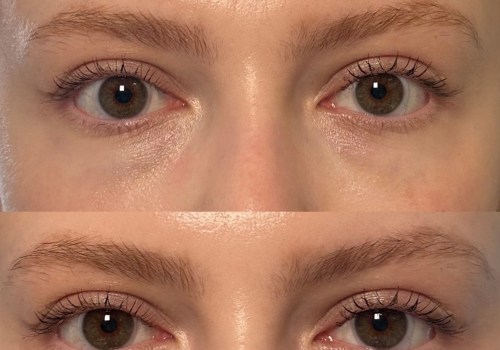
- Week 9-12: By the end of three months, significant improvements are typically visible. Many patients report smoother skin, improved hydration levels, and a more youthful appearance overall.
Additionally, the specific treatment protocol and the number of sessions can also influence the timeline for results. For optimal outcomes, it is advisable to follow your practitioner’s recommendations regarding follow-up treatments and maintenance sessions.In conclusion, while patience is required when undergoing polynucleotide treatments, the gradual yet significant improvements make it a worthwhile investment in your skincare journey.
Comparing Polynucleotides with Other Aesthetic Treatments
When considering aesthetic treatments, it is essential to understand the differences between various options available, particularly polynucleotides, dermal fillers, and Botox. Each treatment serves distinct purposes and offers unique benefits, making it crucial for individuals to choose the right one based on their specific skin concerns and desired outcomes.Polynucleotides vs. Dermal Fillers
- Mechanism of Action: Polynucleotides work by stimulating the body’s natural healing processes, promoting collagen production and skin regeneration.
In contrast, dermal fillers provide immediate volume and lift by physically filling in wrinkles and hollows.
- Longevity of Results: While dermal fillers can offer instant results that last from six months to two years depending on the product used, polynucleotides typically require a few weeks to show visible improvements. However, the results from polynucleotide treatments can last longer due to their regenerative effects on the skin.
- Skin Quality Improvement: Polynucleotides not only enhance hydration but also improve overall skin texture and elasticity over time. Dermal fillers primarily address volume loss without significantly improving skin quality.
Polynucleotides vs. Botox
- Target Areas: Botox is primarily used to relax facial muscles, reducing the appearance of dynamic wrinkles such as crow's feet and frown lines.
Polynucleotides, however, are more versatile in treating various skin concerns, including hydration and texture.
- Onset of Results: Botox typically shows results within a few days, while polynucleotides may take several weeks for noticeable changes. This delayed onset can be a disadvantage for those seeking immediate results.
- Natural Look: Many patients prefer polynucleotide treatments for their ability to enhance natural beauty without the 'frozen' look that can sometimes accompany Botox injections.
Patient Experiences: Testimonials and Case Studies
To truly understand the impact of polynucleotide treatments, it is essential to hear from those who have experienced the results firsthand. Patient testimonials and case studies provide invaluable insights into the effectiveness and satisfaction levels associated with these innovative aesthetic procedures.Real-Life Testimonials
- Sarah, 34: "After struggling with dull skin and fine lines, I decided to try polynucleotide injections.
I was initially sceptical about the time it would take to see results, but within just a few weeks, I noticed my skin felt more hydrated and plump. By the 12-week mark, my friends were asking what my secret was! The transformation has been remarkable, and I feel more confident than ever."
- James, 45: "I opted for polynucleotide treatments to address sagging skin around my jawline. Unlike other treatments I had tried in the past, this one worked gradually. I appreciated that it didn’t provide an instant effect but rather enhanced my skin’s natural appearance over time.
Now, six months later, I can see a significant improvement in firmness and texture."
- Emily, 29: "As someone with sensitive skin, I was worried about potential reactions. However, the polynucleotide treatment was gentle and effective. I started seeing changes within a month, and by three months, my skin looked revitalised. It’s like I’ve turned back the clock!"
Case Studies
In addition to personal testimonials, several case studies highlight the efficacy of polynucleotide treatments:
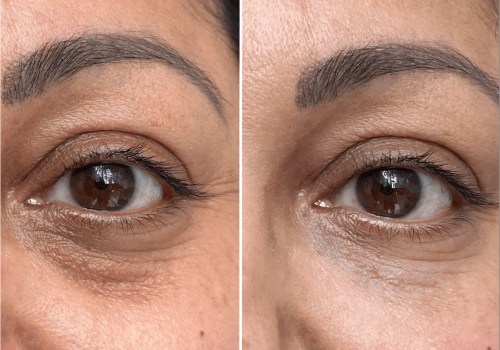
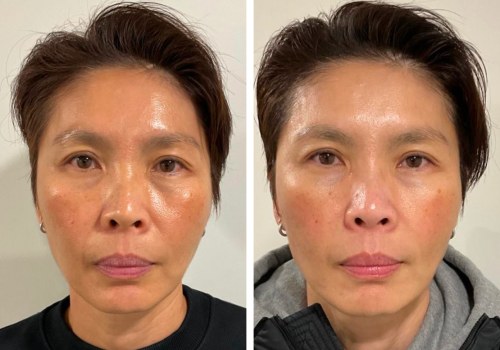
- Case Study 1: A 50-year-old female patient presented with significant signs of ageing, including deep wrinkles and loss of elasticity.
After a series of three polynucleotide sessions spaced four weeks apart, her skin showed a marked improvement in texture and hydration levels. Photographic evidence indicated a reduction in wrinkle depth by approximately 30% after six months.
- Case Study 2: A male patient aged 40 sought treatment for acne scars and uneven skin tone. Following a tailored regimen of polynucleotide injections combined with microneedling, he reported visible improvements in scar appearance and overall skin smoothness within eight weeks. By the end of the treatment plan, he expressed high satisfaction with his results.
As these testimonials illustrate, while results may take time to manifest fully, the long-term benefits are well worth the wait.
FAQs About Polynucleotide Treatments
As polynucleotide treatments gain popularity in the realm of aesthetic medicine, many potential patients find themselves with a myriad of questions. Below, we address some of the most frequently asked questions regarding these innovative treatments to help clarify common concerns and misconceptions.What are polynucleotides?
Polynucleotides are naturally occurring molecules that play a crucial role in cellular processes. In aesthetic treatments, they are used to stimulate skin regeneration and repair by promoting collagen production and enhancing hydration. This makes them particularly effective for improving skin texture and elasticity.How do polynucleotide treatments differ from other injectables?
Unlike traditional dermal fillers that provide immediate volume and contouring effects, polynucleotide treatments work gradually.They stimulate the body’s natural healing processes, leading to long-term improvements in skin quality rather than just temporary volume enhancement. This means that while results may take longer to appear, they tend to be more sustainable.
Are there any side effects associated with polynucleotide treatments?
As with any injectable treatment, there can be side effects. Commonly reported effects include mild swelling, redness, or bruising at the injection site. These symptoms typically resolve within a few days.It is essential to consult with a qualified practitioner who can assess your individual risk factors and provide guidance on what to expect.
How long does it take to see results from polynucleotide treatments?
Most patients begin to notice improvements within a few weeks following their initial treatment. However, optimal results are usually observed around the 12-week mark. This timeline can vary based on individual skin types and the specific areas being treated.How many sessions are required for optimal results?
The number of sessions needed can vary depending on individual goals and skin conditions. Typically, a series of two to three treatments spaced several weeks apart is recommended for best results.Your practitioner will tailor a treatment plan based on your unique needs.
Can anyone undergo polynucleotide treatments?
While polynucleotide treatments are generally safe for most individuals, certain conditions may contraindicate their use. It is crucial to have a thorough consultation with a qualified professional who can evaluate your medical history and determine if this treatment is suitable for you.In summary, understanding the nuances of polynucleotide treatments can help alleviate concerns and set realistic expectations for potential patients. Always seek advice from experienced practitioners to ensure you receive the best care tailored to your needs.Conclusion: The Value of Patience in Aesthetic Treatments with Polynucleotides
In conclusion, the journey towards achieving radiant and youthful skin through polynucleotide treatments is one that requires both understanding and patience. As we have explored throughout this article, the timeline for visible results can vary significantly based on individual skin types, the specific treatment protocols employed, and the unique biological responses of each patient.While it may be tempting to seek immediate gratification from aesthetic procedures, it is essential to recognise that polynucleotides operate differently from traditional injectables like dermal fillers.Rather than providing instant volume or surface-level changes, these treatments work by enhancing the skin's natural regenerative processes. This gradual approach not only promotes healthier skin but also ensures that the results are sustainable over time.Typically, patients can expect to notice initial improvements within a few weeks following their first treatment session. However, it is often around the 12-week mark that more significant transformations become apparent. This period allows the polynucleotides to stimulate collagen production, improve hydration levels, and enhance overall skin texture.
Such changes contribute to a more youthful appearance that can last for months.Moreover, understanding this timeline is crucial for setting realistic expectations. It empowers patients to make informed decisions about their aesthetic goals and encourages them to embrace the process rather than rush towards immediate results. The value of patience in aesthetic treatments cannot be overstated; it is often during this waiting period that individuals begin to appreciate the subtle yet profound changes occurring within their skin.Ultimately, investing in polynucleotide treatments is not just about achieving a temporary fix but rather about fostering long-term skin health and vitality. By allowing time for these treatments to work their magic, patients can enjoy a rejuvenated complexion that reflects their inner vitality and enhances their confidence.