Polynucleotides are intricate molecules composed of long chains of nucleotides, which are the building blocks of DNA and RNA. These essential biomolecules play a pivotal role in various biological processes, including genetic information storage and transfer. In the realm of aesthetic medicine, polynucleotides have garnered significant attention due to their remarkable properties and benefits for skin rejuvenation. Derived primarily from the sperm of salmon or trout, these highly purified fragments are suspended in a sterile solution, making them suitable for injectable treatments.The definition of polynucleotides extends beyond their structural composition; they are also recognised for their unique ability to stimulate cellular regeneration.
When injected into the skin, polynucleotides activate fibroblasts—cells responsible for producing collagen and elastin, two proteins crucial for maintaining skin elasticity and firmness. This cellular activation not only enhances the skin's structural integrity but also promotes hydration and overall skin health.Among the numerous benefits associated with polynucleotides, their role in combating signs of aging is particularly noteworthy. By encouraging collagen production, they help reduce the appearance of fine lines and wrinkles, leading to a more youthful complexion. Additionally, polynucleotides possess antioxidant properties that combat free radicals, further protecting the skin from environmental damage.
Their ability to improve skin texture and tone makes them a versatile option for various aesthetic concerns, from scarring to uneven pigmentation.In summary, understanding polynucleotides is essential for appreciating their transformative effects on skin health. As innovative agents in aesthetic treatments, they offer a natural approach to rejuvenation by working at the cellular level to enhance skin quality and vitality.
How Polynucleotides Work on Skin
Polynucleotides are gaining recognition in the realm of aesthetic medicine, particularly for their remarkable ability to enhance skin health and combat the visible signs of aging, such as wrinkles. Understanding how polynucleotides work at a cellular level is crucial for appreciating their benefits in skin rejuvenation.At the core of their effectiveness lies the role of polynucleotides in cellular regeneration. When injected into the skin, these DNA fragments stimulate fibroblasts, the cells responsible for producing collagen and elastin.Collagen provides structural support, while elastin contributes to the skin's elasticity. As we age, the natural production of these proteins diminishes, leading to sagging skin and the formation of wrinkles. By activating fibroblasts, polynucleotides encourage an increase in collagen and elastin synthesis, effectively restoring the skin's firmness and resilience.Moreover, polynucleotides possess potent antioxidant properties that help neutralise free radicals—unstable molecules that can cause oxidative stress and accelerate skin aging. By combating these harmful agents, polynucleotides not only protect existing skin cells but also promote a healthier environment for new cell growth.The benefits of polynucleotides extend beyond mere wrinkle reduction.
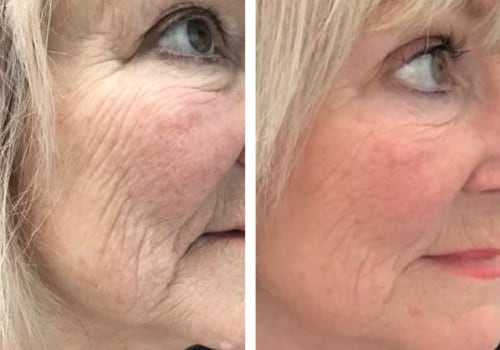
They also enhance overall skin texture and hydration. As polynucleotides facilitate cellular repair processes, they improve skin tone and reduce imperfections such as scars and hyperpigmentation. This multifaceted approach makes them a versatile option for various skin concerns.In addition to their regenerative capabilities, polynucleotides aid in wound healing by signalling the skin to repair itself more efficiently. This is particularly beneficial for individuals with acne scars or other blemishes, as it accelerates recovery and promotes a smoother complexion.In summary, the mechanisms by which polynucleotides work on the skin are rooted in their ability to stimulate collagen and elastin production while providing antioxidant protection and enhancing cellular repair.
These processes collectively contribute to a more youthful appearance by reducing wrinkles and improving overall skin quality.
The Science Behind Wrinkles and Aging Skin
Understanding the formation of wrinkles and the aging process of the skin is crucial for anyone seeking effective treatments, such as polynucleotides. Wrinkles are primarily caused by a combination of intrinsic and extrinsic factors that affect the skin's structure and function over time.Intrinsic Factors
- Genetics: The genetic predisposition plays a significant role in how our skin ages. Some individuals may inherit a tendency to develop wrinkles earlier than others due to their genetic makeup.
- Natural Aging: As we age, our skin undergoes natural changes. The production of collagen and elastin, two essential proteins that provide structure and elasticity to the skin, decreases significantly.
This reduction leads to a loss of firmness and the formation of fine lines.
- Hormonal Changes: Hormonal fluctuations, particularly during menopause, can lead to decreased skin hydration and elasticity, further contributing to wrinkle formation.
Extrinsic Factors
- Sun Exposure: Ultraviolet (UV) radiation from the sun is one of the leading causes of premature aging. UV rays damage collagen and elastin fibers in the skin, accelerating the wrinkle formation process.
- Environmental Pollution: Exposure to pollutants can lead to oxidative stress, which damages skin cells and accelerates aging. Free radicals generated by pollution can break down collagen and elastin, leading to wrinkles.
- Lifestyle Choices: Smoking and poor diet can also contribute to skin aging. Smoking reduces blood flow to the skin, depriving it of essential nutrients and oxygen, while a diet low in antioxidants can fail to combat oxidative stress.
As these proteins diminish, the skin loses its ability to bounce back from facial expressions, leading to dynamic wrinkles that become static over time. Additionally, factors such as dehydration can exacerbate this process by making the skin appear less plump and more prone to creasing.By understanding these biological and environmental factors contributing to wrinkle formation, individuals can appreciate how treatments like polynucleotides may help combat these effects. Polynucleotides work at a cellular level to stimulate collagen production and enhance skin hydration, addressing both intrinsic and extrinsic causes of aging skin.
Polynucleotide Treatments: What to Expect
When considering polynucleotide treatments, understanding the entire process—from preparation to aftercare—is crucial for achieving optimal results and ensuring a positive experience. Here’s what you can expect during your journey with polynucleotide injections.Preparation for Treatment
- Consultation: Before undergoing treatment, a thorough consultation with a qualified practitioner is essential.
This session will involve discussing your skin concerns, medical history, and aesthetic goals. The practitioner will assess your skin type and determine if polynucleotide injections are suitable for you.
- Pre-Treatment Instructions: You may receive specific instructions to follow in the days leading up to your treatment. This could include avoiding blood thinners, such as aspirin or certain supplements, to minimise bruising.
- Skin Assessment: On the day of the treatment, the practitioner will evaluate your skin condition again to ensure it is ready for the procedure.
The Treatment Procedure
The actual injection process is relatively straightforward and typically lasts between 30 to 60 minutes, depending on the areas being treated.
- Cleansing: The treatment area will be thoroughly cleansed to remove any impurities and reduce the risk of infection.
- Anesthesia: To enhance comfort during the procedure, a topical anaesthetic may be applied to numb the area where the injections will occur.
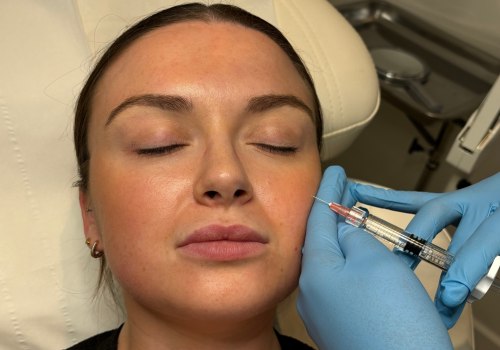
- Injection Technique: Using a fine needle or cannula, the practitioner will inject polynucleotides into the targeted areas of your skin. The depth and technique may vary based on individual needs and desired outcomes.
You might feel a slight pinch or pressure during this process.
Aftercare and Recovery
Post-treatment care is vital for ensuring effective results and minimising any potential side effects. Here are some key aftercare tips:
- Avoid Touching: Refrain from touching or massaging the treated areas for at least 24 hours to prevent irritation or displacement of the product.
- Manage Swelling: Mild swelling or bruising may occur; applying a cold compress can help alleviate discomfort.
- Hydration: Keep your skin well-hydrated by using gentle moisturisers and drinking plenty of water.
- Avoid Strenuous Activities: For at least 48 hours post-treatment, avoid intense exercise or activities that may cause excessive sweating.
Benefits of Using Polynucleotides for Wrinkle Reduction
Polynucleotides have emerged as a revolutionary treatment in the realm of aesthetic medicine, particularly for those seeking effective solutions for wrinkle reduction. Their unique properties and mechanisms of action offer a multitude of benefits that can significantly enhance skin quality and appearance.One of the primary advantages of polynucleotides is their ability to stimulate collagen and elastin production. These two proteins are essential for maintaining skin elasticity and firmness.As we age, the natural production of collagen and elastin diminishes, leading to the formation of wrinkles and sagging skin. By injecting polynucleotides into the skin, fibroblasts—cells responsible for producing these proteins—are activated, resulting in increased collagen synthesis. This process not only helps to fill in existing wrinkles but also improves overall skin texture.Another significant benefit is the hydration that polynucleotides provide. They possess remarkable hydrophilic properties, meaning they attract and retain moisture within the skin.
This enhanced hydration contributes to a plumper, more youthful appearance, effectively reducing the visibility of fine lines and wrinkles. The result is a smoother complexion that radiates health.Moreover, polynucleotides exhibit potent antioxidant properties. They help combat oxidative stress caused by free radicals, which can accelerate skin aging. By neutralising these harmful agents, polynucleotides protect the skin from damage and promote a more vibrant appearance.Additionally, polynucleotide therapy is known for its wound healing capabilities.
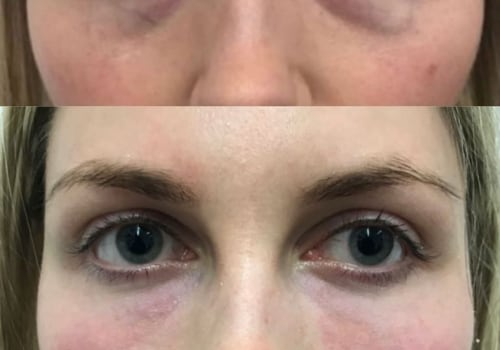
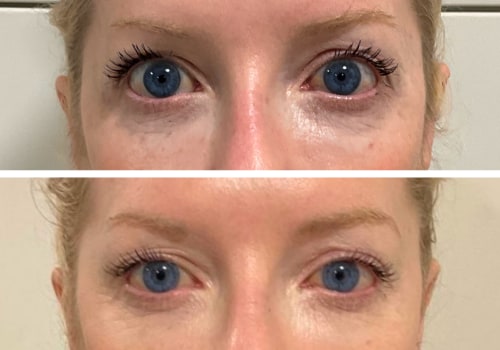
When injected into the skin, they signal the body to initiate repair processes, which can be particularly beneficial for individuals with scars or uneven skin tone. This regenerative effect not only aids in healing but also enhances the overall quality of the skin.Furthermore, polynucleotides are versatile in their application. They can be used on various areas of the body, including delicate regions such as under the eyes or around the mouth, where wrinkles often appear first. Their ability to improve skin integrity makes them an excellent choice for comprehensive facial rejuvenation.In summary, the benefits of using polynucleotides for wrinkle reduction are multifaceted.
From stimulating collagen production and enhancing hydration to providing antioxidant protection and promoting wound healing, these treatments offer a holistic approach to skincare. For those considering aesthetic treatments aimed at reducing wrinkles, polynucleotides present a compelling option that combines efficacy with safety.
Potential Side Effects and Considerations
While polynucleotide treatments offer numerous benefits for skin rejuvenation, it is essential to consider potential side effects and risks associated with these procedures. Understanding these factors can help individuals make informed decisions about their skincare options.One of the most common side effects of polynucleotide injections is swelling at the injection site. This swelling is typically temporary and may last from a few hours to several days, depending on individual responses and the technique used during the procedure.In some cases, patients may also experience bruising , which can occur due to the needle penetration into the skin. While bruising is generally mild and resolves on its own, it can be a concern for those seeking immediate results.Another potential side effect is redness or irritation at the injection site. This reaction is usually mild and subsides within a short period. However, if redness persists or worsens, it is advisable to consult with a healthcare professional.
Allergic reactions
are rare but possible, particularly for individuals with sensitivities to fish-derived products, as polynucleotides are often sourced from salmon or trout sperm.
Symptoms of an allergic reaction may include itching, rash, or swelling beyond the injection site. It is crucial for patients to disclose any known allergies during their consultation to ensure safety.In very rare instances, more severe complications can occur, such as infection. This risk can be mitigated by ensuring that the procedure is performed in a sterile environment by qualified professionals. Patients should also follow post-treatment care instructions diligently to reduce the likelihood of infection.It is important to note that while polynucleotides are generally considered safe, they may not be suitable for everyone.
Individuals with certain medical conditions or those who are pregnant or breastfeeding should discuss their options thoroughly with a qualified practitioner before undergoing treatment.In summary, while polynucleotide treatments can significantly enhance skin quality and reduce signs of aging, potential side effects such as swelling, bruising, redness, allergic reactions, and infection should be carefully considered. Consulting with a knowledgeable professional can help mitigate risks and ensure a safe and effective treatment experience.
Real-Life Results: Case Studies and Testimonials
Polynucleotide treatments have gained significant attention in the realm of aesthetic medicine, particularly for their ability to reduce wrinkles and improve overall skin quality. To illustrate the effectiveness of these treatments, we present a selection of real-life case studies and testimonials from individuals who have experienced remarkable results.Case Study 1: Sarah's Journey to Youthful Skin
At 45, Sarah was concerned about the fine lines and wrinkles that had begun to appear around her eyes and mouth. After researching various treatment options, she decided to try polynucleotide injections.Over a series of three sessions spaced a month apart, Sarah noticed a gradual improvement in her skin texture and elasticity."I was amazed at how my skin felt firmer and more hydrated after just a few weeks. By the end of the treatment, my friends were asking me what my secret was!" Sarah shared. Her results included a noticeable reduction in wrinkles and an overall rejuvenated appearance, which boosted her confidence significantly.
Case Study 2: Mark's Experience with Skin Regeneration
Mark, a 50-year-old man, sought treatment for sagging skin on his neck and jawline. He opted for polynucleotide therapy after learning about its regenerative properties.Following his initial treatment, Mark reported minimal downtime and was pleased with the subtle yet effective results."I didn’t expect such a natural look. My skin feels tighter, and I can see a difference in the definition of my jawline. It’s like I’ve turned back the clock a few years!" Mark stated. His experience highlights how polynucleotides can effectively address signs of aging in men as well.
Testimonials from Satisfied Clients
- Emma: "After trying various fillers with limited success, I found polynucleotides to be a game changer.
My skin looks plumper and healthier without looking overdone."
- James: "I was sceptical at first, but the results speak for themselves. My skin feels revitalised, and I’ve received numerous compliments since starting treatment."
- Lily: "The best part about polynucleotides is that they work gradually. I love that my results look natural and not artificial."
Frequently Asked Questions about Polynucleotides and Wrinkles
As interest in polynucleotides for wrinkle treatment grows, many potential patients have questions about their effectiveness and safety.Below are some frequently asked questions that can help clarify common concerns.
What are polynucleotides?
Polynucleotides are long chains of nucleotides, which are the building blocks of DNA. In aesthetic medicine, they are primarily derived from salmon or trout sperm and are used in injectable form to promote skin rejuvenation.How do polynucleotides work to reduce wrinkles?
Polynucleotides stimulate the production of collagen and elastin, two essential proteins that maintain skin elasticity and firmness. By enhancing cellular regeneration, they improve skin texture and hydration, leading to a reduction in the appearance of fine lines and wrinkles.Are polynucleotide treatments safe?
Yes, polynucleotide treatments are generally considered safe when administered by qualified professionals. The highly purified nature of these products reduces the risk of adverse reactions.However, as with any injectable treatment, there may be minor side effects such as swelling or bruising at the injection site.
How long does it take to see results from polynucleotide treatments?
Results from polynucleotide injections typically become noticeable within 2 to 3 weeks, with optimal effects visible after about three months. This gradual improvement is due to the cellular-level action of polynucleotides.Can polynucleotides be combined with other treatments?
Absolutely! Polynucleotides can be effectively combined with other aesthetic treatments such as dermal fillers or laser therapy. This combination approach can enhance overall results by addressing multiple skin concerns simultaneously.Who is an ideal candidate for polynucleotide treatments?
Individuals looking to improve skin texture, reduce fine lines, or enhance overall skin quality may benefit from polynucleotide treatments. A consultation with a qualified practitioner can help determine if this treatment is suitable for your specific needs.Are there any long-term effects of using polynucleotides?
The long-term effects of polynucleotide treatments include improved skin hydration and elasticity, as well as enhanced collagen production.Regular sessions may be recommended to maintain these benefits over time.If you have more questions about how polynucleotides can help you achieve smoother, younger-looking skin, consider scheduling a consultation with a qualified aesthetic professional.
Conclusion: The Future of Skincare with Polynucleotides
As we draw our exploration of polynucleotides to a close, it is essential to reflect on the significant advancements these innovative treatments bring to the realm of skincare, particularly in the quest for reducing wrinkles and enhancing overall skin quality. The unique properties of polynucleotides, derived from natural sources such as salmon and trout sperm DNA, position them as a groundbreaking option in aesthetic medicine.Throughout this article, we have delved into how polynucleotides function at a cellular level, stimulating the production of collagen and elastin—two vital proteins that contribute to skin elasticity and firmness. This regenerative capability not only aids in diminishing the appearance of fine lines and wrinkles but also promotes a more youthful and radiant complexion.Moreover, the versatility of polynucleotide treatments extends beyond mere wrinkle reduction. Their ability to enhance skin hydration, improve texture, and accelerate wound healing makes them suitable for various skin concerns, including scarring and uneven skin tone.As we age, the natural decline in our skin's regenerative processes can lead to visible signs of aging; however, polynucleotides offer a promising solution by revitalising the skin from within.In addition to their standalone benefits, polynucleotides can be effectively combined with other aesthetic treatments, such as laser therapy or microneedling, to amplify results. This synergistic approach not only enhances the efficacy of each treatment but also provides a holistic strategy for achieving optimal skin health.As we look towards the future of skincare, it is clear that polynucleotides represent a significant leap forward in anti-aging therapies. Their ability to work at the cellular level sets them apart from traditional injectables, offering patients a natural and effective means of rejuvenation. With ongoing research and advancements in this field, we can anticipate even more refined applications and formulations that will further enhance their effectiveness.In conclusion, polynucleotides are not just a fleeting trend in skincare; they are paving the way for a new era of treatments that prioritise cellular health and regeneration.
For those seeking to combat wrinkles and improve their skin's overall appearance, embracing polynucleotide therapies may very well be a transformative step towards achieving lasting beauty.