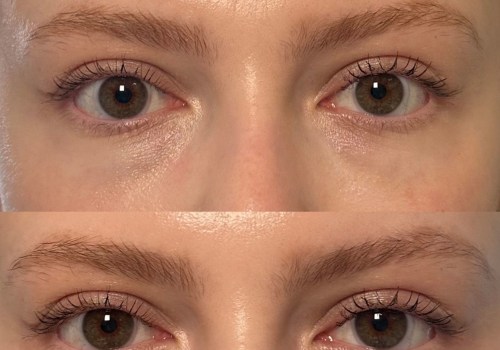
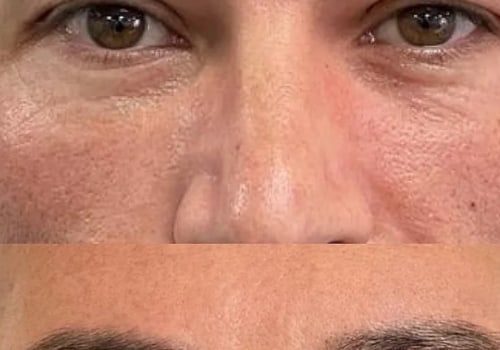
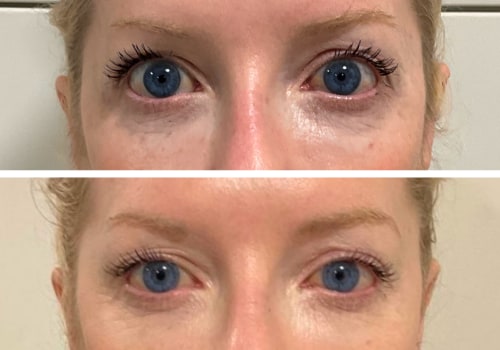
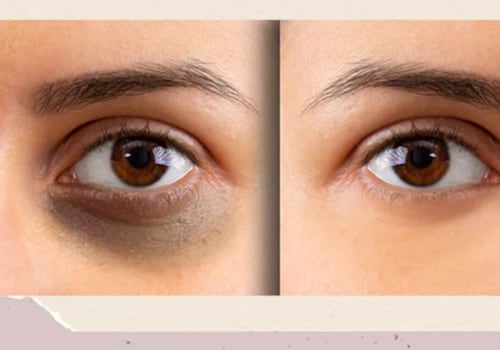
Polynucleotides, the natural polymers of nucleic acids, play a pivotal role in the field of cosmetic treatments, particularly in skin regeneration therapies. Derived from DNA and RNA, these molecules are essential for various biological processes, including cell growth and repair. In recent years, the application of polynucleotides in aesthetic medicine has gained significant traction, especially in procedures aimed at rejuvenating the delicate skin around the eyes. This area is often one of the first to show signs of ageing, making effective treatments crucial for maintaining a youthful appearance.One of the most notable applications of polynucleotides in cosmetic treatments is through PDRN (Polydeoxyribonucleotide) therapy.
This innovative approach harnesses the regenerative properties of polynucleotides to stimulate collagen production and enhance skin elasticity. By promoting cellular turnover and improving blood circulation, PDRN therapy not only helps to reduce fine lines and wrinkles but also aids in restoring hydration and overall skin texture. The result is a more vibrant and youthful look that many individuals seek as they age.As we delve deeper into the world of polynucleotide treatments, it is essential to understand their mechanisms and benefits fully. The science behind these treatments reveals how they can effectively combat the signs of ageing while being gentle on sensitive skin.
With a growing body of research supporting their efficacy, polynucleotides are becoming a go-to option for those looking to enhance their appearance without resorting to more invasive procedures.
What Are Polynucleotide Treatments?
Polynucleotide treatments, often referred to as PDRN (Polydeoxyribonucleotide) therapy, are innovative cosmetic procedures designed to rejuvenate the skin, particularly in sensitive areas such as under the eyes. These treatments harness the power of natural molecules derived from DNA and RNA, which play a crucial role in cellular regeneration and repair.The primary mechanism of action for polynucleotides involves their ability to stimulate the body’s own healing processes. When injected into the skin, these molecules promote the proliferation of fibroblasts, which are essential cells responsible for producing collagen and elastin. This increase in collagen synthesis leads to improved skin elasticity and firmness, effectively reducing the appearance of fine lines and wrinkles.Moreover, polynucleotides possess anti-inflammatory properties that can help soothe irritated skin and reduce redness.This is particularly beneficial for individuals with delicate skin under their eyes, where irritation can be more pronounced. By enhancing blood circulation in the treated area, polynucleotide treatments also contribute to a more vibrant and youthful appearance.Another significant aspect of PDRN therapy is its ability to enhance hydration levels within the skin. Polynucleotides attract water molecules, which helps maintain moisture balance and improves overall skin texture. This hydrating effect is vital for combating dryness and ensuring that the skin remains plump and healthy.In summary, polynucleotide treatments represent a cutting-edge approach to skincare that not only addresses visible signs of aging but also promotes long-term skin health.
By leveraging the regenerative capabilities of these natural molecules, patients can achieve smoother, firmer skin around their eyes while enjoying minimal downtime and side effects.
Benefits of Polynucleotide Treatments Under the Eyes
Polynucleotide treatments have emerged as a revolutionary option for enhancing the delicate skin under the eyes, offering a multitude of benefits that cater specifically to this sensitive area. The unique properties of polynucleotides, derived from natural sources, play a crucial role in skin rejuvenation and overall quality improvement.One of the primary advantages of polynucleotide treatments is their ability to significantly improve skin texture. As we age, the skin around the eyes often becomes thinner and loses its elasticity, leading to the appearance of fine lines and wrinkles. Polynucleotides stimulate collagen production, which is essential for maintaining skin firmness and elasticity.This results in a smoother and more youthful appearance, effectively reducing the visibility of wrinkles.Moreover, these treatments enhance skin hydration. Polynucleotides possess excellent moisture-retaining properties, which help to keep the skin plump and hydrated. This is particularly beneficial for the under-eye area, where dryness can exacerbate the appearance of dark circles and fine lines. By improving hydration levels, polynucleotide treatments contribute to a more radiant and revitalised look.Another significant benefit is their role in reducing inflammation.
The under-eye area is prone to puffiness and swelling due to various factors such as lack of sleep or allergies. Polynucleotides have anti-inflammatory properties that can help alleviate these issues, leading to a more refreshed and alert appearance.Additionally, polynucleotide treatments promote skin regeneration. The natural molecules involved in these therapies encourage cellular turnover, allowing for the replacement of damaged or aged skin cells with healthier ones. This regenerative process not only improves skin quality but also enhances overall skin tone, making it appear more even and luminous.In summary, polynucleotide treatments offer a comprehensive solution for those seeking to rejuvenate the skin under their eyes.
With benefits ranging from improved texture and hydration to reduced inflammation and enhanced regeneration, these treatments represent a promising option for achieving a youthful and vibrant appearance.
Potential Side Effects of Polynucleotide Treatments
Polynucleotide treatments, particularly those administered under the eyes, have gained traction for their ability to rejuvenate the delicate skin in this area. However, as with any cosmetic procedure, it is essential to be aware of the potential side effects that may arise. Understanding these risks can help individuals make informed decisions about their treatment options.Common Side Effects
Most patients experience mild and temporary side effects following polynucleotide injections. These common reactions typically resolve within a short period and include:- Redness and Swelling: It is normal to observe some redness and swelling at the injection site.
This reaction is a natural response to the needle and the injected substance, usually subsiding within a few hours to a day.
- Mild Bruising: Minor bruising may occur, especially in areas with thinner skin. This side effect is generally temporary and can be managed with cold compresses or topical treatments like arnica gel.
- Sensitivity: Some individuals may experience heightened sensitivity in the treated area, which can manifest as tenderness or discomfort. This sensation typically diminishes as the skin heals.
Less Common but Serious Side Effects
While most side effects are mild, there are rare instances where more serious complications can occur. Awareness of these potential issues is crucial:- Vascular Occlusion: This serious condition arises when the injected material blocks a blood vessel, leading to restricted blood flow.
Symptoms may include increased pain, discolouration, or coldness in the area. Immediate medical attention is necessary to prevent tissue damage.
- Granulomas: In rare cases, small lumps known as granulomas may form as an immune response to the injected material. Although they are typically benign, they can require treatment if they persist.
- Infection: Although the risk of infection is low, it remains a possibility if post-injection care is not adequately followed. Ensuring that sterile techniques are used during the procedure and avoiding touching the treated area can help mitigate this risk.
Consulting with a qualified professional can help ensure that patients are well-informed about their options and prepared for any potential reactions.
Common Side Effects Explained
Polynucleotide treatments, while generally safe and effective, can lead to some common side effects that patients should be aware of. Understanding these effects can help individuals make informed decisions and manage their expectations following the procedure.Redness
One of the most frequently reported side effects after polynucleotide injections is redness at the injection site. This occurs as a natural response to the needle and the substance being injected. The skin around the eyes is particularly sensitive, and it is not uncommon for patients to notice a flushed appearance immediately after treatment.The redness typically subsides within a few hours to a day.However, individuals with particularly sensitive skin may experience prolonged redness. To alleviate this discomfort, applying a cold compress can be beneficial. It helps to constrict blood vessels and reduce inflammation, providing relief from any associated heat or irritation.
Swelling
Swelling
is another common reaction following polynucleotide treatments. Similar to redness, swelling is part of the body’s natural healing process.
The area around the eyes may appear puffy or swollen due to the injection technique and the introduction of the polynucleotides into the skin.This swelling usually resolves within a few days, but in some cases, it may last longer for those with more delicate skin. To manage swelling effectively, patients are advised to keep their heads elevated during sleep and avoid strenuous activities that could exacerbate the condition in the initial days post-treatment.
Mild Bruising
Bruising
can also occur as a result of polynucleotide injections, particularly in areas where the skin is thinner and more fragile. This side effect is generally mild and temporary, with bruises typically fading within a week.To minimise the risk of bruising, it is advisable for patients to avoid blood-thinning medications or supplements prior to treatment. Additionally, applying arnica gel or creams containing vitamin K can aid in healing and reduce the appearance of bruises.In summary, while redness, swelling, and mild bruising are common side effects associated with polynucleotide treatments under the eyes, they are usually temporary and manageable.
Patients should feel reassured that these effects are part of the body’s natural response to treatment and will typically resolve without intervention.
Rare but Serious Side Effects to Consider
While polynucleotide treatments are generally safe and well-tolerated, it is crucial to be aware of the rare but serious side effects that can occur. Understanding these potential complications can help patients make informed decisions and ensure they seek appropriate care if needed.Vascular Occlusion
One of the most concerning risks associated with polynucleotide injections is vascular occlusion. This occurs when the injected substance inadvertently blocks a blood vessel, leading to restricted blood flow in the surrounding tissues. The consequences of vascular occlusion can be severe, potentially resulting in tissue damage if not addressed promptly.Signs of vascular occlusion may include:- Increased pain in the treated area
- Discoloration , such as a noticeable change in skin tone
- Coldness or a feeling of numbness around the injection site
Early intervention can help restore circulation and prevent further complications.
Granulomas
Granulomas are another potential complication that can arise following polynucleotide treatments. These small lumps form as a result of the body’s immune response to the injected material. Although granulomas are relatively rare, they may develop weeks or even months after the procedure.If you notice any unusual lumps or bumps in the treated area, it is essential to consult with a healthcare professional. In many cases, granulomas can be effectively managed with corticosteroid injections or other treatments designed to reduce inflammation.The key to minimising these risks lies in choosing a qualified and experienced practitioner for your polynucleotide treatments.Professionals who are well-versed in facial anatomy and injection techniques are less likely to encounter complications such as vascular occlusion or granuloma formation. Always prioritise safety by ensuring that your treatment provider adheres to strict hygiene protocols and possesses the necessary expertise.
Who Is an Ideal Candidate for Polynucleotide Treatments?
Polynucleotide treatments, particularly PDRN therapy, have gained traction as a non-invasive solution for rejuvenating the delicate skin under the eyes. However, not everyone is an ideal candidate for these treatments. Understanding who can benefit most from polynucleotide injections is crucial for achieving optimal results.Individuals with Thinning Skin
As we age, the skin loses collagen and elasticity, leading to thinning and sagging, especially in sensitive areas like under the eyes.
Those experiencing significant skin laxity or fine lines may find polynucleotide treatments particularly beneficial. The regenerative properties of polynucleotides can help stimulate collagen production, resulting in firmer and smoother skin.
People with Dark Circles or Puffiness
Dark circles and puffiness are common concerns that can make individuals appear tired or older than they are. Polynucleotide therapy can improve microcirculation and promote skin healing, making it an excellent option for those looking to reduce these issues. Candidates who have tried other treatments without success may find renewed hope in this innovative approach.
Those Seeking a Non-Invasive Alternative
For individuals hesitant about more invasive procedures like surgery or traditional dermal fillers, polynucleotide treatments offer a gentler alternative.
The minimally invasive nature of these injections means less downtime and fewer risks associated with surgical interventions, making them appealing to a broader audience.
Contraindications to Consider
- Pregnant or Nursing Women: Due to the lack of extensive research on the effects of polynucleotides during pregnancy and lactation, it is advisable for these individuals to avoid such treatments.
- Active Skin Infections: Anyone with an active infection or inflammation in the treatment area should postpone their procedure until the condition has resolved.
- Autoimmune Disorders: Individuals with autoimmune diseases may experience unpredictable reactions to injections, making them less suitable candidates for polynucleotide therapy.
- Allergies to Components: Those with known allergies to any components of the injection should consult their healthcare provider before proceeding.
What to Expect During a Polynucleotide Treatment Session
Undergoing a polynucleotide treatment session is a straightforward process, but understanding what to expect can help alleviate any anxiety and ensure a smooth experience. Here’s a detailed overview of the typical procedure, from preparation to post-treatment care.Preparation for Treatment
- Before your appointment, it is advisable to consult with a qualified practitioner who specialises in polynucleotide injections. This initial consultation will allow you to discuss your goals, medical history, and any concerns you may have.
- In the days leading up to your treatment, avoid taking blood-thinning medications such as aspirin or ibuprofen, as these can increase the risk of bruising.
- On the day of the procedure, arrive with a clean face, free from makeup or skincare products.
This helps maintain a sterile environment during the injection process.
The Injection Process
During the treatment session, you can expect the following steps:
- Consultation and Assessment: Your practitioner will assess the area under your eyes and mark the injection sites. This ensures precision and helps in achieving optimal results.
- Anesthesia: To minimise discomfort, a topical anaesthetic may be applied to the treatment area. This typically takes about 15-20 minutes to take effect.
- Injection: Using a fine needle, the practitioner will carefully inject the polynucleotide solution into the designated areas. The injections are usually quick, lasting only a few minutes.
You may feel slight pressure or a pinching sensation during this process.
Post-Treatment Expectations
After your polynucleotide treatment, it’s essential to follow some aftercare guidelines:
- Avoid touching or rubbing the treated area for at least 24 hours to prevent irritation or infection.
- You may experience mild redness, swelling, or bruising at the injection sites; these effects are typically temporary and should subside within a few days.
- Your practitioner may recommend applying cold compresses to alleviate any swelling and enhance comfort.
Aftercare Tips for Optimal Results
After undergoing polynucleotide treatments under the eyes, proper aftercare is crucial to achieving the best possible results and minimising any potential side effects. Here are some essential tips to follow:- Keep the Area Clean: Immediately after treatment, it is vital to keep the treated area clean. Avoid touching your face with unwashed hands, and gently cleanse the area with a mild, non-irritating cleanser.
- Avoid Makeup: For at least 24 hours post-treatment, refrain from applying makeup around the eyes.
This helps prevent irritation and reduces the risk of infection.
- Cold Compress: To alleviate any swelling or redness, apply a cold compress to the treated area for 10-15 minutes at a time. This can help soothe the skin and reduce inflammation.
- Stay Hydrated: Drinking plenty of water post-treatment aids in skin recovery. Hydration supports cellular regeneration, which is essential for optimal results from polynucleotide therapy.
- Avoid Strenuous Activities: For at least 48 hours following your treatment, avoid intense physical activities that may cause excessive sweating or strain on the facial muscles. This includes heavy exercise, sauna visits, or hot baths.
- Limit Sun Exposure: Protect your skin from direct sunlight for at least two weeks after treatment.
If you must be outdoors, wear sunglasses and apply a broad-spectrum sunscreen with an SPF of 30 or higher to shield the delicate skin around your eyes.
- Avoid Blood Thinners: Refrain from taking blood-thinning medications or supplements (such as aspirin or fish oil) for a few days post-treatment unless prescribed by your doctor. This can help minimise bruising and swelling.
- Follow-Up Appointments: Attend any scheduled follow-up appointments with your practitioner. They can assess your recovery and address any concerns you may have regarding your treatment results.
<strong>Frequently Asked Questions</strong>
As the popularity of polynucleotide treatments continues to rise, many potential patients have questions and concerns regarding the procedure.Below are some of the most frequently asked questions about PDRN therapy and their answers to help clarify any uncertainties.
- What are polynucleotides?
Polynucleotides are natural molecules derived from DNA and RNA that play a crucial role in cellular regeneration and repair. In cosmetic treatments, they are used to enhance skin quality by promoting collagen production and improving hydration. - How does PDRN therapy work?
The therapy involves injecting polynucleotides into the skin, where they stimulate the body’s natural healing processes. This leads to improved skin texture, elasticity, and overall appearance, particularly in delicate areas like under the eyes. - Is the treatment painful?
Most patients report only mild discomfort during the injection process. A topical anaesthetic may be applied beforehand to minimise any pain, making the procedure relatively comfortable. - How long does it take to see results?
While some improvements may be noticeable shortly after treatment, optimal results typically develop over several weeks as skin cells regenerate.Many patients see significant enhancements within three months.
- Are there any side effects?
Common side effects include temporary redness, swelling, or mild bruising at the injection site. These effects usually resolve within a few days. Serious complications are rare but can occur if proper aftercare is not followed. - Who is a suitable candidate for polynucleotide treatments?
Ideal candidates include individuals with fine lines, wrinkles, or sagging skin under the eyes. Those with sensitive skin or a history of adverse reactions to dermal fillers may also benefit from this gentler alternative. - How long do the results last?
The effects of polynucleotide treatments can last up to a year, depending on individual factors such as skin type and lifestyle.Regular maintenance sessions can help prolong results.
<strong>Conclusion</strong>
In summary, the use of polynucleotide treatments under the eyes represents a significant advancement in cosmetic dermatology, offering a promising solution for those seeking to rejuvenate the delicate skin in this area. While the potential benefits are substantial, including improved skin texture, hydration, and overall appearance, it is essential to approach these treatments with a well-informed perspective.Understanding the potential side effects is crucial for anyone considering this procedure. Most side effects are mild and temporary, such as redness and swelling, which typically resolve within a short period. However, more serious complications, although rare, can occur.Therefore, it is vital to choose a qualified practitioner who is experienced in administering polynucleotide injections to minimise risks.Moreover, proper aftercare plays a significant role in ensuring optimal results and reducing the likelihood of adverse effects. Following your practitioner’s advice regarding post-treatment care can enhance the longevity of the results and promote healing.As with any cosmetic procedure, individual results may vary. Factors such as skin type, age, and overall health can influence the effectiveness of polynucleotide treatments. Therefore, it is advisable to have a thorough consultation with a qualified professional who can assess your specific needs and expectations.Ultimately, polynucleotide treatments offer an innovative approach to addressing common concerns associated with aging skin under the eyes.
With careful consideration and appropriate precautions, patients can achieve remarkable improvements in their appearance while enjoying the benefits of this cutting-edge therapy.In conclusion, if you are contemplating polynucleotide treatments under your eyes, ensure that you are well-informed about both the benefits and potential risks involved. By doing so, you can make an educated decision that aligns with your aesthetic goals and enhances your confidence.