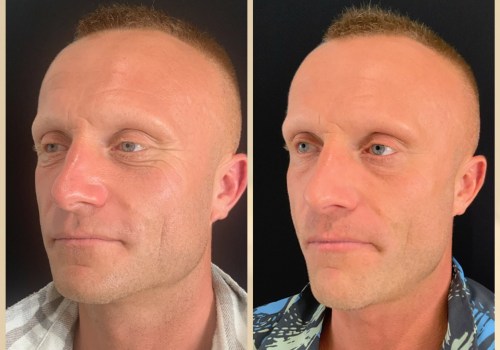
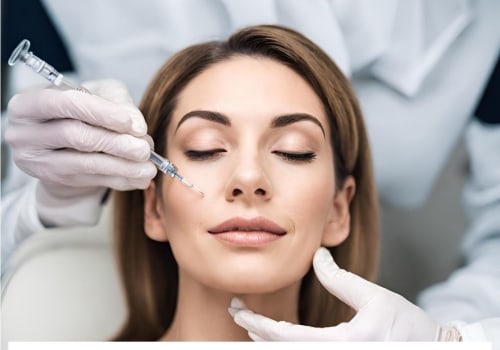
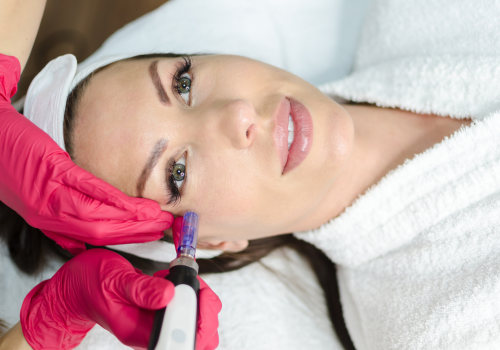
Polynucleotides are naturally occurring biopolymers composed of nucleotide sequences, which play a crucial role in various biological processes. In the realm of skincare, these compounds have garnered significant attention due to their remarkable ability to rejuvenate and restore skin health. By understanding what polynucleotides are and how they function, we can appreciate their transformative potential in aesthetic treatments.At their core, polynucleotides are chains of nucleotides that serve as the building blocks of DNA and RNA. When applied in dermatological treatments, they work by stimulating cellular activity and promoting the synthesis of collagen and elastin—two essential proteins that contribute to skin elasticity and firmness.
This biostimulation process not only enhances the skin's texture but also aids in repairing damage caused by environmental factors such as UV radiation and pollution.The benefits of polynucleotides extend beyond mere hydration; they also possess anti-inflammatory properties that can soothe irritated skin and reduce redness. As a result, polynucleotide treatments are particularly effective for individuals with sensitive or aging skin, offering a non-invasive solution to combat signs of ageing such as fine lines, wrinkles, and loss of volume. Furthermore, these treatments can improve overall skin tone and texture, leading to a more youthful and radiant appearance.In recent years, polynucleotide-based therapies have emerged as a popular choice among dermatologists and aesthetic practitioners. Their ability to deliver long-lasting results without the need for extensive downtime makes them an appealing option for those seeking effective skin rejuvenation.
As we delve deeper into the world of polynucleotides, it becomes clear that these innovative compounds hold the key to unlocking healthier, more vibrant skin.
How Polynucleotides Work on the Skin
Polynucleotides are gaining recognition in the realm of aesthetic treatments, primarily due to their remarkable ability to rejuvenate the skin. Understanding how these compounds work is essential for anyone considering their use. At the core of their effectiveness lies a sophisticated mechanism that stimulates the skin's natural healing processes.One of the primary ways polynucleotides function is through their role in collagen stimulation. Collagen is a vital protein that provides structure and elasticity to the skin.As we age, collagen production diminishes, leading to signs of ageing such as wrinkles and sagging skin. Polynucleotides act as a catalyst for fibroblast activity, which is crucial for collagen synthesis. By injecting polynucleotides into the skin, we can effectively encourage fibroblasts to produce more collagen, thereby enhancing skin firmness and reducing the appearance of fine lines.In addition to promoting collagen production, polynucleotides also play a significant role in hydration. They possess unique properties that help retain moisture within the skin.
This is particularly beneficial for individuals with dry or dehydrated skin, as polynucleotides can improve overall skin texture and tone. The hydrating effect is achieved through their ability to bind water molecules, creating a plump and youthful appearance.Moreover, polynucleotides exhibit biostimulating properties that enhance overall skin health. They work by modulating inflammatory responses and promoting cellular regeneration. This means that not only do they help in repairing damaged skin, but they also contribute to a more vibrant and even complexion.
The anti-inflammatory effects can be particularly advantageous for those suffering from conditions such as rosacea or acne, as they help soothe irritated skin.Furthermore, polynucleotides are known to act as scavengers of free radicals—unstable molecules that can cause oxidative stress and accelerate skin ageing. By neutralising these free radicals, polynucleotides help protect the skin from environmental damage caused by factors such as UV radiation and pollution.In summary, the mechanisms through which polynucleotides rejuvenate the skin are multifaceted. From stimulating collagen production and enhancing hydration to promoting cellular health and protecting against oxidative stress, these compounds offer a comprehensive approach to skincare. As research continues to unveil their potential, polynucleotides stand out as a promising option for those seeking effective non-invasive treatments for youthful and radiant skin.
Benefits of Using Polynucleotides for Skin Care
Polynucleotide treatments have emerged as a revolutionary option in the realm of skin care, offering a multitude of benefits that cater to various skin concerns.One of the most significant advantages of these treatments is their ability to enhance skin elasticity. As we age, our skin naturally loses its firmness and suppleness due to a decline in collagen and elastin production. Polynucleotides work by stimulating the body’s own collagen synthesis, effectively restoring the skin's youthful bounce and resilience.In addition to improving elasticity, polynucleotide treatments are renowned for their capacity to boost skin hydration. The injectable nature of these products allows for deep penetration into the dermal layers, where they can attract and retain moisture.
This results in a plumper, more hydrated complexion that not only looks healthier but also feels revitalised. Enhanced hydration is crucial for maintaining a radiant appearance and combating dryness, which can lead to premature ageing.Moreover, polynucleotides are effective in reducing the appearance of wrinkles and fine lines. By promoting cellular regeneration and repair, these treatments help to smooth out uneven textures and diminish the visibility of age-related imperfections. The biostimulating properties of polynucleotides also aid in healing damaged skin, making them an excellent choice for individuals seeking to rejuvenate their complexion.The growing popularity of polynucleotide treatments in the aesthetic industry can be attributed to their non-invasive nature and minimal downtime.
Unlike traditional surgical procedures, these injectables offer a convenient solution for those looking to enhance their skin without the need for extensive recovery periods. Patients can often return to their daily activities shortly after treatment, making it an appealing option for busy individuals.Furthermore, polynucleotides are versatile and can be used on various areas of the body, including delicate regions such as the under-eye area. This adaptability allows practitioners to tailor treatments according to individual needs, ensuring optimal results across different skin types and concerns.In summary, the benefits of using polynucleotides for skin care are manifold. From improving elasticity and hydration to reducing wrinkles and promoting overall skin health, these innovative treatments represent a significant advancement in aesthetic medicine.
As more individuals seek effective solutions for maintaining youthful skin, polynucleotides are poised to become a staple in modern skincare regimens.
Popular Polynucleotide Treatments Available
When it comes to enhancing skin quality and appearance, several polynucleotide treatments have gained popularity for their unique benefits and effectiveness. Below, we explore some of the most sought-after products in this category, including Vitacyclix , Juvenus , Nucleofill , and the VITARAN series, which consists of VITARAN I and VITARAN II.Vitacyclix
Vitacyclix
is renowned for its ability to improve skin elasticity and hydration. This treatment is particularly effective for those looking to achieve a smoother and more resilient complexion. The formulation works by stimulating collagen production, making it an excellent choice for individuals seeking to combat signs of ageing without invasive procedures.
Its non-invasive nature means minimal downtime, allowing patients to return to their daily activities almost immediately.
Juvenus
Juvenus
is another popular option that focuses on rejuvenating the skin, especially in delicate areas such as under the eyes. This treatment is designed to enhance skin texture and firmness while providing a natural glow. Its biostimulating properties help in restoring youthful vitality, making it suitable for those with thin or loose skin. Patients often report noticeable improvements in skin tone and hydration after a series of sessions.
Nucleofill
Nucleofill
stands out for its dual action: it not only hydrates but also promotes tissue regeneration.
This makes it an ideal choice for individuals dealing with scars or uneven skin texture. The product's unique formulation helps in reducing the appearance of fine lines while enhancing overall skin quality. Nucleofill is particularly effective for those looking to address specific concerns while enjoying the benefits of a comprehensive treatment.
VITARAN I & II
The VITARAN series includes two distinct products: VITARAN I and VITARAN II. Both are crafted with 100% controlled quality, ensuring safety and efficacy.VITARAN I is specifically formulated for sensitive areas like the under-eye region, where precision is crucial. In contrast, VITARAN II is better suited for broader facial applications and body treatments. This differentiation allows practitioners to tailor treatments based on individual needs, ensuring optimal results.In summary, each of these polynucleotide treatments offers unique advantages tailored to various skin concerns. Whether you are looking to enhance hydration, improve elasticity, or rejuvenate specific areas, understanding the distinct features of each product can help you make an informed decision about which treatment aligns best with your skincare goals.
Who Can Benefit from Polynucleotide Treatments?
Polynucleotide treatments have emerged as a revolutionary option in the realm of aesthetic medicine, offering a range of benefits for various skin types and concerns.Understanding who can benefit from these treatments is crucial for making informed decisions about skin care.
Age Considerations
While polynucleotide therapies can be advantageous for individuals across a broad age spectrum, they are particularly beneficial for those experiencing the early signs of ageing. Typically, individuals in their late 30s to early 50s may find these treatments especially effective. This age group often begins to notice a decline in skin elasticity, hydration, and overall texture due to the natural reduction of collagen and elastin production.However, younger individuals with specific skin concerns, such as acne scars or uneven skin tone, can also benefit from polynucleotide injections. These treatments can help rejuvenate the skin by promoting cellular regeneration and improving overall skin quality.
Skin Types and Conditions
Polynucleotides are suitable for various skin types, including dry, oily, and combination skin.
They are particularly effective for those with thin or loose skin, which is often more susceptible to damage and signs of ageing. Individuals with sensitive skin may also find polynucleotide treatments beneficial, as they are less likely to cause adverse reactions compared to more invasive procedures.Specific conditions that make individuals ideal candidates for polynucleotide treatments include:
- Fine Lines and Wrinkles: Those looking to reduce the appearance of fine lines and wrinkles can see significant improvements with polynucleotide therapy.
- Loss of Elasticity: Individuals experiencing sagging or loss of firmness in their skin may benefit from the collagen-stimulating properties of polynucleotides.
- Scarring: Those with acne scars or other types of scarring can achieve smoother skin texture through these treatments.
- Dull Complexion: If your skin appears lacklustre or uneven in tone, polynucleotides can help restore a youthful glow.
Who Should Avoid Polynucleotide Treatments?
While many can benefit from polynucleotide therapies, certain individuals should approach these treatments with caution. Those with active infections, severe allergies to fish products (as some polynucleotides are derived from salmon sperm), or autoimmune disorders should consult with a qualified dermatologist before proceeding. Additionally, pregnant or breastfeeding women are generally advised to avoid such procedures until after childbirth or weaning.In summary, polynucleotide treatments offer a versatile solution for a wide range of individuals seeking to enhance their skin's appearance.
By understanding your specific needs and consulting with a professional, you can determine if this innovative treatment is right for you.
Potential Risks and Side Effects of Polynucleotide Treatments
As with any cosmetic procedure, polynucleotide treatments come with their own set of potential risks and side effects. Understanding these concerns is crucial for anyone considering this innovative approach to skin rejuvenation.While polynucleotides are generally regarded as safe, it is essential to be aware of the possible adverse effects that may arise following treatment. The most common side effects include:- Bruising: Some patients may experience bruising at the injection site, which is typically mild and resolves within a few days.
- Swelling: Temporary swelling can occur, particularly in sensitive areas such as around the eyes. This usually subsides within a short period.
- Pain or Discomfort: A slight sensation of pain or discomfort may be felt during and after the injection, but this is often manageable with over-the-counter pain relief.
- Redness: Mild redness at the injection site is common and generally fades quickly.
These may include:
- Infection: As with any injectable treatment, there is a risk of infection if proper hygiene practices are not followed. It is vital to choose a qualified practitioner who adheres to strict sterilisation protocols.
- Allergic Reactions: Although uncommon, some individuals may have an allergic reaction to the components of the polynucleotide solution, particularly if they have sensitivities to animal-derived products.
- Nodules or Lumps: In some instances, patients may develop small lumps or nodules under the skin, which can be addressed by a qualified professional.
By understanding both the benefits and risks associated with polynucleotide treatments, you can make an informed decision that aligns with your aesthetic goals.
Aftercare and Maintenance for Optimal Results
After undergoing polynucleotide treatments, proper aftercare is essential to maximise the benefits and ensure optimal results. The skin may be sensitive post-treatment, and following specific guidelines can help maintain the rejuvenating effects of the procedure.Immediate Aftercare
- Avoid Touching the Treated Area: It is crucial to refrain from touching or applying pressure to the treated areas for at least 24 hours. This helps prevent irritation and reduces the risk of infection.
- Cold Compress: Applying a cold compress can alleviate any swelling or discomfort. Use a clean cloth wrapped around ice packs, ensuring not to apply ice directly to the skin.
- Stay Hydrated: Drinking plenty of water post-treatment aids in skin recovery and enhances the overall effectiveness of the polynucleotides.
Long-Term Maintenance Tips
- Sun Protection: Protecting your skin from UV rays is vital.
Use a broad-spectrum sunscreen with an SPF of at least 30 daily, even on cloudy days, to prevent sun damage that can counteract the benefits of your treatment.
- Gentle Skincare Routine: Opt for gentle cleansers and moisturisers that do not contain harsh chemicals or exfoliants for at least two weeks post-treatment. This will help maintain skin integrity while it heals.
- Avoid Heat Exposure: For the first week after treatment, avoid saunas, hot baths, and intense workouts that may cause excessive sweating. Heat can exacerbate swelling and irritation.
- Regular Follow-ups: Schedule follow-up appointments with your dermatologist to assess your skin's progress and determine if additional treatments are necessary for maintaining results.
Prolonging Results
The longevity of polynucleotide treatment results typically lasts around six months; however, there are ways to prolong these effects:
- Healthy Lifestyle Choices: A balanced diet rich in antioxidants, vitamins, and minerals supports skin health. Incorporate foods like fruits, vegetables, nuts, and fish into your diet.
- Avoid Smoking and Excessive Alcohol: Both smoking and heavy drinking can accelerate skin ageing and diminish the results of your treatment.
- Consider Maintenance Treatments: Discuss with your practitioner about scheduling maintenance sessions every six months to keep your skin looking youthful and vibrant.
Frequently Asked Questions About Polynucleotides
As the popularity of polynucleotides continues to rise in the skincare industry, many individuals have questions regarding their use, benefits, and safety.Below, we address some of the most frequently asked questions to help clarify common misconceptions and provide valuable insights.
What are polynucleotides?
Polynucleotides are naturally occurring molecules that play a crucial role in cellular processes. In skincare, they are primarily derived from salmon sperm DNA and are used in injectable treatments to rejuvenate the skin. These treatments aim to enhance skin elasticity, hydration, and overall appearance by stimulating collagen production.Are polynucleotide treatments safe?
Yes, polynucleotide treatments are generally considered safe when administered by qualified professionals. They have a low risk of adverse effects compared to other injectable treatments.Common side effects may include mild bruising or swelling at the injection site, but these typically resolve quickly.
How do polynucleotides differ from dermal fillers?
While both polynucleotides and dermal fillers are injectable treatments, they serve different purposes. Dermal fillers add volume to specific areas of the face, while polynucleotides focus on improving skin quality by promoting natural healing and collagen production. Additionally, polynucleotides cannot be reversed like some fillers can.How long do the results last?
The effects of polynucleotide treatments can last approximately six months, with optimal results often becoming visible around nine months post-treatment. Maintenance sessions may be required to sustain the desired outcomes.Who should avoid polynucleotide treatments?
Individuals with fish allergies, vegetarians, and vegans should avoid polynucleotide treatments due to their animal-derived components.Additionally, those with certain medical conditions or skin infections should consult with a healthcare professional before undergoing treatment.
Can polynucleotides be used in combination with other treatments?
Yes, polynucleotides can be effectively combined with other aesthetic procedures such as dermal fillers or laser treatments. This combination approach can enhance overall results and address multiple skin concerns simultaneously.By understanding these key aspects of polynucleotides, individuals can make informed decisions about their skincare options and feel more confident in pursuing these innovative treatments.Conclusion: The Future of Skin Care with Polynucleotides
As we draw our exploration of polynucleotides to a close, it is evident that these innovative treatments are poised to revolutionise the skincare landscape. With their unique ability to enhance skin quality through biostimulation and rejuvenation, polynucleotides offer a promising alternative to traditional skincare methods. The advancements in this field not only address common skin concerns such as wrinkles, loss of elasticity, and uneven texture but also provide a pathway to restoring youthful vitality.One of the most compelling aspects of polynucleotide treatments is their dual action: they not only improve the appearance of the skin but also promote healing at a cellular level.This makes them particularly beneficial for individuals with delicate or compromised skin, as they can help reactivate youthful cellular processes. As we have discussed, products like VITARAN I and VITARAN II are tailored for specific areas, ensuring that patients receive targeted care that meets their unique needs.Moreover, the longevity of results from polynucleotide treatments is noteworthy. With effects lasting up to six months and significant improvements often visible within nine months, patients can enjoy sustained benefits without frequent interventions. This aspect not only enhances patient satisfaction but also positions polynucleotides as a cost-effective solution in the long run.As the aesthetic industry continues to evolve, it is crucial for consumers to stay informed about emerging treatments like polynucleotides.
By integrating these advanced therapies into their skincare regimens, individuals can take proactive steps towards achieving healthier, more radiant skin. The potential for polynucleotides extends beyond mere aesthetics; they represent a shift towards holistic skincare solutions that prioritise skin health and vitality.In conclusion, embracing polynucleotide treatments could be a transformative decision for those seeking to enhance their skin's appearance and overall health. As research and technology advance, we can anticipate even more refined applications and formulations that will further elevate the efficacy of these remarkable products. For anyone considering options for rejuvenating their skin, polynucleotides undoubtedly deserve serious consideration.