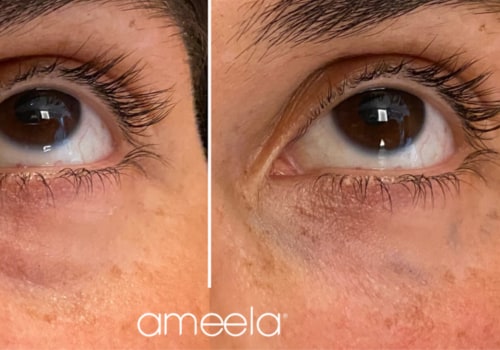
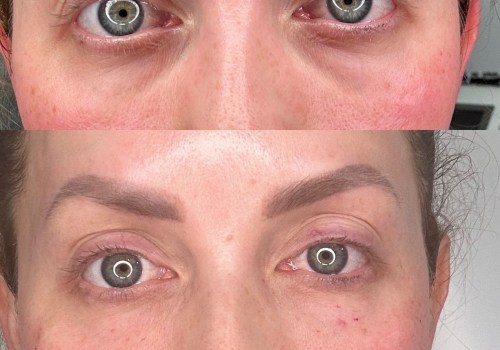
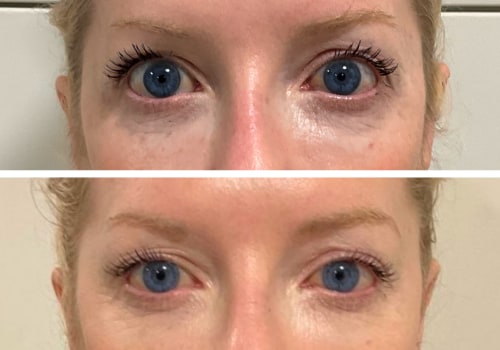
Polynucleotides are naturally occurring molecules that play a crucial role in the biological processes of all living organisms. Derived primarily from the DNA of wild salmon, these fragments consist of chains of nucleotides, which are the building blocks of genetic material. In the realm of aesthetic medicine, polynucleotides have emerged as a revolutionary treatment option, particularly for skin rejuvenation. Their unique properties not only facilitate cellular repair but also enhance the skin's overall quality, making them a valuable addition to various cosmetic procedures.The benefits of polynucleotides in skincare are manifold.
Firstly, they promote tissue regeneration by stimulating the production of collagen and elastin, two essential proteins that contribute to skin elasticity and firmness. This regenerative effect helps to combat common signs of aging, such as fine lines, wrinkles, and sagging skin. Additionally, polynucleotides improve skin hydration by enhancing moisture retention, resulting in a plumper and more youthful appearance. Patients often report noticeable improvements in skin texture and tone shortly after treatment, making polynucleotides an attractive option for those seeking non-invasive solutions to enhance their complexion.Understanding how polynucleotides work is key to appreciating their effectiveness in aesthetic treatments.
When injected into the skin, these molecules interact with various cellular receptors, triggering a cascade of biological responses that lead to tissue repair and regeneration. This process not only revitalises the skin but also helps to restore its natural barrier function, protecting it from environmental stressors. As a result, polynucleotide treatments can be seamlessly integrated with other cosmetic procedures, such as Botox or dermal fillers, to achieve comprehensive rejuvenation and optimal results.
What is Botox?
Botox, a brand name for botulinum toxin type A, is a widely recognised injectable treatment primarily used for reducing the appearance of facial wrinkles and fine lines. It is derived from the bacterium Clostridium botulinum, which, when used in controlled doses, can temporarily paralyse specific muscles.This muscle relaxation is what makes Botox an effective solution for achieving a smoother, more youthful complexion.
How Does Botox Work?
When injected into targeted facial muscles, Botox blocks the release of acetylcholine, a neurotransmitter responsible for muscle contraction. By inhibiting this signal, Botox effectively relaxes the muscles that cause dynamic wrinkles—those that appear during facial expressions such as frowning or smiling. The result is a significant reduction in the visibility of these lines, leading to a more refreshed and rejuvenated appearance.
Benefits of Botox
- Immediate Results: Many patients notice improvements within 24 to 48 hours after treatment, with optimal results visible after about two weeks.
- Non-Surgical: Botox is a minimally invasive procedure that requires no downtime, allowing individuals to return to their daily activities almost immediately.
- Versatile Treatment: While commonly used for forehead lines, crow's feet, and frown lines, Botox can also be employed for various medical conditions such as excessive sweating (hyperhidrosis), migraines, and even certain muscular disorders.
- Long-Lasting Effects: The effects of Botox typically last between three to six months, making it a convenient option for those seeking ongoing maintenance of their youthful appearance.
- Preventative Benefits: Regular Botox treatments can help prevent the formation of new wrinkles by limiting muscle movement over time, making it an excellent option for younger individuals looking to maintain their skin's elasticity.
Can You Combine Polynucleotides and Botox?
When considering aesthetic treatments, many individuals wonder about the possibility of combining polynucleotides with Botox during the same appointment.This inquiry is particularly relevant for those seeking to enhance their skin's appearance while also addressing fine lines and wrinkles. The good news is that these two treatments can indeed be safely administered together, offering a synergistic approach to skin rejuvenation.
Safety of Combining Treatments
Both polynucleotides and Botox are well-established in the field of aesthetic medicine, each serving distinct yet complementary purposes. Polynucleotides, derived from salmon DNA, work at a cellular level to promote tissue repair and regeneration, enhancing skin quality over time. On the other hand, Botox temporarily relaxes the muscles responsible for dynamic wrinkles, providing immediate smoothing effects.When performed by a qualified medical professional, the combination of these treatments poses minimal risks.
The primary concerns associated with injectable procedures—such as bruising and swelling—are generally mild and manageable. A skilled practitioner will ensure that both treatments are administered in a manner that maximises benefits while minimising potential side effects.
Effectiveness of Combination Treatments
The effectiveness of combining polynucleotides with Botox lies in their ability to address different aspects of skin aging. While Botox provides quick results by reducing muscle activity, polynucleotides work gradually to improve skin texture and hydration. This dual approach not only enhances the overall aesthetic outcome but also promotes long-term skin health.Patients often report a more youthful appearance when these treatments are combined, as polynucleotides can help to improve the skin's elasticity and resilience, creating a more natural look that complements the immediate effects of Botox.
Furthermore, using polynucleotides as a pre-treatment can prepare the skin for Botox injections, potentially leading to better results.In conclusion, combining polynucleotides and Botox during the same appointment is not only safe but can also be highly effective. For those looking to achieve comprehensive rejuvenation results, consulting with a trained professional will help determine the best treatment plan tailored to individual needs.
Benefits of Combining Treatments
Combining polynucleotides and Botox in a single treatment session offers a range of benefits that can significantly enhance the overall quality and appearance of the skin. Each treatment has its unique properties, and when used together, they can create a synergistic effect that maximises results.1.Enhanced Skin Quality
Polynucleotides are known for their regenerative properties, promoting cellular repair and improving skin hydration. When paired with Botox, which temporarily relaxes facial muscles to reduce the appearance of fine lines and wrinkles, the combination can lead to a more youthful and revitalised complexion.
The polynucleotides work at a deeper level to improve skin texture and elasticity, while Botox addresses surface-level concerns.
2.Comprehensive Anti-Aging Solution
Using both treatments together allows for a comprehensive approach to anti-aging. While Botox effectively smooths out dynamic wrinkles caused by muscle movement, polynucleotides help to restore volume and firmness to the skin. This dual-action approach not only targets existing signs of aging but also helps prevent future wrinkles from forming.
3.Reduced Downtime
Patients often seek treatments that require minimal recovery time. By combining polynucleotides with Botox, the downtime associated with each individual treatment can be reduced.
Since both treatments are minimally invasive, patients can enjoy improved results without significant interruption to their daily lives.
4.Improved Longevity of Results
The regenerative effects of polynucleotides can enhance the longevity of Botox results. By improving skin quality and hydration, polynucleotides may help maintain the effects of Botox for a longer period, allowing patients to enjoy their youthful appearance without frequent touch-ups.
5.Tailored Treatment Plans
Every individual’s skin is unique, and combining these treatments allows for a more tailored approach to skincare. A qualified practitioner can assess specific skin concerns and create a personalised treatment plan that incorporates both polynucleotides and Botox, ensuring optimal results based on individual needs.In conclusion, the combination of polynucleotides and Botox not only enhances aesthetic outcomes but also promotes overall skin health. This innovative approach is becoming increasingly popular among those seeking effective solutions for rejuvenation, making it an excellent option for anyone looking to improve their skin's appearance.
What to Expect During Your Appointment
When you arrive for your appointment to receive both polynucleotides and Botox, you can expect a comprehensive and tailored experience designed to enhance your skin's appearance.The process typically begins with a thorough consultation, where your practitioner will assess your skin condition, discuss your aesthetic goals, and explain the benefits of combining these two treatments.
Initial Consultation
- Your practitioner will review your medical history to ensure you are a suitable candidate for both treatments.
- They will discuss any concerns you may have and outline what to expect during the procedure.
- A personalised treatment plan will be created based on your specific needs.
The Treatment Process
The actual treatment session usually involves the following steps:
- Preparation: The area to be treated will be cleansed thoroughly. A topical anaesthetic may be applied to minimise discomfort during the injections.
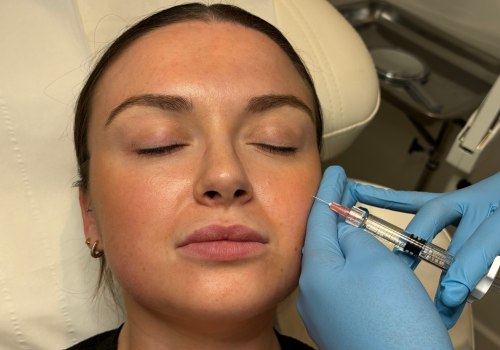
- Polynucleotide Injection: Your practitioner will begin by injecting polynucleotides into targeted areas of the skin. This step aims to stimulate collagen production and improve skin texture.
- Botox Injection: Following the polynucleotide treatment, Botox will be injected into specific muscles to reduce the appearance of fine lines and wrinkles. The combination of these treatments can enhance overall results by addressing both skin quality and muscle movement.
Potential Side Effects
While both treatments are generally safe, some patients may experience mild side effects, including:
- Swelling or redness at the injection sites
- Bruising, which is usually temporary
- Slight discomfort during the injections
Aftercare Tips
To ensure optimal results and minimise any potential side effects, follow these aftercare recommendations:
- Avoid strenuous exercise for at least 24 hours post-treatment.
- Refrain from touching or massaging the treated areas for several days.
- Stay hydrated and maintain a good skincare routine to support healing.
- If you experience significant swelling or discomfort, consult your practitioner for advice.
Who Should Consider This Combination?
When considering the combination of polynucleotides and Botox, it is essential to identify who would benefit most from this synergistic approach.Ideal candidates typically include individuals seeking to enhance their skin's overall quality while also addressing specific concerns such as fine lines and wrinkles.
Who is Suitable for This Combination?
- Age Group: Generally, adults aged 30 and above are prime candidates, as this is when signs of aging become more pronounced. However, younger individuals may also consider this combination for preventative measures.
- Skin Concerns: Those experiencing issues like loss of elasticity, uneven skin tone, or early signs of aging can greatly benefit from the regenerative properties of polynucleotides alongside the wrinkle-smoothing effects of Botox.
- Health Status: Candidates should be in good health without any underlying conditions that could complicate treatment. A thorough consultation with a qualified practitioner is crucial to assess individual health factors.
Contraindications and Considerations
While many can benefit from this combination, certain contraindications must be considered:
- Allergies: Individuals with known allergies to any components in the polynucleotide formulation or Botox should avoid these treatments.
- Pregnancy and Breastfeeding: Women who are pregnant or breastfeeding are generally advised against undergoing these procedures due to potential risks.
- Autoimmune Disorders: Those with autoimmune conditions may experience adverse reactions and should consult their healthcare provider before proceeding.
- Recent Treatments: If a patient has recently undergone other aesthetic procedures, it is essential to allow adequate time for recovery before combining treatments.
Consultation with a Professional
Before embarking on any aesthetic treatment, including the combination of polynucleotides and Botox, it is crucial to consult with a qualified professional.This initial consultation serves as a vital step in ensuring that you receive tailored advice and treatment that aligns with your individual skin needs and aesthetic goals.During your consultation, a skilled practitioner will assess your skin condition, discuss your concerns, and evaluate whether polynucleotides and Botox are suitable for you. This assessment is essential as it allows the practitioner to create a personalised treatment plan that maximises the benefits of both treatments while minimising potential risks.
Choosing a Qualified Practitioner
Selecting the right practitioner is paramount to achieving optimal results. Look for professionals who are not only qualified but also have extensive experience in administering both polynucleotide treatments and Botox. Consider the following factors when making your choice:- Qualifications: Ensure that the practitioner holds relevant medical qualifications and certifications in aesthetic treatments.
- Experience: Inquire about their experience specifically with polynucleotides and Botox.
A practitioner with a proven track record will likely provide better outcomes.
- Reviews and Testimonials: Research online reviews or ask for testimonials from previous clients to gauge their satisfaction with the practitioner's work.
- Consultation Approach: A good practitioner should take the time to listen to your concerns, answer your questions, and explain the procedures thoroughly.
Questions to Ask During Consultation
Conclusion: Making an Informed Decision
In conclusion, the integration of polynucleotides and Botox within the same treatment session presents a promising opportunity for individuals seeking comprehensive skin rejuvenation. As we have explored throughout this article, both treatments offer unique benefits that can enhance the overall aesthetic outcome when used in conjunction.Polynucleotides, derived from natural sources, play a crucial role in skin regeneration by promoting cellular repair and improving skin quality. Their ability to hydrate and rejuvenate the skin makes them an excellent precursor to other injectable treatments, including Botox.By preparing the skin with polynucleotides, patients may experience enhanced results from Botox injections, which primarily target dynamic wrinkles and fine lines.However, it is essential to approach these treatments with careful consideration. Here are some key points to keep in mind:
- Consultation is Key: Always seek a professional consultation before undergoing any aesthetic treatment. A qualified practitioner can assess your individual skin needs and recommend the most suitable combination of treatments.
- Understanding Treatment Goals: Clearly define your aesthetic goals. Whether you aim to reduce signs of aging or improve skin texture, understanding how polynucleotides and Botox can work together will help you achieve your desired results.
- Safety First: Ensure that both treatments are administered by a trained professional in a reputable clinic.
This will minimise risks and enhance the effectiveness of the procedures.
- Post-Treatment Care: Follow any aftercare instructions provided by your practitioner to optimise healing and results.