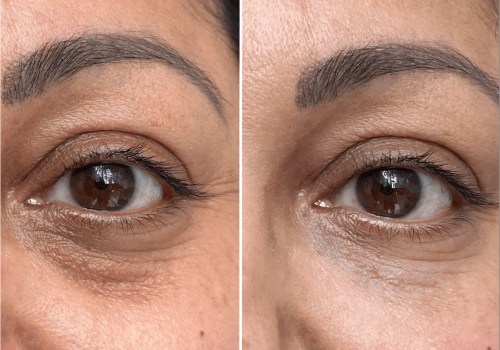
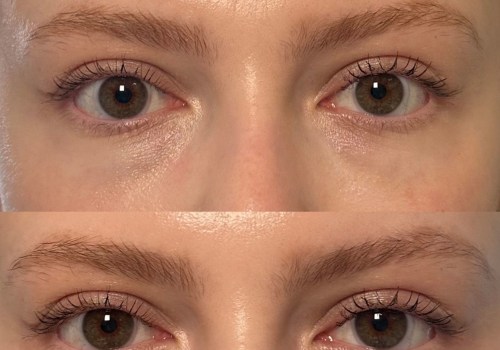
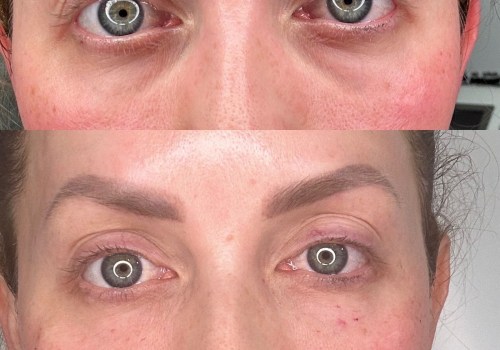
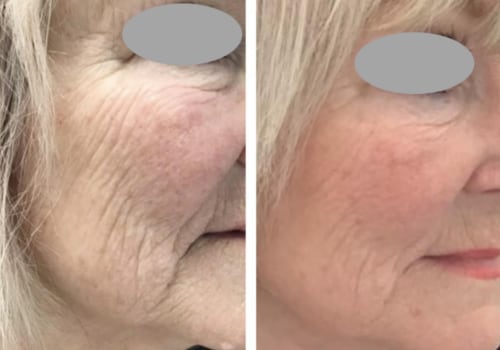
In the ever-evolving world of aesthetic treatments, the quest for youthful, radiant skin has led to the emergence of various innovative solutions. Among these, polynucleotides and dermal fillers have gained significant attention for their unique properties and benefits. Understanding these two options is essential for anyone considering skin rejuvenation, as they cater to different needs and desired outcomes.
Polynucleotides
, derived from natural sources, are biopolymers that play a crucial role in cellular repair and regeneration. They work by stimulating the body’s own collagen production, leading to improved skin texture, elasticity, and hydration over time.
This gradual enhancement makes polynucleotides an appealing choice for those seeking a more natural approach to skin rejuvenation. Unlike traditional fillers, which provide immediate volume and contouring effects, polynucleotides focus on enhancing the overall quality of the skin.On the other hand, fillers , typically composed of substances like hyaluronic acid, offer instant results by adding volume to specific areas of the face. They are particularly effective in addressing concerns such as deep wrinkles, fine lines, and loss of facial volume due to ageing. While fillers can create a more youthful appearance almost immediately, their effects are temporary and often require regular maintenance sessions to sustain the desired look.This section aims to delve deeper into the characteristics of polynucleotides and fillers, exploring their respective advantages and limitations.
By understanding these differences, individuals can make informed decisions about which treatment aligns best with their aesthetic goals and skin health needs.
What are Polynucleotides?
Polynucleotides are naturally occurring biopolymers composed of nucleotide sequences, which are the building blocks of DNA and RNA. These molecules play a crucial role in various biological processes, including cellular repair and regeneration. In the realm of skincare, polynucleotides have emerged as a revolutionary ingredient, particularly in aesthetic treatments aimed at enhancing skin health and rejuvenation.One of the primary benefits of polynucleotides is their ability to stimulate collagen production. Collagen is a vital protein that provides structure and elasticity to the skin.As we age, collagen levels naturally decline, leading to sagging skin and the formation of wrinkles. By introducing polynucleotides into the skin through injections, practitioners can encourage the body’s natural healing processes, resulting in improved skin texture and firmness over time.Moreover, polynucleotides are known for their hydrating properties. They enhance the skin's moisture retention capabilities, which is essential for maintaining a youthful appearance. This hydration not only helps to plump the skin but also reduces the visibility of fine lines and enhances overall skin tone.Polynucleotide injections are minimally invasive procedures that can be performed in a clinical setting.
During treatment, a practitioner injects a solution containing polynucleotides into targeted areas of the skin. The procedure typically requires little to no downtime, making it an attractive option for individuals seeking effective yet convenient skincare solutions.In addition to their aesthetic benefits, polynucleotides also possess regenerative properties that can aid in healing damaged tissues. This makes them particularly beneficial for individuals with scars or other skin imperfections. By promoting cellular turnover and repair, polynucleotides can help restore a more youthful and vibrant complexion.In summary, polynucleotides represent a significant advancement in skincare technology.
Their natural origins and multifaceted benefits make them an appealing choice for those looking to improve their skin health. Whether through enhancing hydration, stimulating collagen production, or aiding in tissue repair, polynucleotide injections offer a promising avenue for achieving long-lasting skin rejuvenation.
What are Dermal Fillers?
Dermal fillers are injectable substances used in aesthetic treatments to restore volume, smooth out wrinkles, and enhance facial contours. They have gained immense popularity due to their ability to provide immediate results with minimal downtime. Understanding the various types of dermal fillers and their benefits can help individuals make informed decisions about their cosmetic procedures.Types of Dermal Fillers
There are several types of dermal fillers available, each designed for specific purposes:- Hyaluronic Acid Fillers: These are the most common type of fillers, made from a substance naturally found in the body.
They are known for their ability to retain moisture, providing hydration and volume. Popular brands include Juvederm and Restylane.
- Calcium Hydroxylapatite Fillers: This type is composed of a mineral-like compound found in bones. It is thicker than hyaluronic acid fillers and is often used for deeper lines and wrinkles. Radiesse is a well-known brand in this category.
- Poly-L-lactic Acid Fillers: These stimulate collagen production over time, gradually improving skin texture and volume.
Sculptra is a popular choice for those looking for long-lasting results.
- Fat Grafting: This involves transferring fat from one part of the body to another, providing a natural alternative to synthetic fillers. It can offer longer-lasting results but requires a more invasive procedure.
Benefits of Dermal Fillers
The advantages of using dermal fillers extend beyond mere aesthetics:- Immediate Results: One of the most appealing aspects of dermal fillers is the instant improvement they provide. Patients can see changes immediately after treatment, making them ideal for special occasions.
- Minimally Invasive: Unlike surgical options, dermal fillers require no incisions or lengthy recovery times. Most procedures can be completed within an hour, allowing patients to return to their daily activities quickly.
- Customisable Treatments: Fillers can be tailored to meet individual needs, whether it’s enhancing lips, filling in hollows under the eyes, or smoothing out nasolabial folds.
- Long-Lasting Effects: While results vary depending on the type of filler used, many can last from six months to two years, providing significant value for patients seeking long-term improvements.
With various types available and numerous benefits, they remain a popular choice in the realm of aesthetic treatments.
Comparing Results: Immediate vs Gradual Improvements
When considering aesthetic treatments, understanding the difference between the immediate results provided by dermal fillers and the gradual improvements offered by polynucleotides is crucial for making an informed decision. Each option caters to different needs and expectations, and recognising these distinctions can significantly impact your satisfaction with the treatment.Immediate Results with Fillers
Dermal fillers are renowned for their ability to deliver instant results. Upon injection, they add volume to specific areas of the face, effectively smoothing out wrinkles and enhancing contours. This immediate gratification makes fillers particularly appealing for individuals seeking quick fixes before special events or occasions.
The effects of fillers can last anywhere from several months to a couple of years, depending on the type of filler used and the area treated.However, while fillers provide a rapid transformation, they do come with certain limitations. The results are temporary, necessitating regular touch-ups to maintain the desired appearance. Additionally, fillers primarily focus on volumisation rather than improving skin quality or texture. For those who desire a more youthful look without addressing underlying skin health, fillers may seem like an ideal solution.
Gradual Improvements with Polynucleotides
In contrast, polynucleotides offer a more subtle approach to skin rejuvenation.
Rather than providing immediate volume, these treatments work by stimulating the body’s natural processes to enhance skin quality over time. Polynucleotides promote collagen production and improve hydration, leading to a gradual improvement in skin elasticity and texture.This gradual enhancement means that while patients may not see instant results, the long-term benefits can be more significant. Over time, polynucleotides can lead to healthier-looking skin that appears more vibrant and youthful. Furthermore, because they focus on improving the skin's overall health rather than merely filling in lines or adding volume, polynucleotides can result in a more natural appearance.Ultimately, the choice between fillers and polynucleotides hinges on individual aesthetic goals.
If immediate results are paramount, fillers may be the preferred option. However, for those prioritising long-term skin health and gradual improvements in texture and elasticity, polynucleotides present a compelling alternative.
Longevity of Results: How Long Do They Last?
When considering aesthetic treatments, one of the most significant factors to evaluate is the longevity of results. Both polynucleotides and dermal fillers offer unique benefits, but they differ considerably in how long their effects last and the maintenance required to sustain those results.Longevity of Fillers
Dermal fillers, particularly those based on hyaluronic acid, typically provide immediate results that can last anywhere from six months to two years, depending on various factors such as the type of filler used, the area treated, and individual skin characteristics. For instance:- Hyaluronic Acid Fillers: These are among the most popular options and can last between six to twelve months.
They are often used for areas requiring volume restoration, such as cheeks or lips.
- Calcium Hydroxylapatite Fillers: These tend to have a longer duration, lasting up to 18 months, making them suitable for deeper wrinkles and facial contouring.
- Poly-L-lactic Acid Fillers: Known for stimulating collagen production, these can last up to two years but require multiple sessions for optimal results.
Longevity of Polynucleotides
In contrast, polynucleotides offer a different approach to skin rejuvenation. While they do not provide immediate volume like fillers, their effects are more gradual and long-lasting. The results from polynucleotide treatments can continue to improve over time as they stimulate collagen production and enhance skin hydration.Typically, the effects can last anywhere from six months to two years, depending on:
- Individual Skin Type: Factors such as age, skin condition, and lifestyle can influence how long the results last.
- Treatment Frequency: Regular sessions can help maintain and even enhance the benefits over time.
Who Should Choose Polynucleotides?
When considering polynucleotide treatments, it is essential to identify the ideal candidates who can benefit most from this innovative approach to skin rejuvenation. Unlike traditional dermal fillers, which primarily focus on adding volume, polynucleotides offer a more holistic enhancement by improving skin quality and texture over time.Therefore, understanding who should opt for polynucleotide treatments can help individuals make informed decisions about their aesthetic goals.
1.Individuals Seeking Long-Term Skin Health
- Polynucleotides are particularly suitable for those who prioritise long-term skin health over immediate results. If you are looking to enhance your skin's elasticity, hydration, and overall quality rather than just filling in wrinkles or adding volume, polynucleotides may be the right choice for you.
2.Patients with Fine Lines and Skin Laxity
- Those experiencing early signs of ageing, such as fine lines and mild skin laxity, can benefit significantly from polynucleotide treatments. This injectable option stimulates collagen production, leading to gradual improvements in skin firmness and texture.
3.Individuals with Sensitive Skin
- For people with sensitive skin or those prone to adverse reactions from traditional fillers, polynucleotides present a safer alternative. As they are derived from natural sources, the risk of complications is generally lower.
4.Patients Looking for Natural Results
- If you prefer a more subtle enhancement that looks natural rather than artificially plumped, polynucleotides can provide a gentle rejuvenation effect.
This treatment focuses on improving the skin's underlying structure rather than merely masking imperfections.
5.Those Interested in Preventative Treatments
- Polynucleotides can also be an excellent option for younger individuals looking to prevent signs of ageing before they become pronounced. By starting treatment early, you can maintain your skin's vitality and delay the onset of more significant ageing signs.
Who Should Choose Fillers?
Dermal fillers have become a popular choice for individuals seeking to enhance their facial aesthetics. However, not everyone is an ideal candidate for this treatment.Understanding who should consider fillers is crucial for achieving the best results and ensuring satisfaction with the outcome.
1.Individuals with Volume Loss
One of the primary reasons people opt for dermal fillers is to address volume loss in specific areas of the face. As we age, our skin naturally loses collagen and fat, leading to a sunken appearance, particularly in the cheeks, temples, and under-eye areas. Those experiencing significant volume depletion may find that fillers can effectively restore a youthful contour and enhance facial symmetry.
2.Candidates Seeking Immediate Results
For individuals who desire quick improvements in their appearance, dermal fillers are an excellent option. The results are often visible immediately after the treatment, making them ideal for those preparing for special occasions or events.
If you are looking for a fast solution to enhance your features without waiting for gradual changes, fillers may be the right choice.
3.People with Specific Concerns
- Wrinkles and Fine Lines: Fillers can effectively smooth out fine lines and wrinkles, particularly around the mouth (nasolabial folds) and forehead.
- Lips Enhancement: Those wishing to achieve fuller lips or improve lip definition often turn to fillers for a plumper appearance.
- Facial Contouring: Fillers can sculpt and define facial features, such as enhancing cheekbones or creating a more pronounced jawline.
4.Individuals with Realistic Expectations
It is essential for candidates to have realistic expectations regarding the outcomes of filler treatments. While fillers can significantly enhance appearance, they are not a permanent solution and do not stop the aging process. Those who understand this and seek enhancement rather than perfection are more likely to be satisfied with their results.
5.Healthy Individuals
Ideal candidates should be in good health and free from any medical conditions that could complicate the treatment process or recovery. A thorough consultation with a qualified practitioner will help determine if you are a suitable candidate based on your medical history and skin condition.In summary, dermal fillers are best suited for individuals experiencing volume loss, seeking immediate results, having specific aesthetic concerns, maintaining realistic expectations, and being in good health.
If you identify with these characteristics, fillers could be an effective option to enhance your natural beauty.
Combining Treatments: Can They Work Together?
In the realm of aesthetic treatments, the combination of polynucleotides and dermal fillers is gaining traction among practitioners and patients alike. This synergy can potentially enhance the overall results, offering a more comprehensive approach to skin rejuvenation. Understanding how these two treatments can work together is essential for anyone considering aesthetic enhancements.Polynucleotides, known for their ability to stimulate collagen production and improve skin quality, can complement the volumising effects of dermal fillers. While fillers provide immediate volume and contouring, polynucleotides work gradually to enhance skin texture and elasticity over time.This dual approach can lead to more natural-looking results, as the skin not only appears fuller but also healthier and more vibrant.
Synergistic Effects of Combining Treatments
The synergistic effects of combining polynucleotides and fillers can be particularly beneficial in areas where skin laxity and volume loss coexist. For instance, in the mid-face region, using fillers to restore volume while simultaneously injecting polynucleotides can improve skin quality, leading to a more youthful appearance. This combination addresses both immediate concerns and long-term skin health.Moreover, polynucleotides can help mitigate some of the common side effects associated with fillers, such as swelling or bruising. By promoting healing and enhancing skin hydration, polynucleotides may reduce recovery time and improve overall satisfaction with the treatment.Creating an Effective Treatment Plan
When considering a treatment plan that incorporates both polynucleotides and fillers, it is crucial to consult with a qualified aesthetic practitioner.They can assess your individual needs and goals, ensuring that the combination is tailored specifically for you. A well-structured treatment plan might involve:
- Initial Consultation: Discuss your aesthetic goals and concerns with your practitioner.
- Assessment: Evaluate skin quality, volume loss, and areas requiring enhancement.
- Treatment Schedule: Develop a timeline for administering polynucleotides and fillers to achieve optimal results.
- Follow-Up Care: Schedule follow-up appointments to monitor progress and make adjustments as necessary.
<strong>Conclusion</strong>
In the ongoing debate between polynucleotides and traditional dermal fillers, it is essential to recognise that both treatments have their unique advantages and applications.While dermal fillers are renowned for their ability to provide immediate volume and contouring, polynucleotides offer a more gradual yet profound enhancement of skin quality.For individuals seeking instant results, dermal fillers remain the go-to option. They can effectively address concerns such as deep wrinkles, loss of volume in the cheeks, and fine lines around the mouth. The results are visible almost immediately, making them ideal for those who desire a quick fix before an event or special occasion.However, the allure of polynucleotides lies in their long-term benefits. By stimulating collagen production and enhancing skin hydration, polynucleotides work to improve skin texture and elasticity over time.
This gradual approach not only leads to a more natural appearance but also contributes to overall skin health. As the skin becomes firmer and more resilient, the results can often surpass those achieved with fillers alone.Moreover, polynucleotides are less likely to cause complications compared to fillers, particularly in sensitive areas such as under the eyes. Their natural composition allows for safer integration into the skin, reducing the risk of adverse reactions.Ultimately, the choice between polynucleotides and fillers should be guided by individual goals and skin conditions. For those prioritising immediate aesthetic improvements, fillers may be preferable.
Conversely, if enhancing skin quality and achieving a youthful glow over time is the objective, polynucleotides present a compelling option.In conclusion, understanding the differences between these two treatments is crucial for making an informed decision. Consulting with a qualified aesthetic professional can provide personalised insights tailored to your specific needs, ensuring that you choose the best path for your skincare journey.