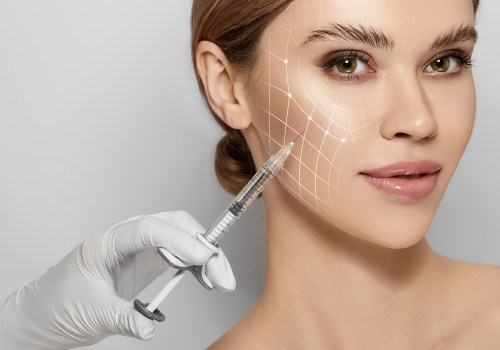
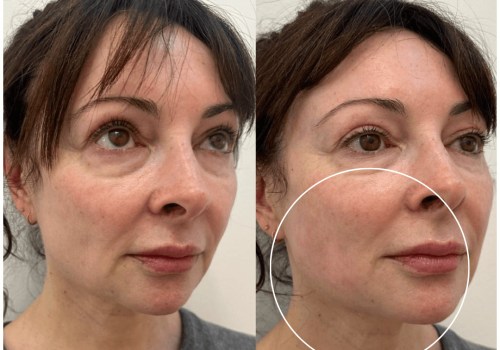
In the ever-evolving world of cosmetic treatments, skin stimulants have emerged as a pivotal category, offering innovative solutions for various skin concerns. These treatments are designed to enhance the skin's natural processes, promoting rejuvenation and vitality. Among the most notable skin stimulants are polynucleotides and Profhilus, each boasting unique properties and benefits that cater to different aesthetic needs.Polynucleotides, derived from the building blocks of DNA and RNA, play a crucial role in cellular repair and regeneration. Their ability to stimulate collagen production and improve skin elasticity makes them a sought-after option for individuals looking to combat signs of aging, such as fine lines and sagging skin.
On the other hand, Profhilus utilises stabilised hyaluronic acid to provide deep hydration and volume, addressing issues related to skin laxity and dryness. This distinction highlights the diverse approaches these treatments take in enhancing skin quality.The significance of understanding these skin stimulants cannot be overstated. As consumers become more informed about their skincare options, the demand for effective and scientifically-backed treatments continues to rise. By exploring the mechanisms of action, benefits, and potential drawbacks of polynucleotides and Profhilus, individuals can make informed decisions tailored to their specific skin concerns.
This guide aims to delve deeper into these two prominent treatments, providing a comprehensive comparison that will empower readers in their quest for optimal skin health.
What are Polynucleotides?
Polynucleotides are naturally occurring biopolymers composed of nucleotide monomers, which are the building blocks of DNA and RNA. These molecules play a crucial role in various biological processes, including cellular repair and regeneration. In the context of aesthetic medicine, polynucleotides have gained significant attention for their ability to enhance skin health and appearance.The composition of polynucleotides includes a sequence of nucleotides linked together by phosphodiester bonds. Each nucleotide consists of three components: a phosphate group, a sugar molecule (deoxyribose in DNA and ribose in RNA), and a nitrogenous base (adenine, thymine, cytosine, or guanine for DNA; adenine, uracil, cytosine, or guanine for RNA).This unique structure allows polynucleotides to perform essential functions within the body, particularly in the stimulation of cellular activity.
Benefits of Polynucleotides
- Cellular Regeneration: Polynucleotides promote the regeneration of skin cells by stimulating fibroblast activity. Fibroblasts are responsible for producing collagen and elastin, two proteins that provide structure and elasticity to the skin.
- Hydration: These molecules enhance skin hydration by attracting water molecules, leading to improved moisture retention and a plumper appearance.
- Anti-inflammatory Properties: Polynucleotides possess anti-inflammatory effects that can help reduce redness and irritation in the skin, making them suitable for individuals with sensitive or reactive skin conditions.
- Wound Healing: The regenerative properties of polynucleotides aid in wound healing by accelerating tissue repair processes and reducing scarring.
How Polynucleotides Work
At a cellular level, polynucleotides function by interacting with specific receptors on cell membranes. This interaction triggers a cascade of biological responses that lead to increased cell proliferation and migration. As a result, the skin undergoes a rejuvenation process that enhances its overall texture and tone.Moreover, polynucleotide treatments can be administered through injections directly into the dermis, allowing for targeted delivery to areas requiring rejuvenation.
This method ensures that the active components reach the deeper layers of the skin where they can exert their beneficial effects most effectively.In summary, polynucleotides represent a powerful tool in aesthetic medicine, offering numerous benefits for skin health through their regenerative capabilities. Their ability to stimulate cellular activity makes them an attractive option for individuals seeking to improve their skin's appearance and overall condition.
The Mechanism of Action of Polynucleotides
Polynucleotides are increasingly recognised in the field of aesthetic medicine for their remarkable ability to promote skin regeneration and repair. Understanding how these molecules function at a cellular level is crucial for appreciating their benefits in skincare treatments.At the core of their action, polynucleotides are composed of nucleotides, which are the building blocks of DNA and RNA. When injected into the skin, they stimulate various biological processes that enhance skin health.Here’s how they work:
- Cellular Repair: Polynucleotides play a vital role in cellular repair mechanisms. They help to activate fibroblasts, the cells responsible for producing collagen and elastin. This activation leads to increased collagen synthesis, which is essential for maintaining skin structure and firmness.
- Hydration: One of the key benefits of polynucleotides is their ability to improve skin hydration. They attract and retain moisture within the skin, enhancing its overall hydration levels.
This is particularly beneficial for individuals with dry or dehydrated skin, as it helps to restore a plump and youthful appearance.
- Elasticity Improvement: By promoting collagen and elastin production, polynucleotides contribute significantly to improving skin elasticity. As we age, our skin loses its natural elasticity, leading to sagging and wrinkles. The regenerative properties of polynucleotides help counteract this process, resulting in firmer and more resilient skin.
- Anti-inflammatory Effects: In addition to their regenerative capabilities, polynucleotides possess anti-inflammatory properties. This makes them suitable for treating various skin conditions such as acne, rosacea, and eczema.
By reducing inflammation, they help to soothe irritated skin and promote a clearer complexion.
What is Profhilus?
Profhilus is an innovative injectable skin stimulant that has gained significant attention in the field of aesthetic medicine.Formulated from stabilised hyaluronic acid , Profhilus is designed to enhance skin hydration, volume, and overall texture. Its unique composition allows it to not only provide immediate results but also stimulate the body’s natural processes for long-term skin improvement.One of the primary benefits of Profhilus is its ability to deeply hydrate the skin. The hyaluronic acid in Profhilus acts as a moisture magnet, attracting and retaining water within the skin layers. This deep hydration helps to plump the skin, reducing the appearance of fine lines and wrinkles, and giving the face a more youthful and vibrant look.In addition to hydration, Profhilus promotes the production of collagen and elastin , two essential proteins that contribute to skin firmness and elasticity.
As we age, our bodies produce less collagen and elastin, leading to sagging skin and loss of volume. By stimulating the production of these proteins, Profhilus helps restore the skin’s structural integrity, resulting in a firmer and more resilient appearance.Another notable feature of Profhilus is its versatility. It can be used on various areas of the face, including the cheeks, nasolabial folds, and even around the eyes. This adaptability makes it an excellent choice for individuals seeking comprehensive facial rejuvenation.The treatment process itself is relatively straightforward.
After a thorough consultation with a qualified practitioner, small amounts of Profhilus are injected into targeted areas of the skin. The procedure typically takes less than an hour, with minimal downtime required. Most patients can return to their daily activities immediately after treatment.In summary, Profhilus stands out as a powerful skin stimulant that not only provides immediate aesthetic benefits but also encourages long-term skin health through enhanced hydration and collagen production. Its unique formulation and ease of use make it a popular choice among those looking to rejuvenate their appearance while maintaining natural-looking results.
The Mechanism of Action of Profhilus
Profhilus operates through a sophisticated mechanism that targets the skin's structural integrity and hydration levels.At its core, this injectable treatment is formulated with stabilised hyaluronic acid, a substance renowned for its ability to retain moisture and enhance skin elasticity. When injected into the dermal layer, Profhilus works by creating a matrix that not only hydrates but also supports the skin's natural architecture.One of the primary ways Profhilus enhances skin quality is by stimulating collagen production. Collagen is a vital protein that provides structure and firmness to the skin. As we age, collagen production naturally declines, leading to signs of laxity and wrinkles.
Profhilus encourages fibroblasts—cells responsible for collagen synthesis—to increase their activity. This results in a gradual replenishment of collagen levels, which can significantly improve skin texture and firmness over time.Moreover, the hyaluronic acid in Profhilus not only hydrates but also promotes a plumping effect. By attracting and binding water molecules, it helps to restore volume to areas that may have lost fullness due to ageing or environmental factors. This dual action of hydration and collagen stimulation makes Profhilus particularly effective for individuals seeking to combat skin laxity.In addition to its hydrating properties, Profhilus also possesses anti-inflammatory benefits.
This can be particularly advantageous for those with sensitive skin or conditions such as rosacea or eczema. By reducing inflammation, Profhilus helps create a more balanced skin environment, allowing for better absorption of nutrients and overall improvement in skin health.In summary, the mechanism of action of Profhilus is multifaceted, combining hydration, collagen stimulation, and anti-inflammatory effects to rejuvenate the skin effectively. This makes it an excellent choice for those looking to enhance their skin's appearance while addressing issues related to laxity and dryness.
Comparing Polynucleotides and Profhilus
When considering skin rejuvenation treatments, polynucleotides and Profhilus stand out as two prominent options, each offering unique benefits and mechanisms of action. Understanding their differences is crucial for anyone looking to enhance their skin's appearance.Benefits of Polynucleotides
- Cell Regeneration: Polynucleotides are known for their ability to stimulate cellular repair and regeneration.
This makes them particularly effective for addressing various skin concerns, including fine lines, wrinkles, and overall skin texture.
- Anti-inflammatory Properties: These treatments also possess anti-inflammatory benefits, making them suitable for individuals with conditions such as acne or rosacea.
- Longevity of Results: One of the most significant advantages of polynucleotide treatments is their longevity. Results can last up to six months or even longer after a series of sessions, providing a more extended period of visible improvement.
Benefits of Profhilus
- Hydration and Volume: Profhilus primarily focuses on deep hydration and adding volume to the skin. It is particularly beneficial for those experiencing skin laxity or dryness.
- Collagen Stimulation: This treatment also promotes collagen and elastin production, which enhances skin firmness and elasticity over time.
- Immediate Results: Many patients report seeing immediate improvements in skin texture and hydration following Profhilus treatments.
Treatment Protocols
The treatment protocols for both options vary slightly. Polynucleotide treatments typically require two to three sessions spaced two to four weeks apart, while Profhilus may also follow a similar schedule but often yields quicker visible results after the first session.
Cost Considerations
In terms of cost, polynucleotide treatments tend to be slightly more expensive than Profhilus due to their advanced formulation and longer-lasting effects.
However, the investment may be justified by the extended duration of results.Ultimately, the choice between polynucleotides and Profhilus will depend on individual skin concerns, desired outcomes, and budget considerations. Consulting with a qualified aesthetic professional can help determine which treatment aligns best with your skincare goals.
Potential Side Effects and Considerations
When considering skin treatments such as polynucleotides and Profhilus, it is crucial to be aware of the potential side effects and treatment risks associated with each option. Understanding these factors can help patients make informed decisions and prepare for their post-treatment experience.Side Effects of Polynucleotides
Polynucleotide treatments, while generally well-tolerated, can lead to some mild side effects. Common reactions include:- Redness: Patients may experience temporary redness at the injection site, which usually subsides within a few hours.
- Swelling: Mild swelling can occur, particularly in sensitive areas such as under the eyes.
This typically resolves quickly.
- Bruising: As with any injectable treatment, there is a risk of bruising, especially if the patient has a tendency to bruise easily.
Side Effects of Profhilus
Profhilus also presents its own set of potential side effects. While many patients report positive outcomes, some may experience:- Temporary Bruising: Similar to polynucleotides, bruising can occur at the injection sites.
- Swelling: Patients may notice swelling that can last for a few days post-treatment.
- Sensitivity: Some individuals might experience heightened sensitivity in the treated areas, leading to discomfort.
Importance of Professional Consultation
Before undergoing any treatment, it is vital to consult with a qualified practitioner who can evaluate your skin type and medical history.They will provide insights into what you can expect during and after the procedure, including potential side effects. This consultation is an opportunity to discuss any concerns you may have and to ensure that you are making the best choice for your skin health.In summary, while both polynucleotides and Profhilus offer promising benefits for skin rejuvenation, being aware of their potential side effects is essential for a safe and satisfying treatment experience. Always prioritise professional guidance to navigate these options effectively.
Who Should Consider These Treatments?
When considering skin treatments, it is crucial to identify the ideal candidates for both polynucleotides and Profhilus. Each treatment caters to specific skin concerns and conditions, making it essential for potential patients to understand which option aligns best with their needs.Ideal Candidates for Polynucleotides
Polynucleotide treatments are particularly beneficial for individuals seeking to address a range of skin issues, including:- Skin Ageing: Those experiencing fine lines, wrinkles, and loss of elasticity can benefit significantly from polynucleotide injections, as they promote cellular regeneration and collagen production.
- Skin Damage: Individuals with sun damage or scars from acne may find polynucleotides effective in enhancing skin texture and tone.
- Dehydrated Skin: For those suffering from dry or dehydrated skin, polynucleotides can improve hydration levels, leading to a more youthful appearance.
- Inflammatory Conditions: Patients with conditions such as rosacea or eczema may also consider polynucleotide treatments due to their anti-inflammatory properties.
Ideal Candidates for Profhilus
On the other hand, Profhilus is designed primarily for individuals looking to enhance skin hydration and volume.Ideal candidates include:
- Individuals with Skin Laxity: Those noticing sagging skin or loss of firmness can benefit from Profhilus, which stimulates collagen and elastin production.
- Patients Seeking Immediate Hydration: If instant hydration and plumpness are desired, Profhilus offers deep moisturisation that can rejuvenate the skin's appearance quickly.
- Younger Patients: Younger individuals who wish to maintain their skin's youthful appearance may opt for Profhilus as a preventive measure against early signs of ageing.
- Sensitive Skin Types: Since Profhilus is generally well-tolerated, it may be suitable for those with sensitive skin who are cautious about more invasive procedures.
Frequently Asked Questions (FAQs)
As the popularity of skin treatments continues to rise, many potential patients have questions regarding the specifics of polynucleotides and Profhilus. Below are some frequently asked questions that can help clarify common misconceptions and provide essential information for those considering these treatments.What are polynucleotides?
Polynucleotides are naturally occurring molecules composed of long chains of nucleotides, which are the building blocks of DNA and RNA. In aesthetic medicine, they are used to promote skin regeneration, enhance hydration, and improve overall skin quality.Their ability to stimulate cellular repair makes them particularly effective for various skin conditions.
How do polynucleotide treatments work?
When injected into the skin, polynucleotides stimulate fibroblast activity, leading to increased collagen and elastin production. This process helps to rejuvenate the skin by improving its elasticity and firmness while also providing anti-inflammatory benefits. The result is a more youthful appearance with improved texture and tone.What is Profhilus?
Profhilus is an injectable skin stimulant made from stabilised hyaluronic acid. It primarily focuses on enhancing skin hydration and volume while also promoting collagen and elastin production.This treatment is particularly beneficial for individuals looking to address skin laxity and achieve a plumper, more youthful look.
How do the results of polynucleotide treatments compare to Profhilus?
The results from polynucleotide treatments tend to last longer than those from Profhilus. Typically, effects from polynucleotide injections can last up to six months or even longer after a series of treatments, while Profhilus may require more frequent sessions for optimal results.Are there any side effects associated with these treatments?
Both polynucleotide and Profhilus treatments are generally well-tolerated. However, some common side effects may include mild redness, swelling, or bruising at the injection site. These effects are usually temporary and resolve within a few days.Who is a suitable candidate for these treatments?
Individuals seeking to improve their skin's appearance, elasticity, and hydration may benefit from either treatment.However, it is essential to consult with a qualified professional who can assess your specific needs and recommend the most appropriate option based on your skin type and concerns.In conclusion, understanding the differences between polynucleotides and Profhilus can help you make an informed decision about your skincare journey. Always consult with a qualified practitioner to discuss your options thoroughly.
Conclusion: Choosing the Right Skin Treatment for You
In the realm of aesthetic treatments, the choice between polynucleotides and Profhilus is not merely a matter of preference; it is a decision that should be tailored to individual skin needs and concerns. Both treatments offer unique benefits, and understanding these can significantly enhance your skincare journey.Polynucleotides, particularly through brands like Ameela, are renowned for their regenerative properties. They work at a cellular level to promote skin repair and rejuvenation, making them an excellent option for those dealing with issues such as acne scars, pigmentation, or overall skin texture.The longevity of results—often lasting up to six months or more—adds to their appeal, especially for individuals seeking sustained improvements without frequent treatments.On the other hand, Profhilus shines in its ability to provide deep hydration and improve skin elasticity. This treatment is particularly beneficial for those experiencing skin laxity or dryness. Its focus on hydration makes it an ideal choice for individuals looking to achieve a plump and youthful appearance quickly.When considering which treatment to pursue, it is crucial to evaluate your specific skin concerns:
- Skin Type: Different skin types may respond better to one treatment over the other. For instance, oily or acne-prone skin might benefit more from polynucleotide treatments.
- Desired Results: If your primary goal is to enhance hydration and volume, Profhilus may be the better option.
Conversely, if you seek long-term rejuvenation and repair, polynucleotides could be more suitable.
- Treatment Frequency: Consider how often you are willing to undergo treatments. Polynucleotides typically require fewer sessions for lasting results compared to Profhilus.
The key lies in recognising your unique needs and working closely with a professional to achieve optimal results.