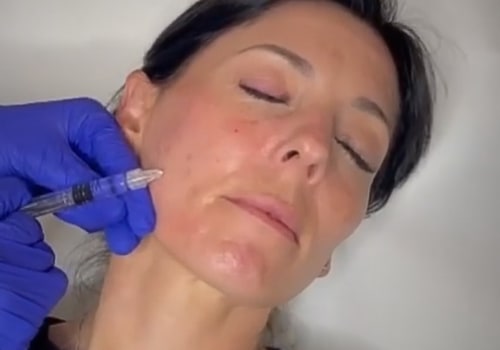
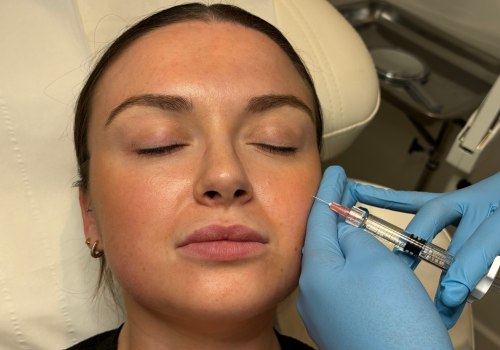
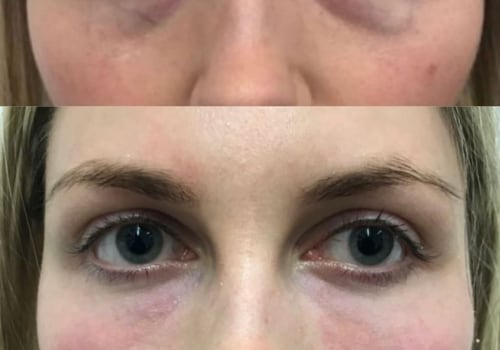
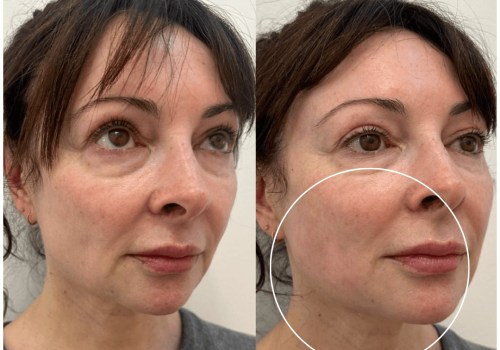
In the realm of aesthetic medicine , the quest for innovative solutions to enhance beauty and restore youthful vitality has led to the emergence of polynucleotides. These naturally occurring molecules, composed of long chains of nucleotides, play a pivotal role in cellular processes, particularly in the regeneration and repair of tissues. Their unique properties have made them a focal point in various aesthetic treatments, offering promising results for skin rejuvenation, scar treatment, and even hair restoration.The significance of polynucleotides in aesthetic medicine lies in their ability to stimulate cellular activity at a fundamental level. By promoting fibroblast proliferation and enhancing collagen synthesis, polynucleotides contribute to improved skin elasticity and hydration.
This cellular stimulation not only aids in reducing the appearance of fine lines and wrinkles but also fosters an overall healthier skin texture. As patients increasingly seek non-invasive options with minimal downtime, polynucleotides have emerged as a compelling alternative to traditional fillers and other cosmetic procedures.Moreover, the versatility of polynucleotides extends beyond mere cosmetic enhancements. Their anti-inflammatory properties make them particularly effective in treating conditions such as acne scars and hair loss caused by inflammatory processes. By creating an optimal environment for healing, polynucleotides not only address existing concerns but also promote long-term skin health.
As we delve deeper into the applications and benefits of polynucleotides in aesthetic medicine, it becomes clear that these molecules are not just a passing trend; they represent a significant advancement in our approach to beauty and wellness.
Understanding Polynucleotides: What Are They?
Polynucleotides are essential biomolecules that play a crucial role in the functioning of all living organisms. They are polymers made up of nucleotide monomers, which are the building blocks of nucleic acids such as DNA and RNA. Each nucleotide consists of three components: a nitrogenous base, a sugar molecule, and a phosphate group. The sequence and arrangement of these nucleotides determine the genetic information carried by the polynucleotide.In terms of structure, polynucleotides can be classified into two main types: deoxyribonucleic acid (DNA) and ribonucleic acid (RNA).DNA is typically double-stranded, forming a helical structure, while RNA is usually single-stranded. The primary function of DNA is to store and transmit genetic information, serving as a template for replication and protein synthesis. In contrast, RNA plays various roles in the expression of this genetic information, including acting as a messenger (mRNA), a structural component (rRNA), and a facilitator in protein synthesis (tRNA).The biological functions of polynucleotides extend beyond mere genetic coding. They are involved in several critical processes:
- Gene Regulation: Polynucleotides can influence gene expression by interacting with proteins and other molecules that regulate transcription.
- Cellular Signalling: Certain types of RNA, such as microRNAs, play significant roles in cellular signalling pathways, affecting how cells respond to their environment.
- Enzymatic Activity: Some RNA molecules possess catalytic properties, enabling them to facilitate biochemical reactions.
Their ability to promote cellular regeneration and healing makes them valuable in treatments aimed at improving skin health and appearance.In summary, understanding polynucleotides involves recognising their structural diversity and multifaceted biological roles. As we delve deeper into their applications in aesthetic medicine, it becomes evident that these molecules hold significant potential for enhancing skin rejuvenation and overall health.
The Role of Polynucleotides in Skin Health
Polynucleotides have emerged as a transformative element in the realm of aesthetic medicine, particularly in their role in enhancing skin health. These naturally occurring molecules are pivotal in promoting collagen synthesis , which is essential for maintaining the skin's structural integrity and youthful appearance.One of the primary benefits of polynucleotides is their ability to stimulate fibroblast activity. Fibroblasts are the cells responsible for producing collagen and elastin, two proteins that are crucial for skin elasticity and firmness.By enhancing fibroblast proliferation, polynucleotides facilitate an increase in collagen production, leading to a more resilient and youthful complexion.Moreover, polynucleotides play a significant role in improving skin hydration. They possess remarkable water-retaining properties, which help to maintain optimal moisture levels within the skin. This hydration is vital not only for aesthetic reasons but also for overall skin health, as well-hydrated skin is less prone to irritation and damage.In addition to their hydrating effects, polynucleotides contribute to enhanced skin elasticity. As we age, our skin naturally loses its elasticity due to a decrease in collagen and elastin production.
By promoting the synthesis of these proteins, polynucleotides help restore the skin's firmness and suppleness, reducing the appearance of fine lines and wrinkles.The anti-inflammatory properties of polynucleotides further bolster their effectiveness in skincare. By reducing inflammation, they can alleviate conditions such as redness and irritation, making them suitable for sensitive skin types. This quality not only enhances the overall appearance of the skin but also supports its healing processes.In summary, the incorporation of polynucleotides into aesthetic treatments offers a multifaceted approach to improving skin health. Their ability to stimulate collagen synthesis, enhance hydration, and improve elasticity makes them an invaluable asset in the pursuit of youthful and vibrant skin.
As research continues to unveil their potential, polynucleotides are set to become a cornerstone in advanced skincare regimens.
Polynucleotides in Treating Facial Erythema and Scars
Polynucleotides have emerged as a revolutionary treatment option in the realm of aesthetic medicine, particularly for addressing facial erythema and various types of scars. Their unique properties enable them to work at a cellular level, promoting healing and regeneration, which is crucial for patients seeking effective solutions for these skin concerns.Facial erythema, characterised by redness and inflammation, can be caused by a variety of factors including rosacea, sun damage, and post-inflammatory responses. The application of polynucleotides in treating this condition has shown promising results. By enhancing fibroblast activity, polynucleotides stimulate collagen production and improve skin elasticity.This not only helps in reducing redness but also aids in restoring the skin's natural barrier function.Clinical studies have demonstrated the efficacy of polynucleotide treatments in managing facial erythema. For instance, a recent study involving patients with moderate to severe erythema revealed that those treated with polynucleotide injections experienced a significant reduction in redness compared to those receiving standard treatments. The anti-inflammatory properties of polynucleotides play a vital role in this process, helping to calm the skin and promote a more even complexion.When it comes to treating scars, particularly acne scars or post-surgical scars, polynucleotides have proven to be highly effective. Their ability to enhance tissue regeneration and promote healing makes them an ideal choice for scar management.
In a clinical trial involving patients with acne scars, those who received polynucleotide injections reported substantial improvements in scar appearance after just a few sessions. The treatment not only reduced the visibility of scars but also improved overall skin texture.Patient testimonials further support the effectiveness of polynucleotide treatments. Many individuals have expressed satisfaction with their results, noting improvements in both erythema and scar visibility. One patient shared their experience: "After just three sessions of polynucleotide treatment for my acne scars, I noticed a remarkable difference.
My skin feels smoother, and the redness has significantly decreased." Such feedback highlights the transformative potential of this treatment.In conclusion, the use of polynucleotides in treating facial erythema and scars is backed by both clinical evidence and positive patient experiences. As more practitioners adopt these innovative treatments, it is clear that polynucleotides are paving the way for enhanced outcomes in aesthetic medicine.
Polynucleotides and Hair Restoration: A New Frontier
The application of polynucleotides in hair restoration represents a significant advancement in the field of aesthetic medicine. As hair loss becomes an increasingly common concern for both men and women, innovative treatments that address the underlying causes are essential. Polynucleotides, with their unique properties, offer a promising solution for those seeking to rejuvenate their hair and combat thinning.One of the primary benefits of polynucleotides in hair restoration is their potent anti-inflammatory properties.Inflammation is often a key factor in various types of hair loss, including androgenetic alopecia and telogen effluvium. By reducing inflammation in the scalp, polynucleotides create a more conducive environment for hair follicles to thrive. This reduction in inflammation not only helps to prevent further hair loss but also promotes the regrowth of existing hair.Moreover, polynucleotides play a crucial role in nourishing hair follicles. They stimulate fibroblast activity, which is essential for collagen production and overall scalp health.
A healthy scalp is vital for optimal hair growth, as it ensures that hair follicles receive the necessary nutrients and oxygen. The introduction of polynucleotides into the treatment regimen can enhance blood circulation to the scalp, further supporting follicle nourishment.Clinical studies have shown that patients receiving polynucleotide treatments experience significant improvements in hair density and thickness. The regenerative effects of these compounds can lead to visible results within a few months, making them an attractive option for individuals looking to restore their hair without invasive procedures.In addition to their direct benefits on hair growth, polynucleotides can also be combined with other treatments, such as mesotherapy or platelet-rich plasma (PRP) , to enhance overall efficacy. This synergistic approach not only maximises results but also minimises downtime for patients.In conclusion, the integration of polynucleotides into hair restoration protocols marks a new frontier in treating hair loss.
Their ability to reduce inflammation and nourish hair follicles positions them as a vital component in modern aesthetic medicine. As research continues to unveil their full potential, polynucleotides are set to become a cornerstone in effective hair restoration therapies.
Combining Polynucleotides with Other Treatments
The integration of polynucleotides with other aesthetic treatments has emerged as a groundbreaking approach in the field of aesthetic medicine. This combination therapy not only enhances the overall results but also accelerates the healing process, making it a preferred choice among practitioners and patients alike.One of the most effective combinations is that of polynucleotides and hyaluronic acid. Hyaluronic acid is renowned for its ability to retain moisture and provide volume to the skin, while polynucleotides work at a cellular level to stimulate collagen production and promote tissue regeneration.When used together, these two components create a synergistic effect that significantly improves skin texture, elasticity, and hydration.
Synergistic Effects of Combination Therapies
The synergistic effects of combining polynucleotides with hyaluronic acid can be attributed to their complementary mechanisms. Polynucleotides enhance fibroblast activity, leading to increased collagen synthesis, while hyaluronic acid provides immediate hydration and plumpness. This dual action not only addresses existing skin concerns but also helps in preventing future issues by maintaining skin health.Clinical studies have shown that patients receiving a combination of these treatments experience faster recovery times and improved outcomes compared to those who undergo single treatment modalities. For instance, a recent study indicated that patients treated with both polynucleotides and hyaluronic acid reported a significant reduction in fine lines and wrinkles within weeks, alongside enhanced skin hydration.Optimising Treatment Protocols
To optimise the benefits of this combination therapy, practitioners often tailor treatment protocols based on individual patient needs.This may involve administering polynucleotide injections followed by hyaluronic acid fillers or vice versa, depending on the desired outcomes. The timing and technique of these injections are crucial for maximising efficacy and minimising discomfort.Moreover, combining these treatments can also reduce the likelihood of adverse effects commonly associated with fillers alone, such as swelling or bruising. The anti-inflammatory properties of polynucleotides help mitigate these risks, making the treatment more tolerable for patients.In conclusion, the combination of polynucleotides with other aesthetic treatments like hyaluronic acid represents a significant advancement in aesthetic medicine. By harnessing their synergistic effects, practitioners can offer patients enhanced results that not only improve their appearance but also promote long-term skin health.
Safety and Side Effects of Polynucleotide Treatments
When considering any aesthetic treatment, understanding the safety profile is paramount.Polynucleotide injections have gained popularity not only for their effectiveness but also for their relatively safe profile. These treatments are derived from natural sources, which significantly reduces the risk of adverse reactions compared to synthetic alternatives.Clinical studies have consistently shown that polynucleotide treatments are well-tolerated by patients. The most common side effects are typically mild and transient, including:
- Redness : This may occur at the injection site and usually resolves within a few hours.
- Swelling : Some patients experience slight swelling, which generally subsides within a day or two.
- Bruising : Minor bruising can occur, particularly in individuals with sensitive skin or those taking blood-thinning medications.
- Pain or Discomfort : A brief sensation of discomfort during the injection is common, but this is often minimal and manageable.
The low incidence of complications makes polynucleotide injections an attractive option for those seeking aesthetic enhancements.Patient tolerance to these treatments is generally high. Many individuals appreciate the quick recovery time and the ability to resume normal activities shortly after the procedure. In fact, a significant number of patients have reported that any discomfort experienced during the injection process was outweighed by the benefits of improved skin texture and appearance.Moreover, practitioners often take precautions to enhance patient comfort during the procedure. This may include applying topical anaesthetics prior to injections or using fine needles to minimise discomfort.
Such measures contribute to a positive overall experience for patients.In conclusion, polynucleotide treatments offer a promising option in aesthetic medicine with a commendable safety profile. By understanding potential side effects and patient experiences, individuals can make informed decisions about their aesthetic goals while feeling reassured about the safety of these innovative treatments.
Future Perspectives: The Evolving Role of Polynucleotides in Aesthetic Medicine
The landscape of aesthetic medicine is continuously evolving, and the role of polynucleotides is set to expand significantly in the coming years. As research progresses, we are beginning to uncover the full potential of these biomolecules, not only in enhancing skin health but also in revolutionising treatment protocols across various aesthetic applications.One of the most promising areas of research involves the synergistic effects of polynucleotides when combined with other treatments. For instance, studies are exploring how polynucleotides can enhance the efficacy of hyaluronic acid fillers.This combination could lead to improved hydration and skin elasticity, offering patients longer-lasting results with fewer side effects. The potential for polynucleotides to act as a catalyst for other treatments opens up exciting avenues for practitioners looking to provide comprehensive care.Moreover, ongoing clinical trials are investigating the use of polynucleotides in treating a wider range of skin conditions beyond just scarring and hair loss. Emerging research suggests that they may play a role in addressing issues such as hyperpigmentation , rosacea, and even signs of ageing like sagging skin. The ability of polynucleotides to stimulate cellular regeneration and collagen production positions them as a versatile tool in the aesthetic arsenal.As we look towards the future, trends indicate a growing preference for minimally invasive procedures that offer natural-looking results.
Polynucleotides align perfectly with this trend, as they promote healing and rejuvenation without the need for extensive downtime. Patients are increasingly seeking treatments that not only enhance their appearance but also support overall skin health.Furthermore, advancements in biotechnology may lead to the development of more refined formulations of polynucleotides, enhancing their stability and effectiveness. This could result in products that are easier to administer and yield even better outcomes for patients.In conclusion, the future of polynucleotides in aesthetic medicine is bright. With ongoing research and innovation, we can expect to see these powerful biomolecules play an increasingly pivotal role in shaping treatment protocols and improving patient satisfaction.
As practitioners continue to embrace these advancements, the potential for polynucleotides to transform aesthetic medicine is truly exciting.
Frequently Asked Questions about Polynucleotides in Aesthetic Medicine
As the popularity of polynucleotide treatments in aesthetic medicine continues to rise, many patients have questions and concerns regarding their efficacy, safety, and overall application. Below are some of the most frequently asked questions about polynucleotides.What are polynucleotides?
Polynucleotides are naturally occurring molecules composed of long chains of nucleotides, which are the building blocks of DNA and RNA. In aesthetic medicine, they are used for their regenerative properties, promoting cellular repair and enhancing skin health.How do polynucleotide treatments work?
These treatments work by stimulating fibroblast activity, which is crucial for collagen production. By enhancing collagen synthesis, polynucleotides help improve skin elasticity, hydration, and overall texture.This process also aids in reducing the appearance of fine lines and wrinkles.
Are polynucleotide treatments safe?
Yes, polynucleotide treatments are generally considered safe when administered by qualified professionals. They have a low risk of adverse effects compared to other aesthetic procedures. Common side effects may include mild swelling or bruising at the injection site, but these typically resolve quickly.How long do the effects of polynucleotide treatments last?
The results from polynucleotide treatments can last approximately six months, depending on individual factors such as skin type and age. Maintenance sessions are recommended to sustain the benefits over time.Can polynucleotides be combined with other treatments?
Absolutely! Polynucleotides can be effectively combined with other aesthetic procedures, such as hyaluronic acid fillers or laser treatments.This combination can enhance overall results and accelerate recovery times.
Are there any misconceptions about polynucleotides?
- Myth: Polynucleotides are only effective for facial rejuvenation.
Fact: While they are popular for facial treatments, polynucleotides can also be beneficial for hair restoration and scar treatment. - Myth: The treatment is painful.
Fact: Most patients report minimal discomfort during injections, often likening it to a slight pinch. - Myth: Results are immediate.
Fact: While some improvements may be visible shortly after treatment, optimal results typically develop over several weeks as collagen production increases.
Conclusion: The Transformative Impact of Polynucleotides in Aesthetic Medicine
In summary, the role of polynucleotides in aesthetic medicine is both profound and transformative. As we have explored throughout this article, these remarkable compounds offer a multitude of benefits that extend beyond mere cosmetic enhancements. Their ability to stimulate cellular activity at the foundational level is what sets them apart from traditional treatments.One of the most significant advantages of polynucleotides is their capacity to promote collagen synthesis and enhance skin elasticity. This not only aids in reducing the appearance of fine lines and wrinkles but also contributes to overall skin rejuvenation.By fostering an optimal environment for fibroblast proliferation , polynucleotides effectively rejuvenate the skin, making it appear more youthful and vibrant.Moreover, their anti-inflammatory properties play a crucial role in addressing various skin conditions, including acne scars and hair loss. The ability of polynucleotides to nourish hair follicles and improve blood circulation to the scalp has proven particularly beneficial for individuals experiencing hormonal hair loss. This dual action not only promotes hair growth but also enhances the health of the scalp.The versatility of polynucleotides is another key takeaway. They can be integrated into a variety of treatment protocols, from fillers to biorevitalization techniques, making them suitable for a wide range of aesthetic applications.
Their compatibility with other treatments further amplifies their effectiveness, allowing practitioners to tailor solutions that meet individual patient needs.Finally, the minimal downtime associated with polynucleotide treatments, coupled with their low risk of complications, makes them an appealing option for both patients and practitioners alike. As evidenced by recent clinical studies, the combination of polynucleotides with other agents like hyaluronic acid can significantly accelerate wound healing and improve skin conditions.In conclusion, the integration of polynucleotides into aesthetic medicine represents a significant advancement in our approach to skincare and rejuvenation. Their multifaceted benefits not only enhance aesthetic outcomes but also promote long-term skin health, solidifying their place as a cornerstone in modern aesthetic practices.