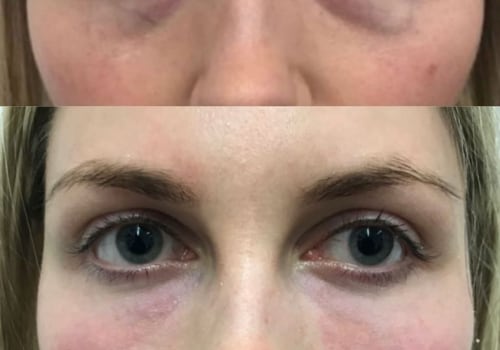
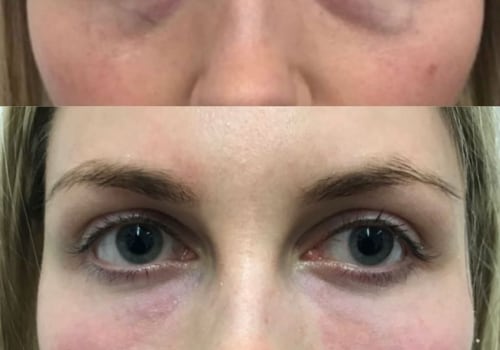
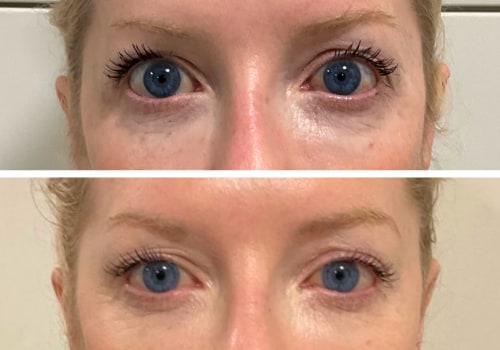
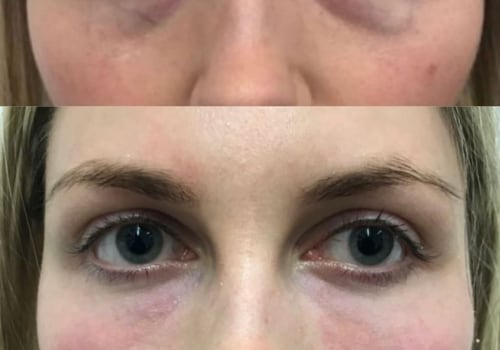
Polynucleotides are naturally occurring biopolymers composed of nucleotide sequences, which are the building blocks of DNA and RNA. These molecules play a crucial role in various biological processes, including cellular repair and regeneration. In recent years, the application of polynucleotides in both medical and aesthetic fields has garnered significant attention due to their remarkable properties and potential benefits. Their ability to stimulate tissue healing and enhance skin rejuvenation makes them a valuable tool in modern therapeutic practices.The benefits of polynucleotides extend beyond mere cellular repair; they also promote hydration and improve skin elasticity, making them particularly appealing in aesthetic medicine.
When injected into the skin, polynucleotides can help restore volume, reduce fine lines, and improve overall skin texture. This has led to their increasing use in cosmetic procedures aimed at achieving a more youthful appearance without the need for invasive surgery.In the medical realm, polynucleotides have shown promise in treating various conditions, including chronic wounds and soft tissue injuries. Their regenerative properties facilitate faster healing by promoting angiogenesis—the formation of new blood vessels—and enhancing the body’s natural healing processes. As a result, healthcare professionals are increasingly incorporating polynucleotides into treatment protocols for patients recovering from surgery or injury.Despite their numerous advantages, patients often express concerns about post-treatment activities, particularly regarding travel.
Understanding the implications of flying after receiving polynucleotide treatments is essential for ensuring optimal recovery and minimising potential complications. This article will delve deeper into these concerns, providing insights into why it is advisable to avoid air travel shortly after treatment.
The Safety of Polynucleotide Treatments
When considering polynucleotide treatments, understanding their safety profile is paramount. These treatments have gained popularity in both medical and aesthetic fields due to their regenerative properties. However, it is essential to delve into the specifics of their safety, including the purification process, potential side effects, and the importance of sourcing from regulated manufacturers.The purification process of polynucleotides is rigorous and designed to ensure that the final product is both safe and effective.Initially, polynucleotides are extracted from biological sources and undergo extensive purification to remove any contaminants. This process not only eliminates unwanted proteins but also ensures that the product meets stringent safety standards. The manufacturing of these substances is regulated, and they must comply with CE safety standards, which are crucial for ensuring that they are safe for human use.Despite the high safety standards associated with polynucleotide treatments, it is important to acknowledge that there can be temporary side effects. Commonly reported side effects include mild swelling, bruising, or redness at the injection site.
These effects are generally short-lived and resolve within a few days. However, it is advisable to discuss any concerns with your healthcare provider prior to treatment. They can provide guidance on what to expect and how to manage any potential discomfort.Another critical aspect of safety involves the risks associated with using non-regulated or unverified sources for polynucleotide injections. The risks of using such products can be significant, as they may not have undergone the same rigorous testing and purification processes.
This could lead to unpredictable reactions or complications. Therefore, it is vital to ensure that any treatment is performed by a qualified professional using products from reputable sources.In summary, while polynucleotide treatments are generally considered safe when sourced from regulated manufacturers, it is essential to be aware of potential side effects and the importance of using verified products. If you are considering travel shortly after receiving treatment, it is advisable to consult with your healthcare provider regarding any specific precautions you should take.
Post-Treatment Care and Recommendations
After receiving polynucleotide injections, it is essential to follow specific post-treatment care guidelines to ensure optimal recovery and results. Understanding what to expect during the recovery process can help alleviate concerns and promote healing.Immediate Aftercare
- Following the treatment, you may experience mild swelling, redness, or bruising at the injection sites.
These effects are typically temporary and should subside within a few days.
- To minimise discomfort, apply a cold compress to the affected areas for 10-15 minutes at a time. This can help reduce swelling and soothe any irritation.
- Avoid touching or massaging the treated areas for at least 24 hours to prevent any disruption to the injected polynucleotides.
Hydration and Nutrition
- Staying well-hydrated is crucial for recovery. Drink plenty of water in the days following your treatment to support your body’s healing processes.
- Incorporate a balanced diet rich in vitamins and minerals, particularly those that promote skin health, such as vitamin C and zinc. Foods like citrus fruits, leafy greens, nuts, and seeds can be beneficial.
Activity Restrictions
- Avoid strenuous exercise or activities that may cause excessive sweating for at least 48 hours post-treatment.
This helps prevent irritation and allows your body to recover effectively.
- If you are considering flying soon after your treatment, it is advisable to wait at least two weeks before boarding a plane. The changes in cabin pressure during flights can exacerbate swelling and bruising, leading to discomfort.
Travel Considerations
If you must travel shortly after receiving polynucleotide injections, consider the following:
- Consult with your healthcare provider about your travel plans. They can provide personalised advice based on your specific situation and treatment.
- Plan for potential delays in recovery if you are flying. The air pressure changes can lead to unpredictable swelling, so it’s best to allow ample time for healing before embarking on long journeys.
- If travelling internationally, ensure you have access to medical care should any complications arise during your trip.
Can You Fly After Receiving Polynucleotide Treatments?
After undergoing treatment with polynucleotides, many patients are understandably eager to resume their normal activities, including flying.However, it is crucial to consider the implications of air travel shortly after receiving these injections.Medical professionals typically recommend avoiding international travel for at least two weeks following polynucleotide treatments. This precaution is primarily due to the potential for swelling and bruising , which can be exacerbated by the changes in air pressure experienced during flights.When you fly, the cabin pressure is significantly lower than at ground level. This difference can lead to increased swelling in areas where polynucleotides have been injected, as the body may react to the altitude change. Additionally, the confined space and limited mobility during a flight can hinder circulation, further complicating recovery.Moreover, flying shortly after treatment may increase the risk of complications.
For instance:
- Increased Discomfort: The pressure changes can lead to heightened discomfort in treated areas.
- Delayed Healing: The body requires time to heal and adjust post-treatment; flying too soon may interfere with this process.
- Risk of Infection: Airports and airplanes are high-traffic areas where exposure to pathogens is greater, potentially increasing the risk of infection at injection sites.
- Avoiding long-haul flights: If possible, opt for shorter flights that require less time in a confined space.
- Staying hydrated: Drink plenty of water before and during your flight to help maintain circulation.
- Wearing compression garments: These can assist in reducing swelling and improving blood flow.
Potential Complications When Flying After Treatment
Flying shortly after receiving treatment with polynucleotides can pose several potential complications that patients should be aware of.While the treatment itself is generally safe and effective, the unique conditions of air travel can exacerbate certain side effects, particularly swelling and bruising.One of the primary concerns when flying after polynucleotide injections is the effect of cabin pressure on the body. During a flight, the cabin is pressurised to a level that is lower than what we experience at sea level. This change in pressure can lead to an increase in fluid retention in the body, which may worsen any swelling that has occurred as a result of the treatment.Swelling is a common side effect following polynucleotide injections, as the body responds to the introduction of these substances. When combined with the reduced atmospheric pressure in an aircraft, this swelling can become more pronounced.
Patients may notice that areas treated with polynucleotides appear puffier or more inflamed after flying, which can be uncomfortable and concerning.In addition to swelling, bruising is another potential complication that can be aggravated by air travel. The injection process itself can cause minor trauma to the skin and underlying tissues, leading to bruising. The changes in cabin pressure may hinder the body’s natural healing processes, making it more difficult for bruises to resolve quickly. As a result, patients might find that their bruising lasts longer than it typically would if they had remained at ground level.To mitigate these risks, it is generally advised to avoid flying for at least two weeks following treatment with polynucleotides.
This waiting period allows your body ample time to heal and reduces the likelihood of experiencing heightened swelling or bruising during your flight.In summary, while polynucleotide treatments are safe and effective, flying shortly after such procedures can lead to complications like increased swelling and bruising due to changes in cabin pressure. It is crucial for patients to discuss their travel plans with their healthcare provider before undergoing treatment to ensure a smooth recovery process.
Expert Opinions on Flying After Polynucleotide Treatments
When considering travel after receiving polynucleotide treatments, it is essential to consult with your healthcare provider. Medical professionals often provide tailored advice based on individual circumstances, including the type of treatment received and the patient's overall health.Many doctors recommend avoiding air travel for at least two weeks following the procedure. This precaution is primarily due to the changes in cabin pressure during flights, which can exacerbate swelling and bruising in treated areas.Dr. Emily Carter, a renowned aesthetic medicine specialist, explains, "The cabin pressure in an aircraft can lead to increased fluid retention and swelling, particularly in areas where injections have been administered. This can result in discomfort and may affect the aesthetic outcomes of the treatment."Furthermore, Dr. James Thompson, a plastic surgeon with extensive experience in post-treatment care, adds that flying shortly after treatment can also pose risks of complications.
He states, "While most patients recover well from polynucleotide injections, flying too soon can lead to unpredictable reactions. It’s best to allow your body time to heal before embarking on any long-distance travel." This advice is particularly relevant for those who may be prone to swelling or bruising.In addition to physical considerations, there are psychological factors to consider as well. Many patients feel anxious about their appearance post-treatment and may prefer to avoid situations where they might be self-conscious. Sarah Lee, a dermatologist, notes that "the emotional aspect of recovery should not be overlooked.
Patients often feel more comfortable waiting until they are fully healed before engaging in social activities or travel."Ultimately, the consensus among experts is clear: while it may be tempting to resume normal activities immediately after receiving polynucleotide treatments, taking the time to allow for proper recovery is crucial. Always follow your doctor's specific recommendations regarding travel and post-treatment care to ensure optimal results and minimise any potential risks.
Frequently Asked Questions About Polynucleotides and Travel
When considering treatment with polynucleotides, many patients have questions regarding the implications for travel, particularly air travel. Below are some frequently asked questions that can help clarify your concerns.Can I fly immediately after receiving polynucleotide treatment?
It is generally advised to avoid flying for at least two weeks following your treatment with polynucleotides. This precaution is primarily due to the potential for changes in cabin pressure during flights, which can exacerbate swelling and bruising at the injection sites.What are the risks of flying too soon after treatment?
Flying shortly after receiving polynucleotide injections can lead to unpredictable reactions.The changes in air pressure can cause increased swelling, which may not only be uncomfortable but could also affect the overall results of your treatment. Additionally, bruising may become more pronounced, leading to a longer recovery time.
Are there any specific symptoms I should watch for after flying?
After flying, if you notice significant swelling, unusual pain, or any signs of infection such as redness or warmth around the injection sites, it is crucial to contact your healthcare provider. These symptoms could indicate complications that need to be addressed promptly.What should I do if I have to travel shortly after my treatment?
If travel is unavoidable within the two-week window post-treatment, consider discussing your plans with your healthcare provider. They may offer specific advice tailored to your situation, including strategies to minimise discomfort and potential complications.Can I travel by car or train instead?
Traveling by car or train is generally less problematic than flying, as these modes of transport do not involve significant changes in air pressure.However, it is still advisable to take precautions such as avoiding long periods of sitting and ensuring you stay hydrated.
Is there anything else I should consider before travelling?
- Hydration: Staying well-hydrated can help reduce swelling and support recovery.
- Comfort: Wear loose-fitting clothing to avoid irritation around the injection sites.
- Follow-up: Schedule a follow-up appointment with your healthcare provider to assess your recovery before embarking on any travel plans.
Conclusion: Making Informed Decisions About Travel After Treatment
In conclusion, understanding the implications of travel after receiving polynucleotide treatments is crucial for ensuring a safe and effective recovery. As highlighted throughout this article, while polynucleotides are generally considered safe and beneficial for various medical and aesthetic applications, the body's response to these treatments can vary significantly from person to person.One of the primary considerations is the potential for side effects, which may include swelling, bruising, or discomfort at the injection site. These effects can be exacerbated by changes in air pressure during flights, leading to unpredictable outcomes. Therefore, it is advisable to adhere to the recommended guideline of avoiding international travel for at least two weeks following treatment.Moreover, it is essential to consult with your healthcare provider before making any travel plans post-treatment.They can provide personalised advice based on your specific situation, including your overall health, the extent of the treatment received, and any other factors that may influence your recovery.Additionally, consider the following key points when making travel decisions after polynucleotide treatments:
- Monitor Your Symptoms: Pay close attention to how your body reacts in the days following treatment. If you experience significant swelling or discomfort, it may be wise to postpone travel.
- Stay Hydrated: Proper hydration can help mitigate some side effects associated with flying. Ensure you drink plenty of water before and during your flight.
- Plan for Comfort: If you must travel soon after treatment, choose comfortable seating options and consider wearing compression garments if recommended by your doctor.
- Follow Medical Advice: Always prioritise the guidance provided by your healthcare professional regarding post-treatment care and travel restrictions.