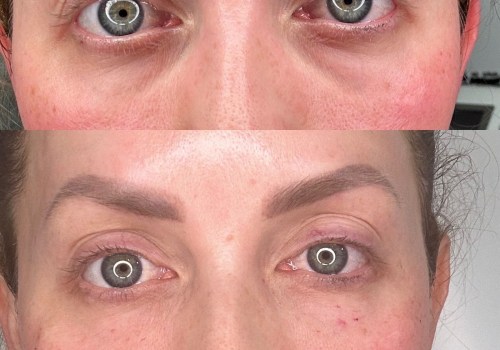
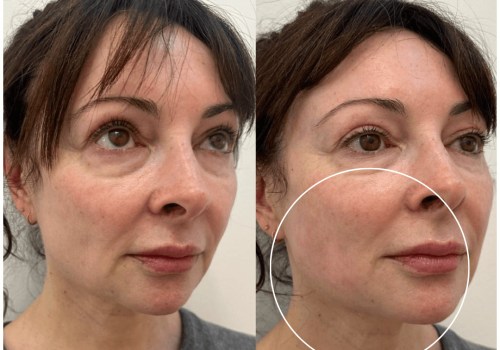
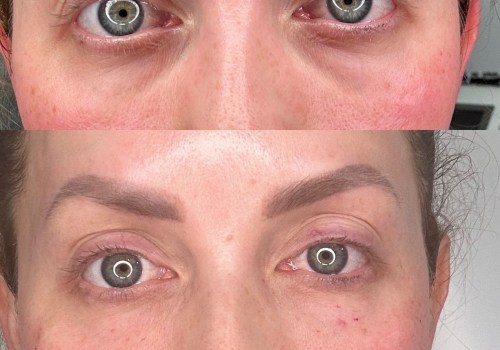
Polynucleotides, often abbreviated as PN, are naturally occurring biopolymers composed of nucleotide monomers linked together by phosphodiester bonds. These essential molecules play a pivotal role in various biological processes, including the storage and transmission of genetic information. In the realm of aesthetic medicine, polynucleotides have garnered significant attention due to their remarkable ability to promote skin rejuvenation and healing. Understanding the fundamental properties and functions of polynucleotides is crucial for appreciating their applications in cosmetic treatments.The benefits of polynucleotides extend beyond mere skin enhancement; they are integral to cellular repair and regeneration.
When injected into the skin, these biopolymers stimulate fibroblast activity, leading to increased collagen and elastin production. This process not only improves skin elasticity but also enhances hydration and overall texture. As a result, patients often experience a more youthful appearance with reduced fine lines and wrinkles. Furthermore, polynucleotides possess anti-inflammatory properties that can aid in soothing irritated skin, making them an excellent choice for individuals with sensitive or reactive skin types.So, how do polynucleotides work within the body? Upon injection, they interact with various cellular receptors, triggering a cascade of biological responses that promote tissue repair and regeneration.
This mechanism is particularly beneficial in aesthetic applications, where the goal is to restore vitality to aging or damaged skin. The gradual release of growth factors from polynucleotides encourages the formation of new blood vessels and enhances nutrient delivery to the skin cells, further supporting the rejuvenation process. As a result, patients not only see immediate improvements but also enjoy long-lasting effects as their skin continues to regenerate over time.
The Mechanism of Action of Polynucleotide Injections
Polynucleotide injections represent a significant advancement in the field of aesthetic medicine, primarily due to their unique mechanism of action that promotes tissue repair and stimulates cell growth. Understanding how these injections work is crucial for appreciating their efficacy in skin rejuvenation and overall aesthetic enhancement.At the core of polynucleotide therapy is the use of polynucleotides, which are naturally occurring molecules composed of long chains of nucleotides.These molecules play a vital role in cellular processes, including DNA and RNA synthesis, which are essential for cell function and regeneration.When injected into the skin, polynucleotides act as biostimulants. They initiate a cascade of biological responses that lead to enhanced tissue repair and regeneration. Here’s how the process unfolds:
- Cellular Activation: Polynucleotides stimulate fibroblasts, the cells responsible for producing collagen and elastin. This activation leads to increased collagen synthesis, which is crucial for maintaining skin elasticity and firmness.
- Anti-Inflammatory Effects: The injections also exhibit anti-inflammatory properties, reducing inflammation in the treated area.
This is particularly beneficial for individuals with skin conditions or those recovering from other aesthetic procedures.
- Angiogenesis Promotion: Polynucleotides encourage angiogenesis, the formation of new blood vessels. This process improves blood flow to the skin, enhancing nutrient delivery and waste removal, which further supports skin health.
- Cell Migration: The presence of polynucleotides facilitates the migration of various cell types to the injection site, including stem cells. This migration is essential for effective tissue repair and regeneration.
These processes collectively contribute to their effectiveness as a treatment option for skin rejuvenation, making them a valuable tool in modern aesthetic medicine.
Benefits of Polynucleotide Injections for Skin Rejuvenation
Polynucleotide injections have emerged as a revolutionary treatment in the realm of aesthetic medicine, particularly for skin rejuvenation. These injections harness the power of polynucleotides, which are naturally occurring molecules that play a crucial role in cellular repair and regeneration. The benefits of using polynucleotide injections for skin rejuvenation are numerous and can significantly enhance the overall appearance and health of the skin.One of the primary advantages of polynucleotide injections is their ability to improve skin elasticity. As we age, our skin loses its natural elasticity due to a decrease in collagen production.Polynucleotides stimulate fibroblast activity, which is essential for collagen synthesis. This results in firmer, more resilient skin that can better withstand the effects of time and environmental stressors.In addition to enhancing elasticity, polynucleotide injections also provide profound hydration benefits. The hydrophilic nature of polynucleotides allows them to attract and retain moisture within the skin. This increased hydration not only plumps up the skin but also helps to reduce the appearance of fine lines and wrinkles, giving the complexion a more youthful and vibrant look.Furthermore, polynucleotide injections promote overall skin rejuvenation by improving skin texture and tone.
Patients often report a noticeable improvement in their skin's smoothness and radiance following treatment. This is largely due to the regenerative properties of polynucleotides, which help to repair damaged tissues and promote healthy cell turnover.Another significant benefit is the minimal downtime associated with polynucleotide injections. Unlike more invasive procedures, patients can typically resume their daily activities shortly after treatment. This convenience makes it an attractive option for those seeking effective skin rejuvenation without the lengthy recovery periods often required by surgical interventions.Moreover, polynucleotide injections are considered safe with a low risk of adverse effects when administered by qualified professionals.
This safety profile further enhances their appeal as a viable option for individuals looking to enhance their appearance without compromising their health.In summary, the benefits of polynucleotide injections for skin rejuvenation are extensive. From improved elasticity and hydration to enhanced texture and minimal downtime, these treatments offer a comprehensive solution for those seeking to revitalise their skin. As research continues to support their efficacy, more individuals are likely to consider polynucleotide injections as a key component of their skincare regimen.
Safety Profile of Polynucleotide Injections
When considering any medical treatment, particularly aesthetic procedures like polynucleotide injections, understanding the safety profile is paramount. These injections have gained traction for their ability to rejuvenate skin and promote healing, but potential risks and side effects must be thoroughly examined.One of the primary concerns surrounding polynucleotide injections is the possibility of adverse reactions.While these injections are generally regarded as safe, it is essential to acknowledge that individual responses can vary. Common side effects may include:
- Swelling: Temporary swelling at the injection site is common and usually subsides within a few days.
- Bruising: Minor bruising may occur, similar to any injection procedure.
- Pain or Discomfort: Some patients report mild pain or discomfort during and after the procedure.
- Redness: Redness around the injection site can happen but typically resolves quickly.
However, it is important to note that there have been no reported cases of vascular occlusion specifically linked to polynucleotide injections, which sets them apart from traditional dermal fillers.Another potential complication is the formation of granulomas—small areas of inflammation that can develop at the injection site. While these are rare, they may require medical intervention such as corticosteroid treatment to reduce inflammation.To mitigate risks associated with polynucleotide injections, it is crucial to seek treatment from a qualified healthcare professional who has extensive experience with this specific procedure. Proper technique and a thorough understanding of facial anatomy are vital in minimising complications.In conclusion, while polynucleotide injections are considered safe for most individuals when administered by trained professionals, it is essential to have an open discussion with your healthcare provider about potential risks and benefits. This dialogue will help ensure that you make an informed decision tailored to your unique needs and circumstances.
Addressing Common Concerns: Vascular Occlusion and Other Risks
When considering polynucleotide injections, it is essential to address the potential risks associated with the procedure, particularly the concern surrounding vascular occlusion.This condition occurs when an injection inadvertently blocks a blood vessel, leading to restricted blood flow in the surrounding tissues. While vascular occlusion is a serious complication, it is crucial to understand its likelihood in the context of polynucleotide treatments.Research indicates that the risk of vascular occlusion with polynucleotide injections is significantly lower compared to traditional dermal fillers. This reduced risk can be attributed to the unique properties of polynucleotides, which are not designed to volumise or fill spaces in the same way that fillers do. Instead, they promote tissue repair and regeneration, which inherently lowers the chances of causing blockages.Nevertheless, it is important to remain vigilant about potential complications.
Some of the common concerns associated with polynucleotide injections include:
- Granulomas: These are small areas of inflammation that can occur at the injection site. While they are generally benign, they may require treatment with corticosteroids if they persist.
- Swelling and Bruising: As with any injection, some degree of swelling and bruising may occur. These effects are typically temporary and resolve within a few days.
- Allergic Reactions: Although rare, some individuals may experience allergic reactions to components within the injection. It is vital to discuss any known allergies with your healthcare provider prior to treatment.
- Infection: There is always a risk of infection with any injectable treatment.
Ensuring that the procedure is performed in a sterile environment by a qualified professional can mitigate this risk.
Comparing Polynucleotide Injections with Other Aesthetic Treatments
When considering aesthetic treatments, it is essential to evaluate the various options available, particularly polynucleotide injections and traditional dermal fillers. Each treatment offers distinct benefits and drawbacks, making it crucial for individuals to understand their choices.Polynucleotide Injections vs.
Dermal Fillers
- Mechanism of Action: Polynucleotide injections work by stimulating the body’s natural healing processes, promoting collagen production and tissue regeneration. In contrast, dermal fillers are designed to add volume and plumpness to specific areas of the face by directly filling in wrinkles and hollows.
- Longevity of Results: The effects of polynucleotide injections typically last longer than those of traditional dermal fillers. While fillers may require touch-ups every six to twelve months, polynucleotides can provide results that last up to two years, depending on individual factors.
- Safety Profile: Both treatments are generally safe when administered by qualified professionals. However, polynucleotide injections have a lower risk of complications such as vascular occlusion, which can occur with dermal fillers if injected improperly.
- Recovery Time: Recovery from polynucleotide injections is often quicker, with minimal downtime compared to some dermal fillers that may cause significant swelling or bruising post-treatment.
Alternatives to Polynucleotide Injections
Aside from dermal fillers, there are several other aesthetic treatments that individuals may consider:
- Botulinum Toxin (Botox): This treatment temporarily relaxes facial muscles to reduce the appearance of fine lines and wrinkles.
Unlike polynucleotides, Botox does not promote tissue regeneration but rather focuses on muscle activity.
- Chemical Peels: These treatments involve applying a chemical solution to exfoliate the skin's surface, improving texture and tone. While effective for skin rejuvenation, chemical peels do not provide the volumising effects associated with polynucleotide injections.
- Microneedling: This procedure uses fine needles to create micro-injuries in the skin, stimulating collagen production. While it shares some regenerative benefits with polynucleotide injections, it does not offer the same immediate volumising effects.
What to Expect During a Polynucleotide Injection Procedure
Undergoing a polynucleotide injection procedure can be an exciting yet nerve-wracking experience for many patients.Understanding what to expect can significantly alleviate anxiety and help you prepare for the treatment. Here’s a comprehensive overview of the entire process, from preparation to aftercare.
Preparation for the Procedure
- Consultation: Prior to the injection, a thorough consultation with a qualified healthcare professional is essential. During this meeting, your medical history will be reviewed, and any concerns or questions you may have will be addressed.
- Skin Assessment: The practitioner will assess your skin condition and discuss your aesthetic goals to tailor the treatment to your specific needs.
- Avoiding Certain Medications: It is advisable to avoid blood-thinning medications, such as aspirin or ibuprofen, for at least a week before the procedure to minimise the risk of bruising.
- Hydration: Staying well-hydrated before your appointment can help improve skin elasticity and overall results.
The Injection Process
On the day of the procedure, you can expect the following steps:
- Cleansing: The treatment area will be thoroughly cleansed to remove any impurities and reduce the risk of infection.
- Anesthesia: Depending on your comfort level and the area being treated, a topical anesthetic may be applied to minimise discomfort during the injection.
- Injection Technique: The practitioner will use a fine needle or cannula to administer the polynucleotides. The injections are typically performed in a series of small doses, strategically placed in areas requiring rejuvenation.
This technique helps stimulate collagen production and tissue repair.
- Duration: The entire procedure usually takes between 30 minutes to an hour, depending on the extent of treatment.
Aftercare Instructions
Post-procedure care is crucial for optimal results. Here are some guidelines to follow:
- Avoid Touching: Refrain from touching or massaging the treated area for at least 24 hours to prevent any complications.
- Icing: Applying ice packs can help reduce swelling and discomfort in the initial hours following the injection.
- No Strenuous Activity: Avoid intense physical activities or exercise for 48 hours post-treatment to allow your body to heal properly.
- Follow-Up Appointments: Schedule follow-up visits with your practitioner to monitor progress and discuss any concerns that may arise.
Post-Treatment Care and Maintenance for Optimal Results
After undergoing polynucleotide injections, the importance of post-treatment care cannot be overstated. Proper aftercare is essential not only for maximising the benefits of the treatment but also for ensuring a smooth recovery process.Here are some key considerations and tips for maintaining optimal results following your procedure.
Immediate Post-Treatment Care
In the hours following your polynucleotide injection, it is crucial to follow specific guidelines to minimise any potential side effects:- Avoid Touching the Treated Area: Refrain from touching, rubbing, or applying pressure to the injection sites for at least 24 hours. This helps prevent irritation and reduces the risk of infection.
- Cold Compress: If you experience swelling or discomfort, applying a cold compress can help alleviate these symptoms. Ensure that the compress is not applied directly to the skin; instead, wrap it in a clean cloth.
- Stay Upright: For the first few hours post-treatment, try to remain upright. This can help reduce swelling and promote better circulation in the treated areas.
Long-Term Maintenance Tips
To maintain the results of your polynucleotide injections over time, consider incorporating the following practices into your skincare routine:- Hydration: Keeping your skin well-hydrated is vital.
Drink plenty of water and use moisturisers that suit your skin type to enhance elasticity and overall appearance.
- Avoid Sun Exposure: Protecting your skin from harmful UV rays is essential. Use a broad-spectrum sunscreen with an SPF of at least 30 daily, even on cloudy days, to prevent premature ageing and maintain results.
- Healthy Lifestyle Choices: A balanced diet rich in antioxidants, vitamins, and minerals can significantly impact skin health. Incorporate fruits, vegetables, and healthy fats into your meals while avoiding excessive sugar and processed foods.
- Regular Follow-Ups: Schedule follow-up appointments with your healthcare provider to assess your progress and discuss any additional treatments that may enhance or maintain your results.
Frequently Asked Questions about Polynucleotide Injections
As the popularity of polynucleotide injections continues to rise, many individuals have questions and concerns regarding their safety, efficacy, and overall application.Below are some of the most frequently asked questions about these innovative treatments.
What are polynucleotide injections?
Polynucleotide injections involve the use of naturally occurring nucleotides that play a crucial role in cellular repair and regeneration. These injections are designed to stimulate collagen production, enhance skin elasticity, and promote overall skin rejuvenation.Are polynucleotide injections safe?
When administered by a qualified healthcare professional, polynucleotide injections are generally considered safe. The risk of complications is minimal compared to traditional dermal fillers. However, as with any medical procedure, it is essential to consult with a professional to discuss your individual health circumstances.How long do the effects of polynucleotide injections last?
The longevity of results can vary based on individual factors such as skin type and age.Typically, the effects can last anywhere from six months to a year, depending on the treatment protocol followed.
Can anyone receive polynucleotide injections?
While most individuals are suitable candidates for polynucleotide injections, those with certain medical conditions or allergies may need to avoid this treatment. A thorough consultation with a healthcare provider is necessary to determine eligibility.Are there any side effects?
Common side effects may include mild swelling, redness, or bruising at the injection site. These effects are usually temporary and resolve within a few days. Serious complications are rare but can occur if the procedure is not performed correctly.What myths exist about polynucleotide injections?
- Myth: Polynucleotide injections are the same as dermal fillers.
Fact: Unlike dermal fillers that add volume, polynucleotides work by stimulating the body’s natural healing processes. - Myth: Results are immediate.
Fact: While some improvements may be visible shortly after treatment, optimal results typically develop over several weeks as collagen production increases. - Myth: They are only for older individuals.
Fact: People of various ages can benefit from polynucleotide treatments for skin rejuvenation.
Always seek advice from qualified professionals to ensure safe and effective treatment outcomes.
Conclusion: The Future of Polynucleotide Injections in Aesthetic Medicine
In summary, the exploration of polynucleotide injections has unveiled a promising avenue in the realm of aesthetic medicine. These injections, which harness the natural properties of polynucleotides, have demonstrated significant potential in enhancing skin rejuvenation and overall appearance. As we have discussed, their ability to stimulate tissue repair and promote cellular growth positions them as a compelling alternative to traditional dermal fillers.One of the most reassuring aspects of polynucleotide injections is their low risk profile when administered by qualified professionals. The extensive research backing their safety and efficacy, including over 70 years of studies and numerous clinical trials, provides a solid foundation for their use in aesthetic treatments.This evidence not only alleviates concerns regarding complications such as vascular occlusion but also highlights the importance of proper administration techniques.Looking ahead, the future of polynucleotide injections appears bright. As more practitioners become familiar with these treatments and as technology advances, we can expect to see further innovations in their application. The potential for combining polynucleotide therapy with other aesthetic procedures could lead to enhanced results, offering patients a more comprehensive approach to skin rejuvenation.Moreover, ongoing research may uncover additional benefits of polynucleotides beyond skin aesthetics, possibly extending their use into other areas of medicine. This could revolutionise not only how we approach cosmetic enhancements but also how we understand tissue regeneration and healing.In conclusion, while polynucleotide injections are already making waves in aesthetic medicine, their full potential is yet to be realised.
As we continue to explore and refine these treatments, it is crucial for patients to engage in informed discussions with their healthcare providers. By understanding both the benefits and risks associated with polynucleotide injections, individuals can make educated choices that align with their aesthetic goals.