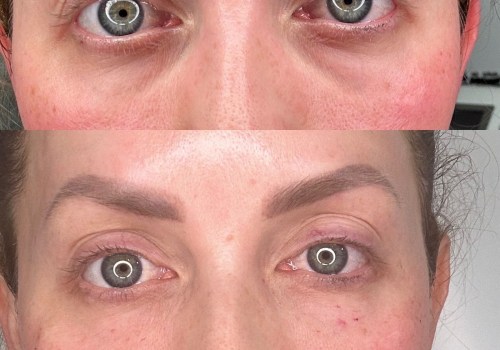
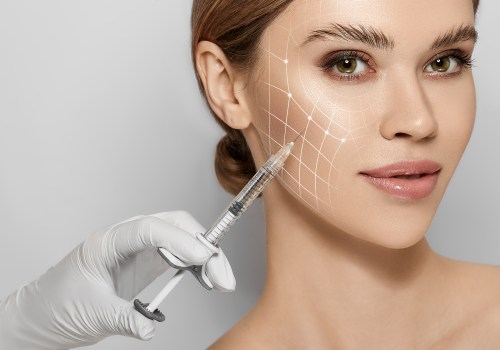
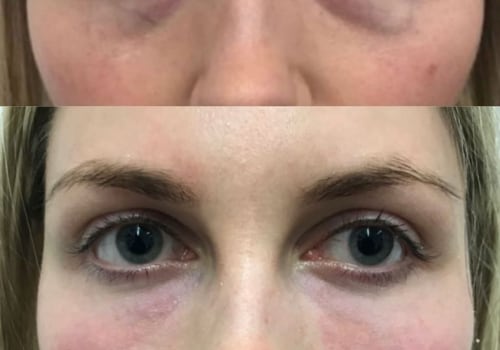
Polynucleotides are essential biomolecules composed of long chains of nucleotides, which are the building blocks of DNA and RNA. These complex structures play a pivotal role in various biological processes, including cell growth, repair, and regeneration. In the realm of skincare and aesthetic treatments, polynucleotides have emerged as a revolutionary component, offering a multitude of benefits that enhance skin health and appearance. Their unique ability to stimulate cellular activity makes them particularly valuable in anti-aging therapies.The primary benefits of polynucleotides lie in their capacity to promote skin rejuvenation at a cellular level.
By encouraging the production of collagen and elastin, polynucleotides help improve skin elasticity, hydration, and overall texture. This regenerative effect not only addresses visible signs of aging but also aids in healing damaged skin, making it an ideal treatment for individuals seeking to restore their youthful glow. Furthermore, polynucleotides can enhance the efficacy of other cosmetic procedures, such as Botox and dermal fillers, by creating a healthier skin environment that supports long-lasting results.Understanding how polynucleotides work is crucial for appreciating their role in skincare. When injected into the skin, these molecules interact with cells to stimulate various biological processes.
They promote angiogenesis, which is the formation of new blood vessels, thereby improving blood circulation and nutrient delivery to the skin. Additionally, polynucleotides facilitate the repair of damaged tissues by activating fibroblasts—cells responsible for producing collagen and other extracellular matrix components. This dual action not only enhances the skin's appearance but also contributes to its overall health.In summary, polynucleotides represent a significant advancement in regenerative medicine and aesthetic treatments. Their ability to rejuvenate the skin from within while complementing other cosmetic procedures makes them an invaluable asset in modern skincare regimens.
As more individuals seek effective solutions for maintaining youthful skin, understanding the role and benefits of polynucleotides becomes increasingly important.
What is Botox and How Does it Work?
Botox
, short for botulinum toxin, is a neurotoxic protein produced by the bacterium Clostridium botulinum. It has gained immense popularity in the field of aesthetic medicine due to its ability to temporarily reduce the appearance of facial wrinkles and fine lines. Understanding how Botox works is crucial for anyone considering this treatment, especially in conjunction with other therapies like polynucleotides.When injected into specific muscles, Botox blocks the release of acetylcholine, a neurotransmitter responsible for muscle contraction. This inhibition prevents the targeted muscles from contracting, leading to a smoother appearance on the skin's surface.
The effects of Botox typically last between three to six months, after which the treatment can be repeated to maintain results.The benefits of Botox extend beyond mere cosmetic enhancements. Many patients report a significant reduction in the severity of dynamic wrinkles, which are caused by repetitive facial movements such as frowning or squinting. Common areas treated with Botox include:
- Forehead lines
- Crow's feet around the eyes
- Frown lines between the eyebrows
- Migraine headaches
- Excessive sweating (hyperhidrosis)
- Cervical dystonia (a neurological disorder causing neck spasms)
While Botox addresses muscle activity and reduces wrinkles, polynucleotides work to improve overall skin health, creating a synergistic effect that enhances both immediate and long-term aesthetic outcomes.
The Benefits of Combining Polynucleotides and Botox
Combining polynucleotides with Botox offers a multifaceted approach to skin rejuvenation, leveraging the unique benefits of each treatment to achieve superior results. While Botox is renowned for its ability to temporarily paralyse facial muscles, thereby smoothing out dynamic wrinkles, polynucleotides work at a cellular level to enhance skin quality and promote healing.One of the primary advantages of using these two treatments together is their complementary nature. Botox effectively addresses the visible signs of aging caused by muscle movement, such as frown lines and crow's feet. In contrast, polynucleotides focus on improving skin texture, hydration, and elasticity.This dual-action approach not only provides immediate aesthetic improvements but also fosters long-term skin health.Moreover, polynucleotides are known for their regenerative properties. They stimulate collagen production and enhance cellular repair mechanisms, which can significantly improve the overall appearance of the skin over time. When combined with Botox, patients can enjoy both instant wrinkle reduction and gradual skin rejuvenation, leading to a more youthful and vibrant complexion.Another benefit of this combination is the potential for reduced downtime. While some treatments may require recovery periods, the synergistic effects of polynucleotides and Botox can lead to quicker healing times and less post-treatment discomfort.
This makes it an appealing option for individuals seeking effective results without extensive interruptions to their daily lives.Furthermore, the use of polynucleotides can enhance the longevity of Botox results. By improving skin quality and hydration, polynucleotides may help maintain the effects of Botox for a longer duration, allowing patients to enjoy their youthful appearance without frequent touch-ups.In summary, the combination of polynucleotides and Botox represents a powerful strategy in aesthetic medicine. By addressing both the superficial signs of aging and underlying skin health, this duo not only enhances immediate results but also promotes lasting improvements in skin quality. For those considering comprehensive skin rejuvenation treatments, consulting with a qualified professional can help tailor a personalised plan that maximises the benefits of these innovative therapies.
How Polynucleotides Enhance Botox Results
Polynucleotides are emerging as a revolutionary component in the realm of aesthetic treatments, particularly when combined with Botox.Understanding how polynucleotides enhance the results of Botox can provide insights into achieving optimal skin rejuvenation.One of the primary ways polynucleotides enhance Botox results is through their ability to improve overall skin quality. While Botox effectively reduces the appearance of dynamic wrinkles by temporarily paralyzing the underlying muscles, polynucleotides work at a cellular level to promote skin health. They stimulate collagen production, enhance hydration, and improve skin elasticity, which can lead to a more youthful and vibrant appearance.Moreover, polynucleotides contain essential nucleotides and nucleosides that are vital for cellular repair and regeneration. This means that while Botox addresses the immediate concerns of wrinkles and fine lines, polynucleotides contribute to long-term skin health.
The combination of these treatments allows for a dual approach: immediate wrinkle reduction paired with ongoing improvements in skin texture and tone.In addition to enhancing skin quality, polynucleotides can also prolong the effects of Botox. By improving the overall condition of the skin, they create a more supportive environment for the Botox to work effectively. This synergy can lead to longer-lasting results, as healthier skin is better equipped to maintain the effects of muscle relaxation achieved through Botox injections.Furthermore, polynucleotides can help mitigate some common side effects associated with Botox treatments, such as bruising or swelling. Their regenerative properties promote faster healing and recovery, allowing patients to enjoy their results sooner without prolonged downtime.In summary, incorporating polynucleotides into a treatment plan that includes Botox not only enhances immediate aesthetic outcomes but also fosters long-term skin health.
This combination offers a comprehensive approach to facial rejuvenation, ensuring that patients not only look good but also feel confident in their skin's quality over time.
Safety and Considerations When Combining Treatments
When considering the combination of polynucleotides and Botox, it is essential to address safety concerns and potential contraindications. While both treatments can offer significant benefits for skin rejuvenation, understanding the risks involved is crucial for ensuring a safe and effective experience.Safety of Combining Treatments
The integration of polynucleotides with Botox is generally regarded as safe for most individuals. However, it is vital to consult with a qualified medical professional who can assess your specific health profile and skin condition. A thorough evaluation will help determine if this combination is suitable for you, taking into account factors such as skin type, age, and any underlying health issues.
Contraindications
- Pregnancy and Breastfeeding: Women who are pregnant or breastfeeding should avoid both polynucleotide treatments and Botox due to the lack of comprehensive studies on their safety during these periods.
- Allergies: Individuals with known allergies to any components in polynucleotide formulations or Botox should refrain from these treatments.
It is crucial to disclose any allergies to your practitioner.
- Autoimmune Disorders: Those with autoimmune conditions may experience adverse reactions when undergoing these treatments, as their immune systems may respond unpredictably.
- Recent Surgical Procedures: If you have recently undergone surgery, particularly in the facial area, it is advisable to wait until you have fully healed before considering these treatments.
- Skin Infections: Active skin infections or conditions such as eczema or psoriasis in the treatment area can increase the risk of complications. It is best to postpone treatment until the skin has returned to a healthy state.
Who Should Avoid These Treatments?
In addition to the contraindications mentioned above, certain individuals may be better suited for alternative treatments rather than combining polynucleotides and Botox. For example:
- If you are currently undergoing fertility treatments or IVF, it is advisable to avoid these procedures until after your treatment cycle.
- Individuals with a history of keloid scarring or poor wound healing should also consider other options, as these factors can complicate recovery.
Personalised Treatment Plans: What to Expect
When considering treatments such as polynucleotides and Botox for skin rejuvenation, the significance of a personalised treatment plan cannot be overstated.Each individual’s skin is unique, influenced by factors such as age, skin type, lifestyle, and specific aesthetic goals. Therefore, a tailored approach ensures that the combination of therapies is optimally effective.
Consultation Process
The journey towards achieving your desired skin rejuvenation results begins with a comprehensive consultation. During this initial meeting, a qualified practitioner will assess your skin condition and discuss your aesthetic objectives. This process typically involves:
- Skin Assessment: The practitioner will evaluate your skin's texture, elasticity, and hydration levels to determine the most suitable treatments.
- Medical History Review: Understanding your medical history is crucial.
This includes any previous treatments, allergies, or conditions that may affect your suitability for certain procedures.
- Discussion of Goals: You will have the opportunity to express your expectations and concerns regarding the treatments. This dialogue helps in formulating a plan that aligns with your vision.
What to Expect from Treatments
Typically, polynucleotide treatments may require multiple sessions spaced weeks apart to achieve optimal results.
Real-Life Results: Case Studies and Testimonials
To truly understand the effectiveness of combining polynucleotides with Botox, it is essential to look at real-life case studies and patient testimonials. These accounts provide valuable insights into the transformative effects of this dual treatment approach.Case Study 1: Sarah's Journey to Youthful Skin
Sarah, a 45-year-old marketing executive, sought treatment for fine lines and sagging skin around her jawline.After a thorough consultation, her practitioner recommended a combination of polynucleotide injections and Botox. Within weeks, Sarah noticed significant improvements in her skin texture and hydration levels. The polynucleotides worked to rejuvenate her skin at a cellular level, while Botox effectively smoothed out her dynamic wrinkles. After three months, Sarah reported feeling more confident and received numerous compliments on her youthful appearance.
Case Study 2: Mark's Experience with Hair Restoration
Mark, a 38-year-old man experiencing early signs of hair loss, decided to explore polynucleotide treatments alongside Botox for his receding hairline.His treatment plan included polynucleotide injections to stimulate hair follicle regeneration and Botox to reduce tension in the scalp muscles that could hinder hair growth. After several sessions, Mark observed not only improved hair density but also a noticeable reduction in forehead wrinkles. His overall satisfaction with the combined treatments led him to recommend them to friends facing similar issues.
Patient Testimonials
- "I was sceptical at first about combining treatments, but the results speak for themselves! My skin feels firmer and looks radiant after just a few sessions." - Emma, 50
- "The combination of polynucleotides and Botox has been life-changing for me. I love how natural my results look!" - James, 42
- "I never thought I could achieve such youthful skin without surgery.
The polynucleotides really enhanced my overall complexion!" - Lisa, 37
Frequently Asked Questions (FAQs)
As the popularity of aesthetic treatments continues to rise, many individuals are curious about the compatibility of various procedures. One common question is whether polynucleotides can be used in conjunction with Botox. Below, we address some frequently asked questions to clarify any misconceptions and provide valuable insights.Can polynucleotides and Botox be used together?
Yes, polynucleotides and Botox can be effectively combined in a treatment plan.While Botox works by temporarily paralyzing the muscles that cause dynamic wrinkles, polynucleotides enhance skin quality at a cellular level. This combination allows for both immediate wrinkle reduction and long-term skin rejuvenation.
What are the benefits of combining these treatments?
- Comprehensive Rejuvenation: The synergy between polynucleotides and Botox addresses multiple aspects of skin aging, providing a more holistic approach to facial aesthetics.
- Improved Skin Quality: Polynucleotides promote hydration, elasticity, and overall skin health, complementing the smoothing effects of Botox.
- Long-lasting Results: While Botox offers immediate results, polynucleotides work over time to enhance skin texture and resilience, leading to sustained improvements.
Are there any risks associated with combining these treatments?
When performed by a qualified professional, the combination of polynucleotides and Botox is generally safe. However, it is essential to discuss your medical history and any potential allergies with your practitioner to ensure a tailored approach that minimises risks.What misconceptions exist about polynucleotides?
- Misconception 1: Some believe that polynucleotides are only for younger patients. In reality, they can benefit individuals of all ages by improving skin health and appearance.
- Misconception 2: Another common myth is that polynucleotides provide instant results like fillers.
While they do enhance skin quality, their effects develop gradually over several weeks.
Conclusion: The Future of Skin Rejuvenation Treatments
As we look towards the future of skin rejuvenation treatments, the combination of polynucleotides and Botox emerges as a promising avenue for achieving youthful, radiant skin. This synergistic approach not only addresses immediate aesthetic concerns but also promotes long-term skin health and vitality.The integration of polynucleotides into cosmetic procedures offers a revolutionary method for enhancing skin quality. By stimulating cellular regeneration and improving hydration, polynucleotides work at a fundamental level to restore the skin's natural elasticity and resilience.When paired with Botox, which effectively smooths out dynamic wrinkles by temporarily relaxing facial muscles, the results can be transformative.One of the key advantages of combining these treatments is their complementary nature. While Botox provides quick fixes for visible signs of aging, such as crow's feet and frown lines, polynucleotides contribute to a more profound rejuvenation process. This dual-action strategy not only enhances the surface appearance of the skin but also fosters deeper structural improvements over time.Moreover, the safety profile of both treatments allows for a broad range of applications across different skin types and ages. As more individuals seek personalised skincare solutions, the ability to tailor treatment plans that incorporate both polynucleotides and Botox will likely become increasingly popular.In conclusion, the future of skin rejuvenation lies in innovative combinations that harness the strengths of various treatments.
The partnership between polynucleotides and Botox exemplifies this trend, offering patients a comprehensive solution that addresses both immediate aesthetic desires and long-term skin health. As research continues to evolve and new techniques emerge, we can anticipate even more effective strategies for maintaining youthful skin well into the future.