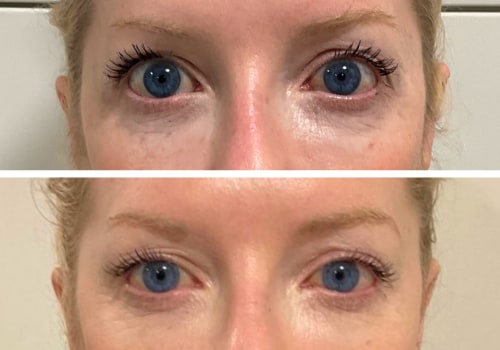
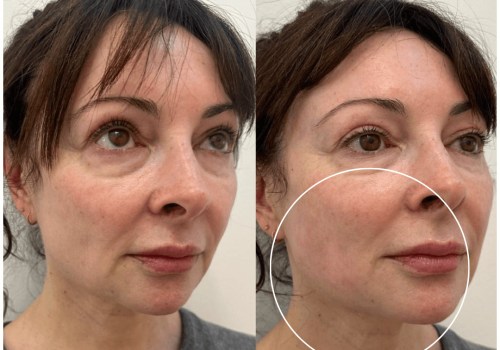
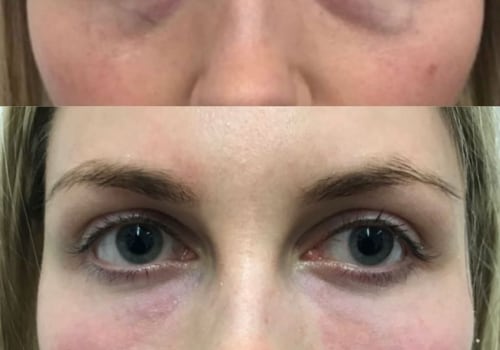
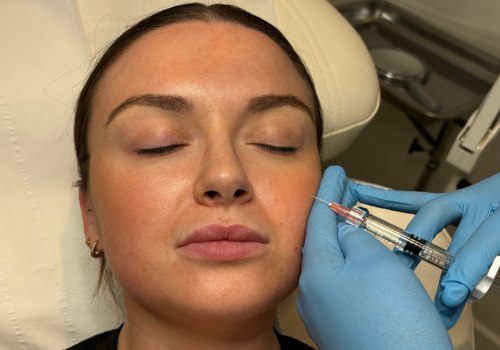
Polynucleotides, often abbreviated as PDRN, are naturally occurring polymers made up of nucleotide sequences. These molecules play a crucial role in cellular processes, particularly in the realm of skin health and rejuvenation. As the beauty and skincare industry continues to evolve, polynucleotides have emerged as a significant player in non-surgical skin treatments, offering a unique approach to enhancing skin quality and appearance.One of the most compelling aspects of polynucleotides is their ability to stimulate the body’s own regenerative processes. Unlike traditional dermal fillers that provide immediate volume by physically occupying space under the skin, polynucleotides work at a cellular level to promote collagen and elastin production.
This natural stimulation not only improves skin texture but also enhances elasticity and hydration, leading to a more youthful appearance over time.The benefits of polynucleotides extend beyond mere aesthetics. They possess remarkable antioxidant properties that help combat oxidative stress, which is a significant contributor to skin aging. By neutralising free radicals, polynucleotides protect skin cells from damage and support overall skin health. Furthermore, their role in wound healing makes them an excellent choice for addressing various skin imperfections, including scars and stretch marks.As we delve deeper into the effects of polynucleotides on skin volume and rejuvenation, it becomes clear that these molecules offer a multifaceted approach to skincare.
They not only enhance the skin's natural resilience but also provide a subtle increase in volume, making them an attractive option for those seeking long-lasting results without the need for invasive procedures.
What Are Polynucleotides?
Polynucleotides are long chains of nucleotides, which are the basic building blocks of DNA and RNA. These molecules play a crucial role in various biological processes, including cellular repair and regeneration. In the context of skin health, polynucleotides are increasingly recognised for their ability to enhance the skin's natural healing mechanisms.Biologically, polynucleotides are derived from natural sources, with salmon DNA being one of the most notable examples. This type of polynucleotide is particularly effective due to its longer chain lengths, which can prolong the stimulation of tissue regeneration.The presence of these longer chains allows for a more sustained release of growth factors that are essential for skin rejuvenation.There are several types of polynucleotides, each with unique properties and applications. The most common forms include:
- Deoxyribonucleic Acid (DNA): This is the genetic material found in all living organisms and is vital for cellular function and repair.
- Ribonucleic Acid (RNA): RNA plays a key role in protein synthesis and gene expression, influencing how cells respond to various stimuli.
- Polyribonucleotides: These are chains of RNA that can be used therapeutically to promote healing and regeneration in tissues.
By neutralising free radicals, they protect skin cells from damage and promote a healthier complexion. Additionally, their ability to enhance wound healing makes them an excellent choice for treating various skin imperfections, including scars and stretch marks.In summary, polynucleotides represent a powerful tool in dermatological treatments, offering a multifaceted approach to skin rejuvenation by promoting cellular repair and enhancing overall skin quality.
The Mechanism of Action of Polynucleotides in Skin Treatments
Polynucleotides, often abbreviated as PDRN, are gaining recognition in the field of dermatology for their remarkable ability to rejuvenate the skin. The underlying mechanism of action involves a complex interplay of biological processes that stimulate fibroblasts, the cells responsible for producing collagen and elastin, two essential proteins that maintain skin structure and elasticity.When polynucleotides are injected into the skin, they initiate a series of cellular responses that promote healing and regeneration. The primary action begins with the binding of polynucleotides to specific receptors on the surface of fibroblasts.This interaction triggers a cascade of intracellular signals that activate fibroblast proliferation and migration to the site of injection.Once activated, fibroblasts begin to synthesise collagen and elastin, which are crucial for maintaining skin firmness and elasticity. Collagen provides structural support, while elastin allows the skin to stretch and return to its original shape. The increase in these proteins leads to improved skin texture and a reduction in the appearance of fine lines and wrinkles.Moreover, polynucleotides possess anti-inflammatory properties that help to calm the skin and reduce redness. This is particularly beneficial for individuals with sensitive or reactive skin types.
By modulating inflammatory responses, polynucleotides create an optimal environment for fibroblast activity, further enhancing their regenerative effects.In addition to stimulating fibroblast activity, polynucleotides also promote angiogenesis—the formation of new blood vessels. This process is vital for delivering oxygen and nutrients to the skin, which supports overall skin health and vitality. Enhanced blood flow not only aids in tissue repair but also contributes to a more radiant complexion.Furthermore, research indicates that polynucleotides can improve the skin's moisture retention capabilities. By enhancing the dermal matrix where collagen and elastin reside, they help maintain hydration levels within the skin, leading to a plumper and more youthful appearance.In summary, the mechanism of action of polynucleotides in skin treatments is multifaceted.
By stimulating fibroblast activity, promoting collagen and elastin production, reducing inflammation, and enhancing blood circulation, polynucleotides play a crucial role in skin rejuvenation. Their ability to work at a cellular level makes them a powerful tool in modern dermatological therapies aimed at restoring youthful skin.
Polynucleotides vs. Traditional Fillers: A Comparative Analysis
When considering skin rejuvenation treatments, it is essential to understand the fundamental differences between polynucleotides and traditional dermal fillers, such as hyaluronic acid. While both are injectable treatments aimed at enhancing skin quality, their mechanisms of action and intended outcomes vary significantly.Understanding Polynucleotides
Polynucleotides, often referred to as PDRN (Polydeoxyribonucleotide), are derived from salmon DNA and are primarily used for their regenerative properties.
They work by stimulating the body’s natural healing processes, promoting collagen and elastin production, and enhancing overall skin texture. Rather than adding volume in a conventional sense, polynucleotides encourage the skin to repair itself from within, leading to improved elasticity and a more youthful appearance.
The Role of Hyaluronic Acid Fillers
In contrast, hyaluronic acid fillers are designed specifically to add volume to targeted areas of the face. These fillers contain a gel-like substance that physically occupies space beneath the skin, providing immediate plumpness and contouring effects. Commonly used in areas such as the cheeks, lips, and nasolabial folds, hyaluronic acid fillers can create a more youthful profile by restoring lost volume due to aging or other factors.
Volume Addition Comparison
- Polynucleotides: While they may provide a slight increase in volume due to enhanced tissue regeneration, their primary function is not to add volume but to improve skin quality and resilience.
- Hyaluronic Acid Fillers: These are explicitly formulated to add volume and shape to specific facial areas, offering immediate results that can last several months depending on the product used.
Key Differences
- Mechanism of Action: Polynucleotides stimulate cellular repair and regeneration, while hyaluronic acid fillers provide instant volume through physical presence.
- Longevity of Results: The effects of polynucleotides may last longer due to ongoing collagen production, whereas hyaluronic acid fillers typically require touch-ups every few months.
- Aesthetic Goals: Patients seeking subtle improvements in skin texture and elasticity may prefer polynucleotides, while those desiring immediate volumisation will likely opt for hyaluronic acid fillers.
Understanding these differences can help individuals make informed decisions about which treatment aligns best with their skincare goals.
Can Polynucleotides Add Volume to the Skin?
When considering the role of polynucleotides in skin treatments, a common question arises: can they actually add volume to the skin? While traditional dermal fillers, such as those based on hyaluronic acid, are specifically designed to restore and enhance volume in targeted areas of the face, polynucleotides operate through a different mechanism that primarily focuses on skin rejuvenation and regeneration.Polynucleotides, often referred to as PDRN (Polydeoxyribonucleotide), are derived from salmon DNA and are known for their ability to stimulate cellular repair and promote collagen production. This process can lead to a subtle increase in volume; however, it is essential to understand that this volumizing effect is not the primary purpose of polynucleotide treatments.Instead of providing immediate volume like traditional fillers, polynucleotides work by enhancing the skin's overall quality. They stimulate fibroblasts, which are crucial for collagen and elastin synthesis, thereby improving skin elasticity and texture over time. As the skin becomes healthier and more resilient, it may naturally appear fuller and more youthful.Moreover, the volumizing effects of polynucleotides are often described as subtle.Patients may notice a gradual improvement in skin plumpness as collagen levels rise and skin hydration increases. This is particularly beneficial for individuals seeking a more natural look without the dramatic changes associated with conventional fillers.In summary, while polynucleotides can contribute to a slight increase in volume through their regenerative properties, they should not be viewed as a direct substitute for traditional volumising fillers. Instead, they offer a holistic approach to skin health that enhances texture, elasticity, and overall appearance, making them an excellent option for those looking to rejuvenate their skin without compromising its natural structure.
Benefits of Using Polynucleotides in Skin Treatments
Polynucleotide treatments have emerged as a revolutionary approach in the realm of skin rejuvenation, offering a multitude of benefits that set them apart from traditional dermal fillers. One of the primary advantages of polynucleotides is their ability to enhance the skin's overall health and appearance through natural processes rather than merely adding volume.Improved Skin Texture and Elasticity
One of the most significant benefits of polynucleotide treatments is their capacity to improve skin texture and elasticity.
By stimulating the production of collagen and elastin, these treatments help restore the skin's firmness and suppleness. As we age, our skin naturally loses these vital proteins, leading to sagging and wrinkles. Polynucleotides encourage fibroblast activity, which is essential for maintaining a youthful appearance.
Enhanced Hydration
Another remarkable benefit is the enhancement of skin hydration. Polynucleotides possess hydrophilic properties, meaning they attract and retain moisture within the skin.
This increased hydration not only plumps up the skin but also contributes to a more radiant complexion. Patients often report a noticeable improvement in skin glow following treatment.
Natural Healing and Regeneration
Polynucleotides are known for their regenerative capabilities. They promote natural healing processes by activating cellular repair mechanisms. This is particularly beneficial for individuals with scars, stretch marks, or uneven skin tone.
The treatment encourages the body to repair itself from within, leading to long-lasting improvements in skin quality.
Antioxidant Properties
In addition to their regenerative effects, polynucleotides also exhibit strong antioxidant properties. They help neutralise free radicals that can cause premature ageing and damage to skin cells. By combating oxidative stress, polynucleotides contribute to healthier skin that appears more youthful and vibrant.
Advantages Over Traditional Fillers
- Long-Lasting Results: Unlike traditional fillers that provide immediate volume but may require frequent touch-ups, polynucleotide treatments offer sustained results as they work to improve the skin's structure over time.
- Non-Invasive Approach: Polynucleotide injections are less invasive compared to fillers, making them a suitable option for those seeking subtle enhancements without drastic changes.
- Comprehensive Skin Benefits: While fillers primarily focus on volume restoration, polynucleotides address multiple aspects of skin health, including texture, elasticity, and hydration.
Potential Side Effects and Considerations
While polynucleotide treatments offer numerous benefits for skin rejuvenation, it is essential to consider potential side effects and safety concerns associated with these injections.Understanding these risks can help individuals make informed decisions about their skincare options.One of the most common side effects of polynucleotide injections is temporary swelling at the injection site. This reaction is typically mild and subsides within a few days. However, some individuals may experience more pronounced swelling, which can be uncomfortable. It is advisable to consult with a qualified practitioner if swelling persists or worsens.Another potential side effect is bruising.
As with any injection, there is a risk of damaging small blood vessels, leading to bruising. This can vary in severity depending on the individual's skin type and the technique used during the procedure. To minimise bruising, patients are often advised to avoid blood-thinning medications and alcohol for a few days before treatment.
Redness
at the injection site is also common and usually resolves quickly. However, if redness is accompanied by pain or warmth, it may indicate an infection or an allergic reaction, necessitating immediate medical attention.In rare cases, patients may experience allergic reactions to the components of the polynucleotide solution.
Symptoms can include itching, rash, or difficulty breathing. Individuals with known allergies should discuss their medical history with their practitioner prior to treatment.It is crucial to choose a qualified and experienced practitioner for polynucleotide injections to minimise risks. A thorough consultation should include a discussion of medical history, current medications, and any previous reactions to injectable treatments.Additionally, patients should be aware that while polynucleotides are generally considered safe, they are not suitable for everyone. Individuals who are pregnant, breastfeeding, or have certain autoimmune conditions may be advised against these treatments.In conclusion, while polynucleotide injections can significantly enhance skin quality and appearance, potential side effects such as swelling, bruising, redness, and allergic reactions should be carefully considered.
By consulting with a knowledgeable professional and understanding personal health factors, individuals can make informed choices regarding their skincare treatments.
Who Can Benefit from Polynucleotide Treatments?
Polynucleotide treatments have gained significant attention in the realm of aesthetic medicine, particularly for their regenerative properties. However, understanding who can benefit from these treatments is crucial for achieving optimal results. The ideal candidates for polynucleotide therapies typically include individuals seeking to enhance their skin quality without the immediate volumetric effects associated with traditional fillers.Age Considerations
Age plays a pivotal role in determining the suitability of polynucleotide treatments. Generally, individuals aged 30 and above are prime candidates, as this is when the skin begins to show signs of ageing, such as decreased elasticity and hydration.
However, younger patients may also benefit from polynucleotides as a preventive measure against premature skin ageing. For instance:
- Individuals in their 30s: This age group often experiences the first signs of fine lines and loss of firmness. Polynucleotide treatments can stimulate collagen production, helping to maintain skin integrity.
- Individuals in their 40s and 50s: As skin continues to age, the regenerative effects of polynucleotides become increasingly beneficial. This demographic often seeks treatments to improve skin texture and tone while addressing issues like sagging.
- Individuals over 60: Older adults may find polynucleotides particularly advantageous due to their ability to promote healing and rejuvenation in more mature skin, which may have experienced significant wear and tear.
Who Should Use Polynucleotides?
Polynucleotide treatments are suitable for a wide range of individuals, particularly those who:
- Desire a natural-looking enhancement without the use of synthetic fillers.
- Have experienced skin damage due to environmental factors or lifestyle choices.
- Suffer from conditions such as acne scars or stretch marks that could benefit from improved skin texture.
- Are looking for a treatment that not only enhances appearance but also promotes overall skin health.
By understanding the specific benefits and limitations of these treatments, individuals can make informed decisions that contribute to their long-term skin health and appearance.
Frequently Asked Questions About Polynucleotides
Polynucleotides have gained significant attention in the realm of skin treatments, yet many individuals still have questions and misconceptions about their use and effectiveness. Below, we address some of the most frequently asked questions regarding polynucleotides to provide clarity and enhance understanding.What are polynucleotides?
Polynucleotides are naturally occurring biopolymers composed of nucleotide chains. They play a crucial role in cellular functions, particularly in the processes of tissue repair and regeneration. In aesthetic medicine, polynucleotides are used to stimulate collagen and elastin production, promoting healthier and more youthful-looking skin.How do polynucleotides differ from traditional fillers?
Unlike traditional dermal fillers, which primarily add volume by physically occupying space under the skin, polynucleotides work at a cellular level.Their primary function is to enhance the skin's natural healing processes rather than simply providing immediate volume. While they may offer a slight increase in volume due to improved skin quality, their main goal is rejuvenation through collagen stimulation.
Can polynucleotides be used for all skin types?
Yes, polynucleotides are generally suitable for various skin types and can be beneficial for individuals experiencing signs of ageing, scarring, or uneven skin texture. However, it is essential to consult with a qualified practitioner to determine the best treatment plan tailored to individual skin concerns.Are there any side effects associated with polynucleotide treatments?
As with any injectable treatment, there may be some side effects. Commonly reported effects include mild swelling, redness, or bruising at the injection site.These symptoms typically resolve within a few days. Serious side effects are rare but should be discussed with your practitioner prior to treatment.
How long do the effects of polynucleotide treatments last?
The longevity of results can vary based on individual factors such as age, skin condition, and lifestyle. Generally, patients may notice improvements lasting several months as collagen production continues post-treatment. Regular maintenance sessions can help sustain these results over time.Are there any myths about polynucleotides?
- Myth: Polynucleotides are just another type of filler.
- Fact: While they can provide slight volume enhancement, their primary function is to rejuvenate the skin by stimulating natural collagen and elastin production.
- Myth: Polynucleotide treatments are painful.
- Fact: Most patients report minimal discomfort during the procedure, often likened to a slight pinch.
Conclusion: The Future of Polynucleotide Treatments in Aesthetic Medicine
As we conclude our exploration of polynucleotides and their role in aesthetic medicine, it is essential to reflect on the significant advancements and potential these treatments hold for the future.Throughout this article, we have examined how polynucleotides function at a cellular level, promoting tissue regeneration and enhancing skin quality without the immediate volumetric effects associated with traditional fillers.The unique mechanism of action of polynucleotides, particularly their ability to stimulate fibroblast activity and collagen production, sets them apart from conventional dermal fillers. While fillers like hyaluronic acid are designed primarily to add volume and contour the face, polynucleotides focus on rejuvenating the skin from within. This regenerative approach not only improves skin texture and elasticity but also addresses various skin concerns such as scarring, stretch marks, and uneven pigmentation.Looking ahead, the future of polynucleotide treatments in aesthetic medicine appears promising. As research continues to unveil the full spectrum of benefits these treatments offer, we can anticipate a growing acceptance and integration of polynucleotides into standard aesthetic practices.
Their versatility allows for application across different areas of the body, making them suitable for a wide range of patients seeking natural-looking results.Moreover, as consumers become increasingly aware of the importance of skin health and holistic beauty approaches, treatments that enhance the skin's natural regenerative capabilities will likely gain popularity. The emphasis on long-lasting results without compromising facial structure aligns perfectly with current trends in aesthetic preferences.In summary, while polynucleotides may not provide the immediate volumetric enhancement that some patients seek, their profound impact on skin health and appearance cannot be overlooked. As we move forward, it is crucial for practitioners to stay informed about these innovative treatments and consider them as valuable options in their aesthetic repertoire.Ultimately, the evolution of polynucleotide therapies signifies a shift towards more sustainable and health-focused aesthetic solutions, paving the way for a future where beauty is synonymous with wellness.