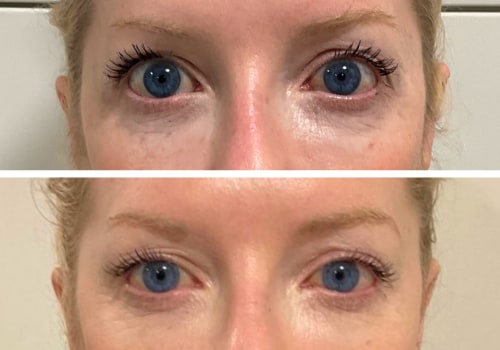
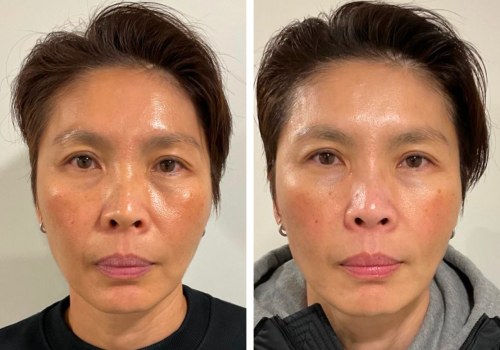
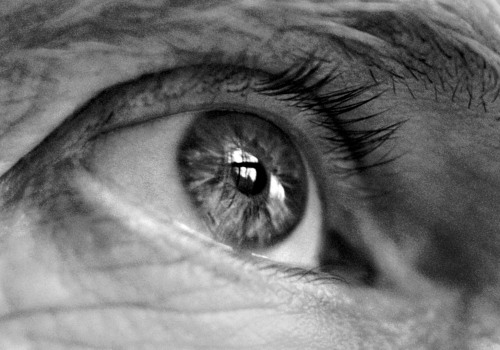
In the realm of aesthetic treatments, the quest for youthful, radiant skin has led to the development of various innovative techniques aimed at skin rejuvenation. As we age, our skin undergoes significant changes, including loss of elasticity, volume, and hydration. These transformations can result in the appearance of fine lines, wrinkles, and an overall dull complexion. To combat these signs of aging, many individuals are turning to advanced treatments that not only address superficial concerns but also promote long-term skin health.Among the most promising advancements in this field are polynucleotides , a cutting-edge treatment that works at a cellular level to enhance skin quality.
When combined with Botox, a well-known injectable that relaxes facial muscles to smooth out dynamic wrinkles, the results can be transformative. This powerful duo not only targets immediate aesthetic concerns but also fosters ongoing skin rejuvenation by improving texture, hydration, and overall vitality.The synergy between polynucleotides and Botox exemplifies a holistic approach to skincare, where both treatments complement each other to deliver comprehensive results. While Botox effectively diminishes the visibility of wrinkles caused by muscle movement, polynucleotides stimulate cellular regeneration and repair, leading to healthier skin from within. This dual-action strategy is becoming increasingly popular among those seeking a more youthful appearance without resorting to invasive surgical procedures.As we delve deeper into the world of skin rejuvenation techniques, it is essential to understand how these treatments work individually and in tandem.
By exploring the benefits and applications of polynucleotides alongside Botox, we can uncover a pathway to achieving not just temporary fixes but lasting improvements in skin health and aesthetics.
Understanding Polynucleotides: What Are They?
Polynucleotides are naturally occurring biopolymers composed of nucleotide monomers, which are the building blocks of DNA and RNA. These molecules play a crucial role in various biological processes, including cellular repair, regeneration, and overall skin health. In recent years, polynucleotides have gained significant attention in the field of aesthetics, particularly for their remarkable benefits in skincare.The origin of polynucleotides can be traced back to the nucleic acids found in living organisms. They are derived from the breakdown of DNA and RNA, which are essential for genetic information storage and transfer.When applied topically or injected into the skin, polynucleotides stimulate cellular activity and promote healing by enhancing the skin's natural regenerative processes.One of the primary benefits of polynucleotides in skincare is their ability to improve skin hydration. They attract and retain moisture within the skin, leading to a plumper and more youthful appearance. Additionally, polynucleotides have been shown to enhance collagen production, which is vital for maintaining skin elasticity and firmness. This dual action not only helps to reduce the appearance of fine lines and wrinkles but also contributes to an overall improvement in skin texture.Moreover, polynucleotides possess anti-inflammatory properties that can soothe irritated skin and reduce redness.
This makes them particularly beneficial for individuals with sensitive or acne-prone skin. By promoting healing at a cellular level, polynucleotides can aid in the recovery from various skin conditions, including post-acne scars and sun damage.Incorporating polynucleotides into skincare regimens can be done through various methods, including injections or topical applications. Their versatility allows them to be used in conjunction with other treatments, such as Botox or dermal fillers, to achieve comprehensive rejuvenation results.In summary, polynucleotides represent a powerful tool in modern skincare. Their ability to enhance hydration, stimulate collagen production, and promote healing makes them an invaluable addition to any aesthetic treatment plan.
The Mechanism of Action: How Polynucleotides Work on the Skin
Polynucleotides are a remarkable class of biomolecules that play a crucial role in enhancing skin health through their unique mechanisms of action.At the core of their effectiveness lies their ability to stimulate cellular rejuvenation, which is essential for maintaining youthful and vibrant skin.When polynucleotides are introduced into the skin via injections, they interact with various cellular components, primarily targeting fibroblasts—the cells responsible for producing collagen and elastin. These proteins are vital for skin structure and elasticity. The introduction of polynucleotides promotes the proliferation of fibroblasts, leading to an increase in collagen synthesis. This process not only helps to restore lost volume but also improves skin texture and firmness.Moreover, polynucleotides possess strong hydrophilic properties, meaning they attract and retain moisture within the skin.
This hydration is critical as it enhances the skin's barrier function, making it more resilient against environmental stressors such as pollution and UV radiation. By improving moisture retention, polynucleotides contribute to a plumper and more radiant complexion.Another significant aspect of how polynucleotides work is their role in modulating inflammation. Chronic inflammation can lead to premature aging and various skin conditions. Polynucleotides have been shown to exhibit anti-inflammatory properties, which can help reduce redness and irritation, promoting an overall healthier appearance.In addition to these benefits, polynucleotides also facilitate the repair of damaged tissues.
They encourage angiogenesis—the formation of new blood vessels—which is essential for delivering nutrients and oxygen to the skin cells. This process not only aids in healing but also enhances the overall vitality of the skin.In summary, the mechanism of action of polynucleotides is multifaceted, involving cellular rejuvenation, hydration enhancement, inflammation modulation, and tissue repair. By harnessing these properties, polynucleotides offer a comprehensive approach to improving skin health at a cellular level, making them an invaluable tool in aesthetic treatments aimed at achieving youthful and glowing skin.
Botox: A Brief Overview and Its Role in Aesthetic Treatments
Botox
, short for botulinum toxin, is a neurotoxic protein that has gained immense popularity in the field of aesthetic treatments. Originally developed for medical purposes, such as treating muscle spasms and excessive sweating, its cosmetic applications have revolutionised the way we approach anti-aging solutions.
By temporarily paralyzing the muscles responsible for facial expressions, Botox effectively smooths out dynamic wrinkles, particularly around the forehead, eyes, and mouth.One of the primary benefits of Botox is its ability to provide immediate results with minimal downtime. Patients often notice a significant reduction in the appearance of fine lines and wrinkles within just a few days of treatment. This quick turnaround makes Botox an appealing option for those seeking a youthful appearance without the need for invasive surgical procedures.In addition to its wrinkle-reducing properties, Botox can also enhance overall facial aesthetics by creating a more balanced and harmonious look. For instance, it can be used to lift the eyebrows, soften a square jawline, or even reduce the appearance of a gummy smile.
These versatile applications make Botox a valuable tool in the hands of skilled practitioners.Moreover, when combined with other aesthetic treatments such as polynucleotides, dermal fillers, or laser therapies, Botox can significantly enhance the overall results. While Botox addresses the superficial signs of aging by relaxing facial muscles, treatments like polynucleotides work at a deeper level to improve skin texture and hydration. This synergistic effect not only maximises the benefits of each treatment but also promotes long-lasting results.As with any cosmetic procedure, it is essential for patients to consult with qualified professionals to determine the best treatment plan tailored to their individual needs. Understanding how Botox fits into a comprehensive skincare regimen can lead to optimal outcomes and greater satisfaction with one’s appearance.
The Synergy Between Polynucleotides and Botox: A Comprehensive Approach to Skin Rejuvenation
The combination of polynucleotides and Botox represents a revolutionary approach to skin rejuvenation, harnessing the unique benefits of each treatment to achieve superior results.While Botox is renowned for its ability to relax facial muscles and diminish the appearance of dynamic wrinkles, polynucleotides work at a cellular level to enhance skin health, texture, and hydration. This dual-action strategy not only addresses immediate aesthetic concerns but also promotes long-term skin vitality.One of the primary advantages of combining these treatments is their complementary nature. Botox effectively targets the visible signs of aging by smoothing out fine lines and wrinkles caused by muscle contractions. In contrast, polynucleotides stimulate collagen production and improve skin elasticity, leading to a more youthful appearance from within.
This synergy allows for a comprehensive approach to skin rejuvenation that goes beyond surface-level improvements.Moreover, the use of polynucleotides can enhance the overall effectiveness of Botox treatments. By improving skin quality and thickness, polynucleotides create a more supportive environment for Botox to perform optimally. Patients often report that their results last longer when these treatments are used in conjunction, as the enhanced skin condition helps maintain the effects of Botox over time.In addition to their aesthetic benefits, combining polynucleotides with Botox can also reduce the risk of potential side effects associated with each treatment when administered alone. For instance, while Botox may lead to temporary bruising or swelling at the injection site, polynucleotides can help soothe and heal the skin more rapidly, minimising downtime for patients.Furthermore, this combination is versatile and can be tailored to meet individual patient needs.
Whether addressing specific concerns such as crow's feet around the eyes or deeper nasolabial folds, practitioners can adjust the treatment plan accordingly. This personalised approach ensures that patients receive optimal care tailored to their unique skin conditions.In conclusion, the synergy between polynucleotides and Botox offers a comprehensive solution for those seeking effective skin rejuvenation. By leveraging the strengths of both treatments, patients can enjoy not only immediate improvements in their appearance but also long-lasting benefits that promote overall skin health.
Target Areas for Treatment: Where Can Polynucleotides and Botox Be Applied?
When considering the combination of polynucleotides and Botox for skin rejuvenation, it is essential to understand the various treatment areas where these therapies can be effectively applied. Both treatments offer unique benefits that can enhance the overall appearance of the skin, making them suitable for multiple zones on the face and body.Facial Areas
- Forehead: The forehead is a common area for Botox injections, targeting dynamic wrinkles caused by facial expressions.
When combined with polynucleotides, which promote skin hydration and elasticity, this area can achieve a smoother and more youthful appearance.
- Crow's Feet: The delicate skin around the eyes often shows signs of aging first. Botox can relax the muscles that cause crow's feet, while polynucleotides can improve skin texture and firmness, resulting in a refreshed look.
- Cheeks: Polynucleotides can be injected into the cheeks to enhance volume and improve skin quality. When paired with Botox, which can reduce fine lines around the mouth and nose, patients can enjoy a more contoured and youthful facial structure.
- Lips: While dermal fillers are typically used for lip enhancement, polynucleotides can also be beneficial in improving lip texture and hydration. Botox may be used to reduce vertical lip lines, creating a smoother appearance.
- Jawline: Botox can help in contouring the jawline by relaxing the masseter muscles, while polynucleotides can enhance skin firmness in this area, leading to a more defined jawline.
Body Areas
- Neck: The neck is often overlooked but is crucial for a youthful appearance.
Polynucleotides can improve skin elasticity and hydration in this area, while Botox may help reduce horizontal neck lines.
- Décolletage: This area is prone to sun damage and aging. Polynucleotides can rejuvenate the skin here by promoting cell turnover and hydration, making it an excellent target for treatment.
- Hands: The hands often reveal age through wrinkles and loss of volume. Polynucleotides can restore skin quality, while Botox may be used to treat specific wrinkles on the hands.
Safety and Side Effects: What to Expect from Treatments
When considering aesthetic treatments such as polynucleotides and Botox, understanding the safety profile and potential side effects is essential for making an informed decision.Both treatments have gained popularity due to their effectiveness, but like any medical procedure, they come with their own set of risks and considerations.
Polynucleotide Side Effects
Polynucleotide treatments are generally well-tolerated, with a low incidence of adverse reactions. However, some patients may experience mild side effects, which can include:- Swelling: Temporary swelling at the injection site is common and usually subsides within a few days.
- Bruising: Minor bruising may occur, particularly in individuals with sensitive skin or those taking blood-thinning medications.
- Pain or Discomfort: A slight sensation of pain or discomfort during and after the procedure is possible but typically resolves quickly.
- Redness: Some redness may appear at the injection site, which usually fades within a short period.
Botox Side Effects
Botox is widely regarded as a safe treatment when administered by a qualified professional. However, potential side effects can occur, including:- Headaches: Some patients report experiencing headaches following Botox injections.
- Nausea: A small percentage of individuals may feel nauseous after treatment.
- Mild Drooping: In rare cases, Botox can cause temporary drooping of the eyelids or eyebrows if injected improperly.
- Allergic Reactions: Although uncommon, some patients may experience allergic reactions to the components in Botox.
Treatment Safety
The safety of combining polynucleotides and Botox has been supported by numerous studies indicating that these treatments can be used together without significant risk.The synergistic effects of both therapies enhance overall skin rejuvenation while maintaining a low risk profile. Patients should always consult with their healthcare provider to ensure that they are suitable candidates for these treatments and to discuss any concerns regarding safety and side effects.In conclusion, while both polynucleotides and Botox are generally safe procedures with minimal side effects, understanding what to expect can help alleviate concerns. By choosing a qualified practitioner and following pre- and post-treatment care instructions, patients can maximise their results while minimising potential risks.
Pre-Treatment Preparation and Post-Treatment Care: Maximising Results
Preparing for polynucleotide treatments and ensuring proper post-treatment care are crucial steps in maximising the benefits of your skin rejuvenation journey. Here are some essential tips to help you achieve optimal results.Pre-Treatment Preparation
- Consultation is Key: Before undergoing any treatment, schedule a thorough consultation with your practitioner.
Discuss your medical history, skin concerns, and aesthetic goals to ensure that polynucleotide therapy is suitable for you.
- Avoid Blood Thinners: In the week leading up to your treatment, refrain from taking blood-thinning medications such as aspirin, ibuprofen, or certain supplements like fish oil and vitamin E. This can help reduce the risk of bruising and swelling post-treatment.
- Stay Hydrated: Drink plenty of water in the days leading up to your appointment. Proper hydration can enhance skin elasticity and overall health, making your treatment more effective.
- Limit Alcohol Consumption: Avoid alcohol for at least 48 hours before your treatment. Alcohol can dehydrate the skin and increase the likelihood of bruising.
- Skincare Regimen: Maintain a gentle skincare routine in the days prior to your treatment.
Avoid harsh exfoliants or active ingredients like retinoids that may irritate the skin.
Post-Treatment Care
- Avoid Touching Your Face: After the procedure, refrain from touching or applying makeup to the treated areas for at least 24 hours. This helps prevent infection and allows the polynucleotides to work effectively.
- Follow Aftercare Instructions: Your practitioner will provide specific aftercare guidelines tailored to your treatment. Adhering to these instructions is vital for achieving the best results.
- Moisturise Regularly: Keep your skin well-hydrated with a gentle moisturiser. This will support healing and enhance the effects of the polynucleotides.
- Avoid Sun Exposure: Protect your skin from direct sunlight for at least two weeks post-treatment.
Use a broad-spectrum sunscreen with an SPF of 30 or higher to shield your skin from UV damage.
- Monitor for Side Effects: While polynucleotide treatments have a low risk of side effects, be vigilant for any unusual reactions such as excessive swelling or redness. Contact your practitioner if you have any concerns.
Comparative Analysis: Polynucleotides vs Other Aesthetic Treatments
When considering aesthetic treatments, it is essential to understand the differences between polynucleotides and other popular options such as dermal fillers and laser treatments. Each method has its unique benefits and applications, making it crucial for individuals to choose the right treatment based on their specific skin concerns and desired outcomes.Polynucleotides vs Dermal Fillers
Dermal fillers are widely used to restore volume and smooth out wrinkles by injecting substances like hyaluronic acid into targeted areas. While they provide immediate results, their effects are temporary, typically lasting from six months to a year.In contrast, polynucleotides work at a cellular level to enhance skin quality over time. They stimulate collagen production and improve skin hydration, leading to a more natural rejuvenation process.Moreover, polynucleotides can thicken the skin, which is a significant advantage over fillers that primarily add volume. This thickening effect can lead to improved firmness and elasticity, addressing not just superficial signs of aging but also enhancing overall skin health.
Polynucleotides vs Laser Treatments
Laser treatments are another popular option for skin rejuvenation, targeting issues such as pigmentation, fine lines, and texture irregularities. They work by using focused light energy to stimulate collagen production and promote skin renewal.However, laser treatments often require downtime for recovery, with potential side effects like redness or swelling.In contrast, polynucleotide treatments typically involve minimal downtime and have a lower risk of adverse effects. Patients can return to their daily activities shortly after treatment. While lasers can provide quick results for specific concerns, polynucleotides offer a more holistic approach by improving the skin's overall quality and resilience.
Aesthetic Treatment Comparison
Ultimately, the choice between polynucleotides, dermal fillers, and laser treatments depends on individual goals. For those seeking immediate volume enhancement or wrinkle reduction, dermal fillers may be the preferred option.However, for individuals looking for long-term improvements in skin texture and health without significant downtime, polynucleotides present an excellent alternative.Laser treatments can be beneficial for targeted concerns but may not address overall skin quality as effectively as polynucleotides. Therefore, many practitioners recommend a combination approach that utilises the strengths of each treatment type for comprehensive skin rejuvenation.
<strong>Conclusion</strong>: The Future of Skin Rejuvenation with Polynucleotides and Botox
In conclusion, the combination of polynucleotides and Botox represents a significant advancement in the field of skin rejuvenation. Throughout this article, we have explored the multifaceted benefits of these treatments, highlighting how they work synergistically to enhance both immediate and long-term skin health.Summary of Benefits
- Comprehensive Rejuvenation: By addressing both the surface-level signs of aging and the underlying skin quality, this duo offers a holistic approach to skincare.
- Improved Skin Texture: Polynucleotides promote cellular regeneration, leading to smoother and more resilient skin.
- Hydration and Firmness: The hydrating properties of polynucleotides help to thicken the skin, enhancing its firmness and overall appearance.
- Minimal Side Effects: With a low risk of allergic reactions or complications, these treatments are suitable for a wide range of patients.
- Versatility: Suitable for various areas of the face and body, polynucleotides can be tailored to meet individual needs.
Future Trends in Skincare
The future of skincare is undoubtedly leaning towards innovative combinations that maximise results while minimising risks. As research continues to evolve, we can expect to see even more refined techniques that integrate polynucleotides with other aesthetic treatments.
This trend not only reflects a growing understanding of skin biology but also a shift towards personalised skincare solutions that cater to individual concerns.
Final Thoughts on Treatments
The integration of polynucleotides with Botox is not just a passing trend; it is a testament to the advancements in aesthetic medicine. As more individuals seek effective solutions for skin rejuvenation, this powerful combination will likely become a staple in cosmetic practices. Patients can look forward to achieving youthful, radiant skin through safe and effective treatments that harness the best of both worlds.Ultimately, embracing these innovative approaches will empower individuals to take control of their skincare journeys, ensuring they achieve the vibrant and healthy complexion they desire.